Local
William A. Nelson, 82, of Middlebury
A Roundtable is a way to meet new people and discuss this article in person at a local coffee shop or other venue.
Roundtables are designed for groups of four, with a shared subject and room for everyone to speak. Come for discussion, with no dating expectation.
Source: Addison County Independent
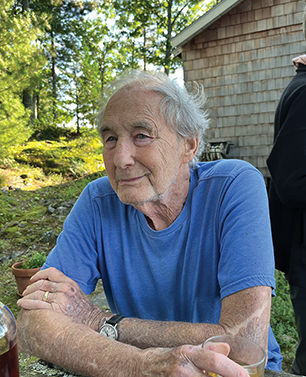
MIDDLEBURY — William A. Nelson, 82, of Middlebury, Vt., died Nov. 19, 2026. Bill was born in New York City Jan. 25, 1944, to Elsa and William. He married Peggy June 2, 1967. They moved to Middlebury in 1975 and lived there together ever since. Bill was the Appellate Defender with the Vermont Office of the Defender General until his retirement in 2010. He wrote the textbook “Vermont Criminal Practice,” argued twice before the United States Supreme Court, and was one of the lawyers representing the Winooski 44 in 1984. Bill was a poet. Many of his poems can be read at williamanelson.substack.com. He loved his family, Chipman Hill, words and objects, and keeping track of the sun and the moon. He is survived by his wife, Peggy; his sister, Susan; his sons, Sam and Jeff; his daughters-in-law, Lani and Becca; his granddaughters, Maya and Sadie; his in-laws Michael, Liz, Sy, Emily, Rick, Jimmy, Ann, Tommy, and Carla; and friends and family.
This excerpt comes from the named source. Read the original for the full reporting.
Read the original at Addison County Independent