Local
Winter tetany in beef cattle
A Roundtable is a way to meet new people and discuss this article in person at a local coffee shop or other venue.
Roundtables are designed for groups of four, with a shared subject and room for everyone to speak. Come for discussion, with no dating expectation.
Source: Farm Talk
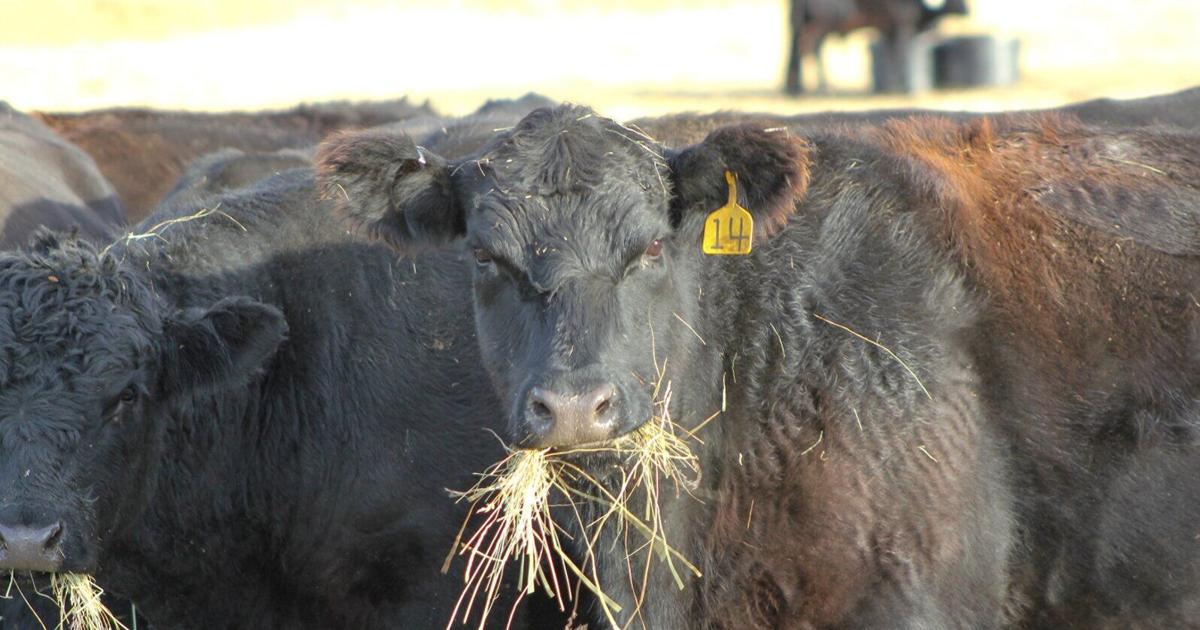
Winter tetany can be an unexpected problem as most producers are not looking for it at this time of year. (Photo by Troy Walz.) Grass tetany is considered a problem that usually occurs when cattle or sheep are eating lush, spring grass or annual cereal forages such as rye, wheat or triticale; but it can also occur when cattle are being fed harvested forages.Grass tetany, sometimes called grass staggers or hypomagnesaemia, is a metabolic disorder of cattle related to a deficiency of magnesium (Mg). Magnesium is a critical mineral to the nervous system and muscle function. Low levels of magnesium can result in cattle that exhibit hyper-excitability, reduced feed intake, and muscle twitching, especially around the face and ears. Cattle may also appear uncoordinated and walk with a stiff gait. Grass tetany is most often associated with cattle grazing immature cool season grasses or lush annual forages.
This excerpt comes from the named source. Read the original for the full reporting.
Read the original at Farm Talk