Local
Wisconsin teacher fired for being drunk on duty taught 1 year without license
A Roundtable is a way to meet new people and discuss this article in person at a local coffee shop or other venue.
Roundtables are designed for groups of four, with a shared subject and room for everyone to speak. Come for discussion, with no dating expectation.
Source: The Badger Project
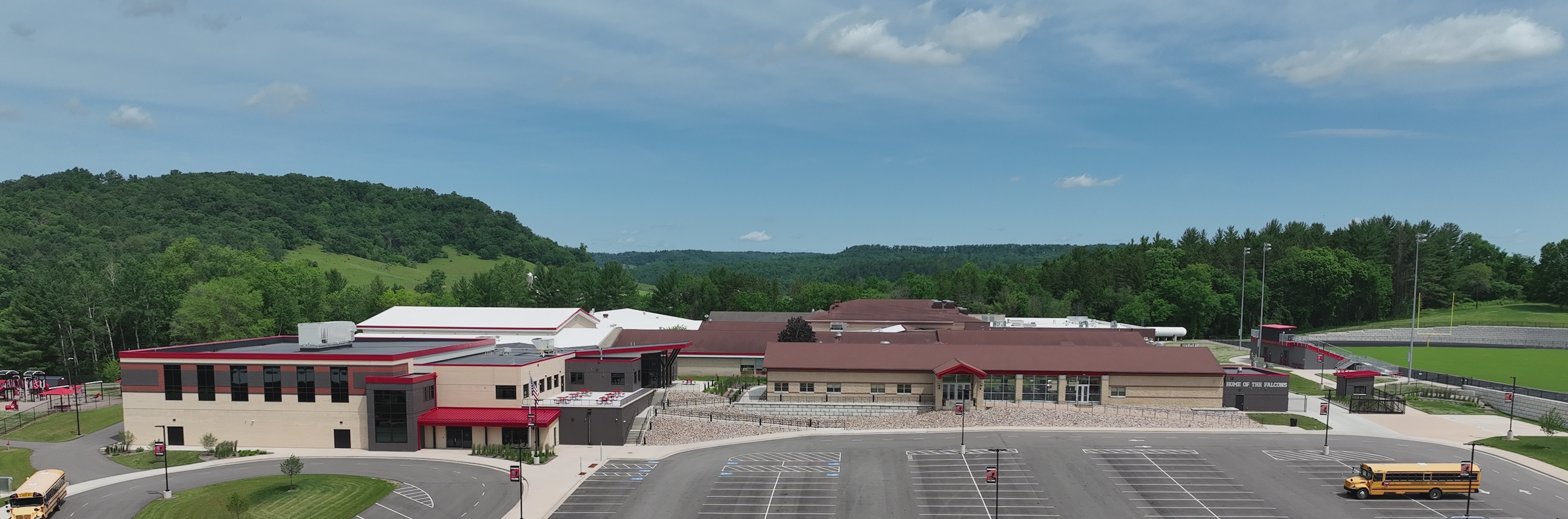
An investigation by The Badger Project found gaps in the state’s licensing and oversight systems, allowing some teachers accused of misconduct to return to class. By Bethanie Gengler for THE BADGER PROJECT A public school teacher who quit one district in Wisconsin while under investigation and was fired from another for being intoxicated on the job is now working for a third, where he taught for a year with an expired teaching license, an investigation by The Badger Project has found. Following the termination in 2018, the Wisconsin Department of Public Instruction (DPI) revoked Rusty Shankle’s license to teach. But today, he is a junior high science teacher in the Norwalk-Ontario-Wilton School District, where licensing records show he taught for a full school year under a $56,484 contract without a valid Wisconsin teaching license. A contract he signed in May set his current salary at $60,622.
This excerpt comes from the named source. Read the original for the full reporting.
Read the original at The Badger Project
