Local
Wisconsin woman remembers father lost in Edmund Fitzgerald sinking 51 years ago
Meet in Common connects news with real conversations. Use ThinkMatch to arrange a Roundtable and meet people to discuss this story.
Source: WMTV 15 NEWS
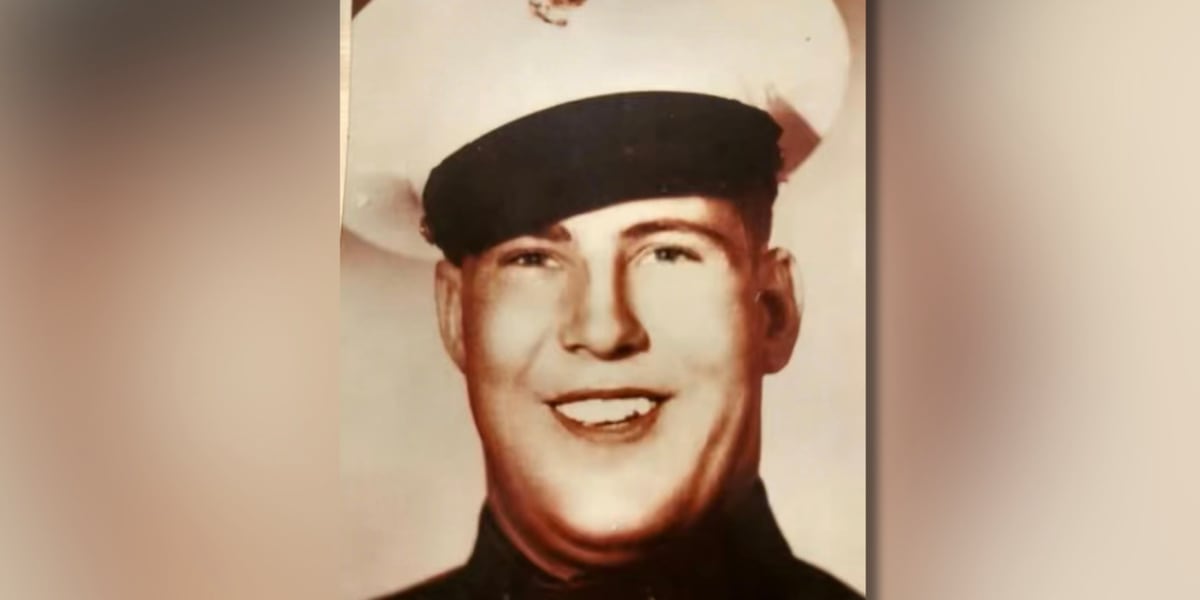
MADISON, Wis. (WMTV) - A Wisconsin woman is remembering her late father, who was one of the 29 men killed when the Edmund Fitzgerald ship sank 51 years ago in Lake Superior. “My dad was a big guy, but he was a teddy bear. He rarely disciplined, he was a big hugger, and a very loving father,” said Debbie Gomez-Felder. Oliver Champeau, also known as Buck, was originally from Sturgeon Bay, Wisconsin. He eventually made his way to Milwaukee where he met Gomez-Felder’s mother. As a merchant marine, Champeau would be gone for weeks, even months at a time. “He was on the ships forever, so he wasn’t around a lot for holidays and birthdays and things like that,” Gomez-Felder said. “It was very hard. I feel for him, it was a very lonely life. But for us, too.” Eventually, Champeau found himself employed as the Third Assistant Engineer on the Edmund Fitzgerald.
This excerpt comes from the named source. Read the original for the full reporting.
Read the original at WMTV 15 NEWS


