Local
WMU students reflect on the midterm elections
Meet in Common connects news with real conversations. Use ThinkMatch to arrange a Roundtable and meet people to discuss this story.
Source: Western Herald
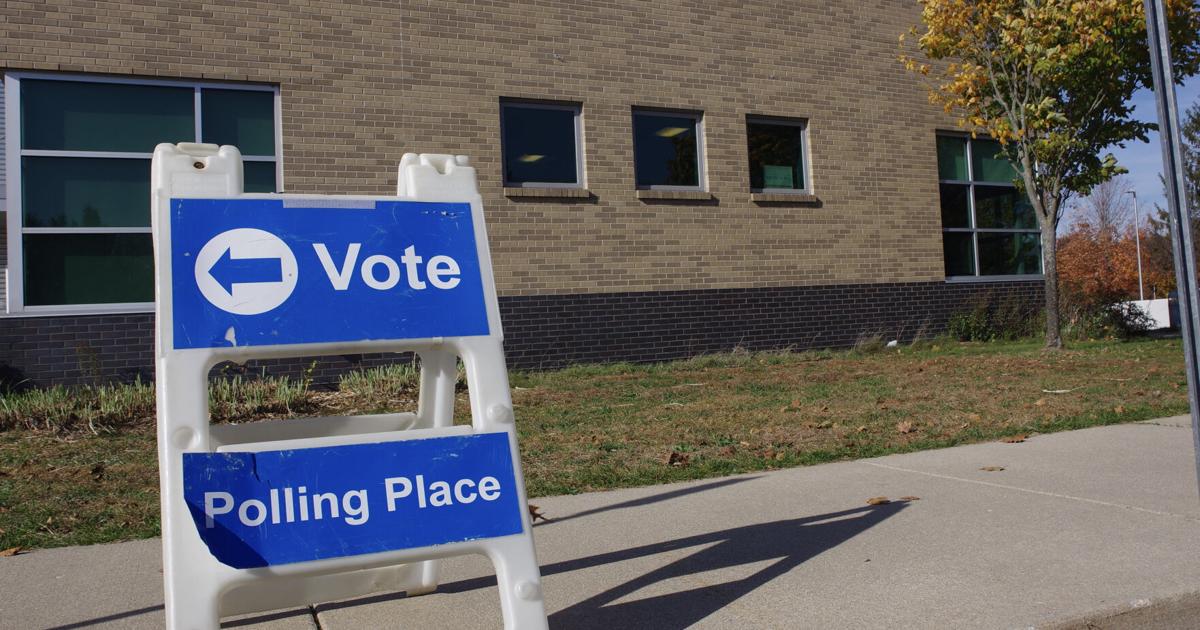
A sign stands outside of the Wesley Foundation instructing Kalamazoo Precinct 5 voters to their polling location for the Michigan midterm elections, Nov. 3. Amelia Wood, Photo Editor (she/her) Tuesday, Nov. 3 marked the midterm elections across the United States, with students across Western Michigan University’s campus casting ballots. The 2026 elections in Michigan saw a large interest both locally and nationally, with money being spent heavily within the swing state.According to Legis1, the U.S. Senate race in Michigan saw Democrat Abdul El-Sayed raise $53.8 million and Republican Mike Rogers raise $23.0 million, making it one of the most expensive races in the country. Due to the high spending and large voter turnout, many students at WMU voted in Tuesday’s election.“When I went to vote, I felt really hopeful and proud to finally be at the age where I can make a change,” said WMU sophomore Avery Pate.
This excerpt comes from the named source. Read the original for the full reporting.
Read the original at Western Herald