Local
Woman featured in iconic Great Depression photo didn't know she was famous until 40 years later
A Roundtable is a way to meet new people and discuss this article in person at a local coffee shop or other venue.
Roundtables are designed for groups of four, with a shared subject and room for everyone to speak. Come for discussion, with no dating expectation.
Source: Upworthy
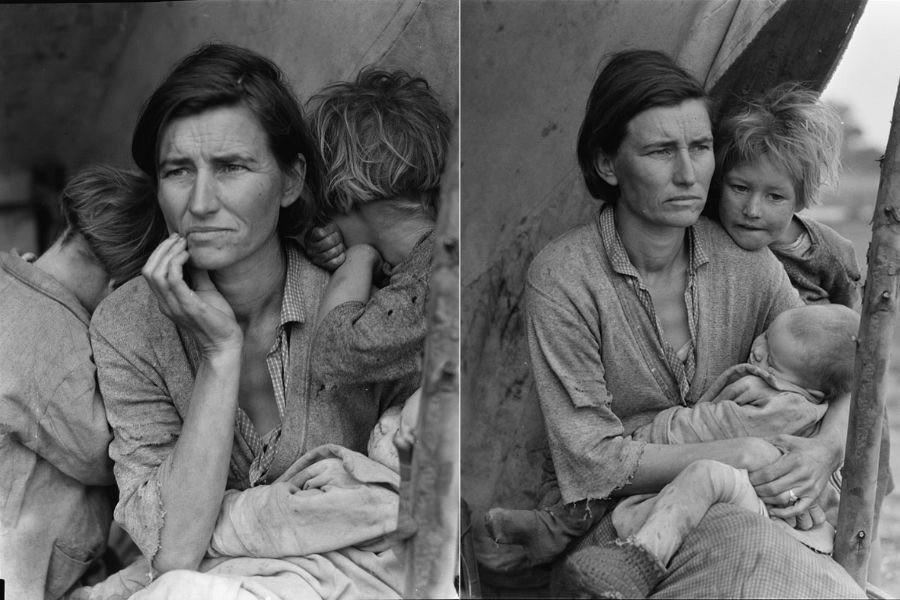
It’s one of the most iconic and haunting photos of all time, up there with the likes of Hindenburg, The Falling Soldier, Burning Monk, Napalm Girl, and many others. It’s called simply Migrant Mother, and it paints a better picture of the time in which it was taken than any book or interview possibly could. Nearly everyone across the globe knows Florence Owens Thompson’s face from newspapers, magazines, and history books. The young, destitute mother was the face of the Great Depression, her worried, suntanned face looking absolutely defeated as several of her children took comfort by resting on her thin frame. Thompson put a human face and emotion behind the very real struggle of the era, but she wasn’t even aware of her role in helping to bring awareness to the effects of the Great Depression on families. It turns out that Dorothea Lange, the photographer responsible for capturing the worry-stricken mother in the now-famous photo, told Thompson that the photos wouldn’t be published.
This excerpt comes from the named source. Read the original for the full reporting.
Read the original at Upworthy