Local
Writing Tips: What Editors Keep Flagging in Manuscripts
Meet in Common connects news with real conversations. Use ThinkMatch to arrange a Roundtable and meet people to discuss this story.
Source: Daily Pencil
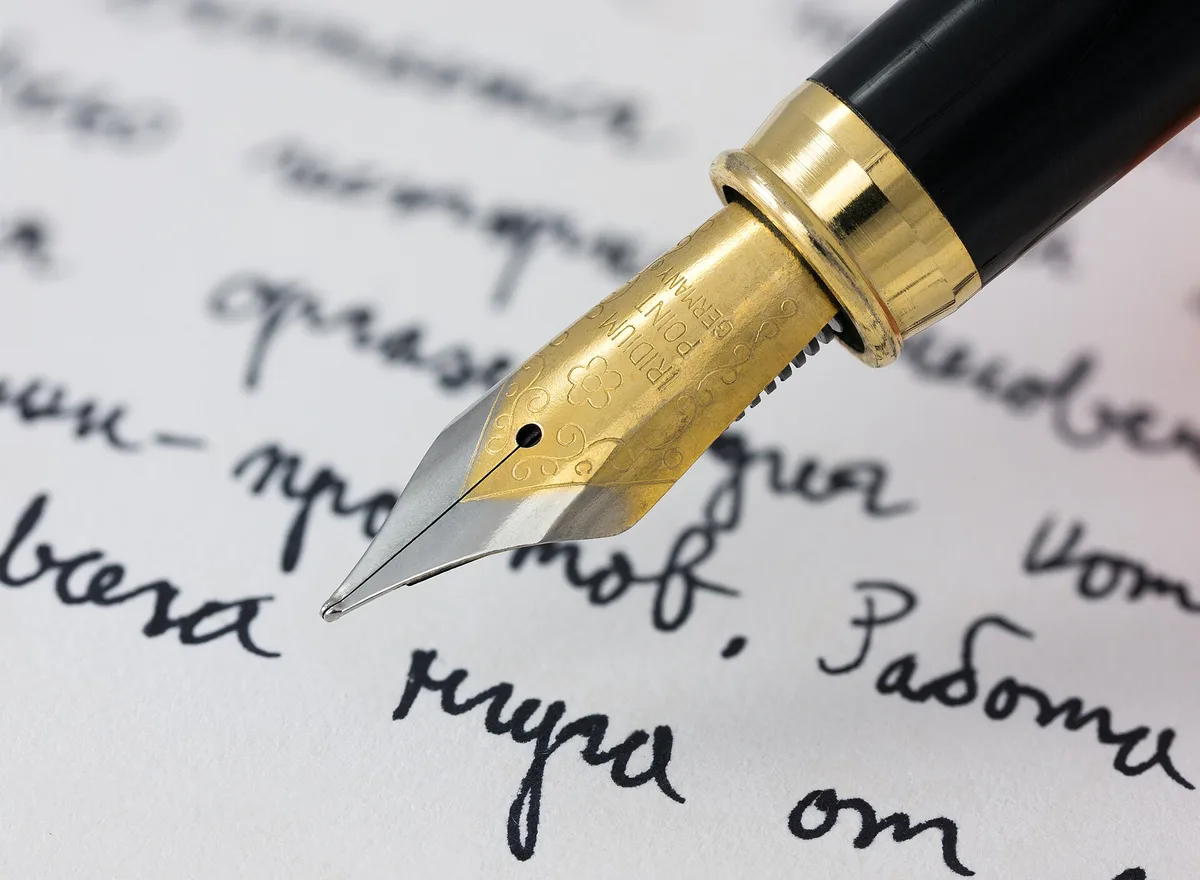
The same notes come back with most first manuscripts: mechanical slips, shaky structure, and facts that do not hold. The Chicago Manual of Style describes editing work as running from mechanical corrections to remedial work on baggy prose. Most copy editing jobs fall into one of three levels: light, medium, and heavy. The pattern is old, and it is fixable. Editor notes cluster around a short list of habits. A writer who knows the list can clear much of it before anyone else reads a page. The trail runs from the first reader to the final proof. What Gets Marked First Mechanical consistency comes first. According to Einsohn, cited in a standard survey of copyediting, mechanical editors chase abbreviations, capitalization, hyphenation, italics, numbers, punctuation, quotations, and spelling. None of it is glamorous. All of it is visible. An editor who fixes every comma has less time for the story. Consistency is the operative word.
This excerpt comes from the named source. Read the original for the full reporting.
Read the original at Daily Pencil