Local
Years After Scrutiny, Black Drivers Still Dominate Bratenahl Traffic Stops
A Roundtable is a way to meet new people and discuss this article in person at a local coffee shop or other venue.
Roundtables are designed for groups of four, with a shared subject and room for everyone to speak. Come for discussion, with no dating expectation.
Source: Cleveland Scene
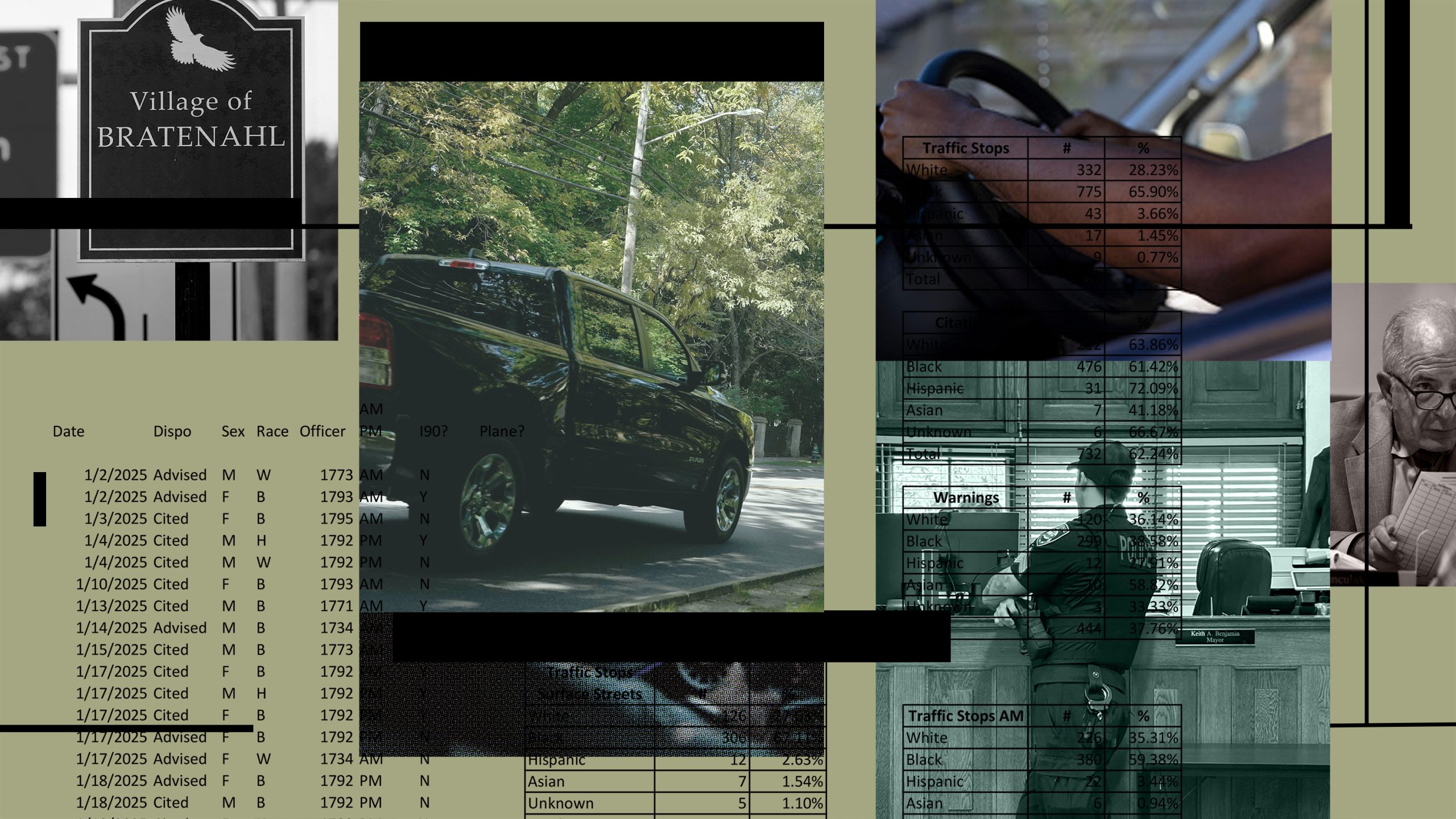
This article was published in partnership with The Marshall Project – Cleveland, a nonprofit news team covering Ohio’s criminal justice systems. Sign up for their Cleveland newsletter and Facebook Group, and follow The Marshall Project on Instagram, Reddit and YouTube. BRATENAHL, Ohio – For years, Black Clevelanders complained they bore the brunt of traffic citations in this wealthy neighboring village, but only had anecdotes from a local court where long lines of Black people waited to face prosecution and pay fines. They now have definitive proof: Black drivers have been stopped and ticketed more often than White drivers as they traveled through the village since 2024, according to traffic stop data gathered by The Marshall Project – Cleveland. Officers didn’t consistently record race during traffic stops before 2022, but started doing so after a Marshall Project investigation into racial disparities in enforcement.
This excerpt comes from the named source. Read the original for the full reporting.
Read the original at Cleveland Scene