Local
You’re Scared of Zombies, But Has Zombie Cell Aging Already Infected You?
A Roundtable is a way to meet new people and discuss this article in person at a local coffee shop or other venue.
Roundtables are designed for groups of four, with a shared subject and room for everyone to speak. Come for discussion, with no dating expectation.
Source: The Stuyvesant Spectator
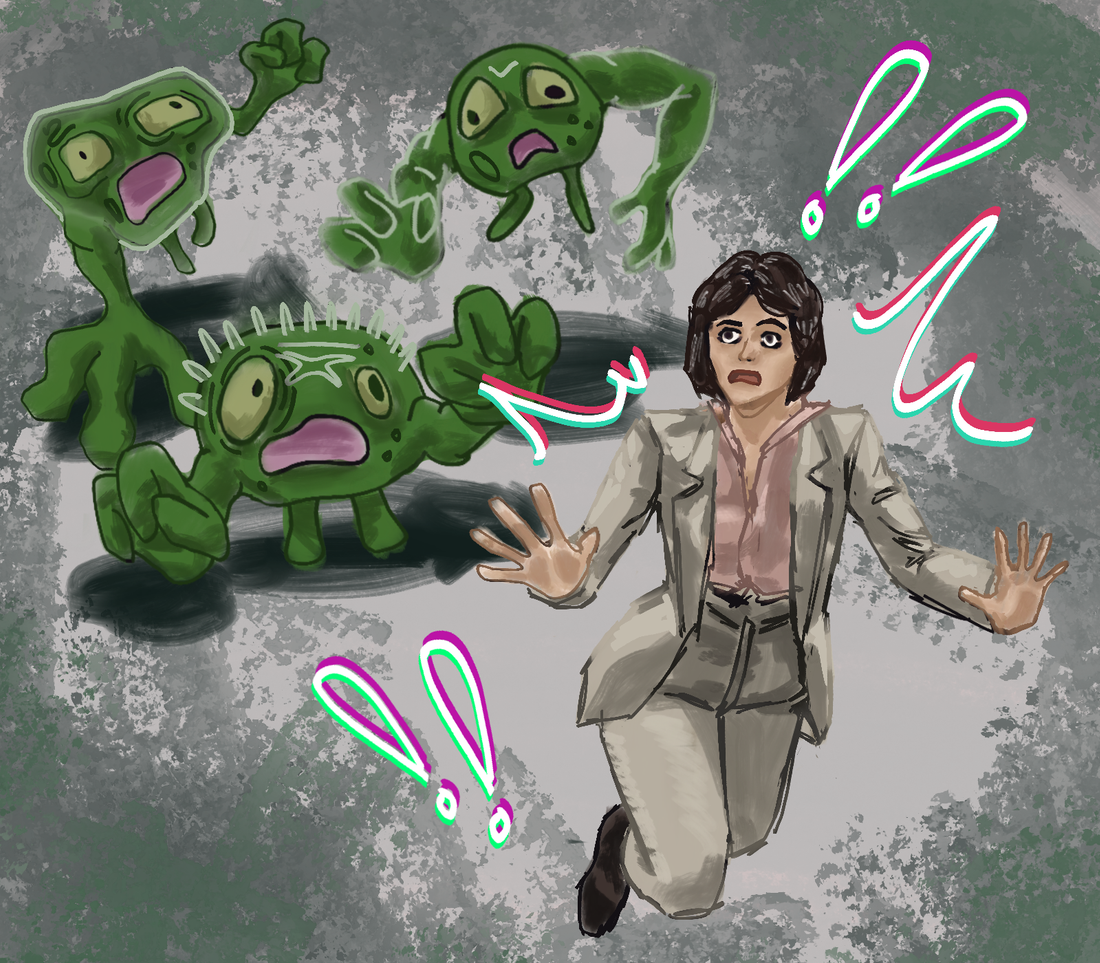
ScienceYou’re Scared of Zombies, But Has Zombie Cell Aging Already Infected You?Zombie cells may sound frightening, but they are actually a very normal part of human physiology; nonetheless, they contribute to several health conditions.By Azwad AkifIssue 6, Volume 117 || 2026-2027By Nathan Louie It’s Halloween night, and you and your friends are officially “too old” to go trick-or-treating. So instead, you challenge each other to sprint to the neighborhood cemetery, only to come face-to-face with a standing body. You take in the sickly-thin figure, the green tinge to their creepy skin, and the bulging eyeballs. It finally clicks: the very creature you believed was mythical now stands less than two feet away from you.As frightening as this sounds, you can rest assured that zombies are, in fact, not real.
This excerpt comes from the named source. Read the original for the full reporting.
Read the original at The Stuyvesant Spectator