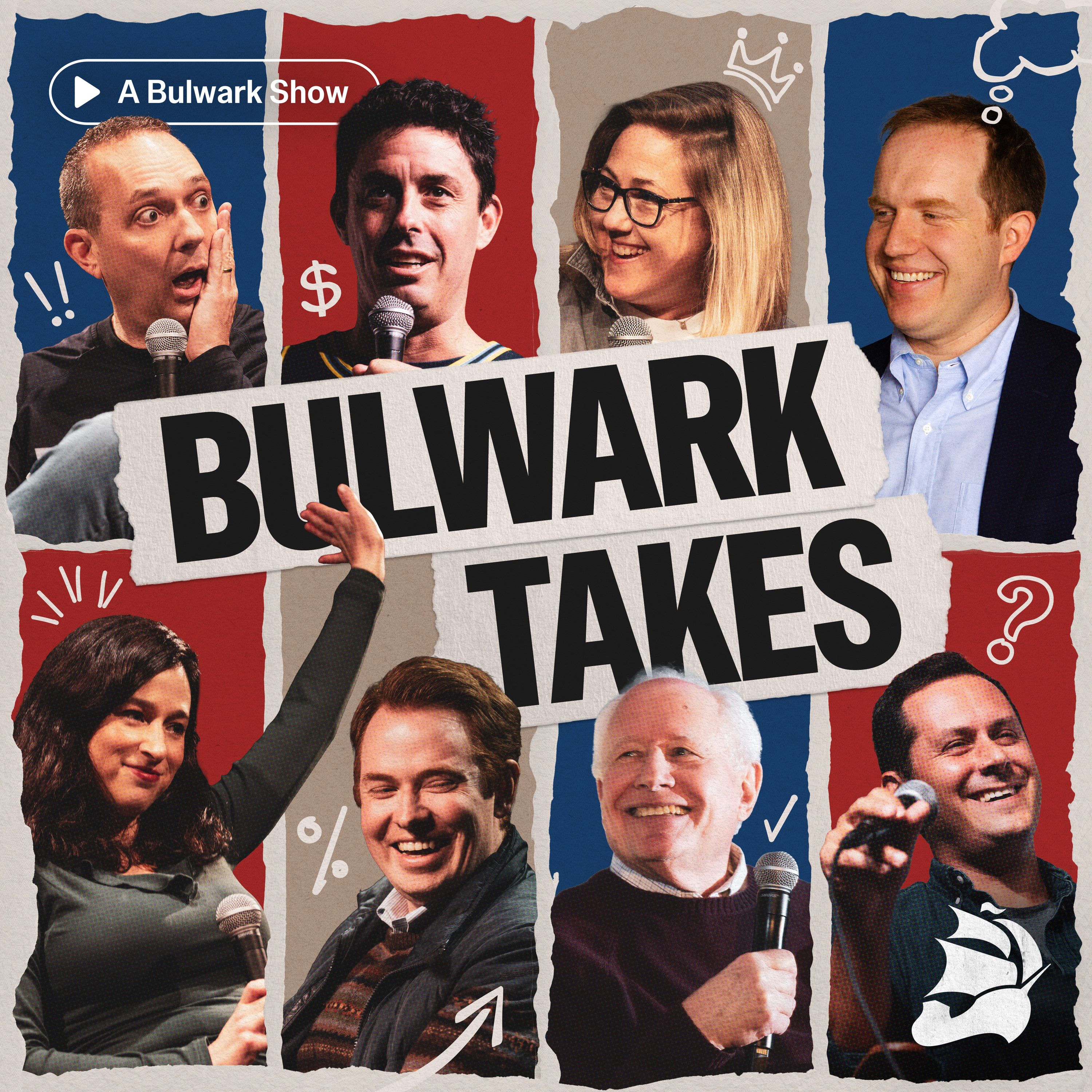
15: Brendan Boyle Has a Warning for Trump’s Project 2025 Mastermind (Plus: Sam Stein)
59 min
Listen through the publisher, then discuss the episode here or arrange an in-person Roundtable. Your city determines where to meet.
Roundtables are designed for groups of four, with a shared subject and room for everyone to speak. Come for discussion, with no dating expectation.
Rep. Brendan Boyle joins Catherine Rampell to discuss what Democrats plan to do if they take back the House, from reversing Trump’s healthcare cuts and tariffs to confronting the economic fallout from his Iran war. Plus Sam Stein and Catherine look ahead to Election Day, Trump's closing economic message, and how rising costs and voters' frustrations over the economy could shape decisions at the polls.
Episode information is provided by the publisher. Listening takes place on the publisher’s service.
Project Synapse: Markets in Freefall, Fragile Infrastructure, and AI's Perfect Storm The hosts banter through the show's intro before focusing on a sense that "things are out of control," citing a WallStreetBets suicide-hotline post amid a market crash and discussing cascading system failures involving Microsoft, the FAA, and a reported NSA internal communications outage. They argue politicians and leadership lack technical competence and clear messaging, increasing panic, while emphasizing that many problems stem from aging, underfunded infrastructure and complex, brittle software (PHP, NGINX, Java), not proven AI attacks—more a "perfect storm" of crises. They debate whether AI should help fix complexity, stressing critical thinking, accountability, and using multiple AIs to verify each other. In a lightning round they cover Anthropic's IPO performance, mixed reactions and token limits with ChatGPT 6.2 (favoring "Sol" over "Astra"), Google's cheaper Neon model and confusing UX, Loblaw
Runaway government spending, rising costs, and a new wave of legal battles over constitutional rights. With Democrats preparing to take control of Congress and several state governments, Republicans are confronting a very different political landscape. John Solomon and Amanda Head welcome Montana Senator-elect Kurt Alme, who says Washington must get serious about reining in spending, lowering inflation, and making everyday life affordable again. Already preparing for his arrival in the Senate, Alme discusses his priorities for protecting Montana's way of life, keeping taxes low, creating good-paying jobs, and working across party lines when possible. He also addresses the challenges Republicans face in the minority, the remaining lame-duck session, and concerns about efforts to expand the Supreme Court and eliminate the filibuster. Then, Southeastern Legal Foundation President Kimberly Hermann joins the show with a warning about potential policy reversals in states where Democrats have
November 20, 2026; 9am: President Trump is set to hold a press conference about his high-stakes meeting with Vladimir Putin and Xi Jinping. What did the U.S. get out of it? Then, the pressure is mounting on Defense Secretary Pete Hegseth as Democrats demand answers about his alleged role in blocking military promotions. Plus, Anthropic makes a historic Wall Street debut, closing out with a nearly 1.8 trillion dollar market cap. What this could mean for the A.I. industry. Paula Reid, Sudeep Reddy, Mychael Schnell, Priya Sridhar, Brendan Greeley, John Harwood, Dr. Vin Gupta and Lisa Rubin join Money Power Politics. Hosted by Simplecast, an AdsWizz company.
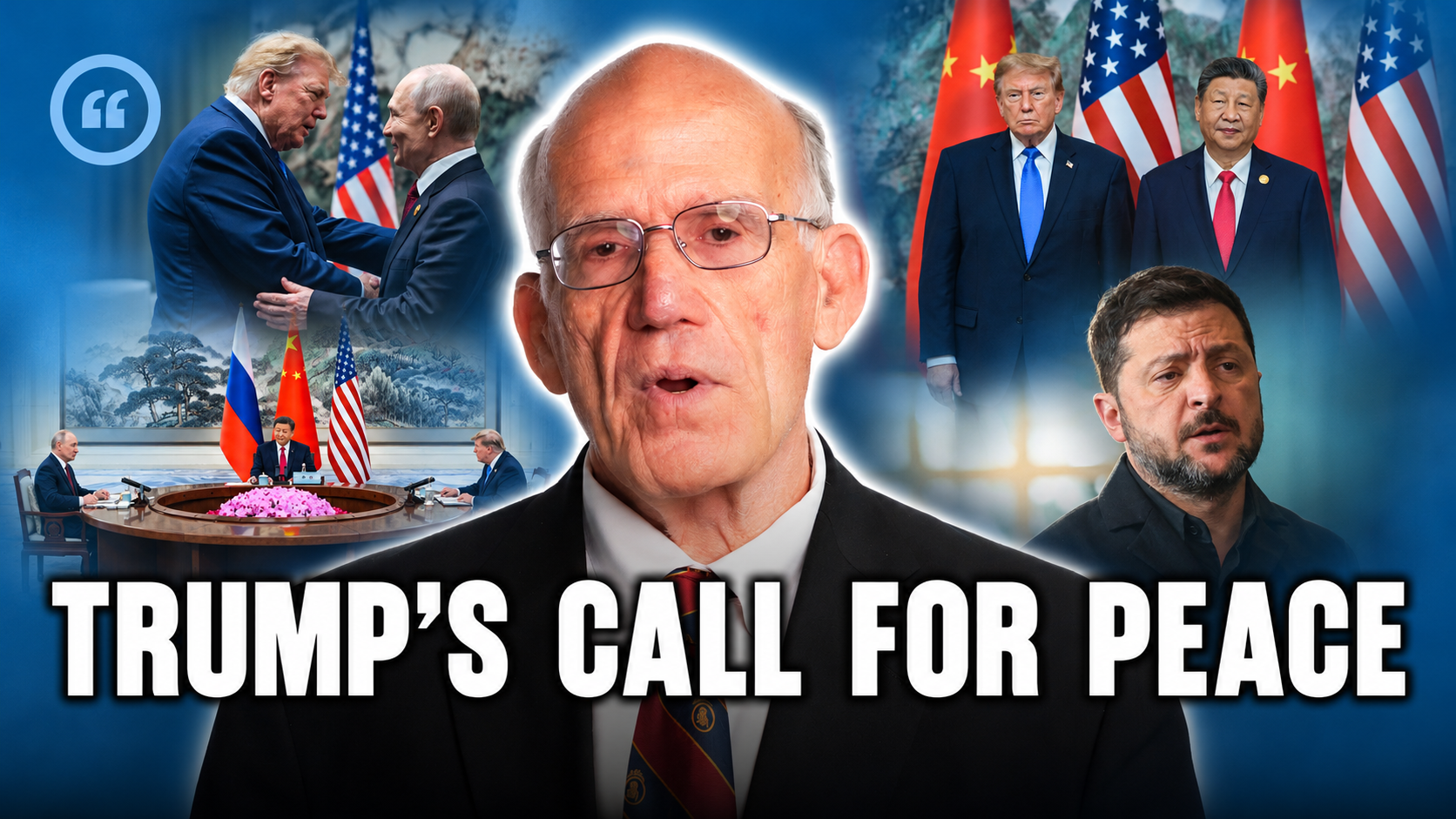
President Donald Trump's first ever trilateral summit with Vladimir Putin and Xi Jinping raises questions about the future of the war in Ukraine and whether a peace agreement could finally be within reach. Victor Davis Hanson and Sami Winc examine the summit on today’s edition of “Victor Davis Hanson: In His Own Words,” discussing Russia's declining influence, potential territorial concessions in Ukraine, and Europe's frustration over Trump's peace negotiations. Hanson criticizes Hillary Clinton's attacks on Trump's diplomacy; he also argues that European leaders have weakened their influence by neglecting defense spending and relying on American military protection. They discuss Elon Musk's shifting political allegiances, and Hanson warns that distancing himself from MAGA may not protect him from Democrat investigations. They also discuss the potential economic benefits of artificial intelligence and the challenges facing Hakeem Jeffries as Democrats prepare to take control of the Hou
Hey everybody, Tom Bilyeu here. On today’s episode of Impact Theory, we’re taking on a topic that’s got the whole world holding its breath: the escalating crisis between the United States and Iran. As tensions ratchet up, we’re asking the tough questions—how did we get stuck in this “escalation trap,” and what does it mean for America’s global leverage, our economy, and our very sense of security? The conversation focused on why the traditional idea of “strategy” might be failing policymakers, using powerful analogies—like chess versus roulette—to show how doubling down in conflict can spiral out of control. We’ll break down the risks of tactical “wins” that create even bigger crises, the real leverage Iran holds with control of the Strait of Hormuz, and the mounting pressure on President Trump as political support erodes and legacy hangs in the balance. A key theme that emerged is what happens when military might runs into decentralized opposition, and why high-stakes gambles—like the
House Republicans have apparently decided to stop showing up for work, leaving Mike Johnson begging his members to return as a government shutdown looms. Catherine Rampell and Joe Perticone discuss the GOP’s disappearing majority, Trump’s trouble getting his nominees confirmed, and a new executive order that Joe calls “mafia-esque” as the White House tries to get ahead of congressional investigations.
Why is Trump defending Nvidia’s ousted CEO amid a Chinese espionage scandal? Catherine Rampell and Andrew Egger follow the money, examining Trump’s financial ties to Nvidia, the escalating feud between Scott Bessent and Howard Lutnick, and the national security implications. Then, former Trump insider Anthony Scaramucci joins Catherine to explain why he thinks Lutnick is still standing, what Trump’s latest moves mean for JD Vance, and why he believes Trump is determined to take the Republican Party down with him.
Scott Bessent publicly throws Howard Lutnick under the bus as the Nvidia scandal widens, raising new questions about Trump’s involvement, potential conflicts of interest, and the national security consequences. Catherine Rampell and JVL follow the money, examine the risks to the broader economy, and discuss rising inflation, Palantir head Alex Karp’s sudden political makeover, and why companies are already cutting ties with Don Jr. after the Democratic midterm victories.
Trump’s billionaire allies may be in for a rude awakening. Catherine Rampell talks with Neera Tanden about what Democrats could discover when they start investigating the Trump administration, why corporate America may have some explaining to do, and what the election means for MAGA’s future. Plus, billionaire investor John Arnold explains how Trump’s attacks on clean energy are driving up costs—and how a bipartisan deal could finally put a stop to them. Give the gift of quality this holiday season with Quince! Shop premium cashmere, cozy outerwear, beautiful jewelry, and everyday essentials at prices 50–80% less than similar brands. Download the Quince app for exclusive offers, or visit https://www.quince.com/catherine for free shipping and 365-day returns. Now available in Canada and the UK, too! When Quince asks where you heard about them, let them know it was Receipts.
Major sporting events should offer ways for people with limited budgets to take part.
Share your view, then see how readers voted. No sign-in required. This poll is shared across stories.
Do you agree or disagree?
Common Quandary
A Common Quandary to discuss
Another conversation to explore, separate from this news story.
Your teenager locks you out of their phone. When is it okay to look?
Your usually outgoing sixteen-year-old has withdrawn and stopped seeing friends. They insist they are fine and refuse to talk. You know their phone passcode and could read their messages without being discovered.
How serious must a fear be before protection outranks privacy?