The Nasdaq 100 surged 6.9% and the S&P 500 gained 4.7% on Monday after Nvidia reinstated Jensen Huang as its CEO. Nvidia shares surged 31.5% after the company's board reinstated its ousted chief, stating that authorities in the US government confirmed that Huang did not impose threats to national security, signaling that the company would not be liable to threats. Concerns of sanctions against the company were rising amid reports that Worldspeed, whose executive Alice Huang was allegedly a Chinese intelligence agent, brokered deals of embargoed Nvidia chips to Chinese clients. Micron surged 19% and Marvell soared 18.4%, while Applied Materials climbed 14.6% and Lam Research jumped 14.4%. This triggered a rebound in the tech stocks amid Nvidia's risks, higher interest rates by the Fed, lower data center development due to a Democratic-run Congress, and a record IPO from Anthropic drying liquidity for tech investors. CrowdStrike sank 8.9% after agreeing to acquire Zscaler. SPI up 115 - G
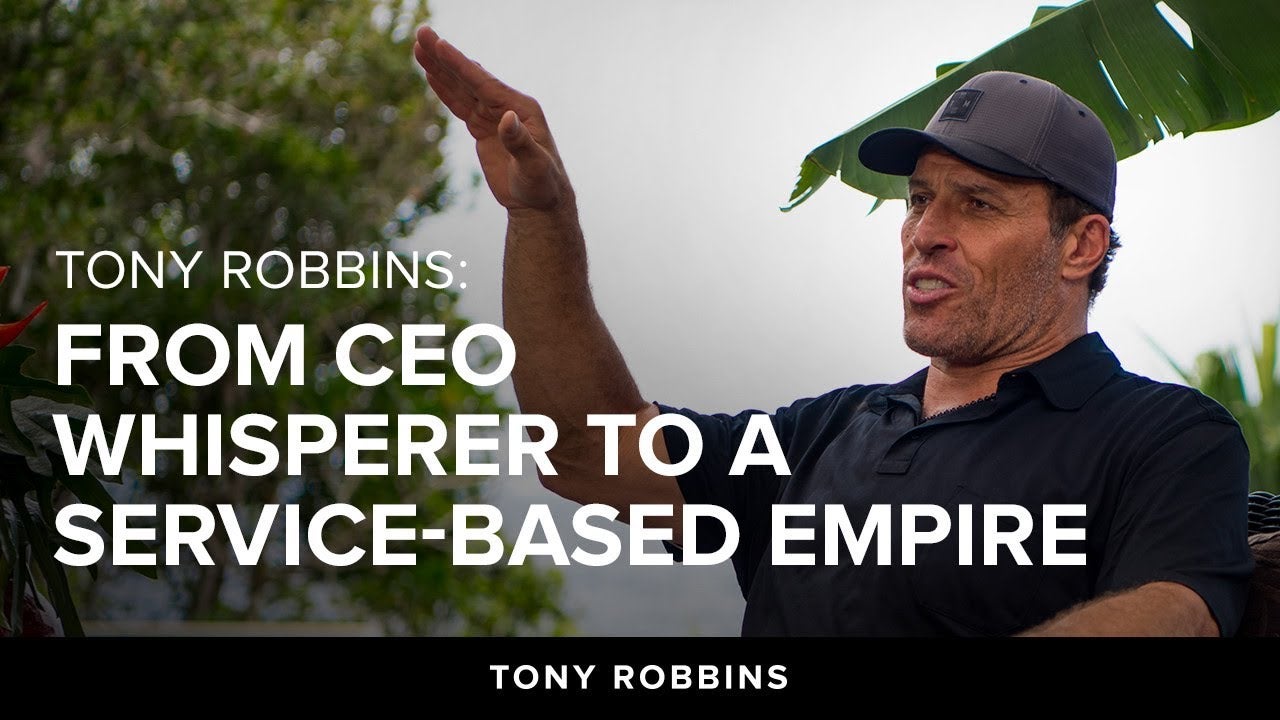
Have you ever wondered how Tony built a $6 billion business empire? Or how his biggest frustrations, and even failures, fueled his success? Uploaded 10-10-19 Business Insider’s Richard Feloni flew to Tony’s Fiji resort Namale for this far-reaching, revealing interview that originally ran on the “Success! How I Did It” podcast. And in this special episode of the Tony Robbins Podcast, you will hear Tony explain just how his tumultuous childhood led to his life’s calling, and how he developed the notion of a “performance coach.” He details what it was like going from a broke teenager to a millionaire with a bestselling book in several short years, and how he dealt with fame and increasing responsibilities. Tony offers insight into his coaching process, and what his daily correspondences with one of his oldest clients, billionaire investor Paul Tudor Jones, are like. The interview offers insight into how Robbins has quietly built a $6 billion business empire, and why he’s constantly pushin
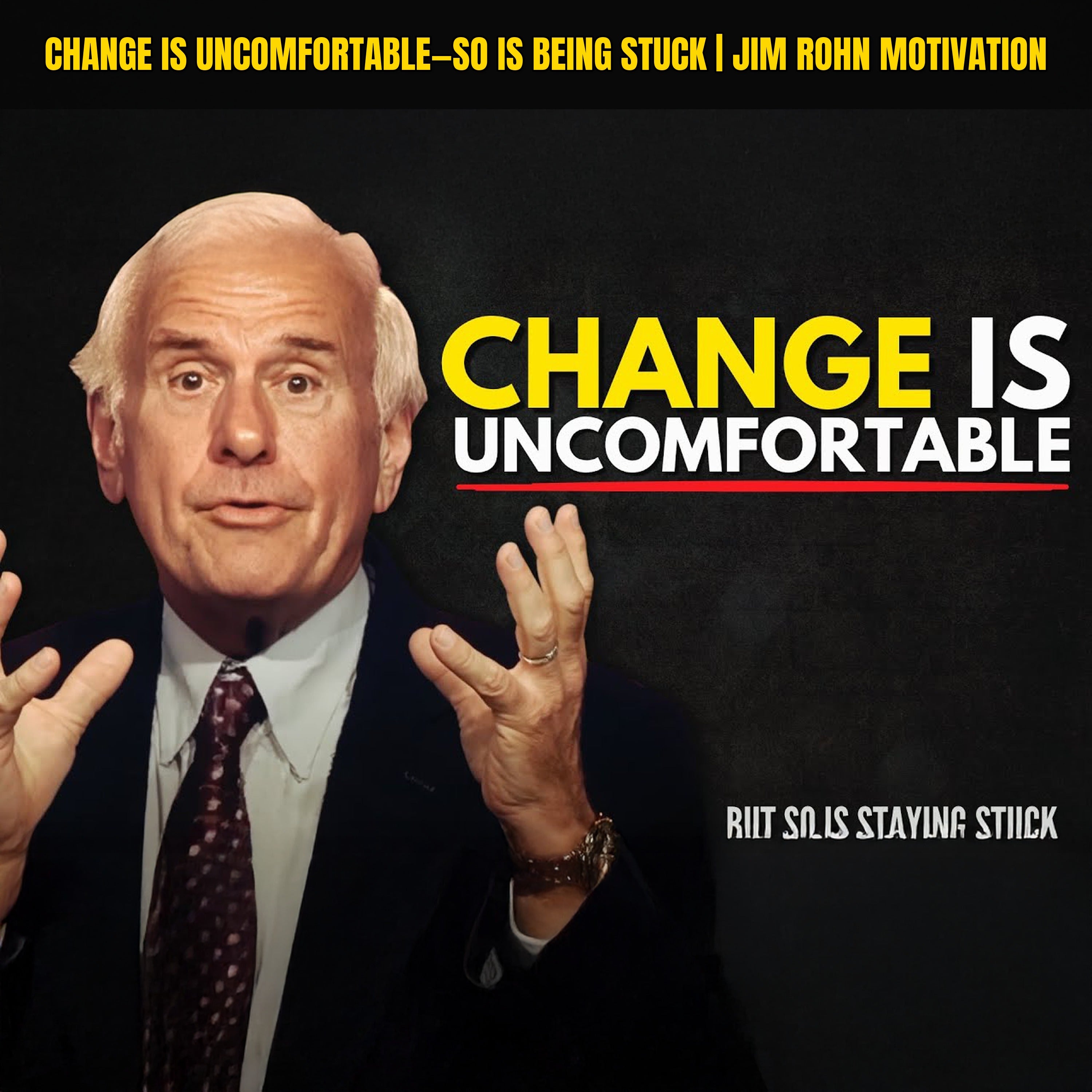
In this Jim Rohn Motivation speech, discover why avoiding discomfort is an illusion—and how to use resistance, decisive identity, and steady action to break free from being stuck. Learn why waiting to feel ready keeps you in place and how choosing who you are—before the world tests you—sets you up for lasting success. Key Topics From This Motivational speech: Why avoiding discomfort only trades one kind of pain for another The hidden cost of staying in your comfort zone How resistance is the pathway—not the obstacle—to growth Why identity-based decisions outlast motivation The secret to building unshakable consistency This powerful message reveals that stuckness isn’t neutral—it has gravity. Every day you wait, the cost builds, and your belief shrinks. But the moment you move, no matter how small, you weaken that grip and reclaim momentum. The key isn’t perfect conditions—it’s decisive identity. When you know who you are, you stop negotiating with moods and start living in alignment. T
Almost half of Australian adults are going without healthcare they need as household budgets come under pressure. Rising living costs are forcing Australians to make difficult choices about their health, with almost half going without care they need. Dr Elizabeth Deveny, CEO of Consumers Health Forum, talks about the growing affordability crisis and what needs to change. Plus, Piers Bolger, Chief Investment Officer at Infinity Asset Management, explains why Australian shares have avoided the worst of Wall Street's technology sell-off, and what Wednesday's inflation figures could mean for interest rates and investors. In this episode: Why almost half of Australian adults are going without healthcare they need, including dental treatment, prescriptions and medical tests. How rising living costs are creating a divide in access to healthcare, and what could make treatment more affordable. Why Australia's sharemarket has held up better than Wall Street despite a sharp sell-off in technology
The best deal of the holiday season is walking into January with your budget still intact. Joe Saul-Sehy, OG, and Doug kick off Thanksgiving week with returning guest Regina Conway of Slickdeals, who shares what her community of deal hunters votes the best of the best. Then the trio build a holiday budget that leaves room for the fun, and play a round of Deal or No Deal to test whether a sale is saving you money or just giving you permission to spend more. What You'll Walk Away With Why waiting for a better price often backfires, and when it actually pays to hold off How Black Friday, Cyber Monday, and "cyber week" have blurred together, and what that means for your timing Which categories tend to have the strongest deals, from toys and books to tools and everyday essentials Why a holiday gift is often the best way to stock up on things you would buy anyway How to check a too-good-to-be-true TV deal before it ends up on your wall How to start with your total number first, then divide i
You know the work is useful. Then it is time to name the price, and you start apologizing. What would change if you treated the conversation as a fair exchange? In this episode of The Level Up Podcast, Paul Alex breaks down how to present a useful offer clearly while respecting both your work and the customer’s decision. Paul draws on the communication and sales skills he began developing at Ecolab. Explaining value is something you can learn, even if being outgoing does not come naturally to you. Begin with the person’s needs, what you provide, and what it costs. Give them room to consider the offer and say no. Feeling uncomfortable does not require pressure or an apology. It gives you a specific part of the conversation to practice. In this episode, you’ll learn: • How to connect an offer to the need the other person actually has. • Why stating a price clearly supports an informed decision. • How to respect a customer’s choice without minimizing your work. • What to practice before a
What if the clients other agents turn away are the key to building a 700+ transaction real estate business? Devin Resendez built his business around one mission: Help people who have been told no, get to yes. After starting his career working long shifts in a freezer, Devin entered real estate in 2016 and sold 72 homes in his first year. Today, he leads a team that closes more than 700 transactions a year by serving buyers that many agents overlook. We sit down with Devin to break down how he turns online leads into loyal clients, builds trust before asking tough questions and runs a high-volume business with a 26.6% profit margin. He shares why meeting buyers face to face matters, how his team creates a consistent client experience and why serving a specific market can lead to massive growth. If you've ever wondered how to turn cold leads into closings without chasing luxury price points, this episode is packed with strategies you can put to work today. Resources: The Emery Group (htt
What if you could run a $40 million real estate business, keep up to 76% in profit and take two days off every week? Alison Simon is proving it's possible. As a solo agent in the Philadelphia market, she's built a highly profitable business with a team focused on administrative support, allowing her to spend more time doing what she loves, both in real estate and at home. We sit down with Alison to break down her entire business model, from hiring her first assistant to building a support team that handles listings, showings, and daily operations. She shares the seven hiring mistakes she made, why the right operations partner changed everything, and how agents can start using leverage without breaking the bank. If you're ready to stop doing everything yourself, protect your time and build a business that works for your life, this episode is for you. Resources: Alison Simon's hiring and leverage training registration (https://us02web.zoom.us/meeting/register/bKzrbTOjT8-gjpA_BFTgxw) Webs
New owners should honor commitments to people who already depend on a business or property.
Share your view, then see how readers voted. No sign-in required. This poll is shared across stories.
Do you agree or disagree?
Common Quandary
A Common Quandary to discuss
Another conversation to explore, separate from this news story.
Your anonymous review could cost a coworker a promotion. Do you sign your name?
A company requests anonymous feedback about a colleague being considered for promotion. You have serious concerns based on direct experience, but anonymity prevents them from asking questions or understanding the context of your criticism.
Does honest criticism require accepting personal accountability for it?