Listen through the publisher, then discuss the episode here or arrange an in-person Roundtable. Your city determines where to meet.
Roundtables are designed for groups of four, with a shared subject and room for everyone to speak. Come for discussion, with no dating expectation.
p 171: Peter Hogan This week on DogTorque, Laura McKillop and Daniel Camilleri sit down with Peter Hogan, a stockman, trialler and breeder from Glencoe in the New England, just south of Glen Innes. Peter has had dogs since he was a kid, spent ten years training them full time for other people, and is one of the handlers behind the Glen Innes working dog sale, now in its fifteenth year. In this episode we chat about: Growing up in a tin shed at Coleambally when the irrigation area was first balloted, and the road from there to the top of the range Learning to train dogs out of a book, because there were no schools and nobody offered advice at a trial back then The four-week program he built for client dogs, and why he reckons discipline, respect and manners come before anything else The $14,000 auction dog that came back to him ten months later, and what actually went wrong His pig dogs, and why they might be his favourite dogs in the kennel Where he thinks yard trialling is heading, speed trials versus stockmanship, and the standards he’d like to see in the lower grades Peter doesn’t dress much up, and whether you’re starting your first pup or thinking about what you’d pay for a trained dog, there’s plenty in here worth chewing over. Enjoying DogTorque? Follow the show, leave us a rating and share it with a mate who loves working dogs.
Episode information is provided by the publisher. Listening takes place on the publisher’s service.
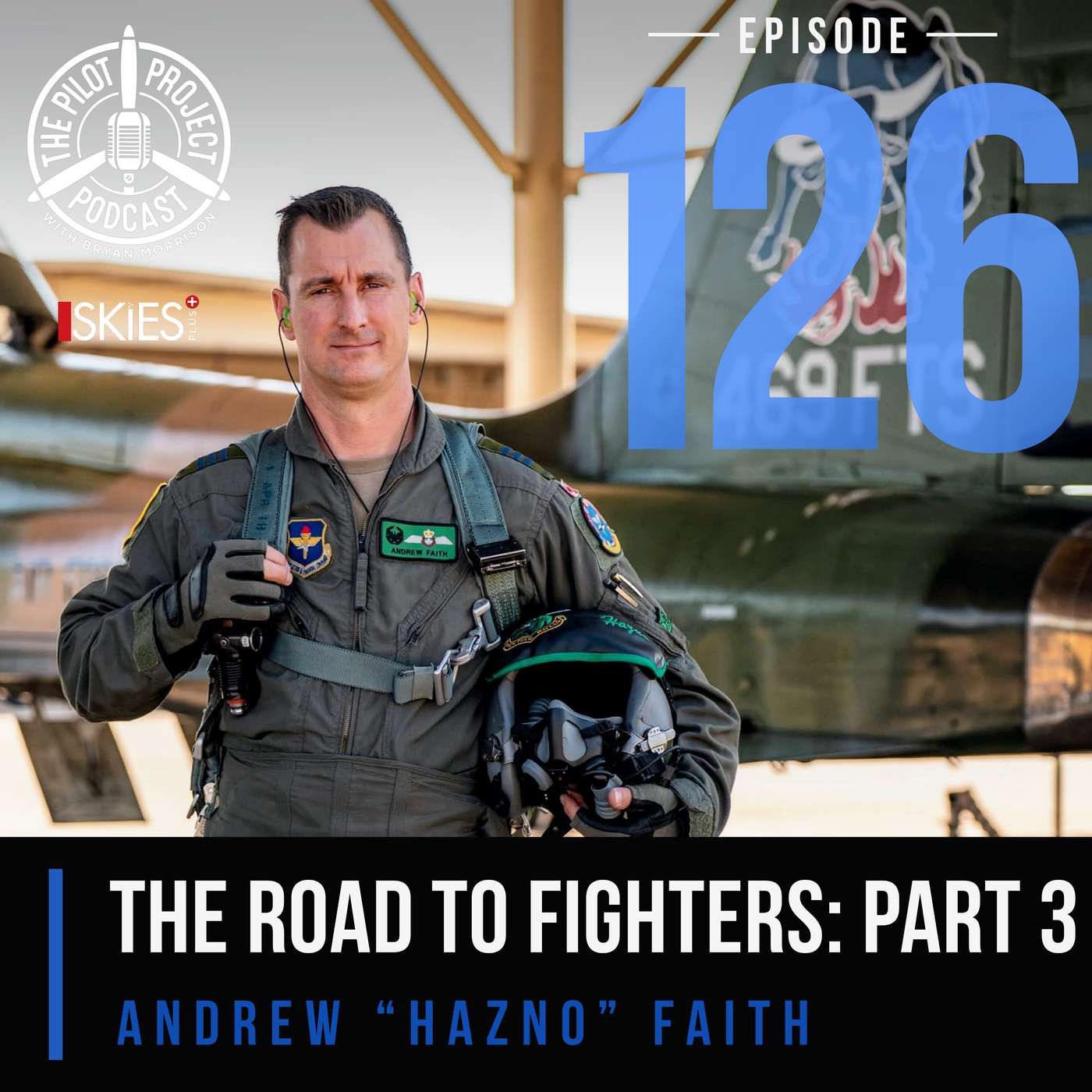
What does it take to prepare the next generation of fighter pilots for combat? In Part 3 of The Road to Fighters, Lieutenant-Colonel Andrew “Hazno” Faith takes us inside the world of military flying training, multinational exercises, and squadron command. Drawing on his CF-18 combat experience, Hazno explains how MAPLE FLAG prepares aircrews for the realities of war, the challenges of instructing on the Harvard II and Hawk, and what makes a great flying instructor. We explore the Euro-NATO Joint Jet Pilot Training program at Sheppard Air Force Base, where Hazno became the first Canadian to command the 469th Flying Training Squadron, and why he believes commanders need to stay in the cockpit. Hazno also shares his approach to leadership, building trust while maintaining standards, and the difficult decision to turn down his dream posting for the sake of his family. It's a conversation about developing future warriors while remembering the people behind the uniform. (00:00:00) Introducti
If you moved to a new place with nothing but bare dirt, what would you plant first? This week I share the first five things I'd grow if I had to start again, and more importantly, the checklist I use to choose them. It's not about the biggest yield. It's about what your family actually eats, what's reliable, what's worth the space and what earns its place in your trolley budget. WHAT'S IN THIS EPISODE - The next 5-Day Ditch The Store Challenge: 23 to 27 November in the Skool community, and how it works (one pantry staple, one protein, one cleaning product and one fruit and veg, with a short video each day) - Why I left chickens off the list, and why this list is for anyone starting from bare dirt - Step one: go through your shopping list and write down 10 possible crops, based on what you buy the most of and what's practical to grow in your climate - The six-box checklist: your family eats it, it's reasonably reliable, it's productive, it's expensive enough at the supermarket to be wor
A year ago, Brett couldn’t see himself selling any of his Colts Prizm Black Finite 1/1s. Then he sent several to auction and kept both of his Shaquille Leonard cards. The cards he kept helped him understand why he was ready to sell the others. On this flagship episode of Stacking Slabs, Brett talks through how he went from chasing the parallel to keeping the players he cared about, why studying Panini basketball changed his mind about Tyrese Haliburton’s Kings cards, and how he weighs selling a 1/1 he might never get back. It comes down to a question any collector can ask. If this card came up for sale today, would you buy it again? Check out the awesome software that InfernoRed Technology (https://infernored.com/) can build for you. Get your free copy of Collecting For Keeps: Finding Meaning In A Hobby Built On Hype (https://subscribepage.io/CollectingForKeeps) Start your 7 day free trial of Stacking Slabs Patreon Today (https://patreon.com/StackingSlabs) [Distributed on Sunday] Sign
A 7% drop in Australian wine exports doesn’t sound huge until you put it next to the reality of a small local market and a massive national crush. We dig into what’s driving the latest numbers, including tariffs and cost pressures in the US, a lift in Canada as US wine disappears from government-controlled shelves, and why China’s “restocking” story is more complicated than the headlines. We also talk about the uncomfortable truth that a big slice of what we export is bulk wine, which can be cheaper and lower carbon, but can also mean less control over the final bottle and the way your wine shows up for consumers. Then we compare how the major wine states are responding to the squeeze and why their approaches barely resemble each other. South Australia throws serious money at oversupply and vineyard transition, while New South Wales focuses on tourism and consumer demand, Tasmania doubles down on premium, and Victoria prioritises efficiency, risk management, biosecurity and sustainabil
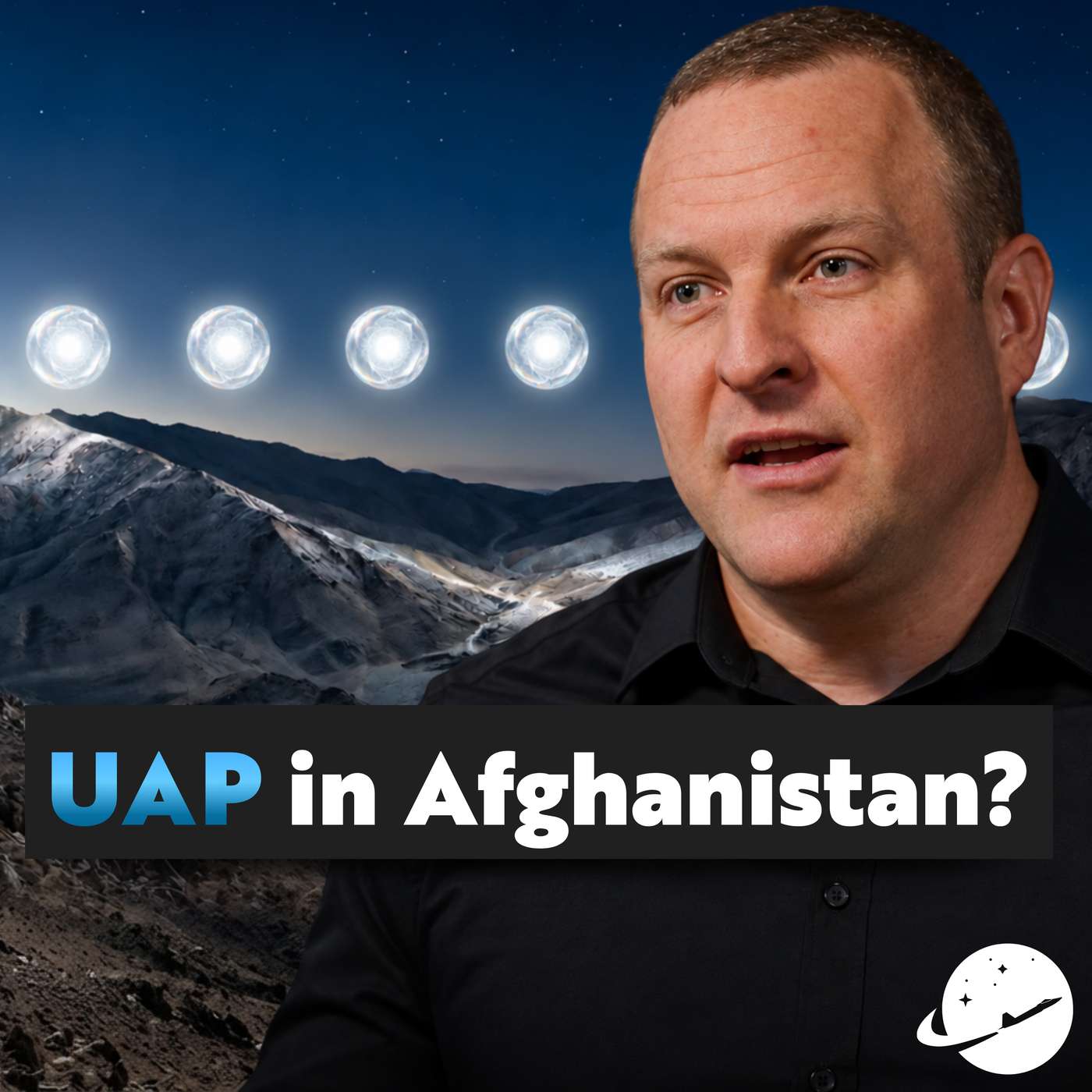
Afghanistan, 2010: A Marine patrol on a mountain observation post watched one light split into a perfectly spaced line of nine, then merge back into one. Leaving him and his patrol with many unanswered questions. ️ Report your own sighting: https://safeaerospace.org (https://safeaerospace.org/) In late February 2010, Marine Corporal Peter Marinello was leading a 19-man patrol on an observation post in Farah Province, Afghanistan. Around 2 a.m., his perimeter radioed in suspicious lights to the southwest. What followed was roughly an hour and a half of something none of them could explain. A single bright light, visible only through NVGs and with no thermal signature, stopped in between mountains about 13 km away. It split into three, then five, seven, and nine lights, all in perfect synchronization. Then it merged back into one and disappeared behind the terrain. Host Ryan Graves walks through the sighting step by step with Peter: how they ruled out vehicles, aircraft, and friendly uni
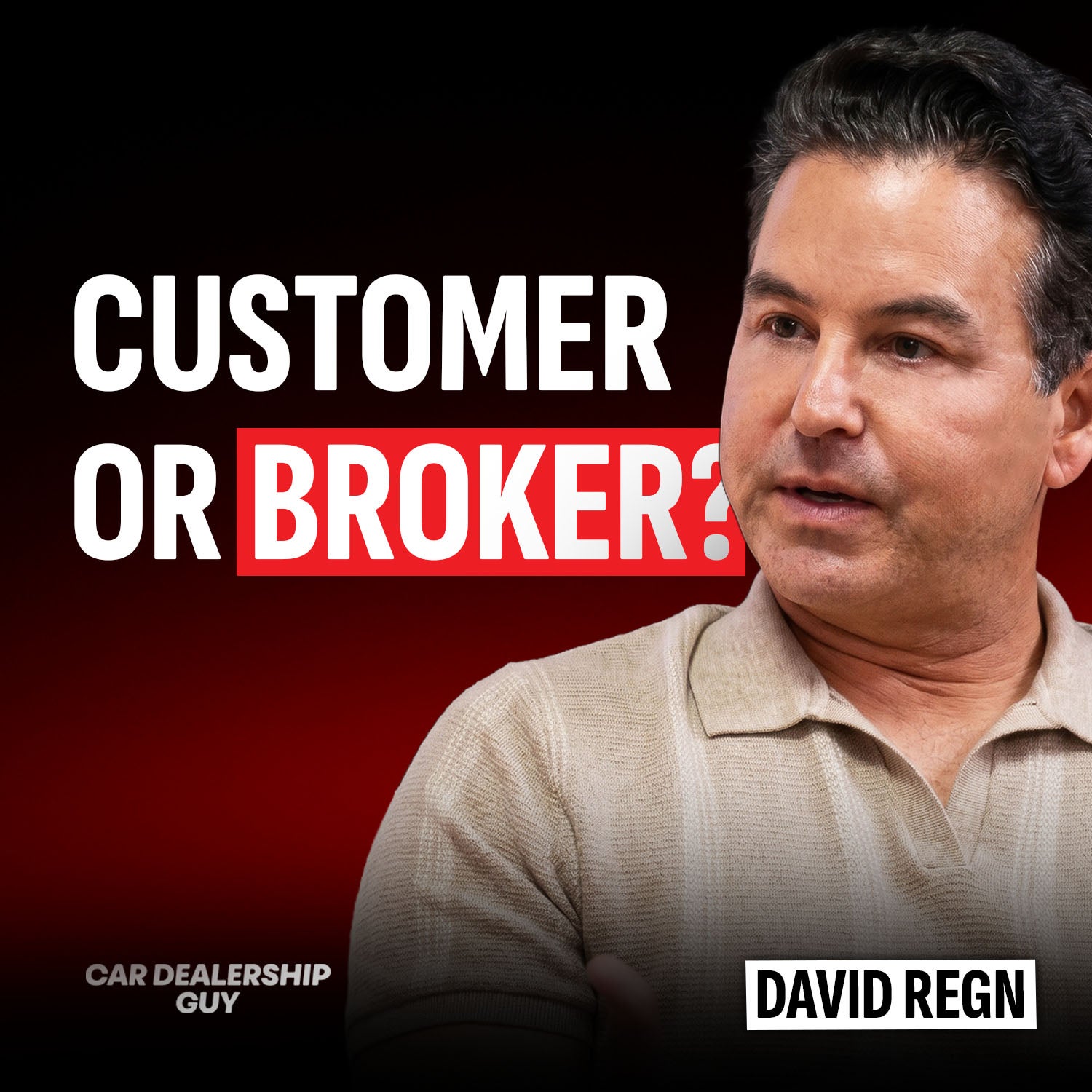
David Regn submitted one online inquiry to a dealer group with hundreds of stores, asking if the car was available, what the out-the-door price was, and whether he could buy online, and got back 36 text messages from four different people, at least two of them AI, without a single answer to his question. He says that's the real risk as AI shopping agents arrive: United and Amazon have already blocked them from making purchases, and if an agent starts shopping cars on a buyer's behalf, dealers have to ask whether it's a customer or just a new kind of broker. He believes agents could level the playing field for dealers or commoditize them even further, and the stores that win will be obsessed with the customer experience, not the click count. David Regn is the CEO of Stream Companies, the marketing agency he founded and has led for 30 years, working with thousands of dealers since before dealerships had email or websites. He has taken the company through the financial crisis, COVID, and
Residents should help decide which activities are allowed in shared public spaces.
Share your view, then see how readers voted. No sign-in required. This poll is shared across stories.
Do you agree or disagree?
Common Quandary
A Common Quandary to discuss
Another conversation to explore, separate from this news story.
An outsider becomes famous cooking another culture's food. Appreciation or taking over?
A chef becomes known for food from a culture outside their own after years of study with respected cooks. The restaurant is successful, while small businesses run by people from that culture struggle for attention.
When does appreciation become taking opportunity from the people who created a tradition?