Listen through the publisher, then discuss the episode here or arrange an in-person Roundtable. Your city determines where to meet.
Roundtables are designed for groups of four, with a shared subject and room for everyone to speak. Come for discussion, with no dating expectation.
2 Kings 7 tells the story of four lepers who discover that the Aramean army has abandoned its camp, leaving behind the food and resources needed to rescue Israel from a devastating famine. What began with an angelic army protecting one prophet became God's provision for an entire nation. But the lepers' greatest lesson came when they realized they couldn't keep the good news to themselves. Like them, we have been given the Bread of Life, and we are called to take the good news of Jesus into a world experiencing spiritual famine.
Episode information is provided by the publisher. Listening takes place on the publisher’s service.
Naaman was a respected military commander, a powerful man with influence and achievements, but he had leprosy, something his status could not fix. When he heard that a prophet in Israel could heal him, he travelled expecting a grand encounter. Instead, Elisha sent a messenger with a simple instruction: wash seven times in the Jordan River. Naaman became angry. He expected something more impressive and considered the river beneath him. Every contribution counts. Thank you for being part of our journey!
TopLobsta, David Lee Corbo (The Raven) and Matttttt Hepner sit down in the studio to recap TrutherCon 2026 in Dallas — their Skiba News Nation experience after a weekend of panels, podcasts, listeners, and a few moments they cannot shake. The squad flew in a day early to help Jeremiah Skiba load in, wound through a hotel loading-dock maze, and spent hours walking the commercial stretch of Dallas waiting for rooms to open. Once the event started, they call it a class act: organized, on time, good food, and filling up with NDS listeners they call dangerous retards. Autographs and photos in a room of a hundred people made Elijah Shafer think they were famous. Walk outside the hotel, they joke, and you are not famous anymore. They walk through who showed and what stood out. Andrew held down the podcast room and helped Jeremiah keep the machinery running — even if he took the wrong turn at the loading dock twice and got asked how much he smokes. They hung out with Ed Mabrie, John Pounders,
Why does Allah allow good people to suffer? When hardship enters your life, does it mean Allah is displeased with you, or could your struggles be bringing you closer to Him? Every believer experiences moments of pain, loss, uncertainty, and heartbreak. But in Islam, suffering is not necessarily a sign of Allah's anger, and experiencing sadness does not mean your faith is weak. In this powerful and comforting Islamic lecture, Ustadh Reece explores the deeper wisdom behind life's difficulties, the true meaning of Sabr, and how Muslims can remain connected to Allah ﷻ during their hardest moments. Through lessons from the Qur'an, authentic Hadith, and the lives of the Prophets, this reminder explores: - Why Allah tests those who believe in Him - How hardship can become a means of spiritual growth - What Prophet Muhammad ﷺ taught us about grief and sadness - The patience and beautiful du'a of Prophet Ayyub (AS) - How the story of Prophet Yusuf (AS) reveals Allah's wisdom - Why both blessing
Growing up in Peru, a brother and sister decided to experiment with a homemade Ouija board, despite their father's warnings. He had made it clear that he didn't want them bringing ghosts into his house. But they ignored him, and after their session was unexpectedly interrupted, strange things began happening. Parts of the house developed an unsettling atmosphere, unexplained noises became increasingly common, and the family experienced a series of troubling events. Eventually, the siblings moved away, leaving their father living there alone. That's when he began reporting visits from a mysterious man who appeared in his bedroom night after night. Rather than being frightened, he started treating the apparition almost like a friend. But something eventually convinced him that his visitor had far more sinister intentions. Had the family's Ouija board experiment opened the door to a spirit that didn't want to leave? #RealGhostStoriesOnline #TrueGhostStories #OuijaBoard #OuijaBoardStories
The Teapot by Hans Christian Andersen — A Short Calming Bedtime Story for Sleep & Insomnia | Books at Bedtime Drift off to sleep with The Teapot by Hans Christian Andersen, a short and gentle fairy tale read aloud by Martin Hewlett on Books at Bedtime, the sleep story series from Calming Anxiety. A proud porcelain teapot rules the tea table. The cups have their handles and the sugar bowl its lid, but the teapot has both, and a spout besides, and it believes that makes it the queen of the tea table. Then one afternoon a delicate but awkward hand lifts it, and the teapot falls. The spout snaps off, the handle snaps off, and everybody laughs at the teapot rather than at the hand that dropped it. Called an invalid and pushed into a corner, the broken teapot is given away to a poor woman, who fills it with earth and plants a flower bulb inside. And there, just as it is, the teapot's better life begins. The bulb becomes its living heart, and as the flower grows and blooms, the teapot forgets
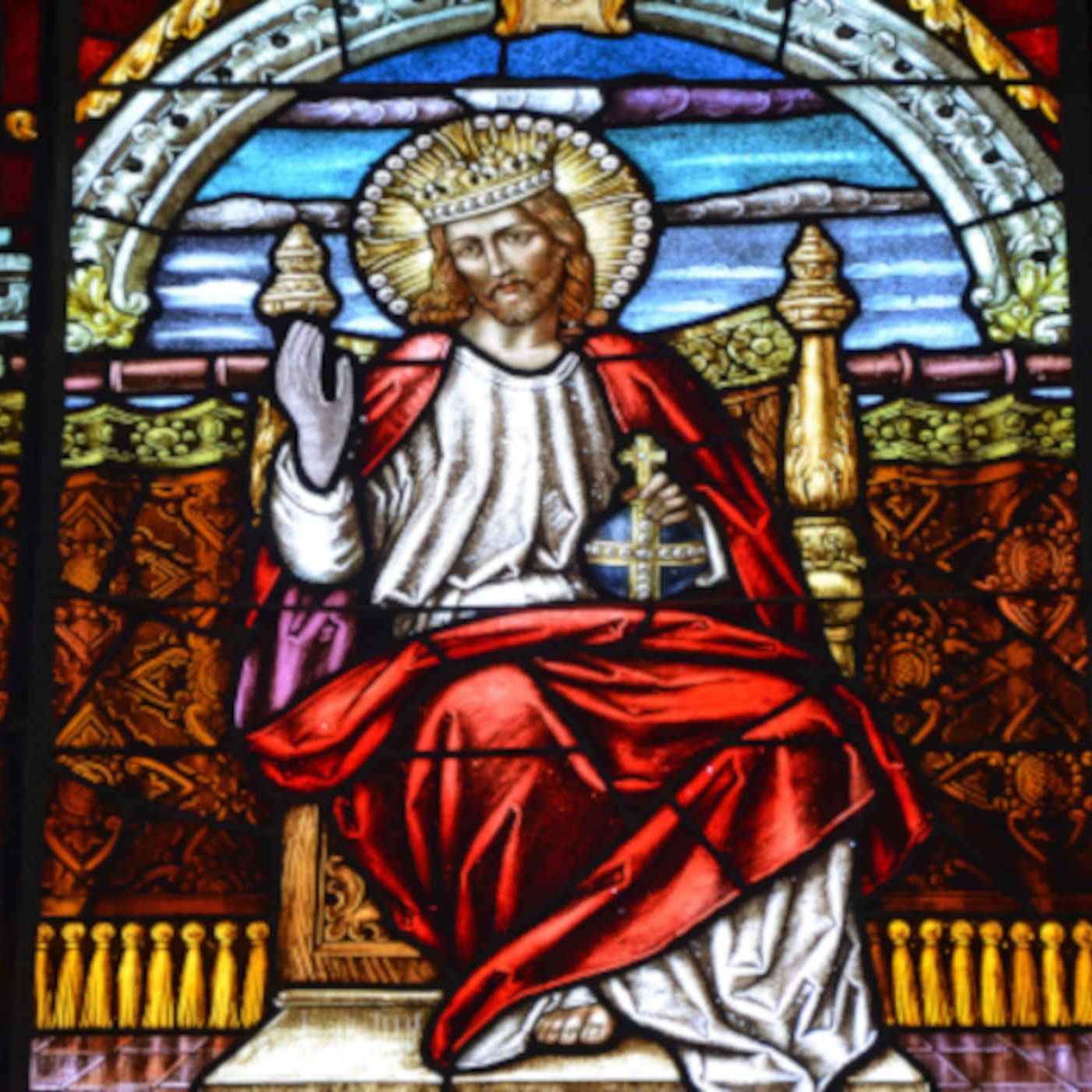
Read Online (https://catholic-daily-reflections.com/2026/11/21/christ-the-universal-king/) Christ the Universal King “Then he will say to those on his left, ‘Depart from me, you accursed, into the eternal fire prepared for the devil and his angels. For I was hungry and you gave me no food, I was thirsty and you gave me no drink, a stranger and you gave me no welcome, naked and you gave me no clothing, ill and in prison, and you did not care for me.’” Matthew 25:41–43 On June 11, 1899, Pope Leo XIII solemnly consecrated the entire human race to the Sacred Heart of Jesus, a moment he regarded as the “great act” of his pontificate. This consecration was rooted in the sacred truth that, “[Christ’s] empire includes not only Catholic nations, not only baptized persons… but also all those who are outside the Christian faith; so that truly the whole of mankind is subject to the power of Jesus Christ” (Annum Sacrum, 3). This prophetic act of entrustment was followed by decades of growing unrest
2 Kings 8 tells the story of the Shunammite woman, who learns that God's provision sometimes requires more than prayer—it requires action. When famine comes, she must leave her home and seek provision in another land. Later, when she needs her property restored, God orchestrates an unexpected meeting with the king. Her story reminds us that faith means trusting God while taking the necessary steps of obedience. Sometimes the miracle is waiting on the other side of the journey. Keep praying, but keep running.
2 Kings 6 tells the story of Elisha, a prophet surrounded by an enemy army but protected by an unseen army of angels. When his servant could only see the enemy, Elisha prayed for God to open his eyes to the greater army surrounding them. This chapter reminds us that what we see in the natural is never the whole picture, and that God's protection is greater than the opposition we face.
2 Kings 5 tells the story of a young Jewish captive who demonstrates extraordinary forgiveness toward the very man responsible for her suffering. Rather than seeking revenge against Naaman, she points him toward the prophet who can heal him. Her compassion reminds us that we look most like Jesus when we forgive, even those who have deeply hurt us.
Public funding for a small group can be justified when the wider community also benefits.
Share your view, then see how readers voted. No sign-in required. This poll is shared across stories.
Do you agree or disagree?
Common Quandary
A Common Quandary to discuss
Another conversation to explore, separate from this news story.
You ignore a friend's message all day while posting online. Do you owe them an explanation?
A friend sends a message that deserves a thoughtful answer. You lack the energy to respond, but spend the day posting jokes and photos. They can see that you are active and eventually ask whether something is wrong.
Does being visibly online create an obligation to be available?