296: Avoidance Feeds Anxiety: When to Make Teens Do Hard Things | Dr. Meredith Elkins
Listen through the publisher, then discuss the episode here or arrange an in-person Roundtable. Your city determines where to meet.
Roundtables are designed for groups of four, with a shared subject and room for everyone to speak. Come for discussion, with no dating expectation.
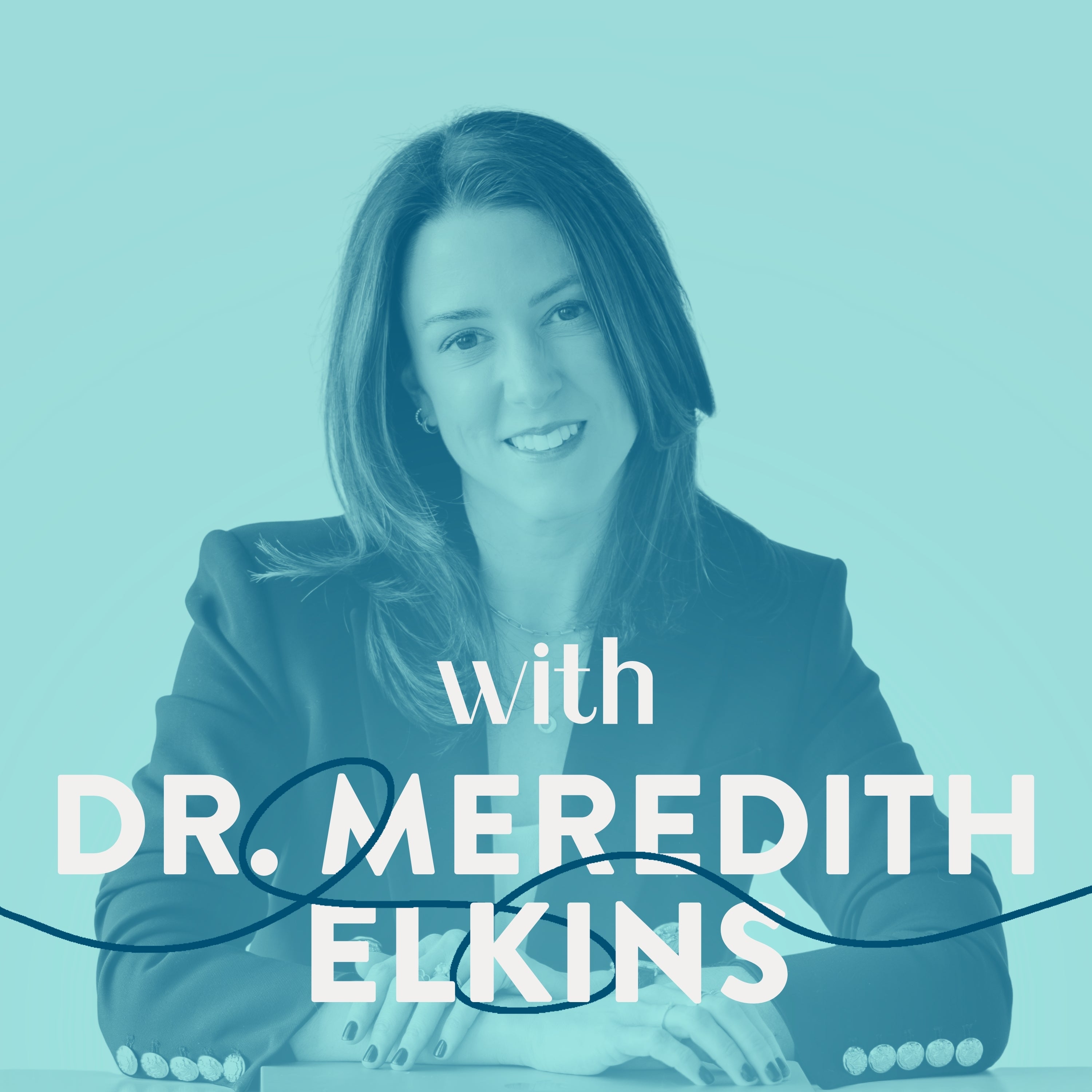
Your teen has asked to be picked up from school early again, and you already know why: they spent lunch hiding in the bathroom, and now they’re dreading tomorrow before today is even over. You’re heartbroken watching your teen hurt, and then the second-guessing kicks in: is rescuing your teen helping, or is it actually making things harder? That’s an exhausting place to be, and it makes sense when parents get there. Here’s the thing: teens are often dealing with real adolescent social worries, but avoidance makes anxiety worse. Every early pickup brings instant relief and takes away a chance to practice facing our fears, so going to school feels even scarier the next time. Dr. Meredith Elkins walks us through how to tell a painful-but-normal rough patch from clinical anxiety that takes over a teen’s life (hint: look at distress, duration, and how much it’s getting in the way). And no, you don’t need your teen to sit down with a therapist tomorrow to fix the situation. We talk about getting guidance from someone who knows anxiety, stepping away from the accommodations that stoke the anxiety, and helping your teen build confidence one doable step at a time. The bottom line: You’re a lot less powerless than you may feel. Dr. Dr. Meredith Elkins is a clinical psychologist and Harvard Medical School faculty member who researches and treats anxiety in children and families, co-directs the McLean Anxiety Mastery Program at McLean Hospital, and is the author of Parenting Anxiety: Breaking the Cycle of Worry and Raising Resilient Kids. Parenting Anxiety: Breaking the Cycle of Worry and Raising Resilient Kids (https://www.penguinrandomhouse.com/books/761140/parenting-anxiety-by-meredith-elkins-phd/) The SPACE Program (https://www.spacetreatment.net/), developed at the Yale Child Study Center More on independence-focused therapy: https://pubmed.ncbi.nlm.nih.gov/38901131/ ________________ GET DR. DAMOUR'S FREE WEEKLY NEWSLETTER DR. DAMOUR'S BESTSELLING BOOKS UNTANGLING 10TO20 MEMBERSHIP VISIT DR. LISA'S WEBSITE → https://drlisadamour.com/ ________________ Today's sponsors: Jones Road Beauty: Use the code ASKLISA for a free full sized Mascara with your first purchase at https://www.jonesroadbeauty.com (https://www.jonesroadbeauty.com/). Shokz: Use code ASKLISA for an exclusive discount on all Shokz products at https://www.shokz.com (https://www.shokz.com/).com ________________ Parenting a tween or teen? Buckle up. Dr. You don't have to have it all figured out. You just have to hit play. ________________ Episode keywords: teen anxiety help, teen school anxiety, teen school refusal, school avoidance in teens, teen social anxiety, teen has no friends, lonely teenager, teen afraid to go to school, anxious teen won’t go to therapy, how to help an anxious teenager, anxiety treatment for teens, exposure therapy for teen anxiety, parent accommodation anxiety, teen anxiety at school, teenager hiding at school, teen avoiding school lunch
Episode information is provided by the publisher. Listening takes place on the publisher’s service.
Listen at the source ↗