3604: Why Do I Feel Like I'm Getting Sick After a Few Days of Exercise on Avoiding Overtraining
8 min
Listen through the publisher, then discuss the episode here or arrange an in-person Roundtable. Your city determines where to meet.
Roundtables are designed for groups of four, with a shared subject and room for everyone to speak. Come for discussion, with no dating expectation.
Get the 200+ Page Optimal Living Daily Workbook (PDF) - Free. Want to turn today's episode into an actionable plan? Episode 3604: Dr. Neal Malik answers a common question from listeners who start a new exercise routine and soon feel like they are coming down with something. He explains why a sudden jump in training can leave the body feeling worn down, and how pacing, rest and recovery help build fitness without overdoing it. It is a grounded look at making healthy habits sustainable from the very first week.
Episode information is provided by the publisher. Listening takes place on the publisher’s service.
If you're training hard but feeling wiped, eating a restricted diet for your gut, or just never hungry after a tough workout, you might not be getting the protein you need. This episode breaks down how much you really need and how to get it without upsetting your gut. YOU'LL TAKEAWAY: Macronutrients and calories 101, and how restrictive diets throw off your balance How your body digests protein, and why it matters before workouts The many roles of protein, from enzymes and iron storage to post-workout appetite How much protein you need, plus 3 easy low FODMAP ways to boost it — RESOURCES & LINKS MENTIONED: ⤵️ Want high touch coaching support for IBS & fuelling performance? Apply for coaching. (http://gutfitnutrition.com/apply) Free Training: How to Control IBS So You Can Fuel Your Training Without a Lifelong Low FODMAP Diet (https://gutfitnutrition.com/heal-ibs-training-live) Supporting your immune system when you're sick (Ep. 70) (https://open.spotify.com/episode/5bCto0jWLcbC5hQW4hrH6
For the days you got through and nobody saw what it took. A quiet place this evening where it counts. About 12 minutes with Steven Webb's calm voice and music underneath. Perfect for the evening. We let the body soften, from the jaw and the eyes down to the belly, because it's been on alert all day. Then we look at what today really cost. Getting up when your body said no. Being kind to someone while you were falling apart inside. Saying "yeah, fine" because where would you even start? There's an old Zen idea I keep coming back to: a thing doesn't need to be seen to be real. The rain falls on an empty field, nobody watches, and it still soaks in. We put the day down for a minute, not away, just down, and finish with three gentle wishes. May the hard days I got through be counted. I've been paralysed a long time, and I know what it can take just to get through the day. You're not doing this on your own. Treat me to a coffee, keep the podcast free, and get my Weekly Calm every Sunday. It
Get the 200+ Page Optimal Living Daily Workbook (PDF) - Free. Want to turn today's episode into an actionable plan? Episode 4232: Chris Guillebeau shares a candid, funny account of his lack of qualifications, from a short-lived dishwashing job to failing his way through statistics and shrink-wrapping pallets. He argues that formal credentials matter far less than people think, and that anyone who builds a good life without them should treat that work with gratitude and diligence. It is an encouraging take on personal development for anyone who has ever felt like an imposter. Read along with the original article(s) here: https://chrisguillebeau.com/qualifications/ Quotes to ponder: "First, forget about what you're actually qualified to do. It's irrelevant and no one cares." "Fourth, when you do find something that works for you, you should be very grateful, every day." "Regardless of your actual qualifications, there's one thing that no one can give you and no one can take away: the wil
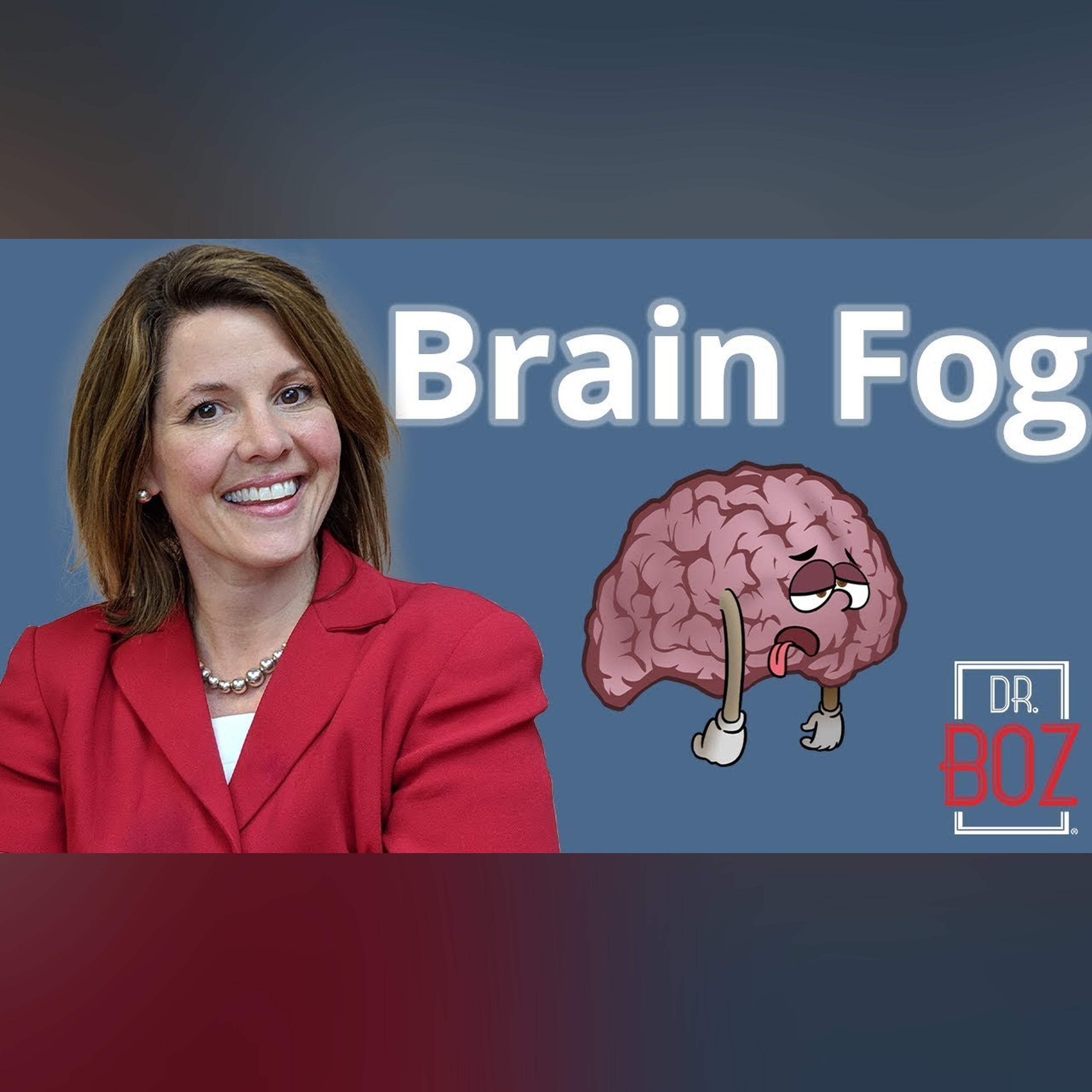
Jennifer is feeling a lot better this week - find out what she did in this week's Keto Consult with Dr Boz and Jennifer Marie. Increasing ketone levels by fasting, an update on Jennifer Marie's menopause symptoms and 3 day sleep protocol results. She even shares some expert #FastingTips! You do not want to miss this week's Keto Consult with Dr. Boz and Jennifer Marie! Learn more about the mental benefits of Keto in my blog: https://bozmd.com/keto-diet-and-brain-health/ Jennifer Marie wrote an article about her role as her husband's caregiver during his sleep 3 day sleep reset protocol -- https://lowcarbinspirations.com/sleep/ Jennifer Marie's Book link: (affiliate link) https://amzn.to/2uuEqt2 Preorder gift: https://lowcarbinspirations.com/preor... JENNIFER MARIE's Recipes: https://lowcarbinspirations.com/ Weekly meal plans: www.mealplanbuddy.com Keto Friendly Recipes Facebook Page: www.facebook.com/ketofriendlyrecipes Low Carb Inspirations Facebook Group: https://www.facebook.com/grou
If you'd like to dive deeper into any of the individual topics we discussed, including BPC-157, Larazotide, and KPV, you can find dedicated deep dives in our Peptides and More library, here: https://staycuriousmetabolism.substack.com/p/peptides For the written companion to this video—including all the references and extra nuances—check out the letter at StayCurious Metabolism, here: https://open.substack.com/pub/staycuriousmetabolism/p/how-to-heal-20-years-of-gut-damage?r=40ekz2&utm_campaign=post&utm_medium=web&showWelcomeOnShare=true (https://open.substack.com/pub/staycuriousmetabolism/p/how-to-heal-20-years-of-gut-damage?r=40ekz2&showWelcomeOnShare=true) try.gotwingspan.com/norwitz Chapters 0:00 – My Gut Health Recovery Story 1:55 – Free Foundational Tools for Gut Health 7:32 – Dietary Principles for a Healthy Gut 12:57 – The Ultimate Peptide Stack for Gut Recovery Description What would I do if I could go back to the day, I was diagnosed with inflammatory bowel disease and start ove
Fear has a way of quietly taking control of your life. It convinces you to stay where you are, avoid difficult conversations, delay decisions, tolerate situations you know aren’t good for you, and settle for a life that is far smaller than the one you are capable of living. In this episode of The Strong Life Project, we explore how fear impacts your thinking, your relationships, your career, your leadership, and ultimately your ability to live a meaningful life. Fear doesn’t always look like panic. Sometimes it looks like procrastination, overthinking, making excuses, people pleasing, avoiding conflict, or constantly waiting for the perfect moment. The problem is that every time you allow fear to make a decision for you, you reinforce the belief that you are incapable of handling what comes next. Over time, this creates a pattern of avoidance that undermines confidence, resilience, emotional strength, and personal growth. Learning to manage fear doesn’t mean becoming fearless. It means
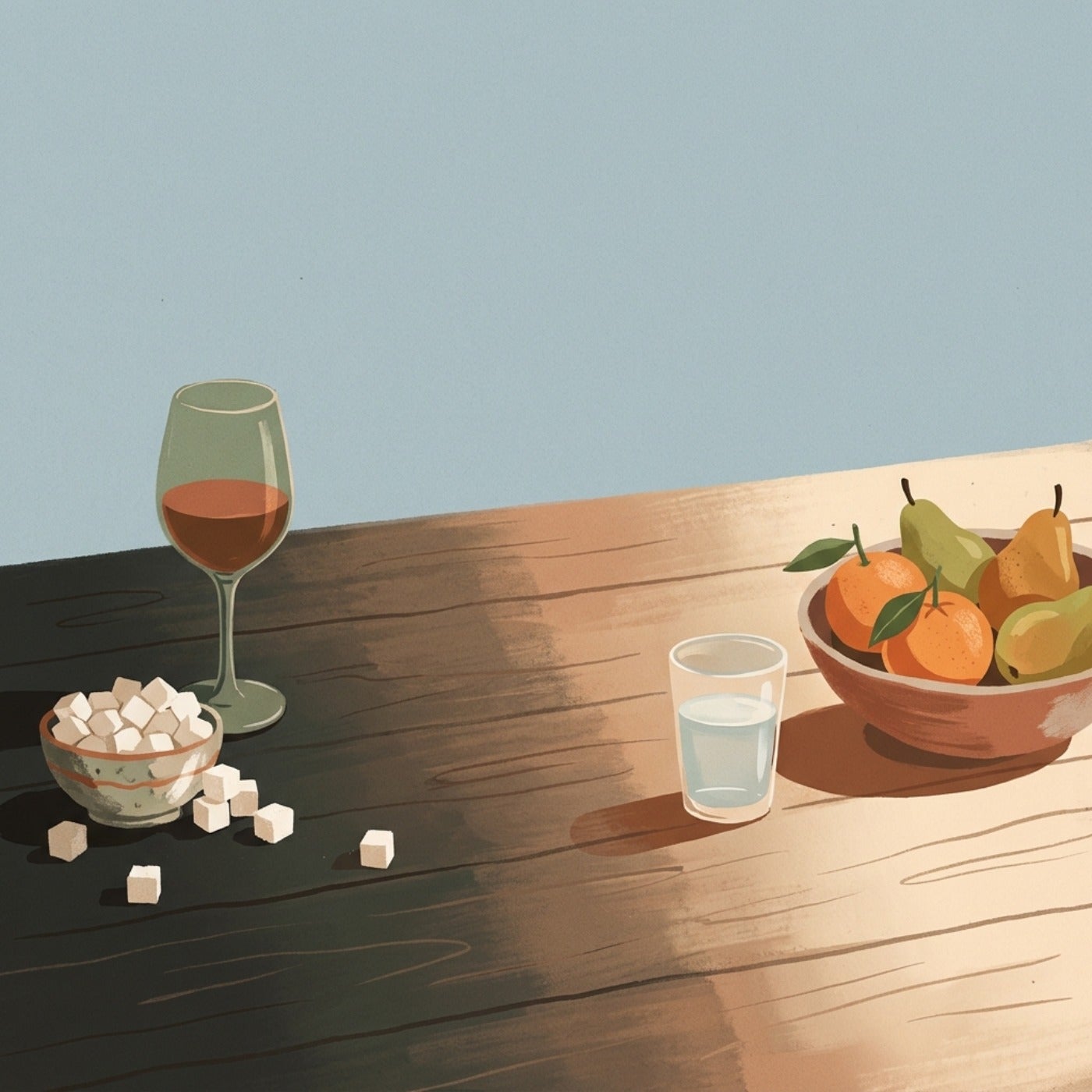
Get the 200+ Page Optimal Living Daily Workbook (PDF) - Free. Want to turn today's episode into an actionable plan? Episode 3615: Becca Shern explains why the common nutrition advice of everything in moderation may not be serving people well. She looks at how heavy marketing and social norms around sugar and alcohol make it easy to overconsume while still feeling moderate, and what the actual recommended limits are. The takeaway is that taking a critical look at what moderation really means, and setting a higher standard, can build healthier habits for ourselves and the people around us. Read along with the original article(s) here: http://minimalwellness.com/reconsideringmoderation/ Quotes to ponder: "Moderation is a squishy term." "Our consumption patterns are dramatically influenced by marketing, but they're also molded by social norms." "Setting a higher standard for ourselves helps others do the same."
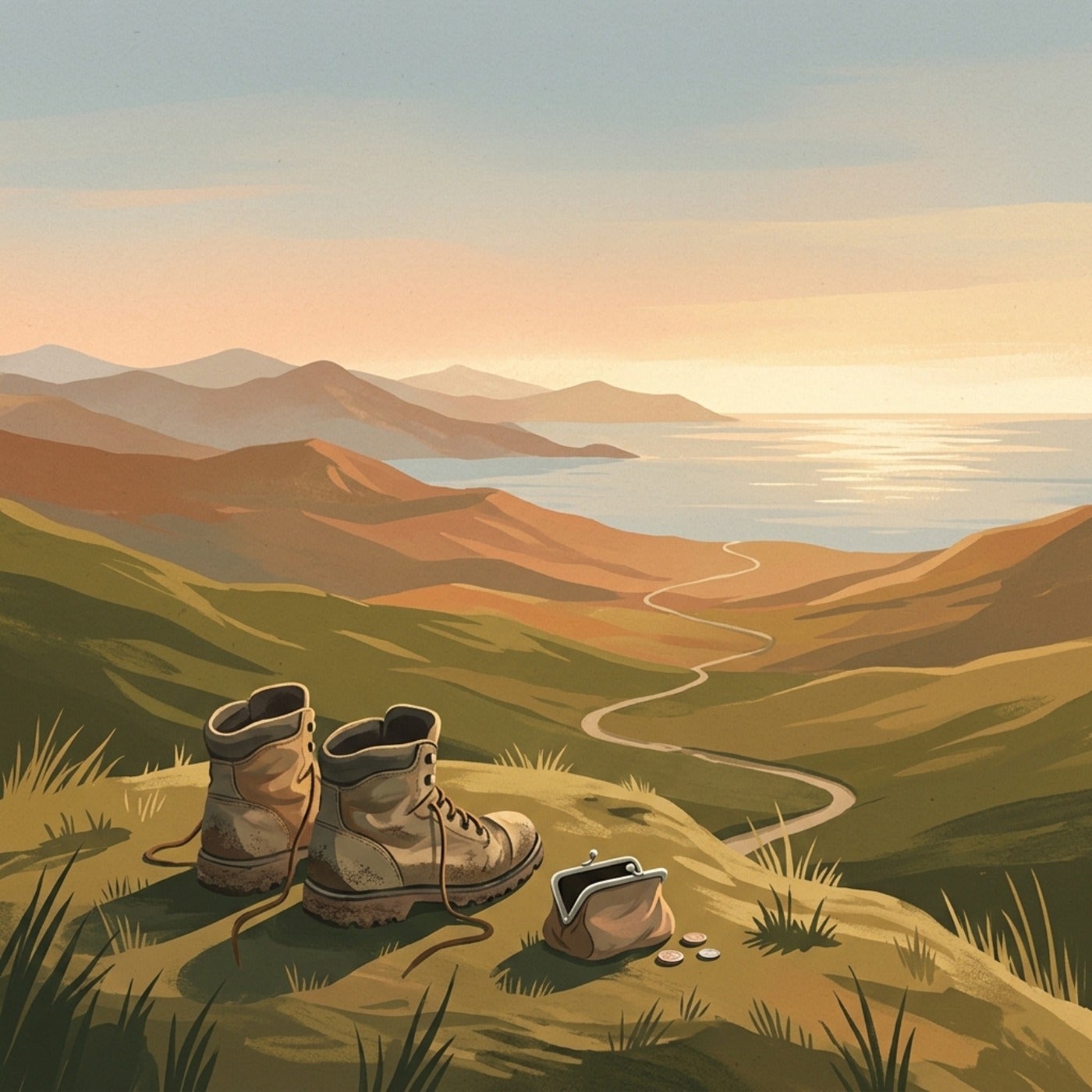
Get the 200+ Page Optimal Living Daily Workbook (PDF) - Free. Want to turn today's episode into an actionable plan? Episode 3614: Kym Wilson shares how she left a corporate finance career to pursue scuba diving and a 2,000-kilometer pilgrimage, and the panic she felt when her savings fell behind her peers. She explains why she came to see that net worth and life's worth are different measures, and why the experiences that change us also ripple out to others. The takeaway is that the cost of neglecting a dream can be greater than the money it takes to follow one. Read along with the original article(s) here: https://tinybuddha.com/blog/value-following-dreams-dont-make-money/ Quotes to ponder: "When you answer the call to adventure, you never know where you will end up." "Your net worth is not your life's worth." "I know that one day, when I am old and dying, I won't regret the things I never had, but I will regret the moments I didn't seize and the adventures and growth I never experien
Get the 200+ Page Optimal Living Daily Workbook (PDF) - Free. Want to turn today's episode into an actionable plan? Episode 3613: Jessi Kneeland explains why what most people need during the holidays is better support rather than more things to buy. She describes three places worth investing instead: regulating your nervous system through rest and gentle movement, setting and holding boundaries with family and obligations, and affirming your own sense of self when old roles pull you back. The takeaway is that keeping your own wellbeing at the top of the list is one of the healthiest habits to protect this time of year. Read along with the original article(s) here: https://www.jessikneeland.com/post/3-investments-to-make-this-holiday-season Quotes to ponder: "But the thing that most of us actually need isn't more stuff." "No matter what comes your way, as long as you're willing to choose yourself, you'll be ok." "So be on your own side and treat yourself like someone you love."
Colleges should publish clear information about costs and likely graduate outcomes.
Share your view, then see how readers voted. No sign-in required. This poll is shared across stories.
Do you agree or disagree?
Common Quandary
A Common Quandary to discuss
Another conversation to explore, separate from this news story.
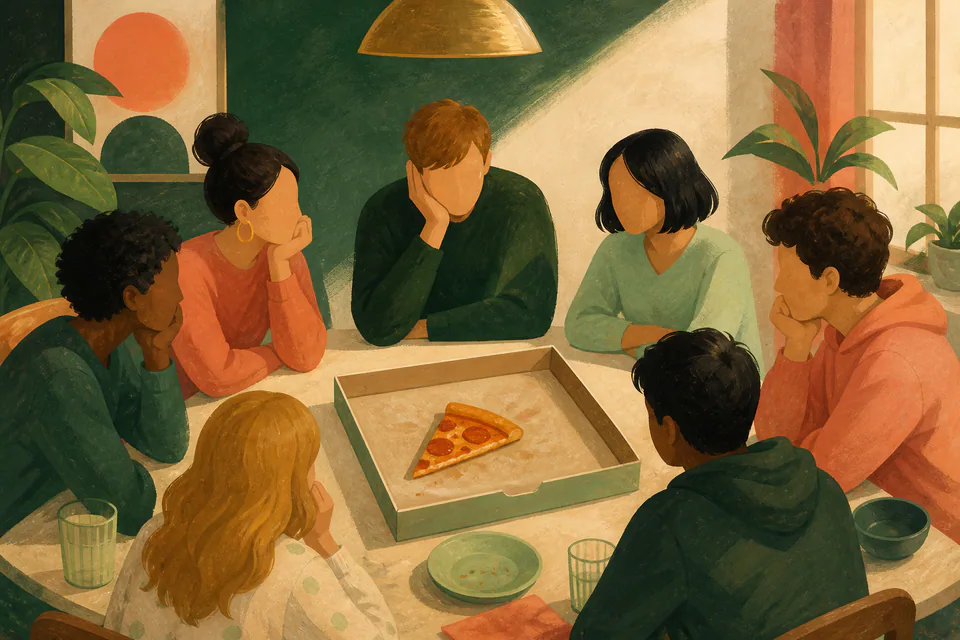
One slice of pizza remains and everyone is pretending not to want it. Can you take it?
Six friends have been circling the last slice of pizza for twenty minutes. Nobody claims it when you ask, yet two people keep glancing at the box. You are still hungry and paid the same share as everyone else.
Does politeness require leaving something that nobody will openly claim?