414. What is the 2026 Word of the Year? (English Vocabulary Lesson)
30 min
Listen through the publisher, then discuss the episode here or arrange an in-person Roundtable. Your city determines where to meet.
Roundtables are designed for groups of four, with a shared subject and room for everyone to speak. Come for discussion, with no dating expectation.
The Collins Dictionary Word of the Year is… Mogging! In today’s Thinking in English episode, I want to explain what it means to “mog someone” and discuss why this word was chosen as the Word of the Year by Collins Dictionary. I’ll also discuss some of the other contenders and runners up for the 2026 Word of the Year, including Carspreading, Ghost Jobs, and Manchesterism. Through these words we will discuss modern online culture, economics, British politics, and the environment! TRANSCRIPT - https://thinkinginenglish.blog/2026/11/16/414-what-is-the-2026-word-of-the-year-english-vocabulary-lesson/ Borough by Blue Dot Sessions
Episode information is provided by the publisher. Listening takes place on the publisher’s service.
Merriam-Webster's Word of the Day for November 22, 2026 is: copacetic • \koh-puh-SET-ik\ • adjective Copacetic (less commonly spelled copasetic or copesetic) describes things that are very satisfactory. // Worry not: I assure you that everything’s copacetic. See the entry > (https://www.merriam-webster.com/dictionary/copacetic) Examples: “We will be blessed with a second lunar eclipse on this night, but it won’t quite be total: at maximum, a little more than 90 percent of the moon will fall into Earth’s shadow. The event will start at 10:35 P.M. EDT, and the maximum eclipse will occur just after midnight. It won’t be as cool as the March eclipse, but the timing will be a lot more copacetic.” — Phil Plait, Scientific American, 9 Jan. 2026 Did you know? Copacetic (with many variant spellings) is probably better known for competing theories of its origin than for any record of unconscious everyday use in American English. The first written occurrence of the word thus far detected (as copa
Improve your English conversation skills by learning how to describe your ideal weekend getaway and travel packing essentials. Join Sarah and Mike for a slow, easy English podcast where we discuss the logistics of planning trips. In this episode, we follow a conversation about going to the market and preparing for a journey. By listening to our natural dialogue, you will practice English vocabulary related to travel planning and managing a budget for your next vacation. This episode is perfect for B1 English learners who want to improve their fluency while mastering common phrases used when discussing trip details. We focus on clear, steady pacing to help you practice English listening and gain a better grasp of natural phrasing for your own adventures. Keep practising by telling us in the comments where you would go for a weekend getaway and what you always pack.
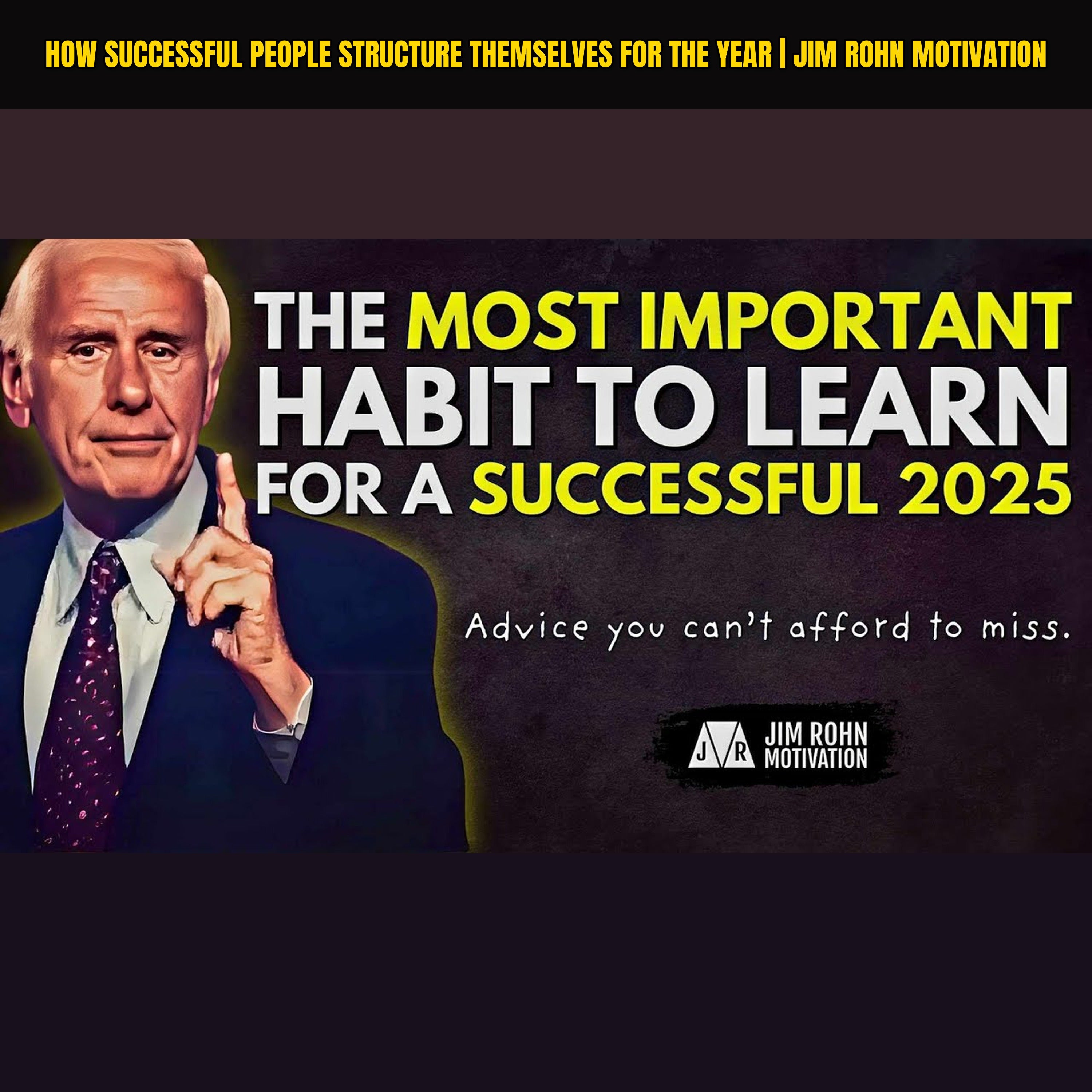
#JimRohnMotivation #JimRohn #JimRohnSpeech In this Jim Rohn Motivation video, discover the transformative power of reframing your perspective. Jim Rohn explains how shifting the lens through which you view life’s challenges can turn setbacks into stepping stones and adversity into opportunities, empowering you to achieve success in every area of life. The Transformative Power of Reframing: A Key Habit of Successful People (Written Version): https://jimrohnmotivation.blog/the-transformative-power-of-reframing-a-key-habit-of-successful-people/ Key Topics From This Motivational Video: - The habit of reframing challenges into opportunities - How successful people turn failures into stepping stones - Emotional agility and managing fear constructively - The ripple effect of reframing on personal and professional growth - Why reframing is essential for creativity and innovation Reframing is more than just positive thinking—it’s a disciplined mindset that allows you to extract lessons from eve
This is an edited lesson from NCI Grad School. Check out Grad School here: https://nci.university/nci-4 Uploaded 26-06-25 Scholarships AVAILABLE now. Want to command attention the moment you walk in—without saying a word? In this video, Chase Hughes reveals the exact behavioral psychology, body language, and frame control techniques used by elite operators, interrogators, and top-level influencers. Learn how to walk into any room and instantly radiate authority, presence, and control—before you even speak. Free behavior skills training: https://nci.university/masterclass Chase’s books on Amazon: https://www.amazon.com/stores/Chase-Hughes/author/B06VW1H89K?ref=sr_ntt_srch_lnk_1&qid=1750928422&sr=8-1&isDramIntegrated=true&shoppingPortalEnabled=true (https://www.amazon.com/stores/Chase-Hughes/author/B06VW1H89K?isDramIntegrated=true&qid=1750928422&ref=sr_ntt_srch_lnk_1&shoppingPortalEnabled=true&sr=8-1) ⸻ Keywords: frame control, nonverbal dominance, how to own the room, influence and pers
To check the transcript: https://www.buzzsprout.com/2379282 Somewhere along the way Have you ever had a friend who used to be such a big part of your life that you couldn't imagine a day without talking to them? You shared ordinary moments, private jokes, and conversations that lasted until midnight. You were the first people each other turned to, whether something wonderful happened or the world felt a little too heavy. But years passed, and life took you in different directions. Then one day, you meet again. You're happy to see each other, and there's still affection between you, but something feels different. You remember each other beautifully, yet you realize you no longer know the people you've become. “We still know so much about who we used to be, but somewhere along the way, we stopped getting to know who we were becoming.” Hello everyone, and welcome to Daily English. Today's expression is “somewhere along the way.” We use this expression when something happens or changes dur
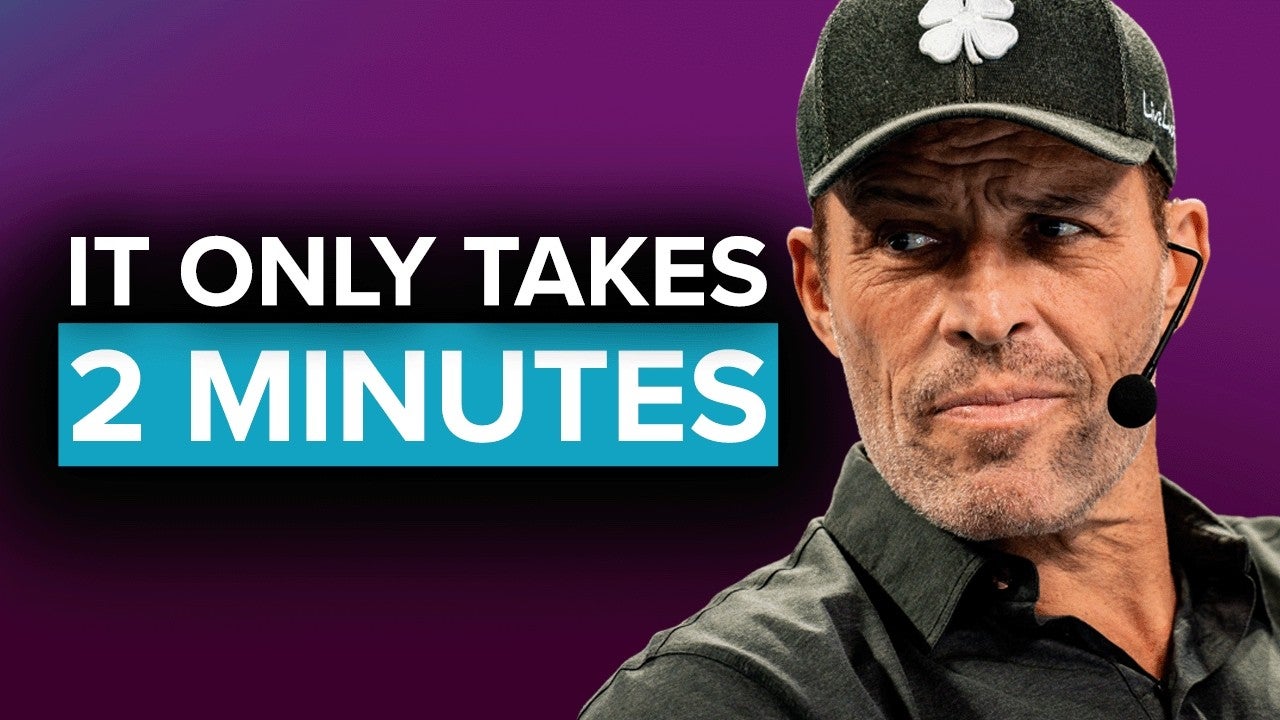
These 4 standards measurements have the potential to change your life in very impactful ways. What standards are you setting for yourself? Is it a should or a must? Tony Robbins speaks on raising the bar and quality of your life by raising your standards. Uploaded 07-07-24 Watch more videos like this These 3 Questions Will Change How You Do EVERYTHING!: https://youtu.be/43RL-kSEEyQ The #1 Most Important Skill for Improving Your Life: https://youtu.be/8joX6mdOVcE Prime Your Brain to STOP Stress, Anxiety and Fear INSTANTLY: https://youtu.be/60ROjGMqXUQ The Tony Robbins Podcast: https://www.youtube.com/playlist?list=PLYTXvUDQT5pWkFiK1Yal1WtPcMrVbmjzA Tony Robbins is a #1 New York Times best-selling author, entrepreneur, philanthropist, and the nation's #1 Life and Business Strategist. For more than four and a half decades, more than 100 million people from 195 countries have enjoyed the warmth, humor, and transformational power of his business and personal development events. Mr. Robbins
In September 2026, Canadian Prime Minister Mark Carney called for the world’s “middle powers” to haver closer relationship. He gave a speech at the European Union, encouraging the members to create “an alliance strong enough so that no one can dictate our choices.” And Canada might become the first affiliate member of the EU, as part of this middle power strategy. But what exactly is a middle power? What makes a country powerful? And why are middle powers becoming increasingly important in international politics? TRANSCRIPT - https://thinkinginenglish.blog/2026/11/09/413-what-is-a-middle-power-english-vocabulary-lesson/ Borough by Blue Dot Sessions
On September 30, 2026, the US state of Tennessee attempted to execute Christa Pike, a woman who had been on death row for more than 30 years. Pike was sentenced to death for the 1995 murder of 19-year-old Colleen Slemmer. After being convicted of the murder, Pike spent decades in prison before her execution was finally scheduled. But the execution did not go as planned. Pike was given two doses of a drug called pentobarbital as part of the execution process, but she survived. She was taken to hospital and is still alive as of the time of recording this episode. The death penalty is one of the oldest forms of punishment in human history. Some people believe it is an appropriate punishment for the most serious crimes. Others believe that governments should never have the power to take someone's life. So today, we're going to look at what the death penalty is, its long history, where it is still used today, and the arguments for and against it. And at the end, we'll return to the case of
The public should normally know who owns businesses that affect community life.
Share your view, then see how readers voted. No sign-in required. This poll is shared across stories.
Do you agree or disagree?
Common Quandary
A Common Quandary to discuss
Another conversation to explore, separate from this news story.
Someone you love asks, “Do you think I’ll be okay?” What if you do not?
A relative with a poor prognosis asks whether you think they will recover. They seem to need reassurance, but you believe the odds are very low and do not want to spend the remaining time pretending.
Can preserving hope justify saying more than you believe?