Listen through the publisher, then discuss the episode here or arrange an in-person Roundtable. Your city determines where to meet.
Roundtables are designed for groups of four, with a shared subject and room for everyone to speak. Come for discussion, with no dating expectation.
Sometimes somebody else has to believe in us before we can quite believe in ourselves. But what happens to that seemingly limitless self-belief we have as children, when we're ready to try something over and over again without worrying about failure or what anybody else thinks? This week, our regular Teach Me Street mentor, Valérie Jardin, joins me for a rather different conversation. We go back to the beginnings of her photographic career, the different avenues she explored, and the moment someone suggested she might make a good street photography teacher. Fifteen years later, she's teaching photographers all over the world. It's a conversation about humble beginnings, trusting your abilities, the importance of encouragement and having a go at something before you're entirely convinced you can do it. From the mailbag, Corina Person in Seattle writes a remarkably honest letter after last week's show; Jim Farmer shares thoughts on dealing with nerves from his experience 'teaching' aircrew; and Matt McDermott and David Lloyd share their photographic 'whys', one of which might require a scientific calculator! Two recordings from our MOMENTS collection also feature: Gary Williams reflecting on nerves and photojournalist Ed Kashi sharing a moment of love. Links to all guests and features will be on the show page. (https://photowalk.show/episodes/valerie-jardin-self-belief-street-photography) My sincere thanks to our Extra Milers, (https://www.photowalk.show/patreon) without whom we wouldn't be walking each week: DxO.com (https://www.dxo.com/en/) and Arthelper.com (https://www.arthelper.com/), giving photographers smart tools to plan, promote, and manage your creative projects more easily.
Episode information is provided by the publisher. Listening takes place on the publisher’s service.
What happens when photography becomes more than just a profession, and transforms into something that can change lives? This week on The Camera Life Podcast, we're joined by Gavin Blue OAM, an accomplished Melbourne-based commercial photographer with more than 30 years of experience capturing people, places and stories. From photographing CEOs, politicians, royalty and Olympic athletes to working with major Australian brands, Gavin has built an extraordinary career across advertising, editorial and corporate photography. He's also played a significant role in shaping Australia's photography industry, having served as President of the Australian Commercial and Media Photographers (ACMP). But Gavin's most meaningful contribution to photography goes far beyond his commercial work. Following the heartbreaking loss of his daughter Alexandra in 2006, Gavin went on to co-found Heartfelt in 2010, a volunteer organisation providing professional photographic memories, free of charge, to families
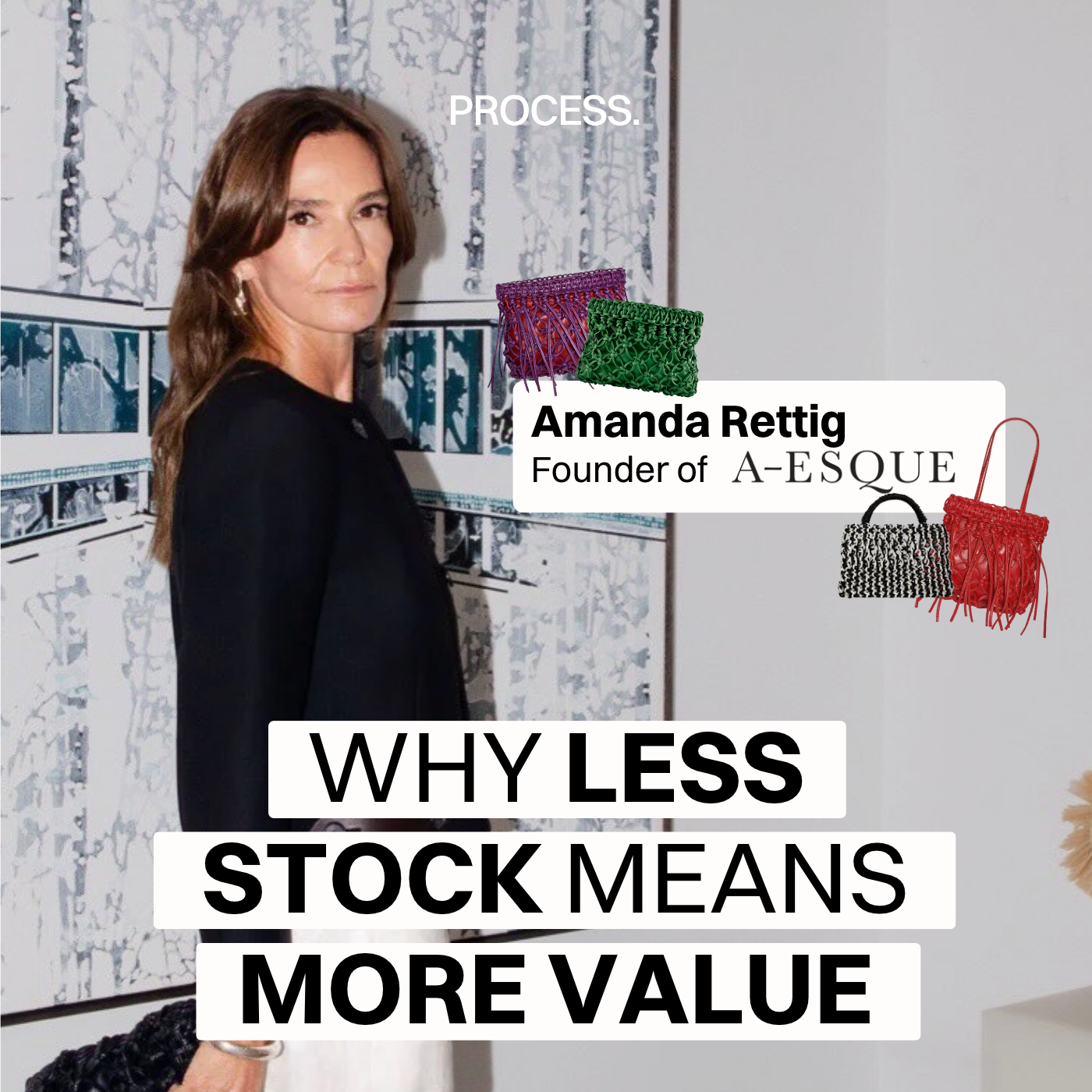
“The only time I would get scared is if I didn’t really believe in something.” - Amanda Rettig Australian designer and founder Amanda Briskin-Rettig has spent 30 years building fashion brands. She founded Mimco in 1996, sold it in 2007, and 13 years ago started A-esque, a self-funded leather goods brand handmade in small batches in Melbourne. Its philosophy is simple: build slowly, create intentionally, and make things that last. In this episode, Amanda shares how to start a fashion brand and grow it sustainably. She covers product development and product architecture, small-batch manufacturing inspired by Toyota’s lean model, and how to avoid excess inventory, deadstock and discounting. She also talks about local manufacturing, building a direct-to-consumer business, brand storytelling, collaborations, and what she learned from building and selling a business. If you want to start a handbag or accessories brand, build a sustainable fashion business, or grow a brand without compromisin
At the vets, Denise asks Neil how long Alan’s chaperoning will go on for. Esme arrives to ask if Alistair is around, but he’s with a puppy. Denise invites her to talk in the office. Esme explains that Lovell James’ head office is chasing for unpaid bills. She can’t pay them with everything getting more expensive. Head office’s suggested payment plan is too much, so Esme wants to agree something with Denise just until she sells some calves in the new year. Denise promises to speak to Alistair and Jakob on her behalf. Beth can’t believe she let Rex and Kirsty in Vince’s room yesterday, but Vince says he agreed to Kirsty coming. Beth is convinced there must have been something wrong with the tree or it wouldn’t have fell on her dad. She’s convinced they’re hiding something. Beth apologises for saying Vince’s life is ruined. Elizabeth is looking tired, so Beth says she can run errands for Vince. Vince says he has spoken to his solicitor and despite Beth’s protests, he’s not going to sue Re
A child sees someone who looks exactly like her friend, only to discover that her actual friend is hiding somewhere else. Years earlier, her family was already dealing with disturbing experiences surrounding a sick relative. Later came unexplained voices, a hospital stay, a frightening encounter during sleep paralysis, and one sound that would eventually be heard by another family member. Was there a supernatural presence behind these experiences? Or could there be another explanation? You can get these ad-free through ScaryPlus.com (http://scaryplus.com/) free for 14 days, then 4.99 per month. Cancel anytime. Editing and sound design by Sarah Vorhees Wendel from VW Sound Get in touch to share your story through TrueScaryStory.com (http://truescarystory.com/)
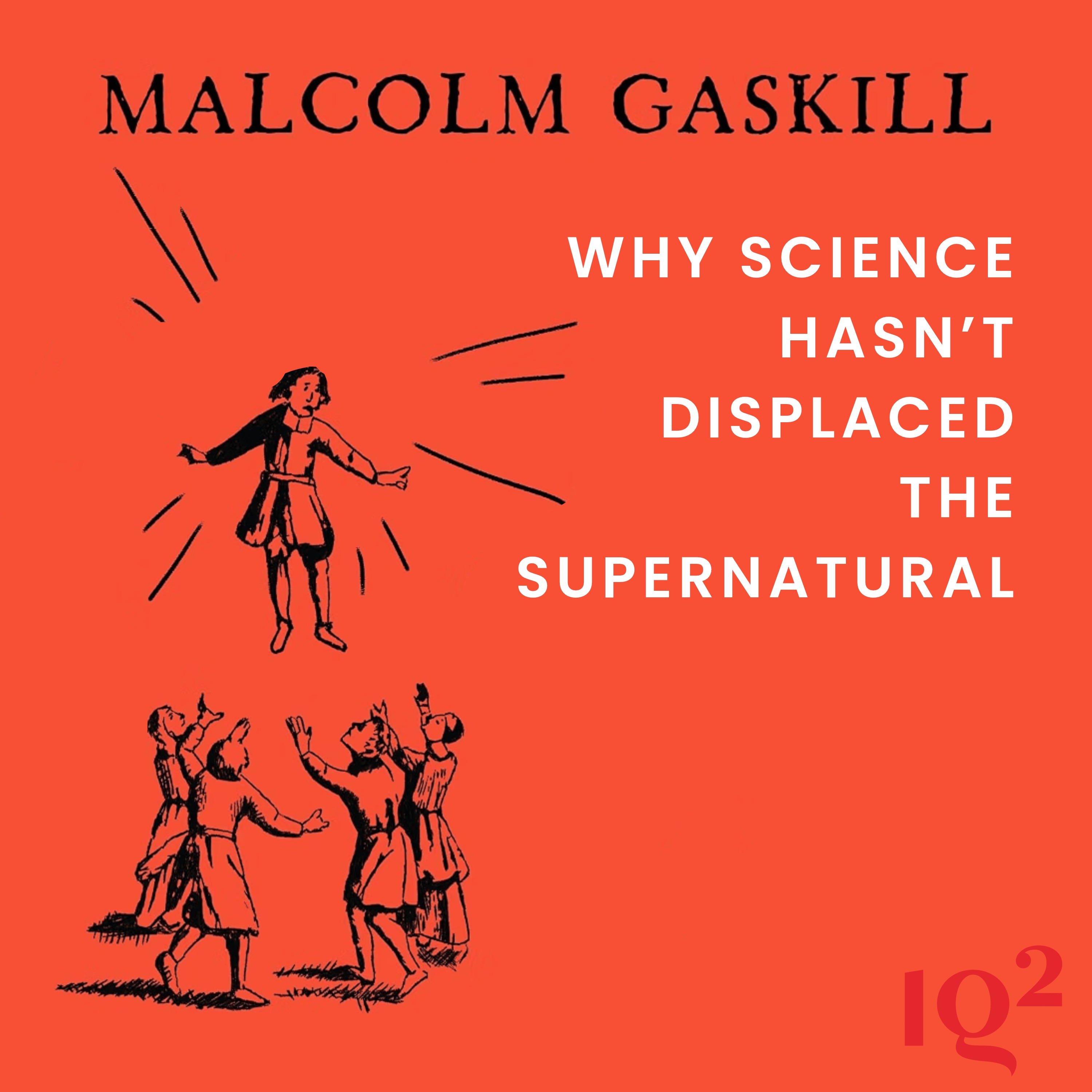
How do we make sense of the unseen? For centuries, the supernatural has offered ways to understand misfortune, find comfort and live with uncertainty. But its history is not simply a story of superstition giving way to reason. Why did people seek evidence in witchcraft trials? Can science and supernatural belief exist alongside one another? And what might today’s encounters with frontier technologies reveal to us about the persistence of the uncanny? In this episode, Margherita Volpato speaks with Malcolm Gaskill about his new book, Worlds of Fear and Wonder: Living with the Supernatural, Past and Present. Together, they explore the emotions behind supernatural beliefs that have shaped culture. They discuss Puritans searching for signs from God, the persistence of enchantment in the modern world and the uneasy relationship between technology and the uncanny. Malcolm Gaskill is Emeritus Professor of Early Modern History at the University of East Anglia and the author of seven books, inc
It's the Season Finale! Bill attempts to answer questions on motorbikes, bare ankles and private members' clubs. Bill will be back for a Christmas special in December and Season 4 will start in March. In the meantime you can find him in The Back Room on Patreon (https://www.patreon.com/c/illadvisedbyBillNighy) The playlist this episode is called ‘When Vibe Was Lame’ and includes: ‘Walking The Dog’ by The Rolling Stones ‘Anyway, Anyhow, Anywhere’ by David Bowie ‘Slow Down’ by The Beatles ‘What’Cha Gonna Do About It’ by Small Faces ‘I Can’t Explain’ by The Who Listen to the playlist on Spotify - HERE (https://open.spotify.com/playlist/0S5VeXIdoH2HQ0428aYtn4?si=76dcb6b07f494acb) Listen to the playlist on Apple Music - HERE (https://music.apple.com/gb/playlist/when-vibe-was-lame/pl.u-gxblkM1Ib9ElX8m) The book of the episode is by Joan Didion and is called 'The Last Thing He Wanted' We love hearing from you, keep sending your questions and comments for Bill via email at contactus@ill-advise
Google Jaywick, a small village on the Essex coast in England, and you'll find a seemingly endless supply of negative headlines, television documentaries and YouTube films about life in what has repeatedly been named England's most deprived neighbourhood. But how much do we really know about the people who live there? My guest this week, documentary photographer and journalist David J Shaw, has spent the best part of two years getting to know Jaywick and its residents. He's discovered a community fiercely proud of its identity, where neighbours look after one another, where karaoke nights are as much about friendship and support as singing, and where people are understandably tired of outsiders arriving with a story they've already decided to tell. We talk about our responsibility as photographers when documenting other people's lives, the politics of representation, and David's decision to exhibit his photographs in the village while he was still making the work, inviting the communit
What happens when you've already reached the heights of your profession, but find yourself searching for a new sense of purpose in something you've spent much of your life doing? This week, I'm walking again with my dear friend Giles Penfound, a photographer who once worked at the very highest levels of his profession, documenting conflict and life in some of the world's most challenging and dangerous places, before his life and relationship with photography changed considerably. One moment he was making important legal documents with his camera, and the next, a 'deafening' quiet descended. What followed was more than a decade of trying to find his way creatively again, exploring large-format landscapes, printing, commercial photography, workshops, travel and wedding photography. But the more he searched for a new direction, the harder it seemed to become to reconnect with the very thing that had drawn him to photography in the first place. Giles has now discovered being a photo touris
Acting on preliminary research can be justified when the risks of waiting are high.
Share your view, then see how readers voted. No sign-in required. This poll is shared across stories.
Do you agree or disagree?
Common Quandary
A Common Quandary to discuss
Another conversation to explore, separate from this news story.
You inherit a fortune made in ways you despise. Can you keep it?
You inherit a substantial sum from a relative who accumulated it through practices you consider exploitative. Keeping it would improve your family's security; donating it could support people harmed by similar practices.
Can ownership be morally clean when its history is not?