English-language podcasts

Behind The Design

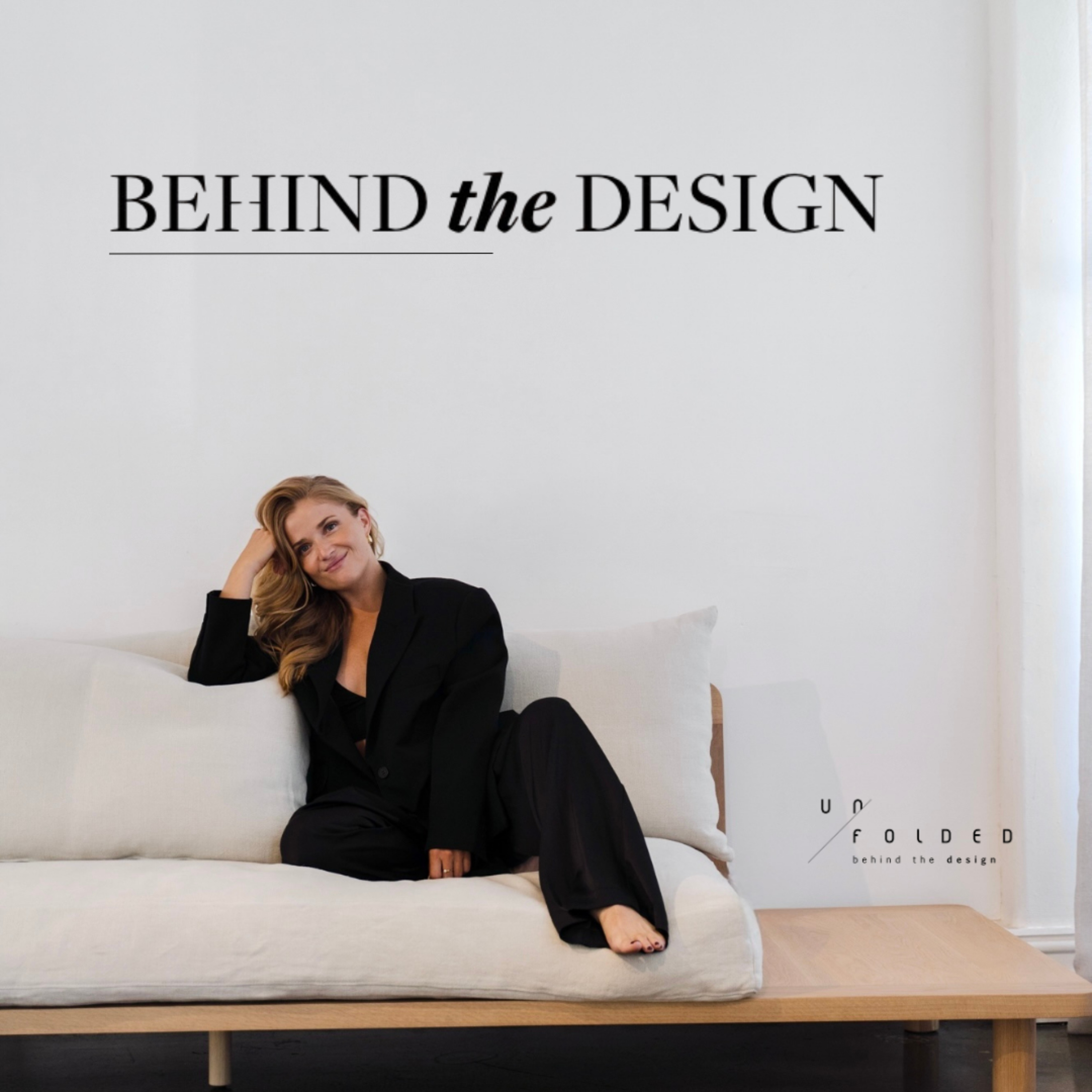
58. Why Raj Nandan Doesn't Want a Million Followers
69 min

Listen through the publisher, then discuss the episode here or arrange an in-person Roundtable. Your city determines where to meet.

Roundtables are designed for groups of four, with a shared subject and room for everyone to speak. Come for discussion, with no dating expectation.

For more than 25 years, Raj Nandan has been the one telling the story of Australian design. Today, Camilla turns the camera around. Raj is the founder and CEO of Indesign Media Asia Pacific, the home of Indesign, Habitus, Indesign Live, Saturday Indesign, The Indie Awards and Habitus House of the Year, and he has built it on relationships, trust and backing his own judgement. Raj takes us from a childhood in Fiji and a record number of Saturday detentions at school to modelling at Expo 88, sleeping in his sister's car in Sydney and ringing the same publisher from a Rushcutters Bay phone box until he got an interview. His first test was to sell an ad to a quantity surveyor in Adelaide. Within a few years he had bought Architectural Review, and at 29 he launched Indesign with a simple idea: cover the products in every project, whether or not the supplier advertises. He shares what Harry Seidler taught him about layouts, why he once shut down a magazine turning over a million dollars a year, what he learned when Saturday Indesign got too big, and why he runs his business on 80% intuition and 20% data. It's a conversation about choosing intention over attention, protecting your credibility and your time, and remembering that you don't need the biggest audience, just the right one. In this episode: How the hospitality Raj grew up with in Fiji still shapes the way he does business, from meeting the people who invest in him to Saturday Indesign From Expo 88 and modelling to his first sales job, buying Architectural Review in his early 20s and launching Indesign at 29 Why AI and the loss of trust are bringing people back to print, events and meeting face to face Why he doesn't care about a million followers, and why emerging designers want to hold the microphone Join The Behind The Design Collective Follow the guest Habitus website: https://www.habitusliving.com (https://www.habitusliving.com/) Habitus Instagram: https://www.instagram.com/habitusliving/ Indesign Live website: https://www.indesignlive.com (https://www.indesignlive.com/) Indesign Live Instagram: https://www.instagram.com/indesignlive/ This episode is brought to you by Rugs For Good Follow Unfolded & Behind The Design: 00:00 Intro 03:24 Why Fiji still feels like home 06:50 From 19 to 55, and 10,000 hours 07:39 Saturday detentions and a degree at 26 09:25 Expo 88 and a modelling career 12:40 A Rushcutters Bay phone box and a first job in media 14:05 A director at 21 and buying Architectural Review 15:54 Launching Indesign at 29 17:50 A word from Rugs For Good 18:27 Covering products whether or not you advertise 20:46 The advertisers who backed him from day one 21:44 Harry Seidler and the art of the layout 24:20 From broadcast to search to social 25:41 $34 and an opinion: who gets to speak for an industry 26:54 A million followers of who? 28:37 Dodge, dip, dive, duck and dodge 29:44 AI, trust and the return to meeting people 36:00 Shown the door at a trade show 38:12 When Saturday Indesign got too big 40:38 People need to meet each other 41:23 Launching against yourself and Indesign Live 43:25 Shutting down a million dollar magazine 44:57 What Habitus really means 46:58 Intention over attention 50:27 Why he has never bought a direct competitor 52:30 Opposition versus competition 53:20 The question nobody put their hand up for 56:56 When 90% of the assumptions were wrong interior design residential interiors creative business design consultancy Behind the Design podcast Camilla Ingall Raj Nandan Indesign Media Asia Pacific Indesign magazine Habitus Habitus Living Indesign Live Saturday Indesign The Indie Awards Habitus House of the Year Architectural Review design media architecture and design publishing print versus digital intention over attention building relationships in design ChaptersKeywords

Episode information is provided by the publisher. Listening takes place on the publisher’s service.

Listen at the source ↗

Featured places to meet in Palo Alto, CA

Explore these places and arrange a conversation through ThinkMatch.

City guide for Palo Alto, CA

More from Behind The Design

Behind The Design

57. Beyond the Label: Kate & Kole on Values, Partnership and Knowing When to Say No

58 min

This is the very first episode of Beyond the Label, a bonus series on Behind the Design that steps outside the design and build world and into the wider creative one. Camilla sits down with Madalynne Clifton and Sara Spence, the Newcastle friends behind Kate & Kole, a female-led fine jewellery studio working exclusively with lab-grown diamonds and recycled gold. Eleven years ago they had a 3D-printed ring, an Instagram page and a few glasses of wine. They put in $750 each, reinvested 10% of every sale into marketing, and kept the business deliberately slow alongside their other work. Today they have a team of around 25, a gallery-like studio in Newcastle, residencies around the country and a home in SoHo, New York. They talk about holding the line on lab-grown diamonds from 2015, making 96 to 98% of their pieces in Australia, and why they always say no when a customer asks them to copy another brand's design. They also go back to the year everything happened at once: going full time, m

Discuss this episode

Behind The Design

56. How to Save a Project's Budget and Keep Its Soul: Matt Lane of Unita

36 min

Every project has a moment when the pricing comes back and the room goes quiet. Matt Lane, CEO of Unita, has spent his career in that moment. Unita is a national fit-out and construction business that has delivered more than 5,000 projects over two decades for brands including Supernormal, Sephora and Uniqlo, and Matt treats the money conversation as part of the design process. Camilla and Matt go back to where it started, after school in his parents' building supply store in Grafton, then into construction management and a stint on the client side that changed how he works as a builder. They unpack what value engineering really means once you're in the room, where to start when a project comes back over budget, and how Unita protects the hero elements by finding savings in the places customers never see. Matt walks through a GP clinic that priced at almost double the client's budget, the alternative sink that became a go-to spec, and the concrete bar at Hamsi at the new Sydney Fish Ma

Discuss this episode

Behind The Design

55. Why Builders Aren't Charging Enough: Andrew George on AI, Pre-Construction and Systems For Builders

41 min

Two years ago, Andrew George sat in this chair known as the Passive House guy. Now he's back, and he's not so sure he ever was. In this return conversation, the owner of Lou Projects looks back on the hardest stretch of his career: a run of complex projects, rushed contracts, countless variations, supply issues and long-distance jobs that left his business running on fumes, all while building a new shed, workshop and office and welcoming his son, Enzo. Camilla and Andrew talk about what it took to rebuild. Andrew shares how he turned dozens of spreadsheets into his own pre-construction platform, why he cut his subcontractor checklist from 50 items down to 10 or 15 quality questions, and why bringing 3D modelling in-house saves time and money. He also explains why he's let go of the Passive House label, how he talks to clients about budget, and why he believes most builders aren't charging enough because they don't understand the cost of running their business. It's a conversation about

Discuss this episode

Community Poll

Vocational training should receive the same respect as university education.

Share your view, then see how readers voted. No sign-in required. This poll is shared across stories.

Do you agree or disagree?

Choose one answer

Common Quandary

A Common Quandary to discuss

Another conversation to explore, separate from this news story.

The restaurant forgot your expensive entrée. Do you point it out?

After a crowded dinner, you notice the restaurant omitted your most expensive entrée from the bill. Service was slow, the server seemed overwhelmed, and correcting it may create trouble for the person who made the mistake.

Does protecting someone from consequences ever justify benefiting from their error?

Explore this quandary