English-language podcasts

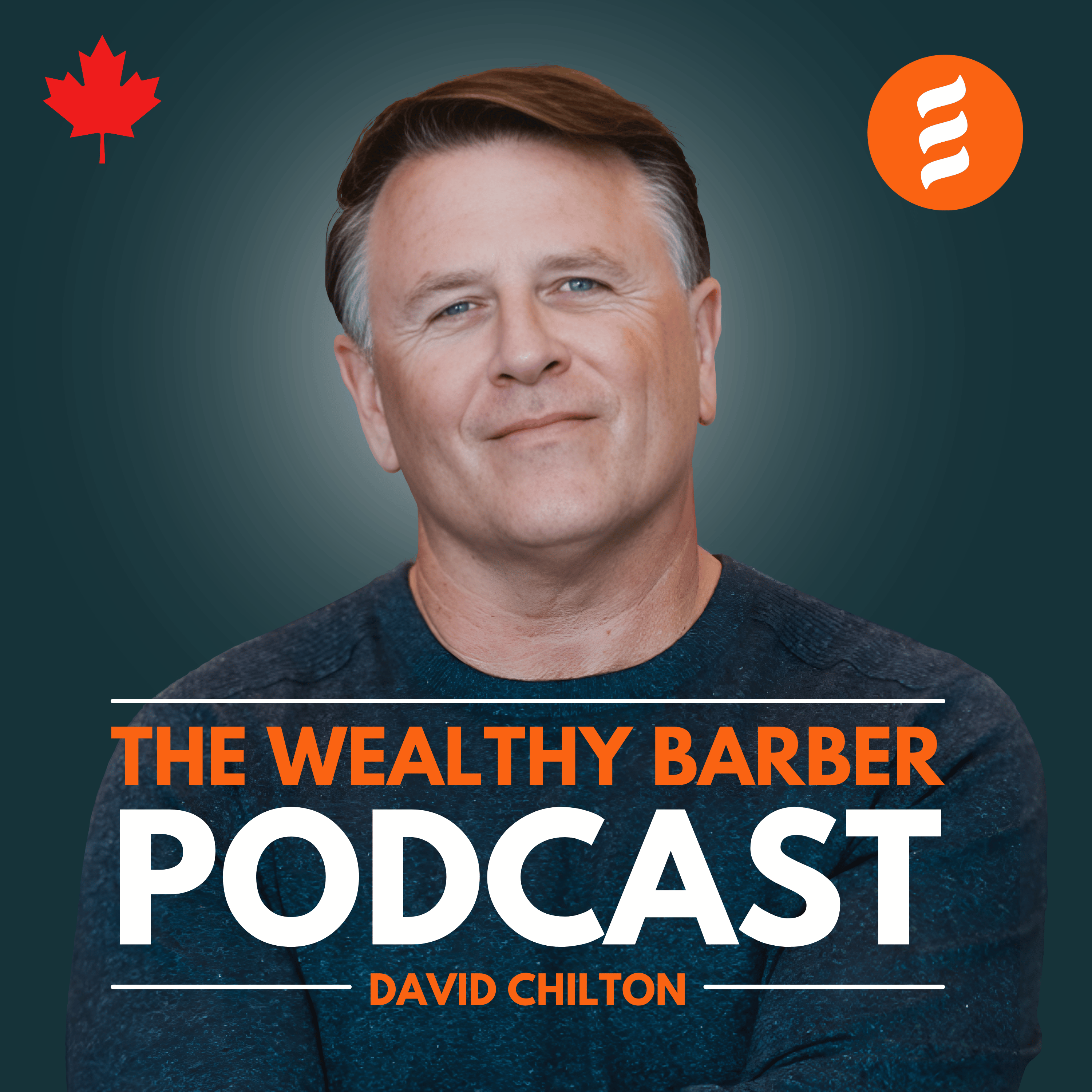
The Wealthy Barber Podcast

#80 — Jason Pereira (Returns): What Does Good Financial Planning Look Like?
52 min

Listen through the publisher, then discuss the episode here or arrange an in-person Roundtable. Your city determines where to meet.

Roundtables are designed for groups of four, with a shared subject and room for everyone to speak. Come for discussion, with no dating expectation.

Our guest this episode is Jason Pereira — Senior Partner and Financial Planner at Woodgate Financial, host of the Fintech Impact podcast and one of Canada's most outspoken advocates for higher standards in financial advice. Jason holds too many designations to list, is a Fellow of FP Canada and returns to the show after first joining us on Episode #29. In this episode, Dave and Jason dive into what good financial planning actually looks like, from who can call themselves a financial planner in Canada to which designations really matter and why a plan should always come before a product. They also break down the hidden costs of alternative investments, how deal complexity can drag down investor returns, the wide dispersion of outcomes in private markets and whether all financial advisors should be held to a fiduciary standard. Along the way, Jason shares his take on why accountants should consider the full financial planning picture, the hidden trade-off between salary and dividends when it comes to CPP and RRSP room, when corporate cash value life insurance makes sense and the fundamental importance of saving. Whether you're searching for an advisor, wondering if the advice you're getting measures up or running an incorporated business, this episode offers a clear, candid look at what you should expect from a real financial plan. Show Notes (00:00) Intro & Disclaimer (00:55) Intro to Jason Pereira (03:20) Championing Ethics in the Financial Planning Industry (06:12) Who Can Call Themselves a Financial Planner in Canada? (08:05) Which Financial Planning Designations Actually Matter? (11:06) Why Jason and Dave Think a Financial Plan Should Come First (13:44) The Hidden Costs of Alternative Investments (19:39) Deal Complexity and Lower Investor Returns (20:33) Risk and the Dispersion of Outcomes in Private Markets (23:06) Should All Financial Advisors Have Fiduciary Responsibility? (28:29) The Proposed Financial Planning Tax Credit and Grant Initiative (30:50) Money Stress and Financial Trauma (32:41) Why US Corporate Financial Wellness Outpaces Canadian Workplace Education (36:28) Why Accountants Should Consider the Full Financial Planning Picture (38:18) Salary vs. Dividends: The Hidden Trade-Off with CPP and RRSP Room (40:42) When Does Corporate Cash Value Life Insurance Make Sense? (46:52) The Fundamental Importance of Saving (50:00) Conclusion

Episode information is provided by the publisher. Listening takes place on the publisher’s service.

Listen at the source ↗

Featured places to meet in Palo Alto, CA

Explore these places and arrange a conversation through ThinkMatch.

City guide for Palo Alto, CA

More from The Wealthy Barber Podcast

The Wealthy Barber Podcast

#79 — Jamie Golombek (Returns): Tax Tips and Mistakes to Avoid

52 min

Our guest this episode is Jamie Golombek — Managing Director of Tax & Estate Planning at CIBC Private Wealth and one of Canada's most trusted voices on personal tax. A CPA, CFP and CLU, Jamie has written a weekly tax column for the Financial Post for close to 25 years and is a regular on BNN, CTV and CBC. He's back for his second appearance on the show as a fan favourite his first time around. In this episode, Dave and Jamie dive into the tax mistakes that trip up Canadians and how to steer clear of them. They break down the harsh CRA penalties for accidental TFSA over-contributions, the foreign property reporting rules behind Form T1135, why you should always file your return on time and how the Alternative Minimum Tax actually works. Jamie also explains where the line falls between accountant negligence and taxpayer responsibility when an error ends up on your return. The conversation also covers year-end tax-loss selling strategies, the difference between naming a successor holder a

Discuss this episode

The Wealthy Barber Podcast

#78 — Brian Orlando (Returns): Registered Disability Savings Plan (RDSP) 101

42 min

Our guest this episode is Brian Orlando — Halifax-based CPA and founder of Calm Money Coach, one of Canada's fastest-growing advice-only personal finance platforms. Brian first joined us on Episode #53 to make the case for keeping your finances simple, and he returns this time to tackle one of the most generous and least-used accounts in the country, the RDSP. In this episode, Dave and Brian take a deep dive into the Registered Disability Savings Plan (RDSP): who qualifies, how the government matching rules work, what the Canada Disability Savings Bond provides for lower-income families and how the 10-year look-back rule can unlock years of retroactive grants. They break down why an RDSP can be worth up to $90,000 in government grants and bonds, how to invest inside the plan and why it often deserves priority over an RRSP or TFSA. The conversation also explores how the RDSP interacts with other government benefits, how withdrawals are taxed, the widely misunderstood 10-year clawback ru

Discuss this episode

Community Poll

Anonymous sources are justified when naming them would prevent important public-interest reporting.

Share your view, then see how readers voted. No sign-in required. This poll is shared across stories.

Do you agree or disagree?

Choose one answer

Common Quandary

A Common Quandary to discuss

Another conversation to explore, separate from this news story.

A DNA test reveals a family time bomb. Do you tell relatives who would rather not know?

A genetic test reveals that you carry a serious inherited condition. Your siblings and adult cousins may carry it too, but one has previously said they would rather live without predictions about illnesses that cannot yet be prevented.

Can someone's wish not to know outweigh your responsibility to warn them?

Explore this quandary