'A Matter of Hope' shines light on social entrepreneurs tackling big issues
8 min
Listen through the publisher, then discuss the episode here or arrange an in-person Roundtable. Your city determines where to meet.
Roundtables are designed for groups of four, with a shared subject and room for everyone to speak. Come for discussion, with no dating expectation.
Jim Bildner is the CEO of the Draper Richards Kaplan Foundation, one of the world's largest venture philanthropy organizations. It finds and funds entrepreneurs tackling big issues from health care access to clean water initiatives. In his new book, "A Matter of Hope," Bildner shares stories of impact and how hope fuels that work. He sat down with Amna Nawaz to discuss more. Hosted on Acast. See acast.com/privacy
Episode information is provided by the publisher. Listening takes place on the publisher’s service.
Brian from Santiment joined me to analyze the latest on-chain metrics and investor sentiment for Bitcoin (BTC), XRP, Ethereum (ETH), and the broader crypto market. We also examined market sentiment across stocks and gold, the correlations between these asset classes, and what the data could signal about the next move for the crypto market. ️ Learn Crypto with Expert Commentary - http://MyCryptoCourse.com iTrustCapital Representative: [email protected] ⭐️ Trade crypto perps with a free $25 bonus on Kalshi. ♂️Merlin - http://tinyurl.com/MerlinTCYouTube Follow on social media: ️ X(Twitter) - https://x.com/thinkingcrypto ️ Facebook - https://www.facebook.com/thinkingcrypto/ ️ LinkedIn - http://linkedin.com/company/thinking-crypto ️ Instagram - https://www.instagram.com/thinkingcrypto/ ️ TikTok - https://www.tiktok.com/@thinkingcrypto5 ️ Threads - https://www.threads.net/@thinkingcrypto ️ Website - https://www.ThinkingCrypto.com/ Business Inquiries [email protected] ⏰ T
It was the longest COP on record - and it ended with no deal. Minister for Climate Change and Energy Chris Bowen was president of negotiations - so is he responsible for the result? And what does this failure say about the world’s ability to work together on climate change, and other major issues, in the future? Back in Canberra it’s finally the last sitting week of 2026. Controversial bills, last minute concessions, and plenty of political horse trading will be underway - including around Digital Duty of Care, a Gas Reservation Scheme, trusts and tax, and any cost-of-living measures the government can squeeze in. So who’s getting what they want and who’s walking away empty-handed? Patricia Karvelas and Jacob Greber break it all down on Politics Now. Read PK's latest analysis here (https://www.abc.net.au/news/2026-11-23/election-victorian-labor-election-defeat-albanese-stays-away/107414442). Listen to our sister podcast, ABC Business Daily, unpack if we're already in a recession in tod
Father Greg Boyle, founder of Homeboy Industries—the largest gang intervention organization in the world—and the priest who baptized both of Jon’s children, joins Offline to talk about his version of a politics of love, the lethal absence of hope that drives people to do terrible things, and what he means when he describes Donald Trump and Stephen Miller as unwell. Hate listening to ads? Include the podcast name, episode title, and air date. Please allow 48 hours for delivery.
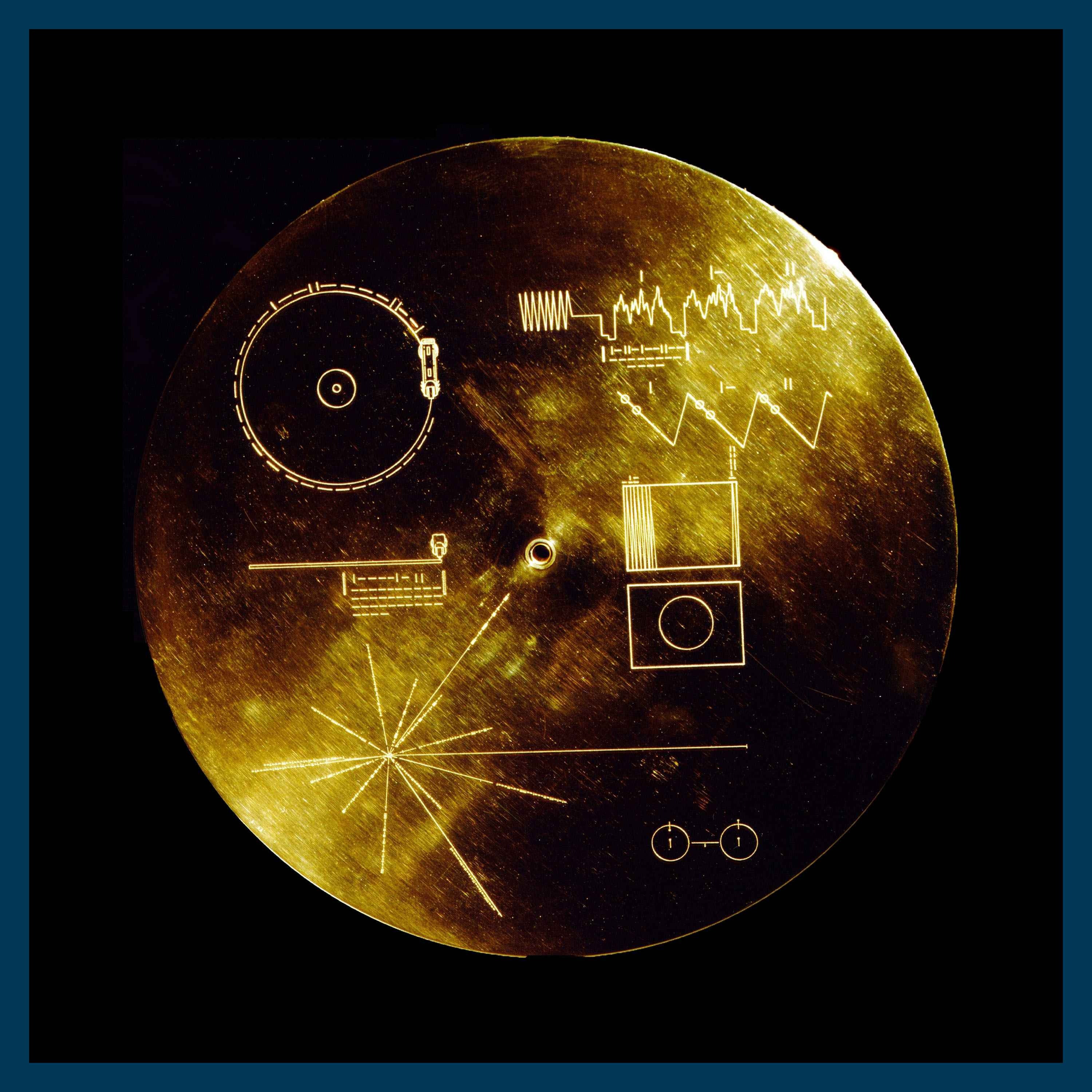
This week, Voyager 1 reached one light day away from earth - the farthest any man-made object has ever been. For fifty years, it as well as its sister probe Voyager 2, have been sending information back to earth. Now, they’re off to interstellar space, carrying two golden records designed to introduce humanity to whatever life form may be out there. So what’s on those discs? And what does the project tell us about what it means to be human? Guests: Rhys Blakely, science editor, The Times Tim Ferris, author and producer of the Voyager Golden Record Host: Manveen Rana Producer: Olivia Case We want to hear from you - email: [email protected] Read more: Voyager - humanity’s most distant message (https://www.thetimes.com/uk/science/article/nasa-golden-record-sounds-voyager-humanity-bksl2n0ck?eafs_enabled=false) Further listening: Has space become the final frontier for war? (https://pod.link/1501716010/episode/NmFhYzMzNzM4ZGUzYjQzYjZhOTk4ZGJj) Clips: NASA Voyager Golden Record / Carl Sa
Jensen Huang stepped down as Nvidia CEO on November 12, 2026, after reports about an extramarital relationship with Alice Huang, a former senior executive at Megaspeed. U.S. intelligence reportedly viewed her as an asset working for Beijing. That allegation is not a conviction, and it is not the same thing as proof Nvidia secrets changed hands. Tony Brueski brings in retired FBI Special Agent Robin Dreeke, former leader of the bureau’s Counterintelligence Behavioral Analysis Program, for the question behind the headlines: how does somebody who helped build one of the world’s most important technology companies fail to recognize a possible intelligence threat in his personal life? Huang apologized to his family and Nvidia employees for infidelity. The board announced an outside investigation, while saying it knew of no reason to believe national security or proprietary information was compromised. Reuters subsequently reported that Huang had previously told Nvidia leaders his encounters
Alan Milburn wants to scrap Pip for under-25s and replace the Universal Credit health element with a new youth allowance. He says the plan could get 440,000 young people into work within a decade and eventually save £3.6 billion a year. With 981,000 young people not in education, employment or training, nobody disputes the scale of the problem. They disagree about its cause. Milburn insists this is not a generation lacking resilience. Yet his own report finds that benefit claims have outpaced any rise in ill health, and it warns of overdiagnosis of ADHD and autism. Michael Simmons puts that contradiction to Milburn directly. He also asks whether the National Insurance and minimum wage rises are pricing young people out of the jobs they need most. Can welfare reform get a generation back to work – or is the deeper problem a loss of resilience that no policy can fix? This episode is brought to you by Raymond James. Combining deep insights into who you are with our financial expertise, th
In a lengthy press conference, President Trump touted his recent trip to Asia and defended his relationship with Chinese President Xi Jinping and Russian President Vladimir Putin. White House correspondent Liz Landers was in the briefing room as the president took questions from reporters. Hosted on Acast. See acast.com/privacy
In our news wrap Friday, stocks tumbled to end the week as worries about AI rattled the market, a second federal judge is blocking President Trump's triumphal arch in Washington and a federal appeals court is blocking the Army from detonating several tons of bomb-making chemicals amid concerns over environmental and health risks. Hosted on Acast. See acast.com/privacy
President Trump has replaced the nation's top cybersecurity official following a string of seemingly unrelated technology outages over the last couple of weeks. Officials have repeatedly stressed that these outages were not the result of intentional attacks, but given the growth of AI, there's growing concern that attacks are on the horizon. William Brangham discussed more with Chris Krebs. Hosted on Acast. See acast.com/privacy
Moving a contested monument to a museum can be better than leaving it unchanged or destroying it.
Share your view, then see how readers voted. No sign-in required. This poll is shared across stories.
Do you agree or disagree?
Common Quandary
A Common Quandary to discuss
Another conversation to explore, separate from this news story.
A stranger is behaving horribly in public. Do you record them?
You witness a stranger berating a service worker in public. Recording could create accountability and protect the worker, but posting the video could expose everyone involved to a permanent online audience.
Who gets to decide when public behavior becomes public content?