A wave of major technology outages is raising troubling questions about America's cybersecurity, aging infrastructure, and readiness for a new era of artificial intelligence. Are these isolated technical failures, or warning signs of a much larger national security problem? John Solomon and Amanda Head welcome Ohio Congressman and former Army Ranger Warren Davidson, who discusses recent disruptions involving the FAA, Microsoft, and other critical systems. Davidson calls for greater transparency from government agencies and technology companies, questions whether America's infrastructure is adequately protected against emerging cyber threats, and examines how artificial intelligence could be used both to strengthen defenses and exploit vulnerabilities. The conversation also turns to immigration and national security, with Davidson raising concerns about individuals who entered the country illegally, potential gaps in government screening systems, and the surveillance powers used to moni
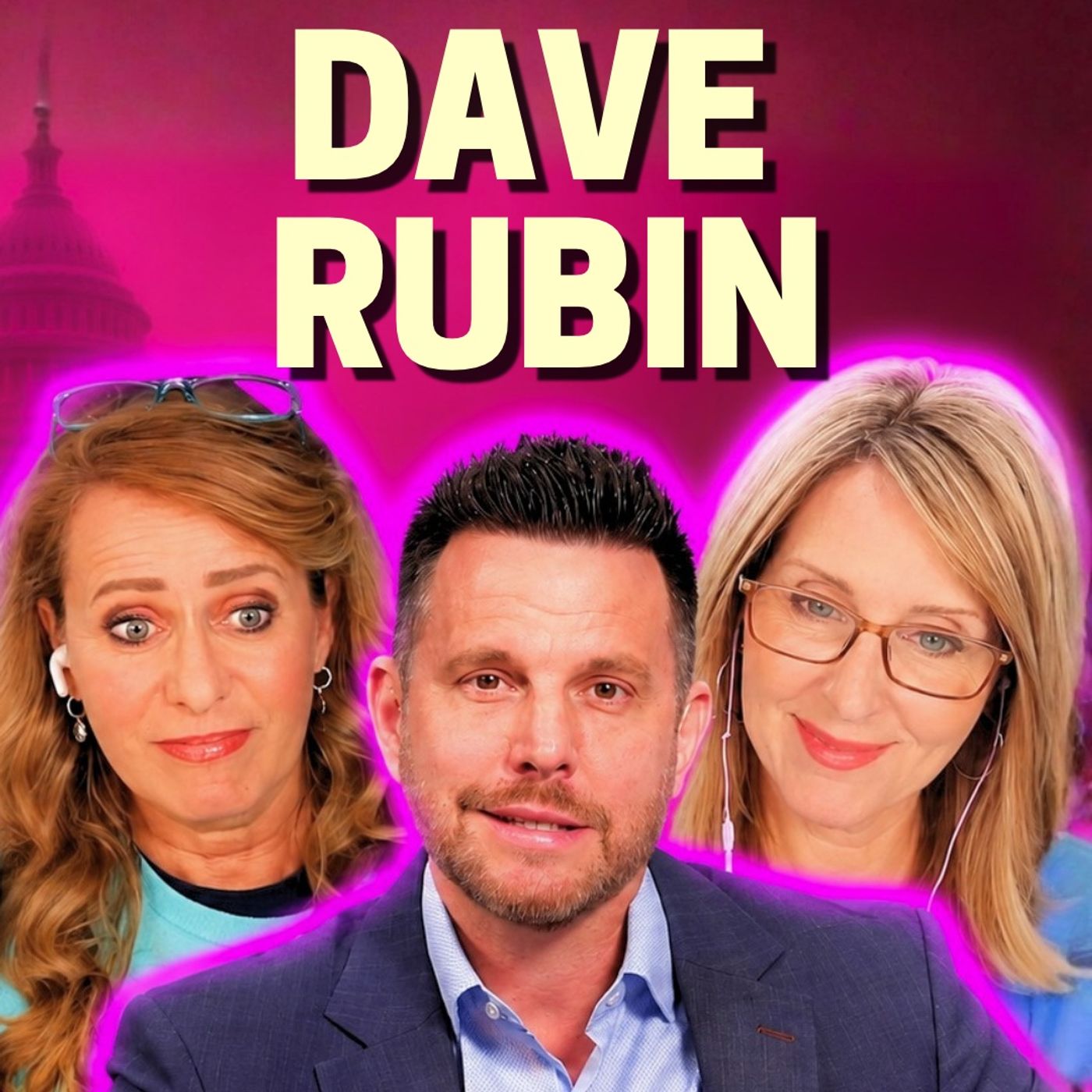
Is the Republican Party heading for a major reckoning in 2028? Dave Rubin joins The Chicks on the Right for a brutally honest conversation about Trump's final two years, the future of the GOP, and the growing divisions threatening conservatives. Dave weighs in on the Republican Party's recent election losses, whether JD Vance, Marco Rubio, or Ron DeSantis can carry Trump's agenda forward, and why he's increasingly concerned about the political direction of America. The conversation heats up as Dave takes on Nick Fuentes, the rise of extremist voices on the right, and the socialist movement gaining influence within the Democratic Party. He also discusses radical Islamism, antisemitism, the dangers of online outrage, and why he believes Western civilization faces serious challenges. Plus, with cyberattacks, banking disruptions, and nationwide outages raising concerns, Dave shares his thoughts on whether Americans should be preparing for more chaos. And don't miss the lighter side of Dave
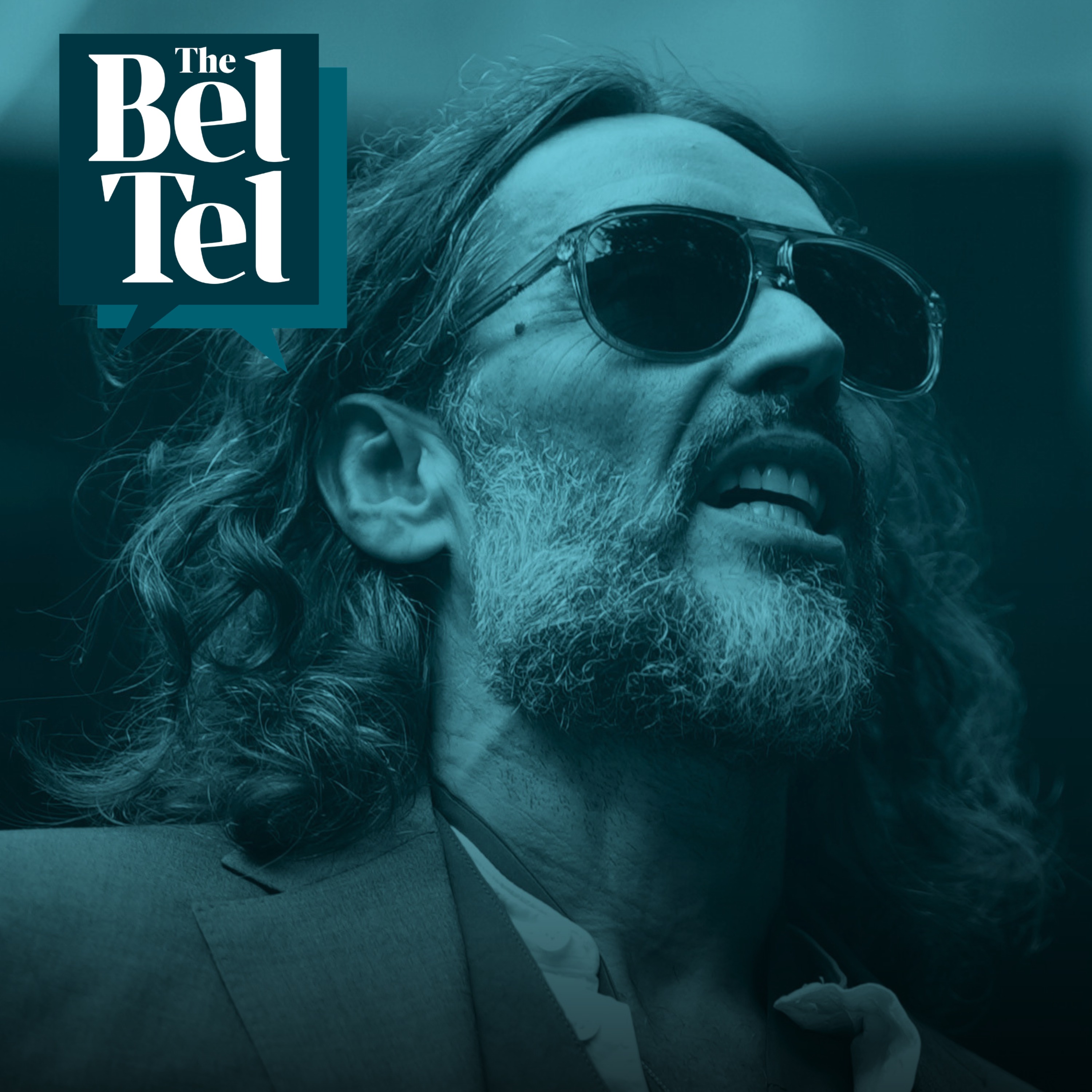
Having been jailed for 10 years and six months, disgraced entertainer Russell Brand remains very much in the headlines. Since his conviction, six more women have come forward with allegations of misconduct. Meanwhile, Brand's voice and image continue to be broadcast around the world, and not just in the form of news stories and documentaries. Brand's X account remains open, and his popular YouTube channel recently uploaded a pre-recorded episode of his Sunday Service programme that also featured a post-sentencing letter penned by Brand and read aloud by his wife, Laura Gallacher. In addition, the UK government is under pressure to change laws related to the age of sexual consent in the wake of Brand’s imprisonment. Fionnán Sheahan is joined by Daily Mail feature writer Fred Kelly and Irish Independent features journalist Kirsty Blake Knox to look at the impact that the jailing of Russell Brand has had on the disgraced comedian’s brand. Hosted on Acast.
Texas finally delivered its most complete SEC performance of the season, overwhelming Arkansas 45–3 at DKR. Jeff Howe, Hank South and CJ Vogel break down Arch Manning’s surgical 21-of-25 performance, Texas’ dominant “middle eight,” improved pass protection and an offense that scored touchdowns on three consecutive possessions. The crew also examines Jelani McDonald’s pick-six and All-America résumé, the latest injury concerns and a running game that succeeded when it mattered most. With Arkansas dispatched and the playoff picture strengthening, attention now turns to a massive rivalry showdown with Texas A&M in College Station. Thank you to our sponsor: Promo Code: ONTEXAS Hosted by Simplecast, an AdsWizz company.
On this bonus weekend edition of The Rush Hour with Dave Neal, we dig into an unlikely political possibility. Could Donald Trump work with Medicare for All advocate Abdul El-Sayed on universal healthcare? Dave breaks down what that kind of cooperation could look like and where the two might clash. Plus, we catch you up on the escalating war in Iran and what to watch next.
A summit like no other. In a political first, President Trump sat down with President Putin and President Xi for an unprecedented trilateral meeting. He insists they’re all friends, but what does this mean for their conflicting agendas in Iran and Ukraine? Former Biden adviser Rush Doshi joins Christiane Amanpour to assess what was, or wasn’t, achieved. Then, in a landmark case, the International Court of Justice has found Myanmar guilty of committing genocide against the minority Rohingya population. The U.N. High Commissioner for Human Rights, Volker Türk, joins the show to discuss why this moment is so important. Plus, CNN’s Clare Sebastian takes us underground to look at how Ukraine’s innovative operation is helping the country make substantial gains. And best-selling author Elizabeth Strout discusses her new book ‘The Things We Never Say’, exploring the political and personal tensions of America that emerged during the 2024 presidential election. From the archive, my report from U
Hub Headlines features audio versions of the best commentaries and analysis published daily in The Hub. Enjoy listening to original and provocative takes on the issues that matter while you are on the go. The lesson of Stephen Harper: Boring isn’t so bad (https://thehub.ca/2026/11/20/the-lesson-of-stephen-harper-boring-isnt-so-bad/), by Sean Speer This program is narrated by automated voices. https://tinyurl.com/3a7zpd7e (Apple) https://tinyurl.com/y8akmfn7 (Spotify) Watch The Hub on YouTube: https://www.youtube.com/@TheHubCanada The Hub on X: https://x.com/thehubcanada?lang=en For more information on Jackery power solutions, visit the HomePower 3000 product page (https://ca.jackery.com/products/jackery-homepower-3000). Hosted on Acast.
In this paid subscriber-only edition of The Roundtable, Rudyard Griffiths and Sean Speer examine Quebecor’s proposed takeover of Telus and what it reveals about Canada’s economic model. They trace the history of the “fourth carrier” policy, debate whether this merger signals the end of telecom competition, and explore how government regulation creates what they call “Laurentian capitalism”—a system where state power and corporate interests intertwine. The discussion also addresses sovereignty arguments, media consolidation, and whether Canada is abandoning market-based competition for state-managed oligopolies across key industries. If you are enjoying free versions of the Hub Roundtable, subscribe to become a Hub Hero or Fellow to access the full version every week: https://thehub.ca/join/ The Hub is Canada’s fastest growing independent digital news outlet. https://tinyurl.com/3a7zpd7e (Apple) https://tinyurl.com/y8akmfn7 (Spotify) Watch a video version on YouTube: https://www.youtube
Shubham Vashist, founder of Calgary-based energy research firm Insight Stream (https://insightstreamco.base44.app/), joins Alberta Edge to examine Canada's race to capture a narrow window of opportunity in the global LNG market. With competitors rushing to lock in long-term contracts with Asian buyers, Canada has some distinct advantages—but can it build quickly and cheaply enough to capitalize on them? Why are some of the world's fastest-growing economies also among the most price-sensitive energy buyers? And what happens when a global LNG supply glut arrives? Vashist looks beyond the headlines about Canada's ambitious export plans to explain the commercial realities of selling energy to Asia, including the surprising connections between LNG, propane, condensate, and oilsands production. This podcast is generously supported by Don Archibald and Mac Van Wielingen. The Hub thanks them for their ongoing support. The Hub is Canada’s fastest-growing independent digital news outlet. https:/
Sporting success should include character and contribution, not only winning.
Share your view, then see how readers voted. No sign-in required. This poll is shared across stories.
Do you agree or disagree?
Common Quandary
A Common Quandary to discuss
Another conversation to explore, separate from this news story.
The touchscreen asks for a 25% tip while the cashier watches. What do you press?
At a counter-service shop, you place your own order, collect it, and clear the table. The payment screen suggests a twenty-five percent tip while an employee watches you choose.
When does a voluntary custom become an unfair social demand?