Listen through the publisher, then discuss the episode here or arrange an in-person Roundtable. Your city determines where to meet.
Roundtables are designed for groups of four, with a shared subject and room for everyone to speak. Come for discussion, with no dating expectation.
Up to nine out of ten people have the wrong idea about being allergic to penicillin. This could affect care at critical times and mean you can miss out on the right treatment when you need it most. A new guideline and campaign has been designed to verify the allergy. Guest/s Professor Michaela Lucas, immunologist, University of Western Australia and Chair, Drug Allergy for National Allergy Council and National Centre of Excellence References You may not be allergic to penicillin after all (https://penicillin.nationalallergycouncil.org.au/)
Episode information is provided by the publisher. Listening takes place on the publisher’s service.
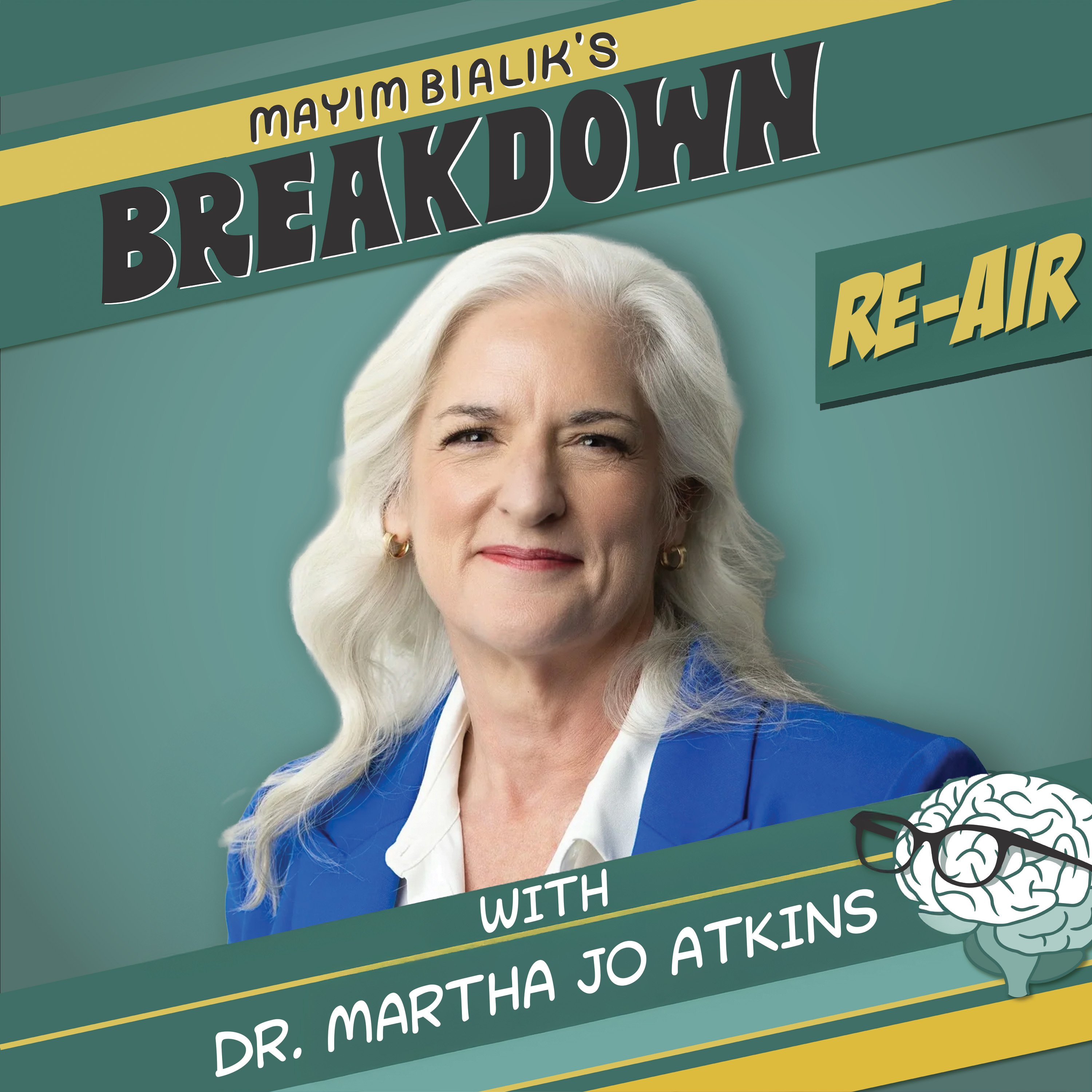
This week, in honor of National Family Caregivers Month, we’re revisiting an amazing episode from last year with Dr. Martha Jo Atkins, licensed end-of-life counselor and death doula. Drawing on decades of guiding people through their final moments, she reveals the spiritual, biological, emotional, and psychological changes that occur when consciousness leaves the body—offering profound insights into life after death and the mysteries of the dying process. You’ll hear jaw-dropping stories of deathbed visions, including dream shifts, visits from deceased loved ones, and shared death experiences where relatives actually feel what the dying person is experiencing. Dr. Atkins shares what she’s witnessed that made her believe in the afterlife, what understanding death can teach us about living, and her own supernatural encounters—from speaking to deceased loved ones in dreams to eerie hospice hauntings. Dr. Atkins also breaks down: Why we’re so afraid to talk about death—and how doing so mak
The Jumper (The Leap-Frog) by Hans Christian Andersen — A Short Funny Bedtime Story for Sleep | Books at Bedtime Drift off to sleep with The Jumper by Hans Christian Andersen, also known as The Leap-Frog, a short and playful fairy tale read aloud by Martin Hewlett on Books at Bedtime, the sleep story series from Calming Anxiety. A flea, a grasshopper and a skipjack decide to find out which of them can jump the highest, and the whole world is invited to watch. The king makes it worth their while: whoever jumps highest shall marry his daughter. The flea has beautiful manners and young ladies' blood in his veins. The grasshopper wears the green uniform he was born in and boasts of his ancient family in Egypt and his three-storey house of playing cards. The skipjack, a little toy made from a goose's wishbone, a lump of wax and a bit of stick, says nothing at all, which everyone takes to mean he must be thinking all the more. When the great contest begins, the flea leaps so high that no one
No Fiber on the Ketogenic diet! So when would I prescribe fiber? Fiber doesn't help us like we've been told for so many years. Watch this video to learn what fiber really does to our gut lining.--------------------- Link to Study: https://www.wjgnet.com/1007-9327/full/v18/i33/4593.htm --------------------- The Workbook: https://bozmd.com/product/ketocontinuum-consistently-keto-diet-for-life-paperback-edition/ --------------------- Thanks for checking out the Dr. Boz Channel. See links below resources and recommendations. Tune in Tuesday nights, 6PM Eastern/5PM Central to watch me Live! We improve health - One ketone at a time. --------------------- FREE STUFF 50 Keto Fat-Facts: http://on.bozmd.com/50fat Dr. Boz Ratio Spreadsheet: http://on.bozmd.com/DBR Documentary Playlist: https://on.bozmd.com/AT --------------------- Dr. Boz’s Online Courses: Consistently Keto: http://on.bozmd.com/CK BRAINS: https://bozmd.com/Brains_t2r/ --------------------- WAYS TO SUPPORT THIS CHANNEL: Share Dr.
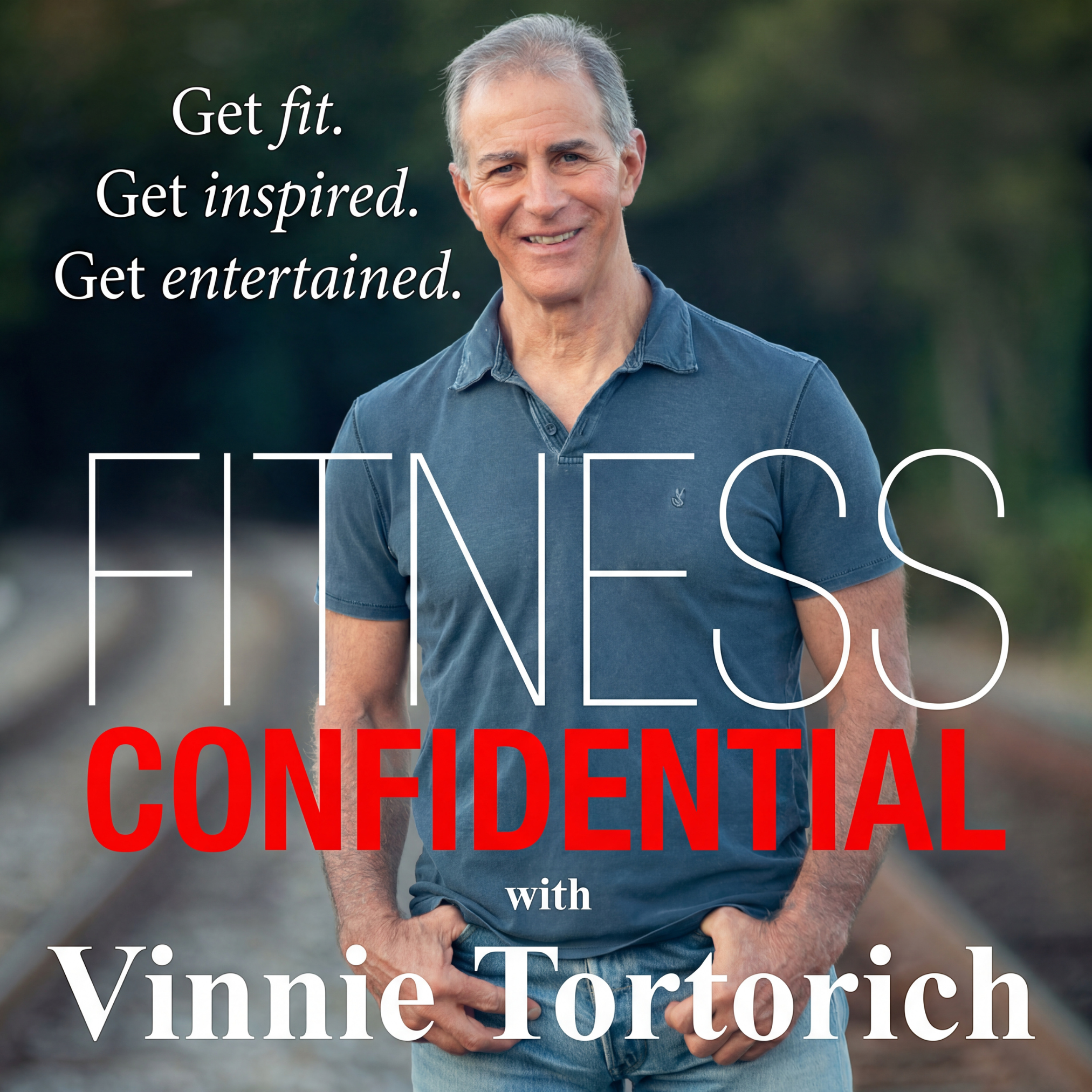
Episode 2885: Vinnie Tortorich and Wendy Strgar discuss why vaginal health matters for women's overall health and removing shame from the conversation. https://vinnietortorich.com/2026/11/vaginal-health-matters-episode-2885 PLEASE SUPPORT OUR SPONSORS Pure Vitamin Club VILLA CAPPELLI EAT HAPPY KITCHEN YOU CAN WATCH THIS EPISODE ON YOUTUBE: @FitnessConfidential Podcast Vinnie's workout videos are available to purchase! TO PURCHASE VINNIE'S WORKOUT VIDEOS, CLICK THIS LINK: https://vinnietortorich.com/workout Vaginal Health Matters Today's topic is vaginal health. The conversation may be too sensitive for younger listeners, so parental discretion is advised. Vaginal health is part of overall health. It's okay to talk about it openly. There's no need for shame or embarrassment. The vagina has its own balance of bacteria. When that balance changes, someone may notice an unusual smell or discharge. Itching, pain, or discomfort can also be a sign that something is off. pH is one part of that
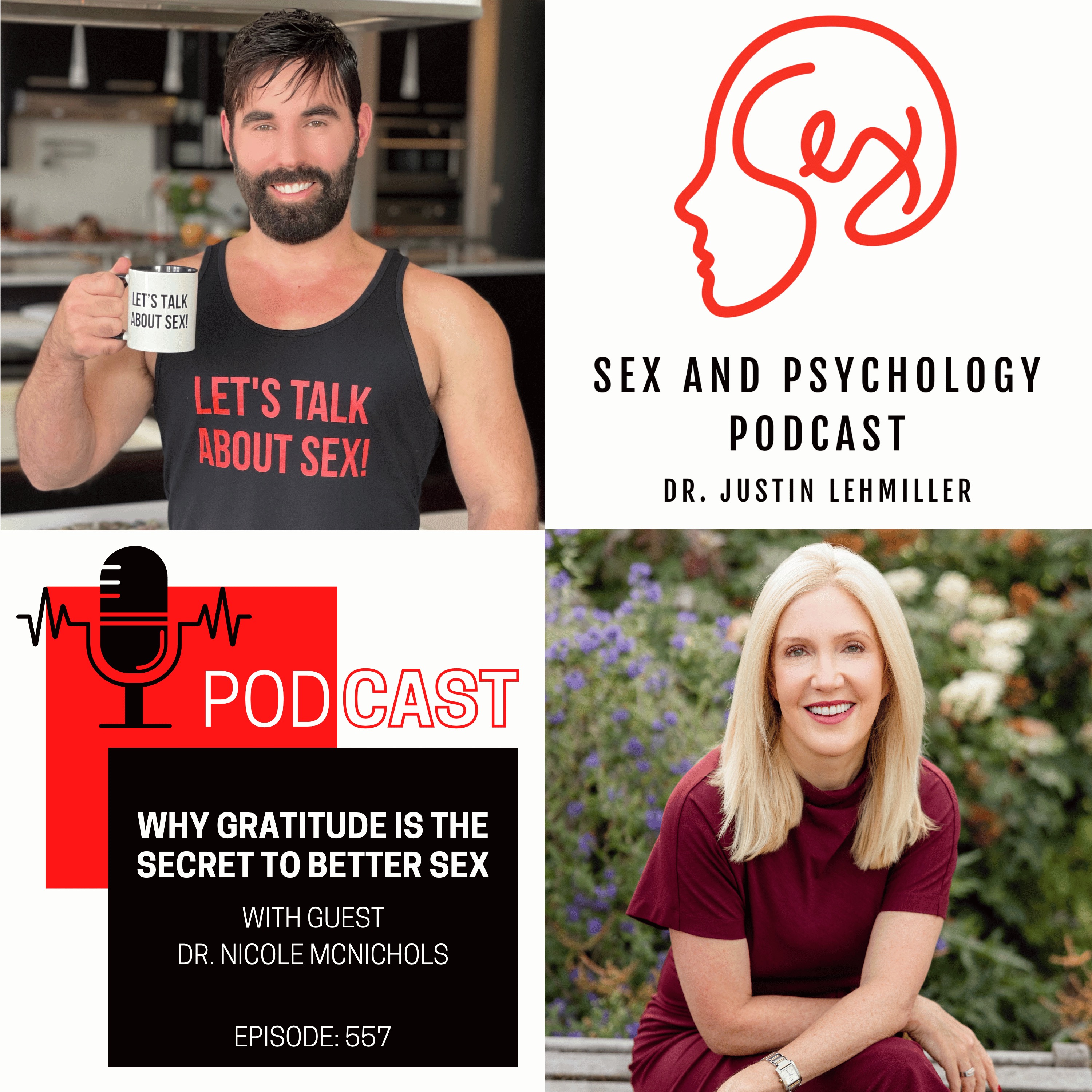
Thanksgiving is a time to reflect on the things we're grateful for, but when was the last time you stopped to appreciate your sex life? In this episode, we're exploring the surprising connection between gratitude and sexual desire. We'll discuss how feeling appreciated can strengthen intimacy, why gratitude can motivate us to be more attentive to our partners' needs, and simple ways to bring more appreciation into our sex lives without turning it into another obligation. I am joined once again by Dr. Nicole McNichols (https://nicolethesexprofessor.com/about-nicole/), an Associate Teaching Professor in the Department of Psychology at the University of Washington. Nicole's course, "The Diversity of Human Sexuality," is the largest and most popular course in the university's history with four thousand enrolled students each year. Nicole is author of the book You Could Be Having Better Sex. (https://link.amazon/B0iYWx0Q4) Some of the specific topics we cover include: What does it mean to p
In case you missed it, Kathy recaps this week's episodes and gives her two cents on all the naughty things her guests are up to. Tune in to hear all about Siren's hardcore slut weekends, the sex parties she throws and her new poly relationship, Lady Em's unconventional sexless marriage and all the naughty things she does without her husband, Matt's reservations about solo play and why Kathy thinks men need to be allowed to have feelings too, Razor Rob's relationship with a nympho size queen who repeatedly cheated on him and why he stays with her now that they're in a sexless relationship, the hotwife who hooked up with a celebrity and the clues Kathy gives about who he is, Jay and Julie's hardcore female-led relationship and why Julie is just as into humiliating her husband as he is into being humiliated, Lena's sexually repressed upbringing as a Jehovah's Witness and how HRT completely transformed her sex life, plus a whole lot more. GET A COPY OF THE STRICTLY ANONYMOUS BOOK! A bunch
In the news: The latest national survey of drug and alcohol use shows tobacco use has dropped to 5.6 percent but 1 in 4 Australians are still drinking at risky levels. Among people who had recently used cannabis for medical purposes, the proportion who had always obtained their cannabis through a doctor's prescription increased from 1.8 percent in 2019 to 55 percent in 2025. A parliamentary inquiry into the safety and quality of prescribing peptides has been announced. You can have your say here (https://www.aph.gov.au/Parliamentary_Business/Committees/House/Health_Aged_Care_and_Disability/Peptidesafety). A social video from a popular podcast has spread misinformation about the need for an annual pelvic ultrasound to prevent ovarian cancer. This is the evidence based advice (https://www.ocrf.com.au/should-women-have-annual-pelvic-ultrasounds-for-ovarian-cancer). Self-collection cervical cancer screening rates are up in the populations that were previously under screened. References Nat
If you’re over 45 and are having problems with your knee, you might expect to be sent off for a scan of some kind. But a new report shows that may not be necessary, and could be doing you more harm than good. Guest/s Dr Phoebe Holdenson Kimura, Medical Advisor, Australian Commission on Quality and Safety in Health Care and practising GP References Atlas Focus Report: Osteoarthritis of the knee (https://www.safetyandquality.gov.au/data-and-measurement/australian-atlas-healthcare-variation/atlas-focus-report-osteoarthritis-knee)
Australia has the highest incidence of early onset colorectal cancer in the world, but rates are declining in people over 50. One expert says some studies have identified biological differences between early onset and later onset colorectal cancers, and that in young people, the cancers may be triggered by events that occurred in utero and again in adolescence. His latest study shows there are differences in the ideal way to treat early onset bowel cancer with liver metastases, depending on the age of the patient and the biology of the cancer. Guest/s George Baretto, Professor of Surgery, College of Medicine and Public Health, Flinders University References Early-Onset Colorectal Cancer With Liver-Only Metastases: A Retrospective Cohort Study Integrating Prospectively Collected Real-World Clinical and Molecular Data From an Australian National Database (2009–2024) to Guide Treatment Planning (https://onlinelibrary.wiley.com/doi/10.5694/mja2.70266)
Basic household water needs should come before less essential uses during shortages.
Share your view, then see how readers voted. No sign-in required. This poll is shared across stories.
Do you agree or disagree?
Common Quandary
A Common Quandary to discuss
Another conversation to explore, separate from this news story.
Someone holds a grocery line spot while their partner fills the cart. Is that cutting?
A shopper with one item stands ahead of you in a long checkout line. Just before reaching the register, their partner arrives with a cart packed to the top and joins them. They insist they were shopping together all along.
Can one person reserve a place in line for an unknown amount of work?