Best of BiggerPockets Money: Bankrupt at 25 to Financially Independent: How She Built $1.3M
29 min
Listen through the publisher, then discuss the episode here or arrange an in-person Roundtable. Your city determines where to meet.
Roundtables are designed for groups of four, with a shared subject and room for everyone to speak. Come for discussion, with no dating expectation.
Naseema McElroy knows what it's like to start over financially. After going bankrupt at 25, taking on nearly $1 million in debt, and becoming a single mom at 30, she completely changed her relationship with money and went on to build a $1.3 million net worth by 45. She joins BiggerPockets Money hosts Mindy Jensen and Scott Trench to share how she turned her finances around, from selling a home to eliminate debt to learning to control major expenses and consistently invest. Naseema also opens up about the financial setbacks and life changes along the way, why simple investing strategies worked for her, and how she built wealth while raising a family. Her story is proof that even after major financial setbacks, you can rebuild, work toward financial independence, and create a very different financial future. To go beyond the podcast: Interested in working with a Flat Fee Financial Planner? Go to https://biggerpocketsmoney.com/fipro/ Interested in Learning More About Buying a Franchise? Want to better protect your personal identity? Go to:https://incogni.com/bpmoney, code BPMONEY Connect with Naseema McElroy: Website:financiallyintentional.com Social: @financiallyintentional Let’s get your financial house in order!
Episode information is provided by the publisher. Listening takes place on the publisher’s service.
Get the 200+ Page Optimal Living Daily Workbook (PDF) - Free. Want to turn today's episode into an actionable plan? Episode 3779: Joshua Fields Millburn and Ryan Nicodemus of The Minimalists explain the first steps they took to regain control of their money after years of six-figure debt. It starts with a written monthly budget that sorts every expense into essentials, nonessentials and junk, plus a small safety net for emergencies, and then reframes investing as simply paying your future self, automated so you never miss the money. Read along with the original article(s) here: https://www.theminimalists.com/freedom/ Quotes to ponder: "Most of us have no idea where our money is going. We think we know, but we don't really know." "The stricter you are, the sooner you'll be free." "Right now is the best time to start planning for your future." Airwallex is a financial technology company, not a bank. Services in the US are provided by Airwallex US, LLC, a licensed money transmitter (NMLS
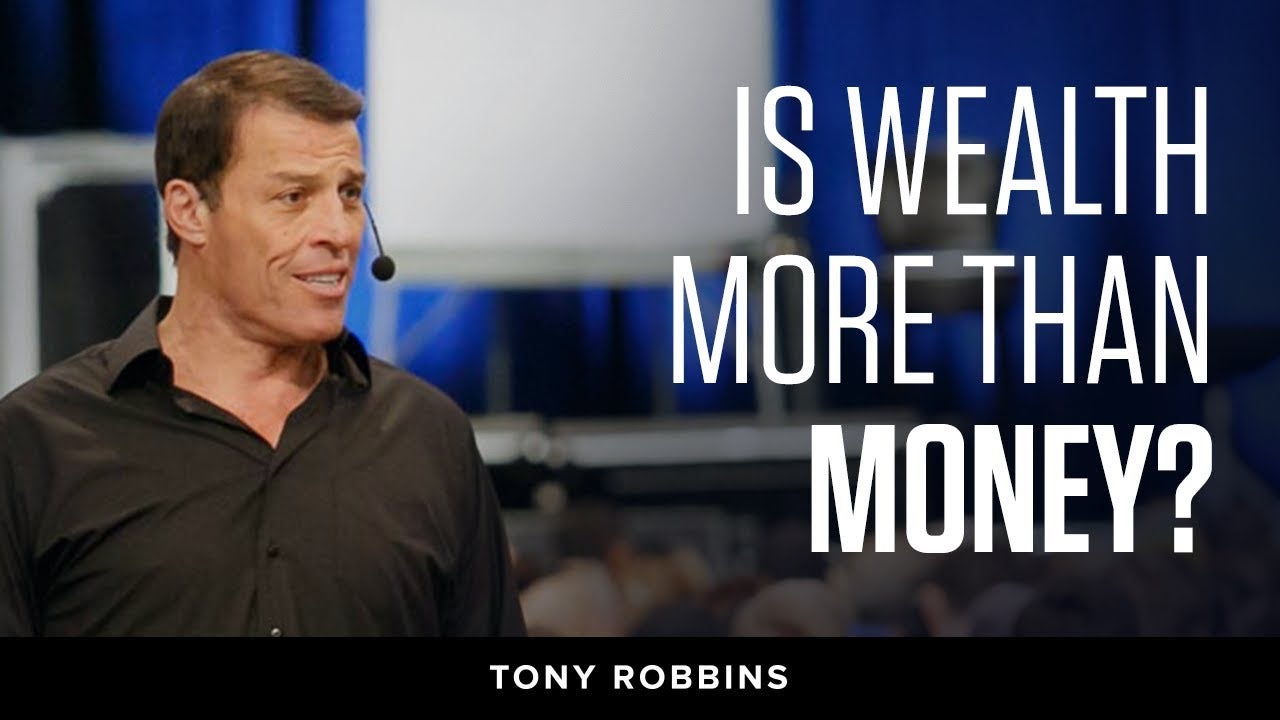
How will you know when you’ve reached true wealth? Is it when you have your dream home? Once you own an expensive car? Perhaps the signifier is when you’re wealthy enough to have your own private airplane? In Tony’s opinion, these are the wrong things to use when measuring your wealth. Uploaded 12-09-19 The people with mansion-sized homes, with three sports cars sitting in the garage, with a private plane that takes them to and from their vacation home – these people may not necessarily have access to true wealth. None of these are indicators of true wealth; they’re indicators of monetary wealth. True wealth is the ability to live life on your own terms. It’s freedom. Tony explains that money itself isn’t wealth, it’s a vehicle – a tool you can use to achieve financial freedom, to go after the dreams you didn’t think were possible, to design your life in a way that makes you feel alive and fulfilled. While Unshakeable is a financial freedom playbook, the process of becoming unshakeable
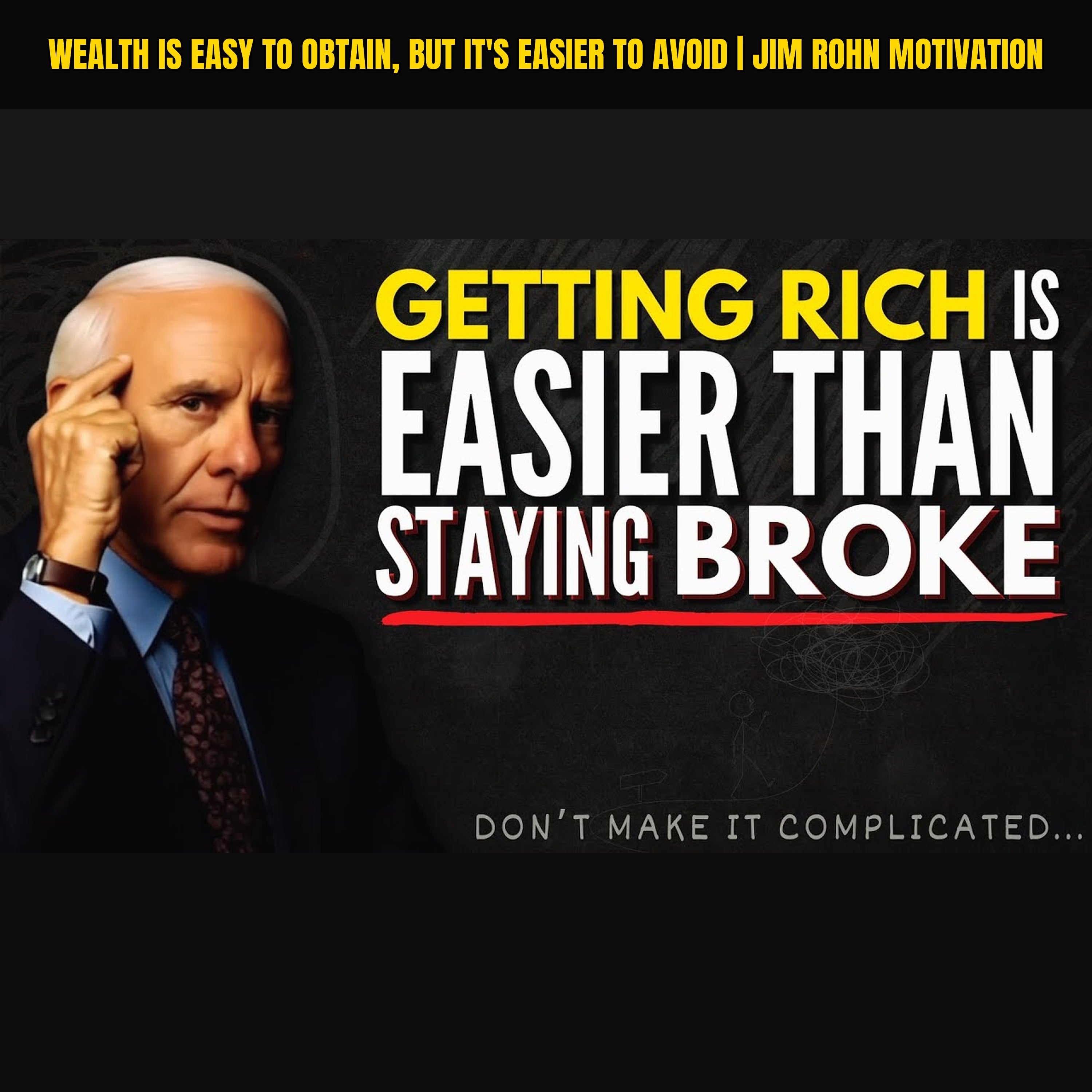
#JimRohnMotivation #JimRohn #JimRohnSpeech In this Jim Rohn Motivation video, discover the truth about wealth building—it’s easy to get rich, but easier not to. Jim Rohn reveals how small, consistent habits—not luck, genius, or perfect timing—create lasting financial success. Learn the simple daily disciplines that separate those who build wealth from those who only wish for it. Key Topics From This Motivational Video: Why the habits that build wealth are simple—but easy to ignore The hidden cost of procrastination, comfort, and distraction How systems—not willpower—drive consistent results Why small daily actions compound into lasting wealth The mindset shift from spending to building Jim Rohn explains that wealth isn’t built on dramatic leaps—it’s built on quiet, repeatable steps practiced over time. The math is simple: earn more than you spend, invest the difference, and let time work its magic. But the challenge isn’t knowing what to do—it’s doing it every day, without excuse, and
The BEST Financial Advice You’ll Hear Today! Now Mark wants to help you become financially free as well. Follow the podcast and turn on notifications! Follow @MarkTilbury on Tiktok, YouTube, Twitter & IG Disclaimer: All content rights belong to Mark Tilbury. This Podcast is fan-made. No copyright infringement intended. ---- ---- Keywords: career advice, financial independence, millionaire secrets, job interview, buying vs renting, money tips, get rich, passive income
This episode is brought to you by Sarmaya Partners. Learn more about Sarmaya’s LENS ETF, their full data and comparison, including performance here: https://sarmayaetf.com/ In this episode of Other People's Money, Max Wiethe sits down with Muddy Waters Capital founder Carson Block to discuss his firm's explosive new short thesis on Nvidia. Block breaks down the alarming connections between a former Nvidia executive and a former SMCI executive recently implicated in a major chip smuggling scandal. The conversation dives deep into the national security implications of dual-use technology and how the ongoing geopolitical tug-of-war between the US and China is reshaping the semiconductor sector. Tune in to hear why Block believes this scandal goes far beyond CEO indiscretions and could trigger a massive regulatory reckoning for Silicon Valley's biggest players. Follow Muddy Waters on X: https://x.com/muddywatersre Follow Max on X: https://x.com/maxwiethe Follow Other People’s Money on: App
This is a PREVIEW of the upcoming episode of Change Agents. The full episode drops tomorrow at 5pm EST Uploaded 18-06-26 On this week's episode of Change Agents, Andy travels to Chase Hughes' new studio to break down how human behavior is manipulated at scale, from bot farms manufacturing fake consensus to the psychological framework Chase calls WOUND that explains why outrage, fear, and loneliness keep us glued to our phones. They dig into why Chase believes the algorithm is less a sinister mastermind and more an engine optimized purely for ad revenue, how think tanks may shape policy more than most people realize, and why Walter Cronkite and Julia Child both have far stranger backstories than anyone learned in school. Andy also gets a tour of Chase's new independent news studio, Station One, built to show audiences the psyops behind the headlines rather than just the headlines themselves. Change Agents is an IRONCLAD Original Firecracker Farm Norwood Sawmills: Learn more about Norwoo
Can you build wealth through real estate without being the one managing the properties? Paul Shannon has operated roughly 500 units and invested passively in more than 40 real estate deals, giving him plenty of experience on both sides of the business. He joins Mindy Jensen and Scott Trench to discuss the tradeoffs between active and passive investing, what he's learned from deals that went wrong, and how he evaluates sponsors and investment opportunities. They also dig into rising interest rates, real estate debt funds, diversification, and why Paul thinks today's market could offer opportunities for investors who know what they're doing. If you're considering passive real estate investing or wondering how to incorporate real estate into your financial independence plan, this episode offers a candid look at both the potential rewards and the risks. To go beyond the podcast: Interested in working with a Flat Fee Financial Planner? Go to https://biggerpocketsmoney.com/fipro/ Interested
Are you making your Coast FI number higher than it needs to be? Mindy Jensen and Coast FI co-host Evan Lawler break down how investment returns, inflation, retirement spending, and withdrawal rates affect your Coast FI target. Using Evan's own numbers, they show how changing one assumption can push your projected Coast FI age back by five years and why being overly conservative with your retirement calculator could mean working and saving longer than necessary. They also explain how to choose realistic assumptions, whether you should keep investing after reaching Coast FI, and why it's important to revisit your financial independence plan as life and markets change. The goal isn't to ignore risk, but to build a reasonable plan that gets you to financial freedom without unnecessarily moving the finish line. To go beyond the podcast: Interested in working with a Flat Fee Financial Planner? Go to https://biggerpocketsmoney.com/fipro/ Interested in Learning More About Buying a Franchise? W
Tax planning isn't something you should only think about in April. The end of the year is an important time to review your income, investments, and retirement contributions to make sure you're taking advantage of opportunities to save on taxes. CFP Adrianna Adams from Domain Money joins BiggerPockets Money hosts Mindy Jensen and Scott Trench to walk through the tax moves worth considering before December 31, from harvesting investment gains and losses to Roth conversions and checking your withholding. But smart tax planning is about more than lowering this year's tax bill. Adriana explains how to think about taxes over your entire lifetime, when it makes sense to take advantage of lower tax brackets, and how to avoid common mistakes that could cost you down the road. Whether you're still in your peak earning years or getting closer to financial independence, having a tax strategy can make a big difference. Early Retirement Group, LLC (“BiggerPockets Money”), is acting as a promoter for
Schools should explain the purpose of a rule before punishing students for breaking it.
Share your view, then see how readers voted. No sign-in required. This poll is shared across stories.
Do you agree or disagree?
Common Quandary
A Common Quandary to discuss
Another conversation to explore, separate from this news story.
Your neighbor keeps playing music at midnight. How many friendly warnings do they get?
A neighbor regularly plays music late enough to disturb your sleep. Friendly requests help briefly, but a formal complaint could threaten their lease in a building with few affordable options.
How far should empathy extend when someone repeatedly ignores your needs?