Boundaries Of Pain | Private Pains Shouldn't Be Public Entertainment
5 min
Listen through the publisher, then discuss the episode here or arrange an in-person Roundtable. Your city determines where to meet.
Roundtables are designed for groups of four, with a shared subject and room for everyone to speak. Come for discussion, with no dating expectation.
Drawing parallels from biblical narratives, highlights how figures like Hannah and Elizabeth navigated intense public scrutiny and emotional vulnerability regarding their childlessness. It warns against intrusive questioning and predatory individuals who sell false hope to desperate people. Furthermore, the passage emphasizes that human worth and dignity are never defined by personal struggles, as the divine remains close to the brokenhearted. Ultimately, it urges society to respect private boundaries, practice empathy, and replace judgment with supportive, uplifting communication.Some people turn another person's desperation into a business opportunity, selling false hope, making exaggerated promises or demanding money through fear. Genesis 30:1–2 shows the emotional pressure surrounding Rachel's struggle to have children. It reminds us how deeply fertility struggles can affect relationships and self-worth. Be careful of anyone who makes money from your desperation while promising what they cannot guarantee. Every contribution counts. Thank you for being part of our journey!
Episode information is provided by the publisher. Listening takes place on the publisher’s service.
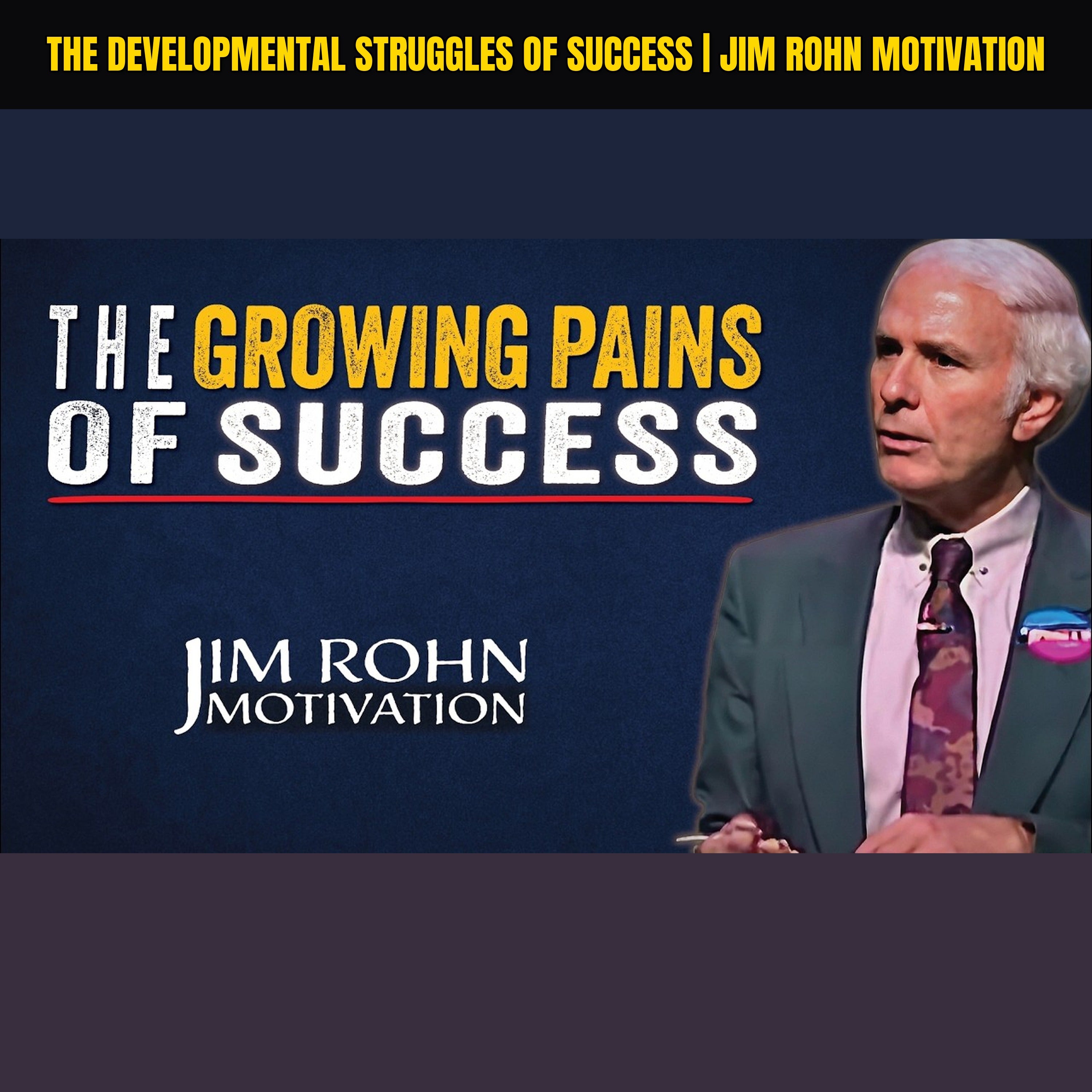
#JimRohnMotivation #JimRohn #JimRohnSpeech In this Jim Rohn Motivation video, you'll discover the truth about the growing pains of success—how pressure, discomfort, and high expectations are not signs of failure, but essential parts of achieving greatness and unlocking your full potential. Key Topics From This Motivational Video: The hidden cost of success: pressure and responsibility Why discomfort is a sign of growth, not failure The four pains of progress: time, expectations, criticism, habits How to manage strain without breaking The ultimate tradeoff: comfort vs. capacity In this powerful Jim Rohn speech, you’ll learn how to reframe pain, stress, and pressure as necessary steps in your journey toward personal development. Whether you're building a business, chasing a dream, or stepping into leadership, this message reminds you that progress demands discomfort—but the reward is lasting growth. Stop fearing the strain and start using it as fuel. This Jim Rohn Motivational Video Is P
Text me what you thought of the show (https://www.buzzsprout.com/1959372/fan_mail/new) Can working night shifts affect your fertility, ovulation or IVF success? After speaking with numerous women trying to fall pregnant while working shifts, including those undergoing expensive IVF treatment, I wanted to explore what the research actually tells us. In this episode of A Healthy Shift, we discuss how night shifts, disrupted sleep and circadian misalignment may affect reproductive health. We cover: Why the fertile window is so short. Shift work, reproductive hormones and menstrual irregularities. What research says about night shifts, fertility and IVF outcomes. The roles of sleep, stress, nutrition, weight and exercise. Practical steps for women trying to conceive while working shifts. Research links shift work with menstrual irregularities, but evidence that night shifts directly cause infertility or reduce IVF success remains uncertain. If you're trying to get pregnant while working ni
Making others happy might just be the key to finding true joy within yourself. In this message, Tony Robbins and Sage Robbins shares how focusing on connection, contribution, and meaningful relationships can lead to a deeper sense of fulfillment and purpose. Uploaded 20-07-25 Watch more videos like this Rebuild Trust and Connection in Any Relationship | Tony Robbins Intervention: https://youtu.be/oq-13UXCsOk These 6 Psychological Needs Control EVERYTHING You Do: https://youtu.be/HVwUfSiZUZM How To Influence ANYONE In Your Life (No Matter How Difficult...): https://youtu.be/nyRnnn82ATg How Your Language Shapes EVERYTHING Around You: https://youtu.be/4uqkkFiT5hk Join "The Edge" - Tony Robbin's FREE weekly newsletter: https://tonyr.co/3YJ0m2L Try Tony AI for just $1: https://tonyr.co/4cr742A Follow Tony Robbins: Facebook: https://www.facebook.com/TonyRobbins Instagram: https://instagram.com/tonyrobbins/ TikTok: https://www.tiktok.com/@tonyrobbins Twitter: https://twitter.com/tonyrobbins L
Your free behavior course: https://nci.university/learn Uploaded 10-05-25 Exclusive NCI-4 (Grad School) Vault Release This is Behavioral Magnetics—the hidden force that draws you back to chaos, to patterns you swore you’d outgrow, to people who echo your oldest pain. It’s why peace feels boring. Why CALM makes you anxious. It’s not intuition—it’s your nervous system recycling what it knows. In this Grad School lecture, we uncover the 4 emotional magnets that shape who you trust, chase, or sabotage... even when it hurts. If you've ever said, “Why do I keep doing this?”—this is your answer. Why you're attracted to the wrong people The 4 types of emotional magnets How trauma rewires your compass Why peace can feel like withdrawal How to break free from recycled patterns Please note that the content provided in this broadcast is for informational and educational purposes only and should not be construed as legal, medical, financial, or professional advice. No material in this communication
Why is the manosphere so appealing to young men? What does it actually mean to be a good man? To join our journaling club, with 10,600 + others, subscribe to my imperfect email - https://www.theimperfects.com.au/sign-up-to-our-newsletter/ Journalist Marc Fennell joins us in the studio to talk about the manosphere: what is it? what are its consequences? and how can we talk to our kids about it? Marc explores with Hugh, Ryan and Josh why the manosphere is so appealing to young men, especially those who think they have little value to offer, and Josh questions what his reaction would have been, if he had of been exposed to the manosphere at a vulnerable time. We look at ‘toxic masculinity,’ and the impact of being right versus making change, and in a moment of vulnerability, Marc discusses the importance of self reflection of your own behaviour. Chapters: Chapters 00:00:00 – Marc Fennell on the Manosphere [TRAILER] 00:01:01 – Ryan’s doppelganger (and media buff etc) 00:04:24 – The State o
Read: Romans 5:10; 1 Corinthians 15:57-58; 16:13-14 (https://www.biblegateway.com/passage/?search=Romans+5%3A10%3B+1+Corinthians+15%3A57-58%3B+16%3A13-14) “I’m done trying to be nice to Josh!” Eli told his mom. “He’s so mean! When I asked if he wanted to be my lab partner in science today, he laughed and said he wouldn’t be caught dead with a—well, I won’t repeat what he called me.” Eli flung his backpack into the hallway closet. “I was just trying to reach out to him because he doesn’t have any friends. Now I know why—he doesn’t want any!” Mom was about to respond when a sharp yip followed by a howl of pain came from outside. “That’s Mitsy!” Eli shot out the back door. He found his puppy crouched on the ground, her paw caught underneath the fence. Every time she moved, a sharp barb of wire jabbed her flesh. Eli knelt beside her and reached for the trapped paw. “Grrrr!” Mitsy growled, baring her teeth. Eli drew back in surprise. “Mitsy! Why are you growling at me? I only want to help y
Being considerate is a good thing. It means recognising that your words, choices and actions affect other people. But sometimes, the desire to keep everyone happy slowly becomes a habit of abandoning yourself. You agree when you want to say no, apologise when you have done nothing wrong, hide your opinions to avoid disagreement and make decisions based on how people might react. The difference is whether your consideration comes from genuine love or from the fear of being rejected. Every contribution counts. Thank you for being part of our journey!
Scripture: 1 John 4:1–6; Matthew 7:15–20; 1 Kings 13:1–24 Not everything that sounds spiritual comes from God. Sometimes, deception does not arrive looking dangerous; it comes through people who speak confidently, quote Scripture or claim to have received a message from God. 1 Kings 13, a man of God receives a clear instruction from the Lord, but an older prophet later approaches him and claims that an angel has given him a different instruction. Every contribution counts. Thank you for being part of our journey!
Proverbs 4 gives us an important instruction: guard your heart above everything else because everything we do flows from it. In the biblical understanding, the heart is more than a place where emotions live; it represents our thoughts, desires, decisions and inner character. What we repeatedly listen to, entertain, believe and allow into our lives can gradually shape the people we become Every contribution counts. Thank you for being part of our journey!
People directly affected by a local change should have more influence than other residents.
Share your view, then see how readers voted. No sign-in required. This poll is shared across stories.
Do you agree or disagree?
Common Quandary
A Common Quandary to discuss
Another conversation to explore, separate from this news story.
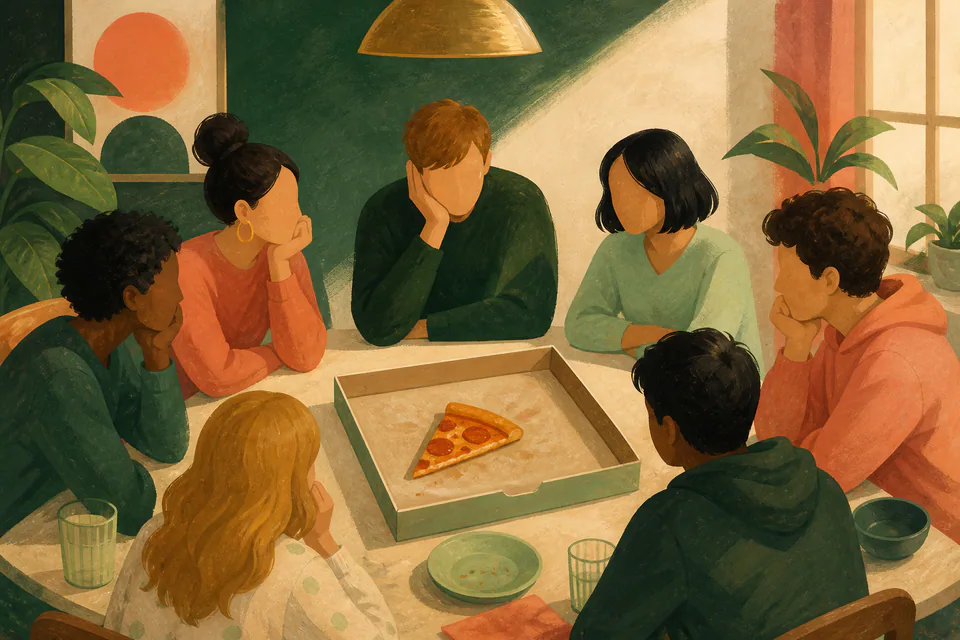
One slice of pizza remains and everyone is pretending not to want it. Can you take it?
Six friends have been circling the last slice of pizza for twenty minutes. Nobody claims it when you ask, yet two people keep glancing at the box. You are still hungry and paid the same share as everyone else.
Does politeness require leaving something that nobody will openly claim?