Brian Lehrer Weekend: A Defense of Liberalism; Health Insurance Changes; Tracking Your Kids
59 min
Listen through the publisher, then discuss the episode here or arrange an in-person Roundtable. Your city determines where to meet.
Roundtables are designed for groups of four, with a shared subject and room for everyone to speak. Come for discussion, with no dating expectation.
Three of our favorite segments from the week, in case you missed them. Fareed Zakaria on Defending Liberalism (First) | Health Insurance Costs Are Rising. Here’s How to Navigate It (Starts at 23:46) | Who Loses Out When Parents Track Their Kids' Every Move? (Starts at 44:34) If you don't subscribe to the Brian Lehrer Show on iTunes, you can do that here (https://itunes.apple.com/us/podcast/brian-lehrer-show-from-wnyc/id73331636?mt=2). Hosted by Simplecast, an AdsWizz company.
Episode information is provided by the publisher. Listening takes place on the publisher’s service.
Screen time in schools, kids and AI: why Australian students just posted their worst ever reading and maths results. The federal Education Minister says screens are part of the problem. Sweden led the world putting tablets in classrooms and is now pulling them back out. NSW will cap kindy kids at 15 minutes of screen time a day from next year. So were the "hippie" Steiner schools ahead of their time all along? Karl sits down with Andrew Hill, CEO of Steiner Education Australia, which represents 53 schools that keep screens out of early childhood classrooms. Andrew explains why some Silicon Valley tech executives sent their own kids to a screen-free Steiner school, who has profited from a laptop for every kid ("the terrible thing about handwriting is that it's free"), and why he believes Bluey's creator modelled the show's school on a Steiner school in Queensland. Karl also puts the tough questions: Will kids without screens be left behind? Is it all woo-woo? What about bullying, fees a
Alex Murdaugh's murder retrial has a new question hanging over it, and it starts with a shirt. The defense says SLED's lead agent, David Owen, described blood spatter to the grand jury even though the agency's own lab had found no human blood in tested stains. It also challenges his claim that shotguns at Moselle were loaded like the weapon used to kill Paul. At the November 13 hearing, Judge Debra McCaslin heard the arguments and did not toss the charges. She said she would try to issue a written decision by November 20. Before adjourning, she asked whether prosecutors could return to a grand jury and keep the April 5, 2027 retrial date. That's a practical question, not a verdict about anyone's honesty. Creighton Waters argued that Owen's statements were not intentionally deceptive and that the spatter expert continued to stand by his interpretation. The State also points to the kennel video and other evidence it says supports the indictment. The defense counters that the grand jury s
Alan Milburn wants to scrap Pip for under-25s and replace the Universal Credit health element with a new youth allowance. He says the plan could get 440,000 young people into work within a decade and eventually save £3.6 billion a year. With 981,000 young people not in education, employment or training, nobody disputes the scale of the problem. They disagree about its cause. Milburn insists this is not a generation lacking resilience. Yet his own report finds that benefit claims have outpaced any rise in ill health, and it warns of overdiagnosis of ADHD and autism. Michael Simmons puts that contradiction to Milburn directly. He also asks whether the National Insurance and minimum wage rises are pricing young people out of the jobs they need most. Can welfare reform get a generation back to work – or is the deeper problem a loss of resilience that no policy can fix? This episode is brought to you by Raymond James. Combining deep insights into who you are with our financial expertise, th
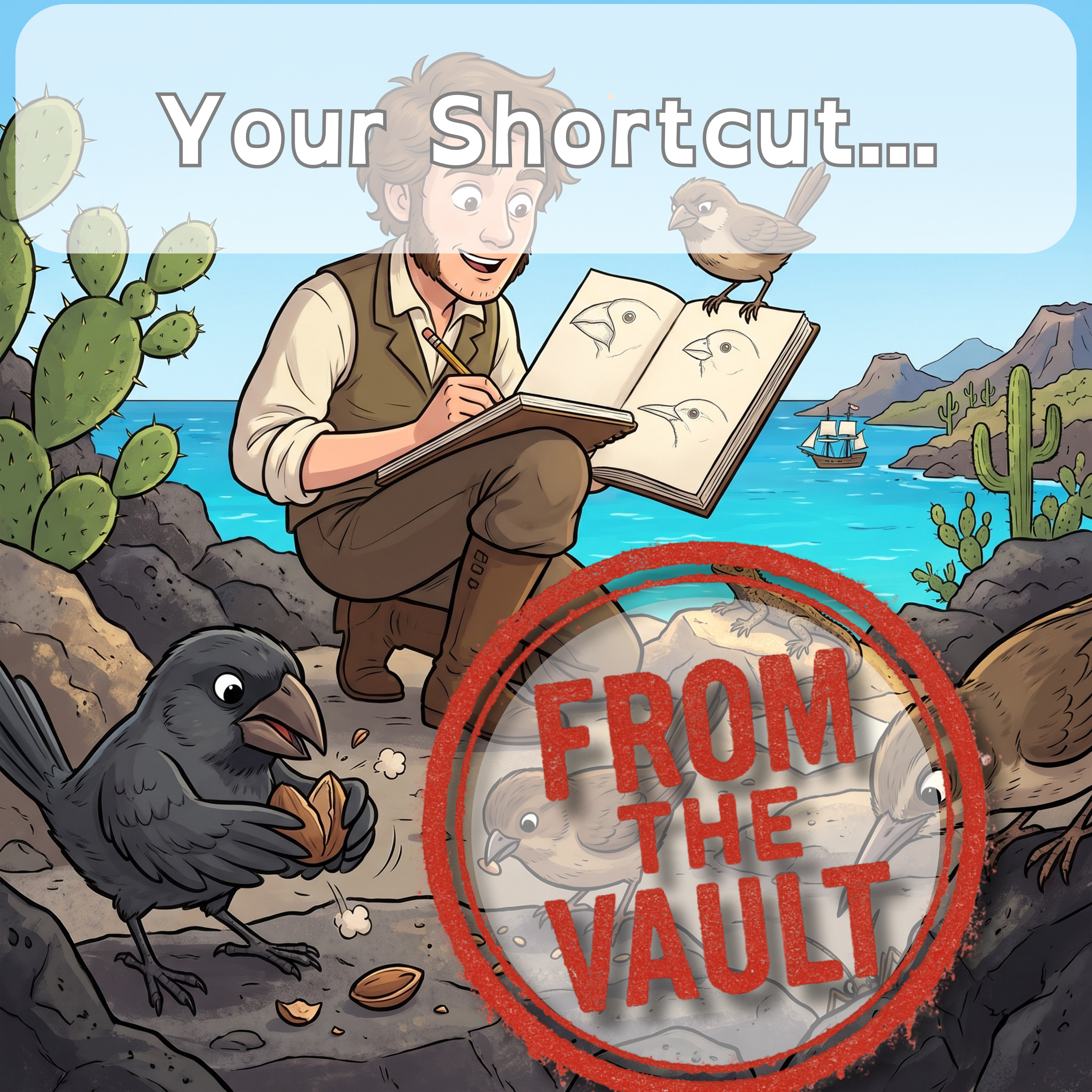
Tuesday 24 November marks the anniversary of the publication of Charles Darwin’s On the Origin of Species in 1859. So this week, we’re dusting off our Shortcut to Evolution to find out how living things change over generations and how all life on Earth is connected. Join Christie and Bryce as they travel back in time in the Squiz Kids Time Machine, dig into the clues fossils leave behind and meet two scientists who came up with the idea of natural selection independently, Charles Darwin and Alfred Russel Wallace. Along the way, find out what bird beaks can tell us about survival and how tiny changes in DNA can help shape life over generations. Listen carefully … there’s a S’Quiz at the end!
SEC Mike & Cousin Shane are back to recap the wild weekend of action in the SEC! Tennessee beats LSU (5:00), Georgia beats South Carolina (17:45), Texas beats Arkansas (24:00), Oklahoma beats Texas A&M (34:30), Mizzou beats Kentucky (40:45), Florida beats Vanderbilt (46:00), Alabama beats Chattanooga (51:00), Ole Miss beats Wofford (52:20), Miss State beats Tennessee Tech (53:30), Auburn beats Samford (55:00), SEC Championship Game (56:45), guessing Rivalry Week lines (1:02:00) OMAHA STEAKS: https://OmahaSteaks.com (https://omahasteaks.com/) Get 16 burger patties when you order $100 or more using code SEC at checkout. Want to help us grow the channel? We have t-shirts for sale! Hosted by Simplecast, an AdsWizz company.
Texas fans finally got to relax and enjoy a complete performance as the Longhorns crushed Arkansas 45–3. Jeff Howe, Gerry Hamilton and CJ Vogel play the best viewer voicemails and discuss an offense gaining confidence, a dominant defense, meaningful snaps for young players and what may have been Texas’ most enjoyable win of the season. Attention now turns to College Station, where Texas can strengthen its playoff position by beating an A&M team with nothing left to lose. The crew examines whether the Arkansas performance can carry into the postseason, the injuries affecting Texas’ secondary and offensive line, and which players must step up as the Longhorns prepare for Rivalry Week. Thank you to our sponsor: Promo Code: ONTEXAS Hosted by Simplecast, an AdsWizz company.
Three of our favorite segments from the week, in case you missed them. Schumer vs. Van Hollen (First) | Wild NYC: Trees (Starts at 45:05) | Are You Polite to AI Bots? (Starts at 59:51) If you don't subscribe to the Brian Lehrer Show on iTunes, you can do that here (https://itunes.apple.com/us/podcast/brian-lehrer-show-from-wnyc/id73331636?mt=2). Hosted by Simplecast, an AdsWizz company.
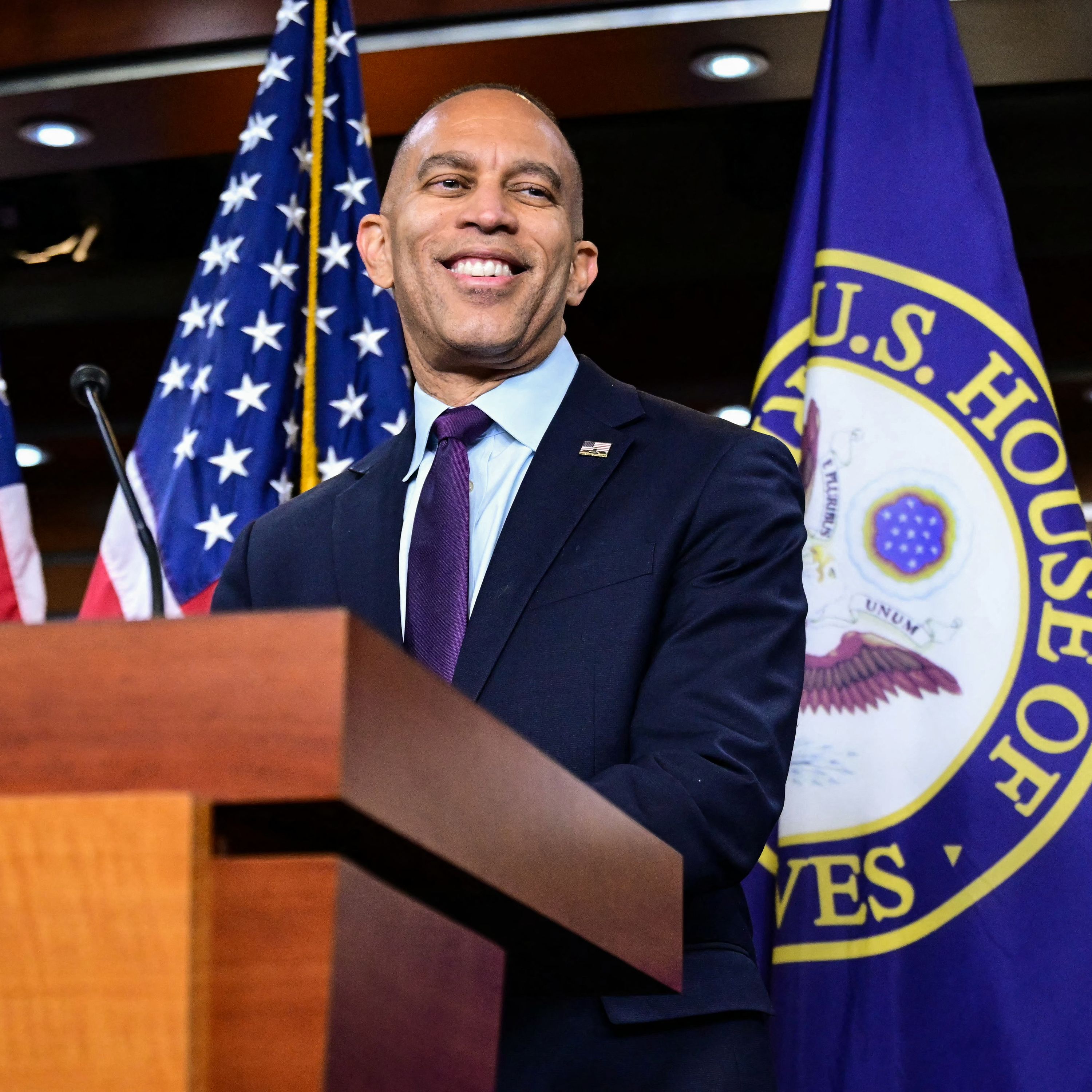
Congressman Hakeem Jeffries is on the edge of becoming the first Black speaker of the House, after a vote this week where Democratic members nominated him for the role. Errol Louis, political anchor of Spectrum New NY1, host of "Inside City Hall (https://ny1.com/nyc/all-boroughs/politics/inside-city-hall)" and "The Big Deal with Errol Louis, (https://spectrumlocalnews.com/section/the-big-deal)" New York Magazine columnist (https://nymag.com/author/errol-louis/) and host of the podcast"You Decide: (https://ny1.com/nyc/all-boroughs/politics/you-decide-with-errol-louis)talks about his Brooklyn roots, and how he might lead the "big tent" Democratic caucus. Photo: US House Minority Leader Hakeem Jeffries, Democrat from New York, speaks during a news conference at the US Capitol in Washington, DC, on November 18, 2026. (SAUL LOEB / AFP via Getty Images) Hosted by Simplecast, an AdsWizz company.
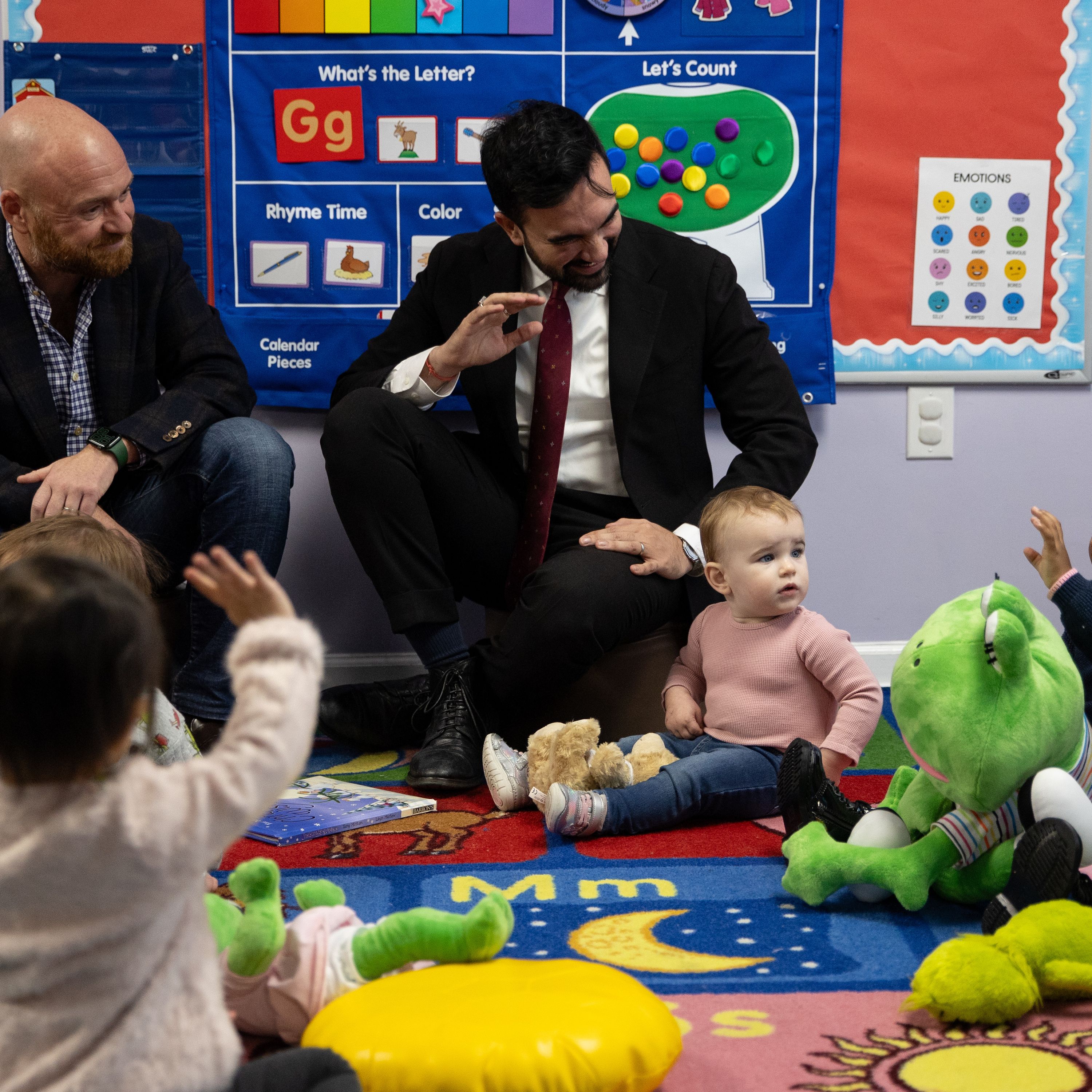
Grace Rauh, executive director of Citizen's Union, talks about their new report (https://citizensunion.org/document/2026-11-17/new-report-free-child-care-in-nyc-could-deliver-a-boost-to-new-yorks-economy/) on the "cost" of childcare to NYC and why making it free would boost the economy. Photo: New York City Mayor-elect Zohran Mamdani interacts with children during his visit to a childcare center in Manhattan, New York, U.S., (Mostafa Bassim/Anadolu via Getty Images) Hosted by Simplecast, an AdsWizz company.
Long-term public borrowing should account for the burden placed on future generations.
Share your view, then see how readers voted. No sign-in required. This poll is shared across stories.
Do you agree or disagree?
Common Quandary
A Common Quandary to discuss
Another conversation to explore, separate from this news story.
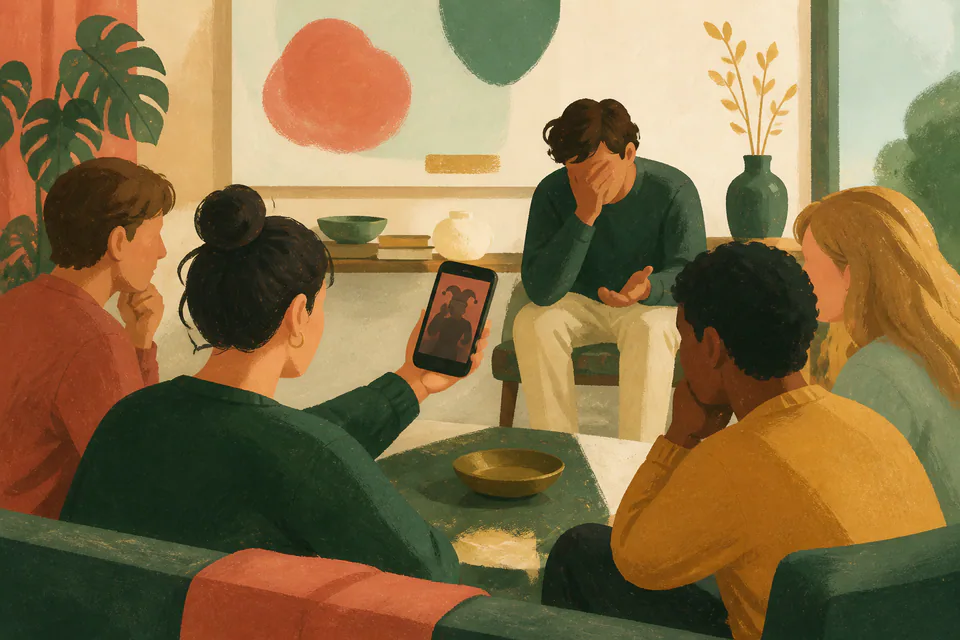
A private joke from years ago goes public. How long should it follow the person who wrote it?
Someone shares a screenshot of a tasteless joke made years ago in a private friends' chat. The person who wrote it says they were performing for a small audience, have changed, and never agreed to have the message made public.
How private should speech remain when it reveals something troubling?