Brian Lehrer Weekend: Measles; NYC Food Insecurity; Shop Listener
70 min
Listen through the publisher, then discuss the episode here or arrange an in-person Roundtable. Your city determines where to meet.
Roundtables are designed for groups of four, with a shared subject and room for everyone to speak. Come for discussion, with no dating expectation.
Three of our favorite segments from the week, in case you missed them. KFF Health News public health correspondent and editor Amy Maxmen reports on the United States losing its measles elimination status (First) | Leslie Gordon, president and CEO of The Food Bank for New York City, on the state of food insecurity in NYC (Starts at 36:10) | Shop Listener 2026 launch (Starts at 57:10) If you don't subscribe to the Brian Lehrer Show on iTunes, you can do that here (https://itunes.apple.com/us/podcast/brian-lehrer-show-from-wnyc/id73331636?mt=2). Hosted by Simplecast, an AdsWizz company.
Episode information is provided by the publisher. Listening takes place on the publisher’s service.
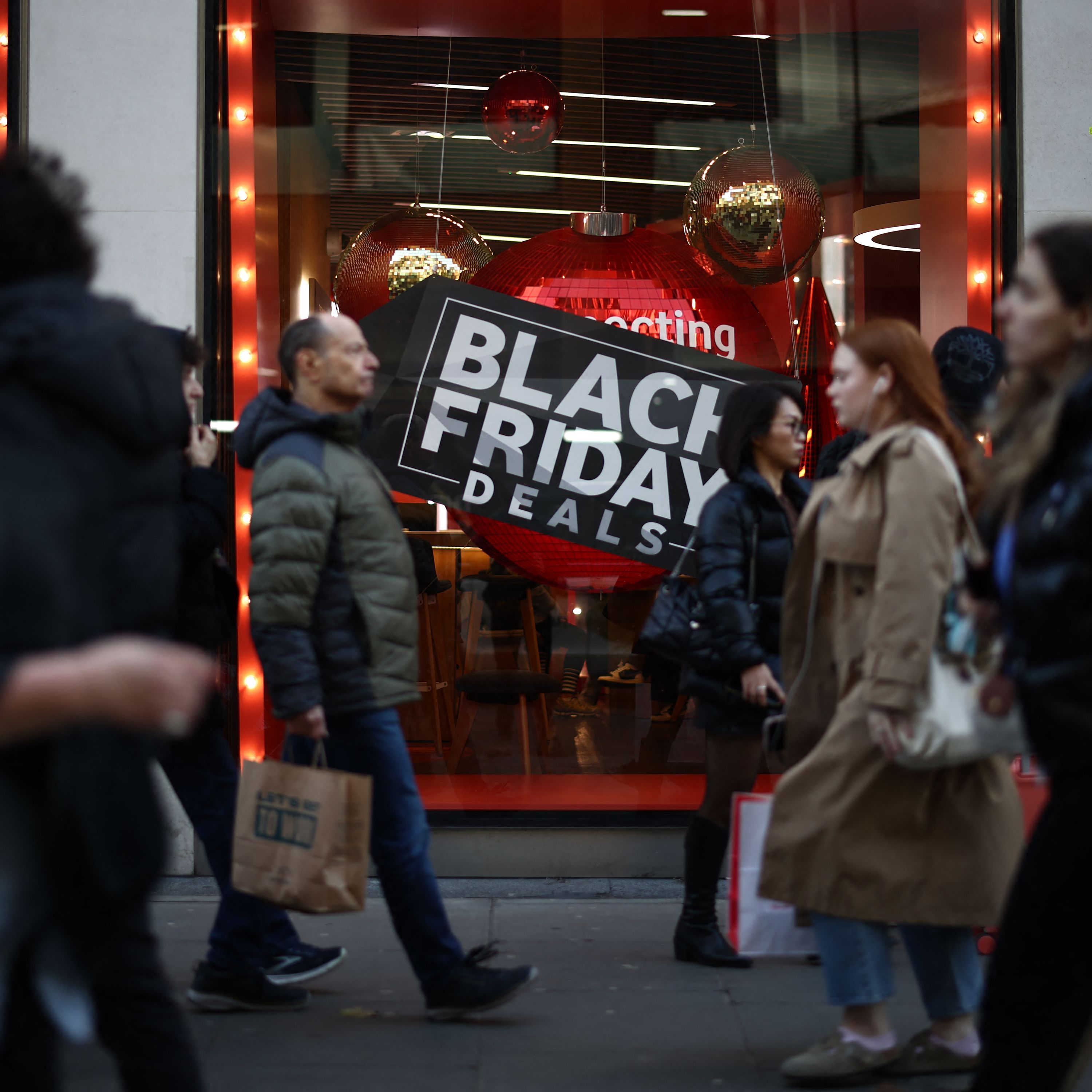
November 27, 2026; 8am: MS NOW Reports covers NVIDIA’s halted AI chip sales in Southeast Asia, President Trump’s support for Jensen Huang, the Iran war, measles travel concerns, Black Friday shopping and SpaceX’s proposed orbital data centers. The hour highlights how politics, national security, public health and consumer pressure are shaping the holiday news cycle. Hosted by Simplecast, an AdsWizz company.
Mubix from Hak5 joins us to talk about what Artex is and why it's empowering malicious actors, how tools are both helping and hurting security defenders, and a group of younger people avoiding anything to do with AI. Starring Tom Merritt and Rob Fuller. In this episode ARTEX and the attacker’s advantage. What is ARTEX, how does it speed up familiar attacks, and how long might that advantage last? AI in threat hunting. Where do generative AI tools help defenders spot and investigate threats, and where do they make the job harder? Opting out of AI. Why are some younger people choosing not to use AI tools, and what could that mean for the next generation of security professionals? Further reading Offsec Harness Index (https://offsecharnesses.ai/) GitHub - BaaRai/ARTEX: Actively maintained ARTEX: AI autonomous penetration testing system. Self-hosted, model-agnostic, evidence-backed findings. Community continuation of Autumn-27/ARTEX, AGPL-3.0. (https://github.com/BaaRai/ARTEX) Microsoft Th
In this hour of College Football Tailgate Show, host Tim Murray talks about the biggest matchups of the weekend. Collin Wilson joins the show to talk about his favorite spots for the weekend in College Football. Tim is also joined by Chuck Esposito and helps go into Behind the Counter to talk about what the sportsbook sees for the College Football landscape. Dustin Swedelson joins the show and Tim wraps up the show with his best bets of the day. Start today for just $9.99—or save 50% with a VSiN Pro annual subscription. Sign up now at VSiN.com/subscribe New users, sign up with promo code VSiN, make a minimum $100 deposit into your EDGE Boost account, and EDGE Boost will match your deposit up to $100 https://www.edgeboost.bet/guide/?oid=198&affid=86 (https://www.edgeboost.bet/guide/?affid=86&oid=198) Looking for the perfect holiday gift? Give the spirit of Hawai‘i with Na Hoku — Hawai‘i’s Finest Jewelers Since 1924. From island-inspired classics to modern fine jewelry, Na Hoku creates p
Enjoy this special feed drop of our sister show 'In This Economy?!' Jensen Huang is back as CEO of NVIDIA. Following his departure, NVIDIA and other tech stock tanked, leading to U.S. President Donald Trump calling for him to come back. So, 11 days after resigning in disgrace under affair and espionage scandals, Huang returned to the job to a standing ovation after a unanimous vote of the company's board. Now, the question is, is Jensen Huang too big to fire? Host Mike Eppel is joined by Donald Reed, a founding members of The Canadian Coalition for Good Governance, to talk about what Jensen Huang's return says about NVIDIA, whether or not the company was prepared fir Huang's departure, and if the board is failing the company. We love feedback at The Big Story, as well as suggestions for future episodes. You can find us: Through email at [email protected] Or @thebigstory.bsky.social on Bluesky Hosted by Simplecast, an AdsWizz company. See pcm.adswizz.com (https://pcm.adswizz.c
The brand’s Black Friday and Cyber Monday campaign is its biggest promotion of the year, featuring its strongest public pricing of 2026. From the intelligent flagship Saros 20 and powerful Qrevo Edge 3 Pro to the affordable Qrevo S Pro and versatile F25 Steam and F25 XT, there's a perfect cleaning solution for every home. Enjoy exclusive Black Friday deals, special bundled gifts, and full warranty coverage when you shop through official links. Upgrade your cleaning routine with Roborock today! New episodes of 9to5Mac Daily are recorded every weekday. Stories discussed in this episode: Apple launches Black Friday Shopping Event: Here's how much you can save (https://9to5mac.com/2026/11/27/apple-black-friday-shopping-event-deals/) Here's everything Apple still has left to launch in 2026 (https://9to5mac.com/2026/11/25/heres-everything-apple-still-has-left-to-launch-in-2026/) iOS 28 to 'revamp' iPhone notifications, per report (https://9to5mac.com/2026/11/26/ios-28-to-revamp-iphone-notifi
On this week’s edition of “Happy Hour,” Emily Jashinsky examines America’s affordability crisis, the growing divide between generations, and whether the constant barrage of bad news is discouraging young Americans from having children. She weighs in on the Wes Huff plagiarism controversy, the media’s responsibility when reporting damaging allegations, and where people can turn to reclaim their reputations. Emily also addresses a listener’s question about her own potential conflicts of interest, President Trump’s investments in Nvidia, the debate over American sovereignty and Israel, and Hakeem Jeffries’ leadership. Plus, why Hugh Hewitt’s proposal for partial amnesty alarms her, concerns surrounding the lead detonation in Iowa, and her response to criticism of her “Grand Theft Auto VI” commentary. Emily discusses Breaking Points’ skepticism of artificial intelligence insiders, the challenges facing workers in the tech age, the possibility of journalists being debanked, and whose electi
On this day-after-Thanksgiving holiday, some favorite recent interviews: Maria Ressa, journalist, CEO of the news outlet Rappler, professor at Columbia University and the author of The Fight Back: A Citizen's Guide to Standing Up to Dictators (Harper, 2026), talks about the role of the press and individuals in maintaining democracy, especially in this age of AI. Francis Fukuyama, senior fellow at Stanford University's Freeman Spogli Institute for International Studies, former State Department official and the author of The End of History and the Last Man (Free Press, 1992) and his latest, In the Realm of the Last Man: A Memoir (Farrar, Straus and Giroux, 2026), tells his story and how it intersected with events and his political beliefs. Jessica Lucas, internet culture reporter, talks about the phenomenon of "iPad parents," adults whose adult children are fighting their screen addictions and battling feeds full of AI slop. Ash Wu, books news reporter for The New York Times, talks about
On this Thanksgiving, enjoy some of our favorite recent conversations: Priya Parker, author of The Art of Gathering: How We Meet and Why It Matters (Riverhead Books, 2018) and her latest, The Art of Fighting: The Transformative Power of Conflict (Riverhead Books, 2026), talks about the importance of conflict and offers a framework for resolving it constructively. Roger Berkowitz, founder and academic director of the Hannah Arendt Center for Politics and Humanities and professor of Politics, Philosophy, and Human Rights at Bard College and the author of A World We Share: Hannah Arendt and the Power of Friendship in a Broken World (Yale University Press, 2026), draws on the work of Hannah Arendt to argue that the ability to be friends and disagree is the key to healing divisions. James Martin, SJ, a Jesuit priest, founder of Outreach, an LGBTQ Catholic resource, editor at large for America Media, and the author of the memoir Work in Progress: Confessions of a Busboy, Dishwasher, Caddy, U
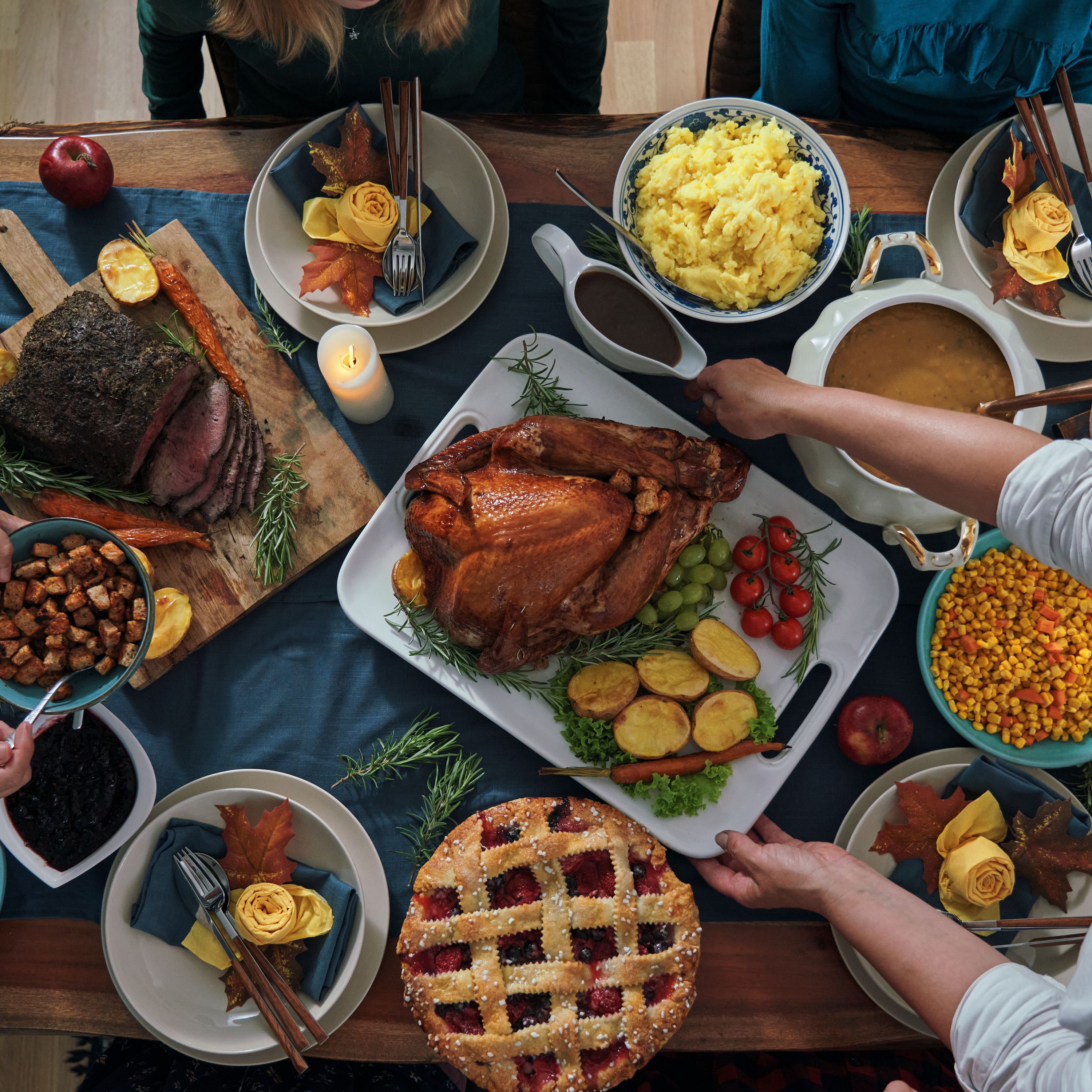
Listeners call in to talk about what they are celebrating when they celebrate Thanksgiving, especially as the collective understanding of the story behind it has evolved to acknowledge the major harm settlers inflicted upon Indigenous people. Photo: GMVozd via Getty Images Hosted by Simplecast, an AdsWizz company.
Governments should explain openly what they gave up in negotiated compromises.
Share your view, then see how readers voted. No sign-in required. This poll is shared across stories.
Do you agree or disagree?
Common Quandary
A Common Quandary to discuss
Another conversation to explore, separate from this news story.
Your family wants an AI to settle an old argument. Would you hand over the group chat?
A recurring family dispute has reached the point where nobody agrees on what was actually said. Your cousin proposes uploading five years of the family group chat to an AI that can reconstruct events, flag contradictions, and recommend a fair resolution. Nearly everyone agrees—but one relative refuses.
Can a tool make a family argument fair without turning intimacy into evidence?