Brooks and Marcus on how Republicans are responding to midterm losses
9 min
Listen through the publisher, then discuss the episode here or arrange an in-person Roundtable. Your city determines where to meet.
Roundtables are designed for groups of four, with a shared subject and room for everyone to speak. Come for discussion, with no dating expectation.
David Brooks of The Atlantic and Ruth Marcus of The New Yorker join Amna Nawaz to discuss the week in politics, including the fallout of Nvidia CEO Jensen Huang's resignation and what the Trump administration knew, how Republicans are responding to their losses in the midterm elections, JD Vance's chances in 2028 and the Democratic leadership battle in the Senate. Hosted on Acast. See acast.com/privacy
Episode information is provided by the publisher. Listening takes place on the publisher’s service.
One week after the U.S. midterm elections, join Valérie Beaudoin, one of Canada's most respected commentators on U.S. politics, for a discussion on how Canadian policymakers and officials are digesting the results in Washington. From the new balance of power in Congress to the potential implications for Canada-U.S. relations, trade economic growth, and cross-border policy priorities, we'll explore what the election outcome could mean for Canada in the months ahead. Recorded on November 10, 2026. -- Optique canadienne sur les élections américaines de mi-mandat – Valérie Beaudoin Pour une version avec des sous-titres français, veuillez consulter Une semaine après les élections de mi-mandat aux États-Unis, Valérie Beaudoin, l’une des commentatrices de la politique américaine les plus respectées du Canada, discute des façons dont les décideurs canadiens et Ottawa ont réagi aux résultats à Washington. Du nouvel équilibre des pouvoirs au Congrès aux répercussions possibles sur les relations
Runaway government spending, rising costs, and a new wave of legal battles over constitutional rights. With Democrats preparing to take control of Congress and several state governments, Republicans are confronting a very different political landscape. John Solomon and Amanda Head welcome Montana Senator-elect Kurt Alme, who says Washington must get serious about reining in spending, lowering inflation, and making everyday life affordable again. Already preparing for his arrival in the Senate, Alme discusses his priorities for protecting Montana's way of life, keeping taxes low, creating good-paying jobs, and working across party lines when possible. He also addresses the challenges Republicans face in the minority, the remaining lame-duck session, and concerns about efforts to expand the Supreme Court and eliminate the filibuster. Then, Southeastern Legal Foundation President Kimberly Hermann joins the show with a warning about potential policy reversals in states where Democrats have
Wall Street has its worst week since the Covid-19 pandemic as investors lose faith that billions of dollars spent on AI will pay off. Climate talks in Turkey run into extra time as countries can't agree on whether to mention quitting fossil fuels. And Republicans are exploring their options for 2028 - as JD Vance no longer seems the obvious candidate. Podcasts, breaking news, and video analysis from the source.https://reuters.sng.link/Eng86/ulfm?_dl=https%3A%2F%2Fwww.reuters.com_smtype%3D3 Download the Reuters app here. (https://reuters.sng.link/Eng86/ulfm?_dl=https%3A%2F%2Fwww.reuters.com_smtype%3D3)
Jensen Huang stepped down as Nvidia CEO on November 12, 2026, after reports about an extramarital relationship with Alice Huang, a former senior executive at Megaspeed. U.S. intelligence reportedly viewed her as an asset working for Beijing. That allegation is not a conviction, and it is not the same thing as proof Nvidia secrets changed hands. Tony Brueski brings in retired FBI Special Agent Robin Dreeke, former leader of the bureau’s Counterintelligence Behavioral Analysis Program, for the question behind the headlines: how does somebody who helped build one of the world’s most important technology companies fail to recognize a possible intelligence threat in his personal life? Huang apologized to his family and Nvidia employees for infidelity. The board announced an outside investigation, while saying it knew of no reason to believe national security or proprietary information was compromised. Reuters subsequently reported that Huang had previously told Nvidia leaders his encounters
This episode is brought to you by Sarmaya Partners. Learn more about Sarmaya’s LENS ETF, their full data and comparison, including performance here: https://sarmayaetf.com/ In this episode of Other People's Money, Max Wiethe sits down with Muddy Waters Capital founder Carson Block to discuss his firm's explosive new short thesis on Nvidia. Block breaks down the alarming connections between a former Nvidia executive and a former SMCI executive recently implicated in a major chip smuggling scandal. The conversation dives deep into the national security implications of dual-use technology and how the ongoing geopolitical tug-of-war between the US and China is reshaping the semiconductor sector. Tune in to hear why Block believes this scandal goes far beyond CEO indiscretions and could trigger a massive regulatory reckoning for Silicon Valley's biggest players. Follow Muddy Waters on X: https://x.com/muddywatersre Follow Max on X: https://x.com/maxwiethe Follow Other People’s Money on: App
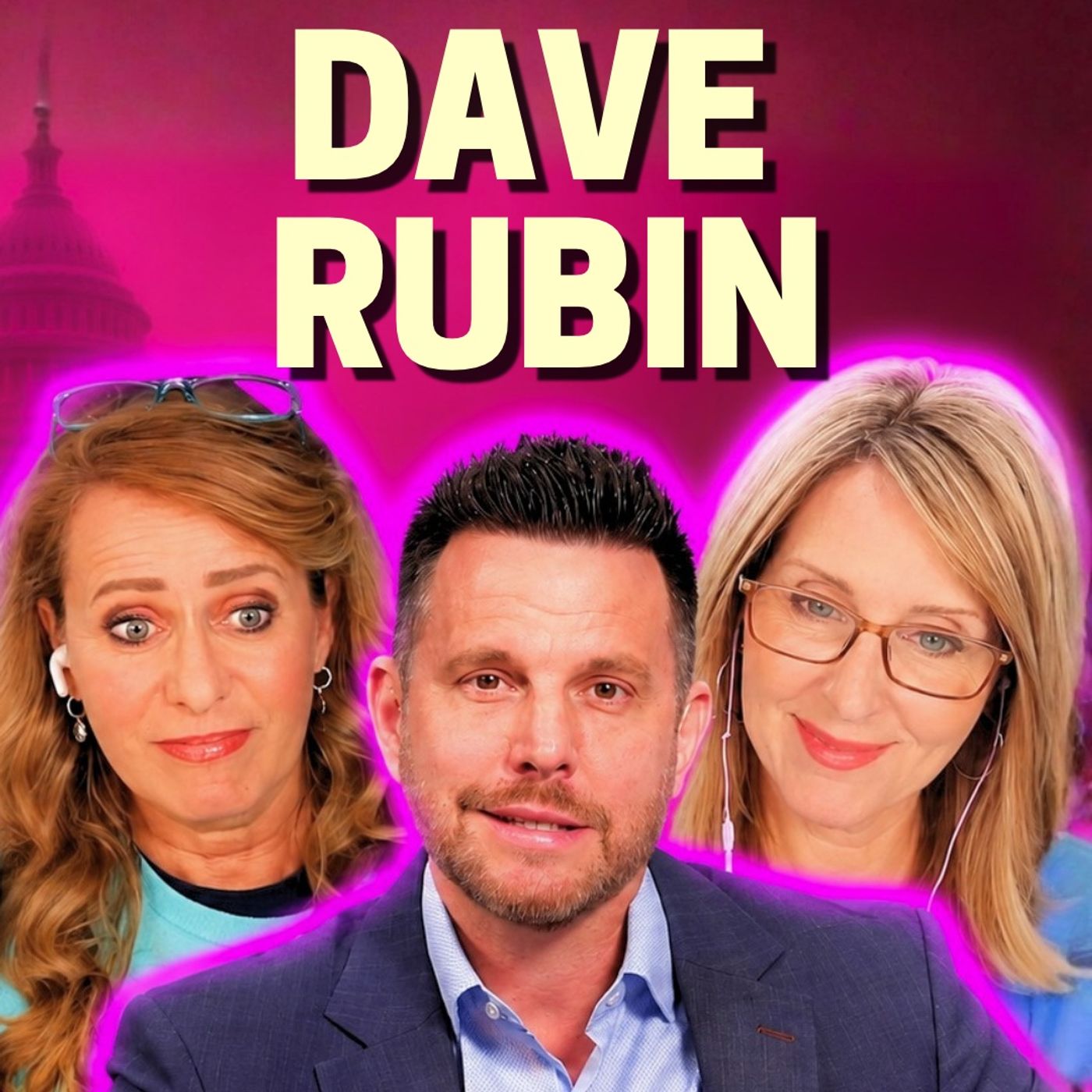
Is the Republican Party heading for a major reckoning in 2028? Dave Rubin joins The Chicks on the Right for a brutally honest conversation about Trump's final two years, the future of the GOP, and the growing divisions threatening conservatives. Dave weighs in on the Republican Party's recent election losses, whether JD Vance, Marco Rubio, or Ron DeSantis can carry Trump's agenda forward, and why he's increasingly concerned about the political direction of America. The conversation heats up as Dave takes on Nick Fuentes, the rise of extremist voices on the right, and the socialist movement gaining influence within the Democratic Party. He also discusses radical Islamism, antisemitism, the dangers of online outrage, and why he believes Western civilization faces serious challenges. Plus, with cyberattacks, banking disruptions, and nationwide outages raising concerns, Dave shares his thoughts on whether Americans should be preparing for more chaos. And don't miss the lighter side of Dave
In a lengthy press conference, President Trump touted his recent trip to Asia and defended his relationship with Chinese President Xi Jinping and Russian President Vladimir Putin. White House correspondent Liz Landers was in the briefing room as the president took questions from reporters. Hosted on Acast. See acast.com/privacy
In our news wrap Friday, stocks tumbled to end the week as worries about AI rattled the market, a second federal judge is blocking President Trump's triumphal arch in Washington and a federal appeals court is blocking the Army from detonating several tons of bomb-making chemicals amid concerns over environmental and health risks. Hosted on Acast. See acast.com/privacy
President Trump has replaced the nation's top cybersecurity official following a string of seemingly unrelated technology outages over the last couple of weeks. Officials have repeatedly stressed that these outages were not the result of intentional attacks, but given the growth of AI, there's growing concern that attacks are on the horizon. William Brangham discussed more with Chris Krebs. Hosted on Acast. See acast.com/privacy
Changing a public decision in response to new evidence is a sign of responsible leadership.
Share your view, then see how readers voted. No sign-in required. This poll is shared across stories.
Do you agree or disagree?
Common Quandary
A Common Quandary to discuss
Another conversation to explore, separate from this news story.
A DNA test reveals a family time bomb. Do you tell relatives who would rather not know?
A genetic test reveals that you carry a serious inherited condition. Your siblings and adult cousins may carry it too, but one has previously said they would rather live without predictions about illnesses that cannot yet be prevented.
Can someone's wish not to know outweigh your responsibility to warn them?