☀️ HARNESSING THE POWER OF THE SUN — THE SCIENCE BEHIND C60 EVO! What happens when scientists recreate extraordinary, sun-like temperatures inside a laboratory to produce one of the most fascinating carbon molecules ever studied? Michael Jaco welcomes Patty Greer and Chris Burres back to Unleashing Intuition for a fascinating behind-the-scenes look at C60 Evo, the technology used to produce ESS60, and the science behind this unique carbon molecule. Chris takes us inside the laboratory to explain the intense temperatures, specialized production methods, and purification processes involved in creating ESS60 — C60 Evo's proprietary form of Carbon 60. The conversation explores the relationship between antioxidants, mitochondria, cellular energy, and oxidative stress, along with why C60 Evo combines ESS60 with carefully selected extra virgin olive oil. Patty and Chris also share their perspectives on wellness, personal experiences, and the growing interest in carbon-based technology. Inside
Being considerate is a good thing. It means recognising that your words, choices and actions affect other people. But sometimes, the desire to keep everyone happy slowly becomes a habit of abandoning yourself. You agree when you want to say no, apologise when you have done nothing wrong, hide your opinions to avoid disagreement and make decisions based on how people might react. The difference is whether your consideration comes from genuine love or from the fear of being rejected. Every contribution counts. Thank you for being part of our journey!
Read Online (https://catholic-daily-reflections.com/2026/11/21/christ-the-universal-king/) Christ the Universal King “Then he will say to those on his left, ‘Depart from me, you accursed, into the eternal fire prepared for the devil and his angels. For I was hungry and you gave me no food, I was thirsty and you gave me no drink, a stranger and you gave me no welcome, naked and you gave me no clothing, ill and in prison, and you did not care for me.’” Matthew 25:41–43 On June 11, 1899, Pope Leo XIII solemnly consecrated the entire human race to the Sacred Heart of Jesus, a moment he regarded as the “great act” of his pontificate. This consecration was rooted in the sacred truth that, “[Christ’s] empire includes not only Catholic nations, not only baptized persons… but also all those who are outside the Christian faith; so that truly the whole of mankind is subject to the power of Jesus Christ” (Annum Sacrum, 3). This prophetic act of entrustment was followed by decades of growing unrest
What if you could travel into the future and witness the next great transformation of humanity? In this extraordinary conversation, returning guest Pamela Aaralyn joins Next Level Soul to explore her experiences with bilocation—a spiritual practice she describes as projecting consciousness into other timelines and experiencing life through another version of herself. Pamela shares what she believes she has witnessed in 2027, 2030, 2032, 2036, and even the year 3300, including predictions about financial instability, the rapid evolution of artificial intelligence, major changes in education and employment, and the possibility of unprecedented extraterrestrial disclosure. She also describes meeting her future self, learning from a more evolved version of her consciousness, and why she believes our choices can change the future. During a live bilocation session, Pamela describes what she perceives as a turning point in 2032, when extraterrestrial craft allegedly become impossible to ignor
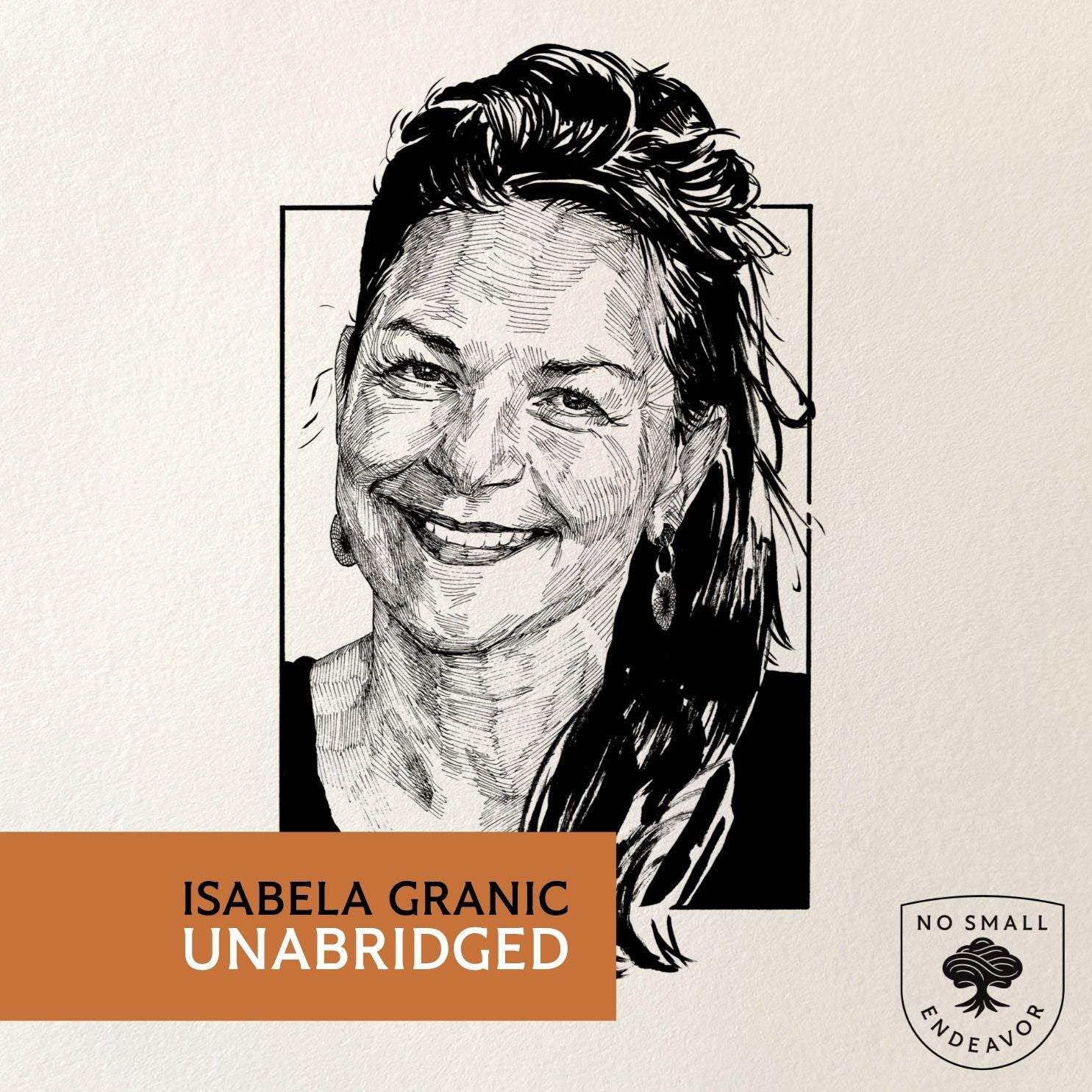
This is our unabridged interview with Isabela Granic. Developmental psychologist Isabela Granic is no technophobe. In the middle of a moral panic over kids and video games, she helped pioneer MindLight (https://playmindlight.com/), a biofeedback video game shown in clinical trials to significantly reduce anxiety symptoms in children ages 8 to 12. But as technology continues to evolve, and AI moves into every corner of childhood development, she’s worried. Isabela joins Lee C. Camp to explore what children need to grow into resilient, flourishing adults, and why a “frictionless” future may take away the very struggles that form us. This is part 2 of our 2-part series: The Cost of Outsourcing Your Humanity to Tech. This project was made possible through the support of a grant from Templeton World Charity Foundation, Inc funder DOI 501100011730) through grant https://doi.org/10.54224/35684https://doi.org/10.54224/35684. (https://doi.org/10.54224/35684%E2%81%A0%E2%81%A0%E2%81%A0.) The opin
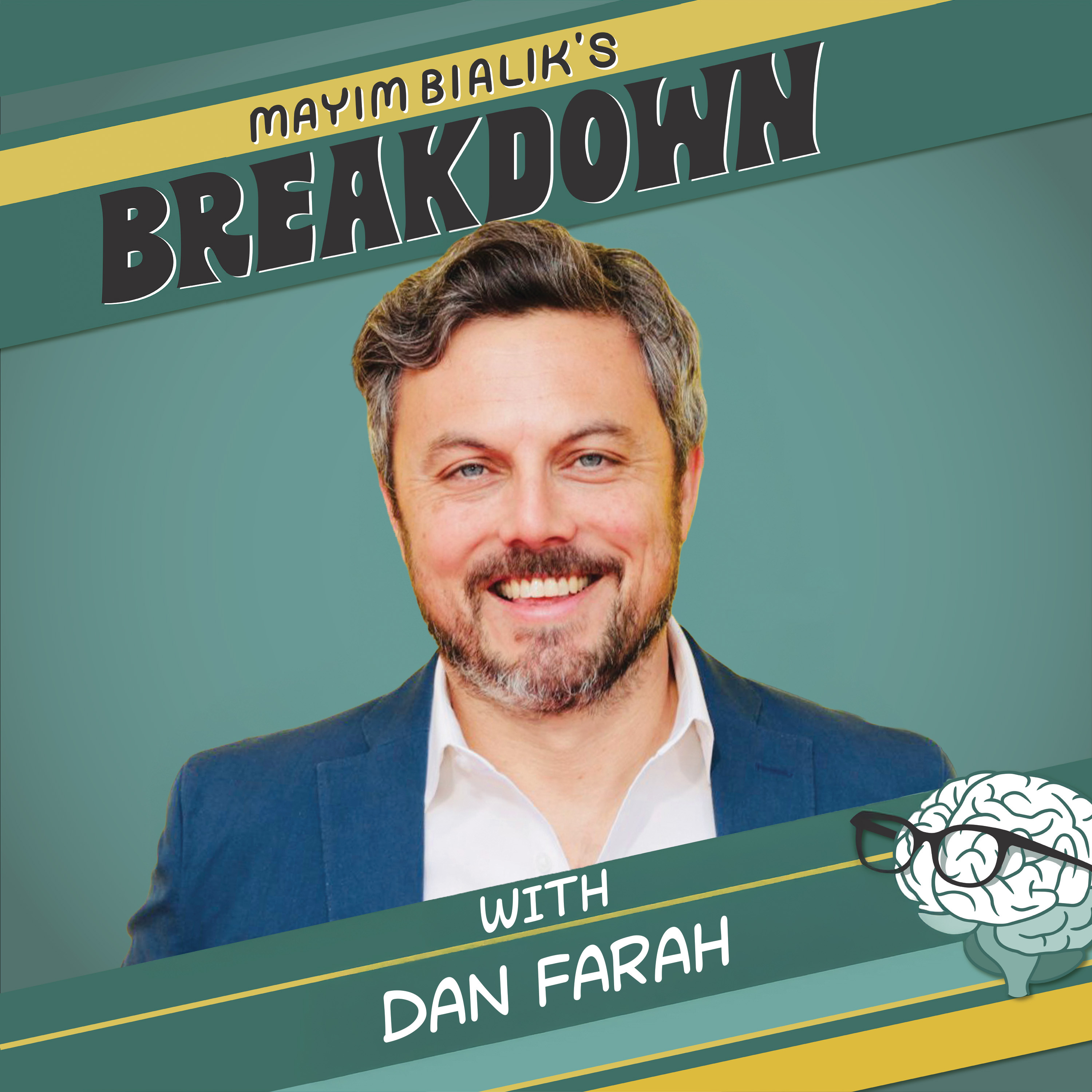
WHAT DOES THE U.S. GOVERNMENT REALLY KNOW ABOUT UAPs, ALIENS, AND NON-HUMAN INTELLIGENCE? Dan Farah, director and producer of The Age of Disclosure, goes deep behind the making of the most talked-about UAP documentary of recent years, and reveals what he heard from government, military, and intelligence insiders about alleged crash-retrieval programs, non-human intelligence (NHI), reverse-engineering, national security, and the decades-long fight over UFO disclosure. The Age of Disclosure features testimony from 34 U.S. government, military, and intelligence community insiders. But how did Dan Farah get these people to talk? And what did they tell him? In this episode of Mayim Bialik's Breakdown, Dan Farah explains: - The alleged 80-year UAP cover-up: What governments have known about NHI, and why the subject remained classified for so long - Secret race to reverse-engineer UAP tech, one of the most consequential technological & geopolitical competitions in human history - Alleged “Leg
Did America Find Its Conscience or Lose Its Patience? Did the 2026 midterm elections reveal a moral awakening or frustration with higher prices and political chaos? New York Times columnist and Good Faith "founding friend" David French joins Curtis Chang on the Good Faith podcast to examine what the results suggest about corruption, voter priorities, and Christian political engagement. They explore why neither party should claim ownership of Christian voters, whether Republicans can recover a faith expressed through service to the vulnerable, and the appeal of James Talarico and Adam Hamilton. David and Curtis also ask how American Christians can pursue repentance, forgiveness, and reconciliation in their families and churches wounded by politics. 03:12 - Was The Election a Moral Rebuke of Politics as Usual? 07:37 - The Difference Between Moral Awakening and Material Backlash 10:47 - Why Moral Interpretation Matters 17:38 - Were Voters Above Democracy's Minimum Virtue Line? 22:35 - The
Can We Find Hope Without Pretending the World Is Fine? Biblical scholar N. T. Wright joins Curtis Chang on the Good Faith podcast to explore Isaiah's message for weary Christians, everyday work, and hope beyond politics. Drawing on his book Into the Heart of Isaiah, Wright explains how God's promises to Israel find fulfillment in Jesus and shape the church's calling today. They discuss waiting on God, serving faithfully in secular workplaces, and why churches and businesses alike can become "Towers of Babel." Wright also challenges comparisons between Donald Trump and King Cyrus. 02:37 - N.T. Wright and the Old Testament? 06:03 - Reading Isaiah Through Three Lenses 08:51 - Waiting on the Lord in Isaiah 40:31 15:22 - Finding Faith in Delayed Answers 19:11 - Discovering Isaiah's Literary Unity 28:45 - Isaiah's Struggle and Perseverance 33:00 - What Does Isaiah Say About Secular Work? 43:26 - King Cyrus and Political Misappropriation 48:01 - Isaiah's Message of Comfort and Hope Find more
Public health information should explain uncertainty even when simpler messages are easier to communicate.
Share your view, then see how readers voted. No sign-in required. This poll is shared across stories.
Do you agree or disagree?
Common Quandary
A Common Quandary to discuss
Another conversation to explore, separate from this news story.
One slice of pizza remains and everyone is pretending not to want it. Can you take it?
Six friends have been circling the last slice of pizza for twenty minutes. Nobody claims it when you ask, yet two people keep glancing at the box. You are still hungry and paid the same share as everyone else.
Does politeness require leaving something that nobody will openly claim?