Listen through the publisher, then discuss the episode here or arrange an in-person Roundtable. Your city determines where to meet.
Roundtables are designed for groups of four, with a shared subject and room for everyone to speak. Come for discussion, with no dating expectation.
KENT BANK OUTAGE: Outages at major U.S. banks including Chase & Bank Of America DUNCAN VA WILD PARTY: Parents arrested after out-of-control teen party THE GOOD STUFF: A nine-year-old with sensory challenges creates comfort bags and is TIME magazine's 'kid of the year'
Episode information is provided by the publisher. Listening takes place on the publisher’s service.
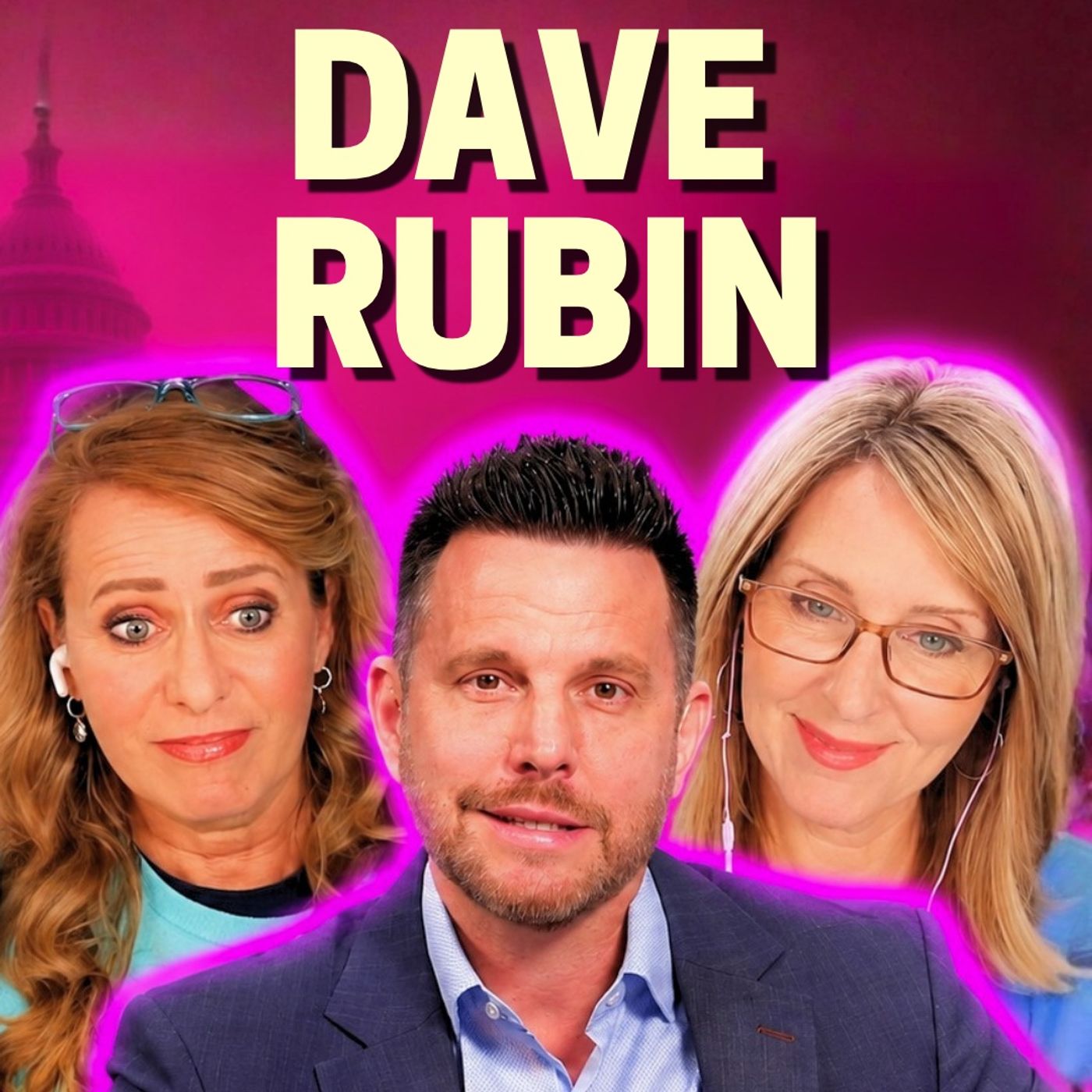
Is the Republican Party heading for a major reckoning in 2028? Dave Rubin joins The Chicks on the Right for a brutally honest conversation about Trump's final two years, the future of the GOP, and the growing divisions threatening conservatives. Dave weighs in on the Republican Party's recent election losses, whether JD Vance, Marco Rubio, or Ron DeSantis can carry Trump's agenda forward, and why he's increasingly concerned about the political direction of America. The conversation heats up as Dave takes on Nick Fuentes, the rise of extremist voices on the right, and the socialist movement gaining influence within the Democratic Party. He also discusses radical Islamism, antisemitism, the dangers of online outrage, and why he believes Western civilization faces serious challenges. Plus, with cyberattacks, banking disruptions, and nationwide outages raising concerns, Dave shares his thoughts on whether Americans should be preparing for more chaos. And don't miss the lighter side of Dave
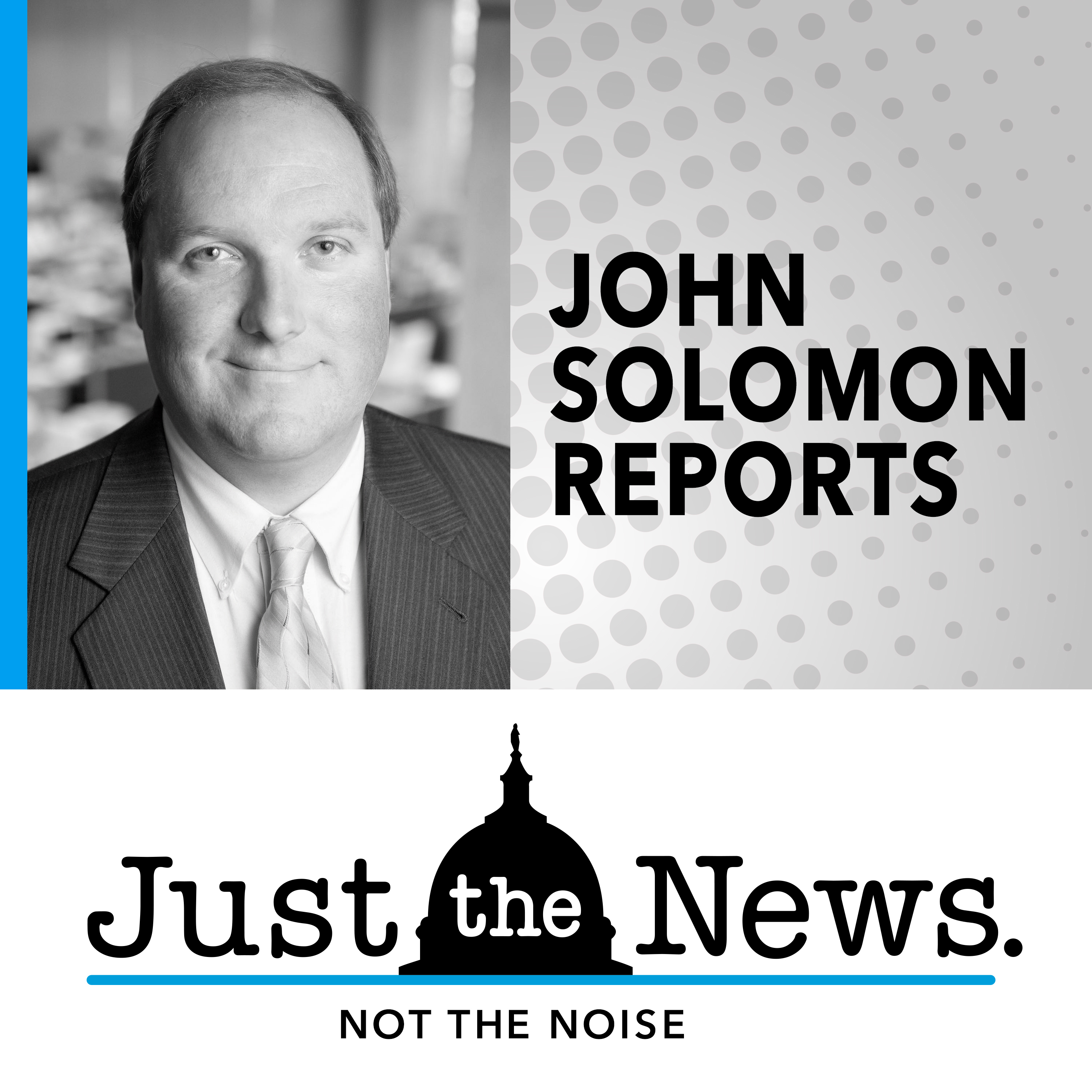
Runaway government spending, rising costs, and a new wave of legal battles over constitutional rights. With Democrats preparing to take control of Congress and several state governments, Republicans are confronting a very different political landscape. John Solomon and Amanda Head welcome Montana Senator-elect Kurt Alme, who says Washington must get serious about reining in spending, lowering inflation, and making everyday life affordable again. Already preparing for his arrival in the Senate, Alme discusses his priorities for protecting Montana's way of life, keeping taxes low, creating good-paying jobs, and working across party lines when possible. He also addresses the challenges Republicans face in the minority, the remaining lame-duck session, and concerns about efforts to expand the Supreme Court and eliminate the filibuster. Then, Southeastern Legal Foundation President Kimberly Hermann joins the show with a warning about potential policy reversals in states where Democrats have
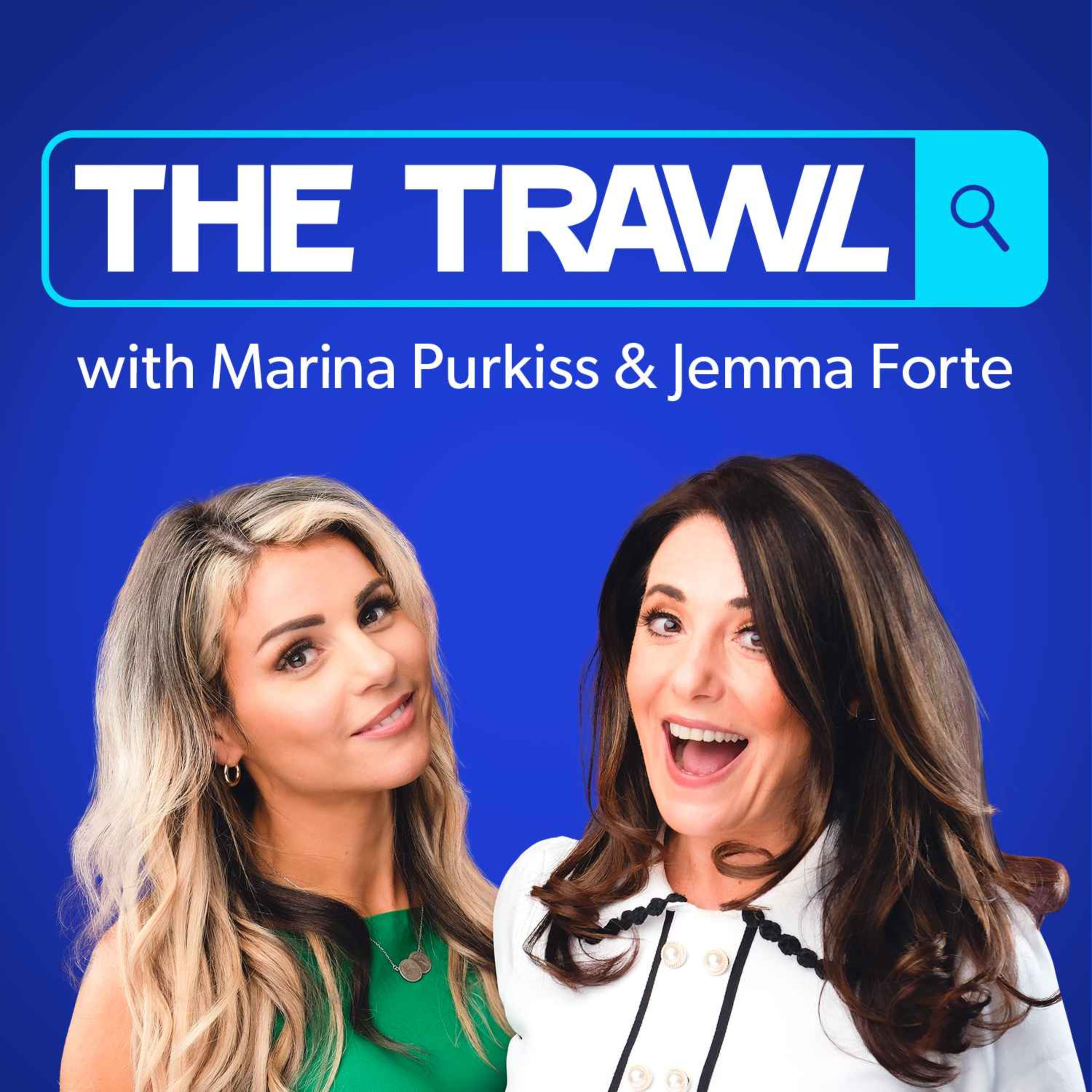
The world appears to be falling apart, and the Trawl ladies are beginning to wonder whether anyone is actually in charge. From America's air traffic control system grinding to a halt, banking glitches and our ever-growing dependence on technology, Jemma and Marina are asking what happens when the infrastructure we rely on is run by systems, and people, we can't trust. Trump's America is proving quite the masterclass in chaos. There's Transportation Secretary Sean Duffy, whose career has taken him from reality TV to running America's transport network; questions over the new AI technology, the FAA's failures and the government's handling of the crisis; and another extraordinary display of Trump's blame-shifting when things go wrong. We also look at Markwayne Mullin's rather unfortunate timing when it comes to a trip to a college football game, the questions surrounding donations to Trump's enormous new ballroom and the companies subsequently winning government contracts. Are these isola
Many homeschooling families once kept their kids out of sight during school hours. Today about 6% of households with school-age children homeschool, and they come from varying backgrounds. WORLD’s Lindsay Mast talks with historian Dixie Dillon Lane, author of Skipping School: The History of American Homeschooling and How It Went Mainstream, about how it happened and what factors could still threaten that freedom. ---------------------------- Days before he was arrested by the Romanian secret police, Pastor Richard Wurmbrand read that the Bible included 366 passages to help Christians overcome fear—one for every day of the year, including leap year. This idea inspired Wurmbrand’s faith and helped him stand strong for Christ in the face of opposition, imprisonment, and torture. Whom Shall I Fear? is a 366-day devotional including stories of persecuted Christians that will inspire believers to overcome anxiety, doubt, and fear. More information on this special offer is available at vom.or
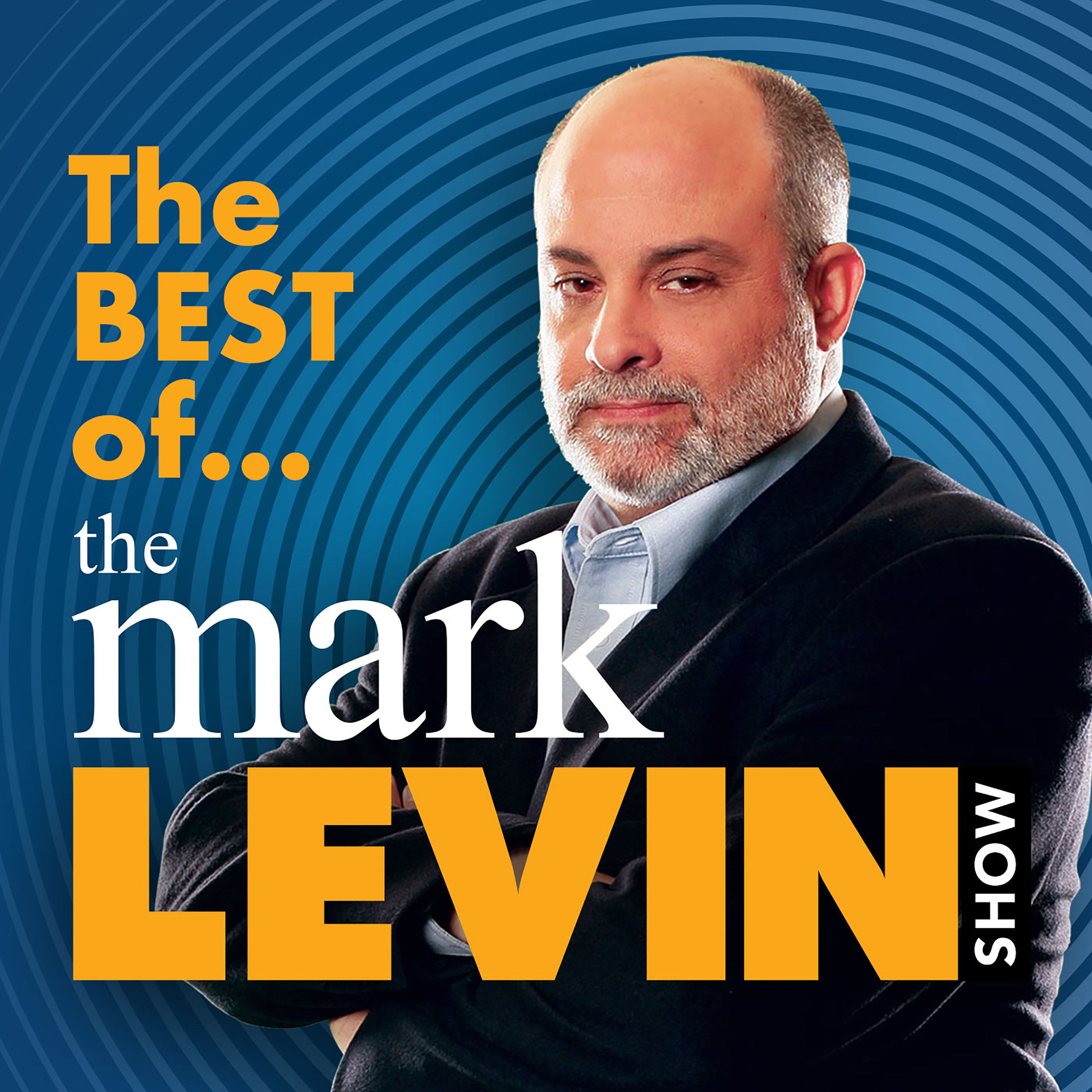
This week on the Mark Levin Show, 2028 Republican Presidential candidates must directly address the urgent threats to the country - Marxism and Islamism. These candidates should deliver bold, courageous speeches that clearly explain what is happening in the country, identify those responsible, and directly challenge these threats rather than leaving such warnings to a small number of media voices. Also, it is difficult to believe so many major outages affecting entities such as the NSA, FAA, airline systems, Microsoft, and Apple services could be merely coincidental. The timing and scale of the incidents are troubling and remain inadequately explained. President Trump had proposed a major modernization and restructuring of air traffic control in 2017 that Congress failed to enact. Had those reforms been adopted, many current FAA failures might have been avoided. Later, does Senator John Kennedy know anything about originalism? Originalism is not pure textualism. The meaning and intent
What is really happening behind the explosive Nvidia controversy? Has Washington used a personal scandal to wage an even bigger war against China's technological rise? In this conversation, Carl Zha joins Rachel Blevins to unpack the controversy that surrounds Nvidia CEO Jensen Huang. Carl explains why Chinese technology companies increasingly turn toward domestic semiconductor manufacturers such as Huawei and SMIC, why Beijing wants its major tech companies not to purchase Nvidia chips, and how American export restrictions accelerate China's drive toward technological self-reliance. China's open-source AI models now challenge Silicon Valley's business model, which depends on control over expensive computer infrastructure and proprietary AI systems. Does America's semiconductor blockade actually help China become stronger? In This Interview we Discuss the Nvidia controversy: what is behind the allegations that involve Jensen Huang and Alice Wong? Observe Alibaba's AI Ambitions: Chinese
KENT TECH MARKETS SELL OFF: Market plunges over tech investment concerns ZAK MILITARY TOXIC DETONATION: Battle over military's plans to blow up toxic ammunition HARTMAN ON THE ROAD: A teenager learns to cook for his family after losing his mother to breast cancer
MARCIANO SEVERE FLOODING AND SNOW: Dangerous, life-threatening flooding swamps both coasts EVANS CHILD FOUND IN DESERT: Toddler rescued after wandering alone for hours at night in a remote desert DOKOUPIL SHENZHEN WORLD STAGE: Shenzhen, China transformed from a former fishing village into a mega-city and source of national pride
Nine in ten voters called government corruption a major factor in the midterms. But much of what they’re angry about isn’t illegal. Former federal prosecutor Leo Wise explains how four decades of Supreme Court rulings narrowed what counts as a crime, and what Congress could do to fix it. If you’d like to share your own great question, email us at [email protected]. Enjoyed this episode of "Great Question?" Follow the series now - just search "Great Question with Tony Dokoupil" wherever you get your podcasts.
Keeping food affordable should not require producers to work for an unsustainable income.
Share your view, then see how readers voted. No sign-in required. This poll is shared across stories.
Do you agree or disagree?
Common Quandary
A Common Quandary to discuss
Another conversation to explore, separate from this news story.
Your carry-on fits only if you sit on it. Do you try the airport sizer?
Your suitcase is slightly larger than the airline allows, although it has fit overhead on previous flights. Checking it costs extra and risks missing a connection. Other passengers have equally questionable bags and staff are checking inconsistently.
Does uneven enforcement weaken a traveler's duty to follow the rule?