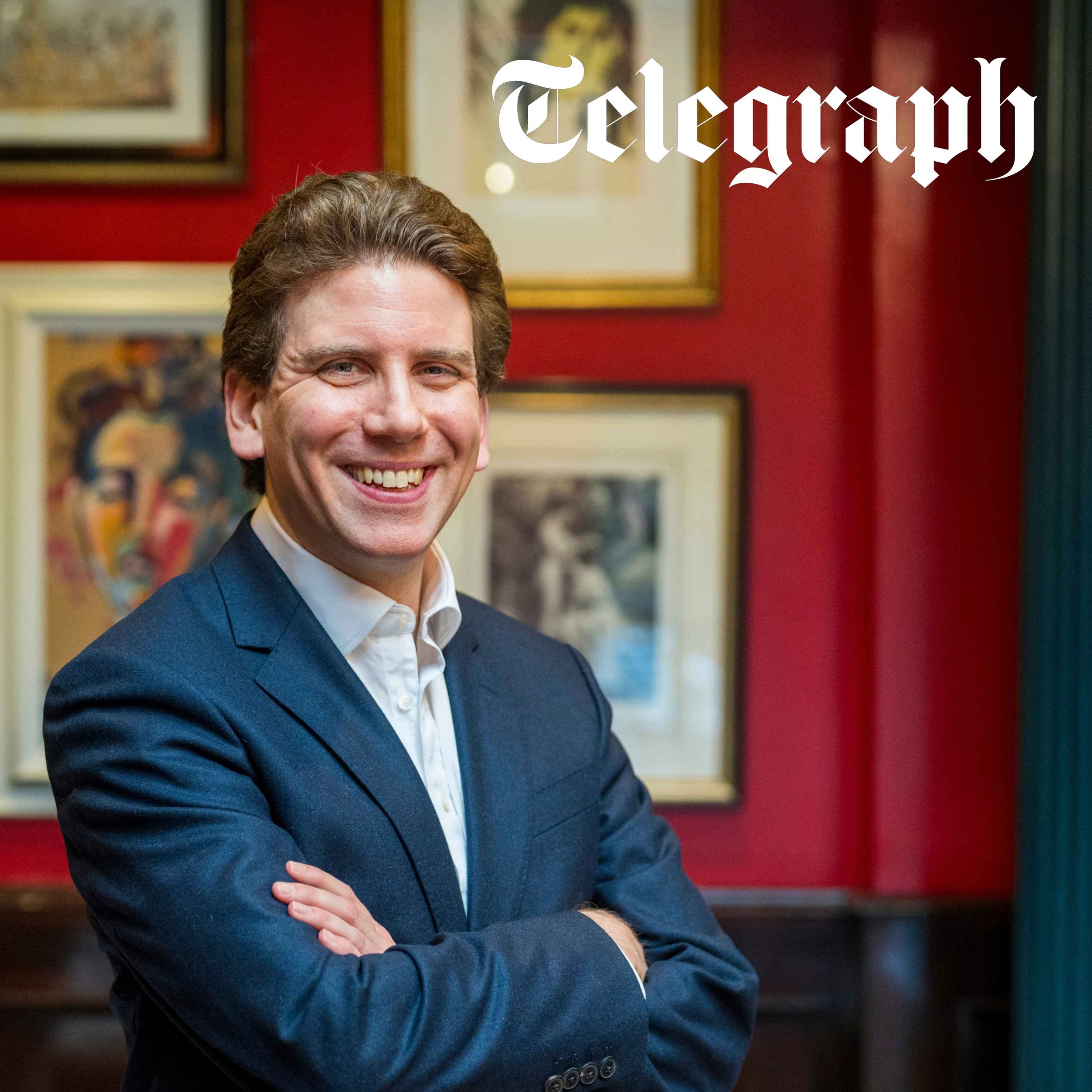
In this episode of the Weekend T, Michael Deacon and Tim Stanley debate whether Robert Pattinson has what it takes to be James Bond (https://www.telegraph.co.uk/films/2026/11/18/unlikely-rise-007-oddball-robert-pattinson/), why the franchise should return to its Cold War roots and whether modern 007 films have lost their sense of fun. They also question why grown men are taking time off work to play Grand Theft Auto VI (https://www.telegraph.co.uk/news/2026/11/18/school-send-minibus-truants-playing-grand-theft-auto/), and discuss Russell Brand’s right to maintain his innocence after his convictions. Plus, David Beckham’s Poundland perfume problem, a royal who boils eggs in hotel kettles and a taste test of this year’s Christmas sandwiches – including Gail’s (https://www.telegraph.co.uk/news/2026/03/17/gails-anti-semitism-and-far-left-conspiracy-theories/) £7.80 offering. ► Subscribe to our new Daily T YouTube channel: youtube.com/@dailytpodcast ► We want to hear from you! ► Sign up to
Hey everybody, Tom Bilyeu here. On today’s episode of Impact Theory, we’re taking on a topic that’s got the whole world holding its breath: the escalating crisis between the United States and Iran. As tensions ratchet up, we’re asking the tough questions—how did we get stuck in this “escalation trap,” and what does it mean for America’s global leverage, our economy, and our very sense of security? The conversation focused on why the traditional idea of “strategy” might be failing policymakers, using powerful analogies—like chess versus roulette—to show how doubling down in conflict can spiral out of control. We’ll break down the risks of tactical “wins” that create even bigger crises, the real leverage Iran holds with control of the Strait of Hormuz, and the mounting pressure on President Trump as political support erodes and legacy hangs in the balance. A key theme that emerged is what happens when military might runs into decentralized opposition, and why high-stakes gambles—like the
Prince Harry criticizes the Trump administration’s approach to Ukraine and says he would return to military service if asked. Palace Intrigue covers his interview with The Telegraph during a visit to Lviv, his support for Ukraine, and his comments about veterans being prepared to serve again. Former royal protection chief Dai Davies argues that Harry’s public remarks could complicate his security and create difficulties for King Charles. A source close to the Duke of Sussex pushes back, questioning Davies’s decision to discuss Harry’s protection publicly. Royal writer Tom Sykes also criticizes the timing of Harry’s publicity during Prince William and Kate Middleton’s Earthshot visit to India. Plus, Harry discusses life in Britain with Meghan Markle, Prince Archie, and Princess Lilibet during an appearance on ITV’s This Morning. He shares updates on the children’s adjustment to school, Christmas plans, country walks, and pub life. The family’s Winter Wonderland visit also draws coverage
‘Tis the season! Check out TPO’s Christmas Gift Guide here (https://thepourover.org/tpos-christmas-gift-guide-2026/) Air Traffic Control Map and Acronym Sheet here (https://thepourover.org/pass-the-plane-how-air-traffic-control-works/) Every Saturday, TPO Explains does a shallow dive into your most-asked questions. On today's episode: Air Traffic Control: Emergency Plans, FAA Ground Stop, and More How does air traffic control keep roughly 44,000 daily flights from crossing paths? In this TPO Explains episode, we break down how the FAA divides US airspace into zones, how TRACONs and control towers hand your flight off like a relay baton, what pilots do when they lose radio contact, and what reportedly caused last week's nationwide FAA ground stop. Available to watch on Spotify and YouTube here. (https://youtu.be/7ezQLohgTfs) Looking to support us? You can choose to payhere (https://tpopod.com/). Thanks to our sponsors: Compelled Podcast (https://compelledpodcast.com/): Listen now |Compe
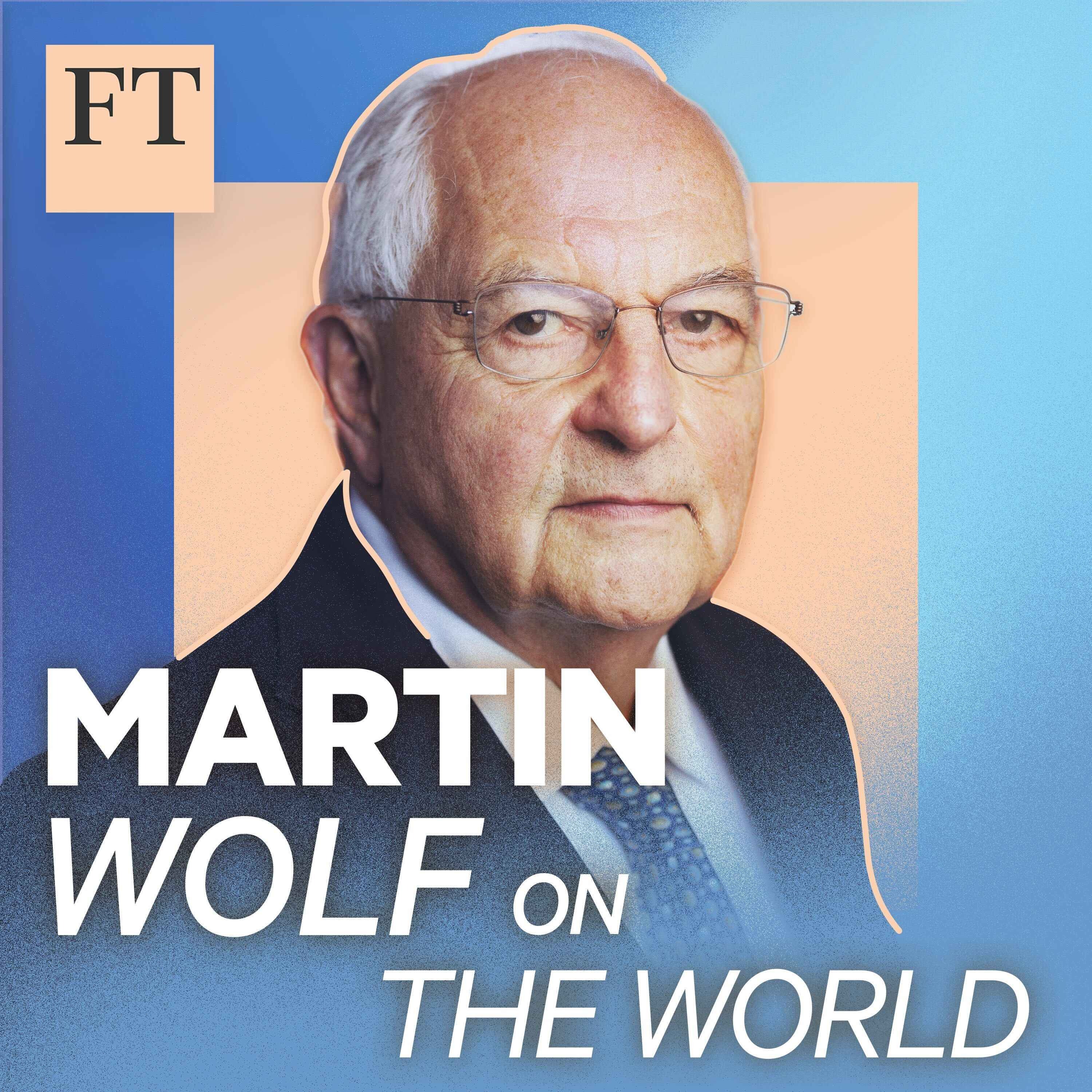
The Democrats swept the midterms. Donald Trump is still president. What will the next two years look like? And what can history teach us about what comes next? Martin Wolf speaks to historian Heather Cox Richardson about the cycles in the past 250 years of US politics — how renewal (and division) can both follow periods of oligarchy, and how the Democrats should react to a “constitutional crisis”. To enjoy future episodes, be sure to subscribe to ‘Martin Wolf on the World’ wherever you get your podcasts. You can also watch Martin’s podcast series on the FT’s YouTube channel here:https://www.youtube.com/@FinancialTimeshttps://www.youtube.com/@FinancialTimes Host: Martin Wolf Producer: Mischa Frankl-Duval Senior producer: Laurence Knight Video editor: Richard Topping Senior audio engineer: Breen Turner Broadcast engineer: Andrew Georgiades Podcast development: Laura Clarke FT Global Head of Audio: Flo Phillips Learn more at www.ft.com/martin-wolf-on-the-world (http://www.ft.com/martin-wo
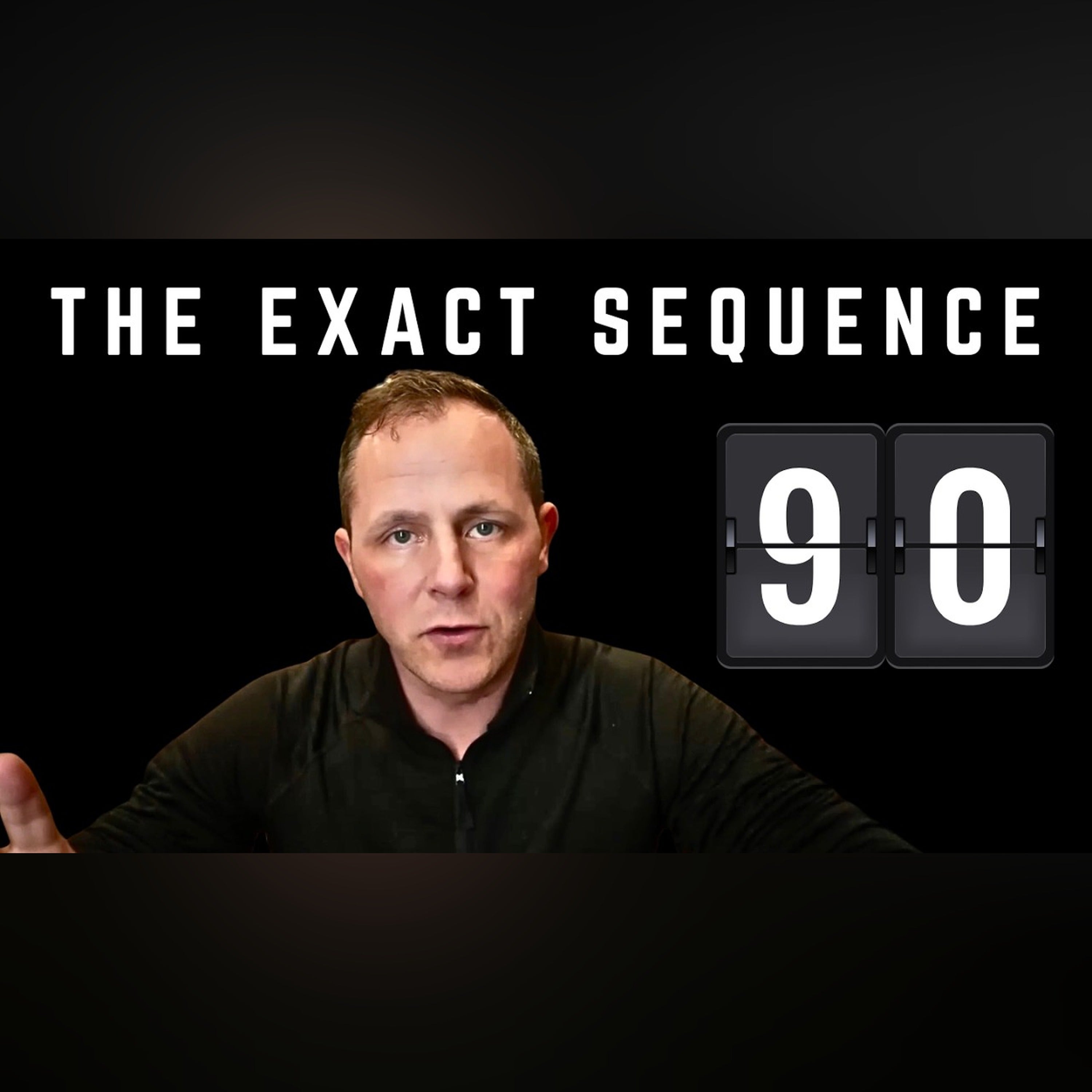
Master the skills that change lives — enroll in your free human behavior course today: https://nci.university/learn Uploaded 14-03-26 During the first ninety seconds of any interaction, a window opens in the human brain that most people never notice. A specific sequence of neurological events unfolds — predictable, exploitable, and almost never taught outside of military and intelligence training. Very few people alive understand the full mechanics of what happens inside that window. Only operators, interrogators, and behavioral scientists with the right access have ever had this mapped out for them. Someone made sure it stayed that way. Every interaction you've ever had — every negotiation, every first impression, every moment you walked into a room — was governed by this sequence. You were either running it or it was being run on you. Most people spend their entire lives on the receiving end without ever knowing it. Language is the delivery system. But language isn't where it starts.
You can watch this episode in full on YouTube: https://youtu.be/VyLxbLsnrqY The rocket of right thinking is back as the co-pilots tackle a turbulent week in British and American politics, from Donald Trump's midterm election defeat to Andy Burnham's latest interventions and Shabana Mahmood's immigration climbdown. Liam and Allison discuss the Democrats' sweeping victory in the US midterm elections and what it means for Donald Trump's presidency, while noting Britain's mounting economic pressures and the prospect of an early general election. Meanwhile, Allison takes aim at Shabana Mahmood's watered-down immigration reforms and discusses the disturbing murder of teenager Henry Novak and his family's treatment by police in the aftermath. Stowing away this week is Poundland founder Steve Smith, who reflects on building one of Britain's best-known discount retailers and explains why he believes the embattled high street chain can, and must, be saved amid fears of its move towards administr
Officials should explain how public consultation changed their final decision.
Share your view, then see how readers voted. No sign-in required. This poll is shared across stories.
Do you agree or disagree?
Common Quandary
A Common Quandary to discuss
Another conversation to explore, separate from this news story.
A coworker tells you their salary in confidence—and proves everyone else is underpaid. Do you share it?
A coworker privately tells you their salary and asks you not to repeat it. You later realize the figure is strong evidence that several equally experienced colleagues are being underpaid.
When does fairness outweigh a promise of confidentiality?