ChatGPT as Your Money Coach: Budgeting, Debt, and AI's Blind Spots
24 min
Listen through the publisher, then discuss the episode here or arrange an in-person Roundtable. Your city determines where to meet.
Roundtables are designed for groups of four, with a shared subject and room for everyone to speak. Come for discussion, with no dating expectation.
Millions of people now ask chatbots how to budget, pay down debt, or save for retirement, but what happens when finance professors grade the answers? We dig into the research showing where ChatGPT's money advice shines, where it miscalculates or misses legal red flags, and why its friendly tone can be misleading. Then we share a practical playbook for using AI as a patient money coach while keeping your data safe and your decisions sound. This episode includes AI-generated content.
Episode information is provided by the publisher. Listening takes place on the publisher’s service.
November 25, 2026: CNBC's Fast Money breaks down the sharp market rebound, the Fed’s next rate-hike decision, AI credit stress and holiday-season trading setups. Melissa Lee and the traders debate whether the rebound is real strength or technical positioning and weigh in on potential warning sign from bonds, commodities and corporate credit. Hosted by Simplecast, an AdsWizz company.
Thinking about moving from Windows to a Mac as a blind user? Steven Scott and Shaun Preece talk through the MacBook Neo, the TurnOver screen reader and the question everyone asks before buying. Then the inbox has plenty on braille: a detailed review of the Orbit Flow 40, the Cadence tactile tablet and a listener in Pakistan looking for advice. This episode is supported by Pneuma Solutions. Creators of accessible tools like Remote Incident Manager and Scribe. Find out more at https://pneumasolutions.com/ Shaun is back on the Mac after years away, and the MacBook Neo has impressed him with how fast it feels. That leads into TurnOver, Oliver Kennett's free screen reader that offers NVDA, JAWS and VoiceOver key layouts on macOS. Steven likes it a lot but urges caution. He thinks you should learn macOS first, buy from somewhere with a good return policy, and work out what you want from the switch before spending the money. The hosts also give their views on Jensen Huang's return to NVIDIA,
A.I. for Surviving the Empty Nest: Finding Yourself Again in a Quieter House, a practical, beginner-friendly look at how artificial intelligence can help you find yourself again in a quieter house. Surviving the Empty Nest? Press play on Episode 432 of A.I. for Beginners and learn exactly how artificial intelligence, especially ChatGPT, alongside Meetup and a journaling app, can help you find yourself again in a quieter house. WHAT YOU WILL LEARN IN THIS EPISODE - Why surviving the empty nest is so hard to handle alone, and what is actually going on underneath it - A specific way to use Meetup to work through it, step by step - An example prompt you can copy word for word: "Help me think of three things I always wanted to try but never had time for" - A second practical technique, with another ready-to-use prompt: "Help me find local groups or classes near me based on things I actually enjoy" WHO THIS EPISODE IS FOR - Anyone currently working on surviving the empty nest - Anyone curiou
D4vd's switch to a public defender and the civil lawsuit filed by Celeste Rivas Hernandez's family put different kinds of financial questions in the same spotlight. In one courtroom, David Anthony Burke qualified for court-appointed counsel despite a music career that generated millions. In another, Celeste's parents accused his mother, managers and security staff of contributing to the circumstances surrounding their daughter's death. Burke's private attorneys, including Blair Berk, withdrew during an August 31, 2026 proceeding. The Los Angeles County Public Defender's Office said its review established his eligibility. That determination does not disclose how his earnings were spent, and the explanation behind the switch was addressed in a sealed proceeding. The available record does not establish that Colleen Burke took his money. The wrongful-death complaint names Colleen, business associates and companies connected to Burke. The family alleges the organization financed the Hollywo
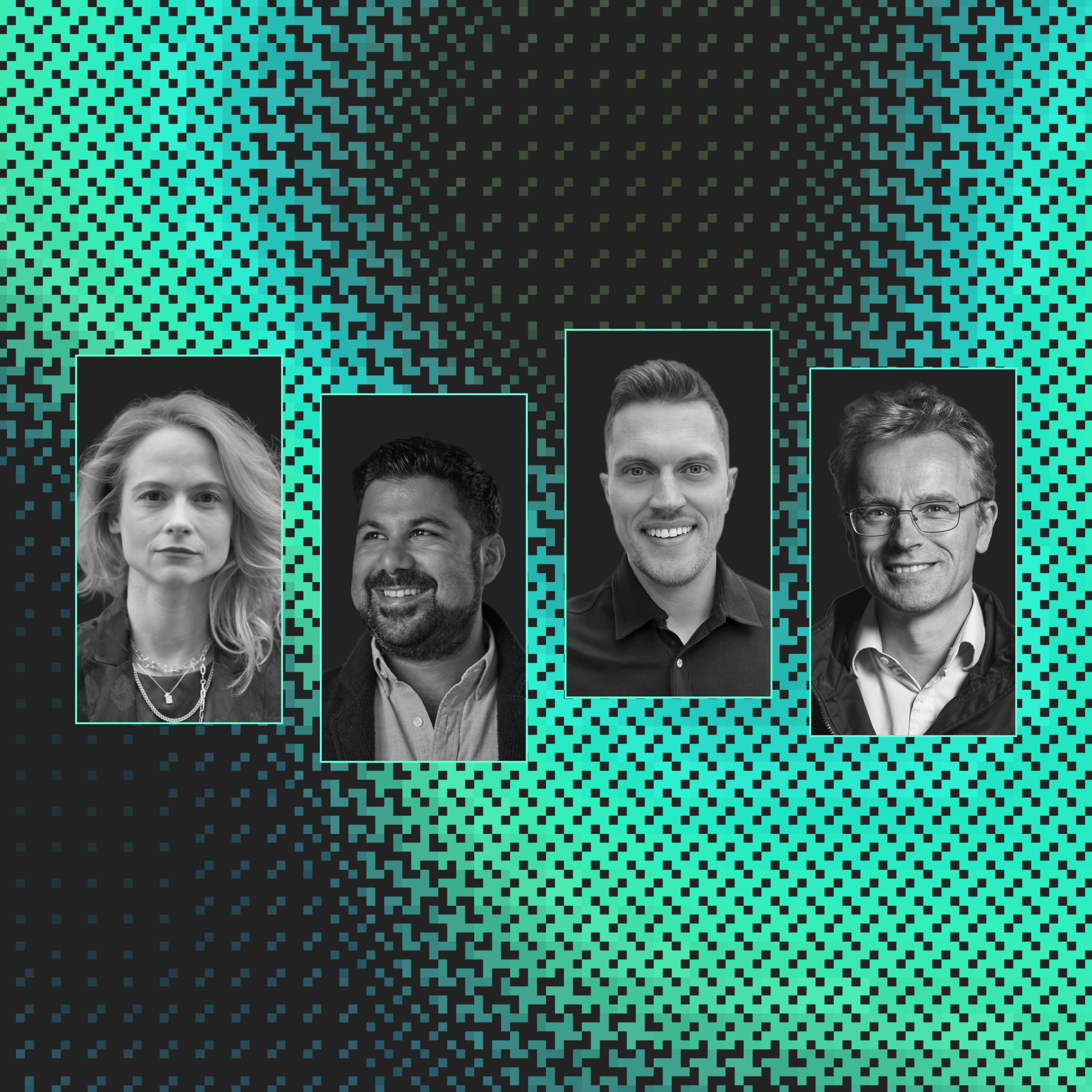
About this episode: In this episode, host Benjamin Ensor is joined by Rita Sokorai, Principal Industry Strategist at 11:FS, Vivek Madlani, CEO and Co-Founder of Multiply.AI, and Daniel Wills, Senior Financial Adviser at Plum, to explore the rise of conversational finance and the race to build trusted AI-powered financial assistants. Drawing on new research from 11:FS, they discuss the potential to democratise financial guidance, the challenges of earning customer trust, and how AI could fundamentally reshape financial services distribution. As AI assistants move from answering financial questions to making decisions on our behalf, who will customers trust with their money – and who will own the customer relationship? This week's guests: Rita Sokorai - Principal Industry Strategist at 11:FS Vivek Madlani - CEO and Co- Founder at Multiply.AI Daniel Wills - Senior financial advisor at Plum -- 11:FS’ latest report ‘Conversational finance & the race to build trusted financial assistants’ is
Nitrous oxide, which is also known as laughing gas, is sold in metal canisters and is one of the most commonly used drugs by teenagers and young people. However, heavy use can lead to a host of problems. Prof Alastair Noyce, a consultant neurologist at Queen Mary University of London, told BBC News: "These are young people we are seeing - teenagers and people in their 20s. What's striking now is the severity. We've seen that increase over the last 12 months or so." Nitrous oxide is a gas that can be used for medical purposes, as an anaesthetic, and in the food industry. Why do people use Nitrous oxide? What are the dangers? What is being done about this? In under 3 minutes, we answer your questions! To listen to the last episodes, you can click here: What is a transference in psychiatry? (https://originals.bababam.com/do-you-really-know/202311130400-what-transference-psychiatry) Does cold weather really make us sick? (https://originals.bababam.com/do-you-really-know/202311120400-does-c
ChatGPT is moving from describing tasks to actually doing them, browsing websites, filling out forms, writing code, and working through multi-step jobs on its own. We explain what makes an AI an "agent," trace how OpenAI's tools evolved from plugins to full agents, and show where these systems shine and where small errors snowball. We also cover the signature security risk of prompt injection and a practical guide to delegating to agents safely. This episode includes AI-generated content.
Does every ChatGPT question really drink a bottle of water and strain the power grid? We cut through the viral claims with the best available numbers, explaining why a single typical query uses surprisingly little energy while AI's total demand is growing fast enough to reshape power plans worldwide. We also look at where water use comes from, why efficiency gains may not shrink the total, and how to think sensibly about your own AI footprint. This episode includes AI-generated content.
An employee joins a video call with his CFO and colleagues and wires away about $25 million, but everyone on the call was a deepfake. We explain how deepfakes and voice clones are made, why they fool us so easily, and how scammers use them against families and businesses. Then we cover the detection arms race, new tools for proving what's real, and simple habits like family safe words and call-backs that offer strong protection. This episode includes AI-generated content.
Publicly rescued businesses should share future gains with taxpayers.
Share your view, then see how readers voted. No sign-in required. This poll is shared across stories.
Do you agree or disagree?
Common Quandary
A Common Quandary to discuss
Another conversation to explore, separate from this news story.
You can clone the best dog you ever had. Would you?
After a beloved dog dies, its owner can afford to have it cloned. The procedure is legal and improving, but it uses animals as surrogates and will not recreate the original dog's memories or personality.
What do our obligations to animals permit us to create for our own comfort?