Congress returns to a changed Washington landscape
7 min
Listen through the publisher, then discuss the episode here or arrange an in-person Roundtable. Your city determines where to meet.
Roundtables are designed for groups of four, with a shared subject and room for everyone to speak. Come for discussion, with no dating expectation.
Members of Congress are set to be back on Capitol Hill today for their final session before Democrats take over in January. The House and Senate have a lot on their plates. Big ticket items include the National Defense Authorization Act, funding for the war in the Middle East, and preventing a government shutdown. Also in this podcast: how this year's super El Niño could affect the economy. Every story has an economic angle. Want some in your inbox? Marketplace Morning Report is more than a radio show. Read the stories from this episode: Congress returns to Washington after the "blue wave." What's on the docket? (https://www.marketplace.org/story/2026/11/09/what-congress-still-has-to-do-before-democrats-take-power-in-january) How this year's Super El Niño could impact the economy (https://www.marketplace.org/story/2026/11/09/how-this-years-super-el-nio-could-impact-the-economy)
Episode information is provided by the publisher. Listening takes place on the publisher’s service.
Runaway government spending, rising costs, and a new wave of legal battles over constitutional rights. With Democrats preparing to take control of Congress and several state governments, Republicans are confronting a very different political landscape. John Solomon and Amanda Head welcome Montana Senator-elect Kurt Alme, who says Washington must get serious about reining in spending, lowering inflation, and making everyday life affordable again. Already preparing for his arrival in the Senate, Alme discusses his priorities for protecting Montana's way of life, keeping taxes low, creating good-paying jobs, and working across party lines when possible. He also addresses the challenges Republicans face in the minority, the remaining lame-duck session, and concerns about efforts to expand the Supreme Court and eliminate the filibuster. Then, Southeastern Legal Foundation President Kimberly Hermann joins the show with a warning about potential policy reversals in states where Democrats have
One week after the U.S. midterm elections, join Valérie Beaudoin, one of Canada's most respected commentators on U.S. politics, for a discussion on how Canadian policymakers and officials are digesting the results in Washington. From the new balance of power in Congress to the potential implications for Canada-U.S. relations, trade economic growth, and cross-border policy priorities, we'll explore what the election outcome could mean for Canada in the months ahead. Recorded on November 10, 2026. -- Optique canadienne sur les élections américaines de mi-mandat – Valérie Beaudoin Pour une version avec des sous-titres français, veuillez consulter Une semaine après les élections de mi-mandat aux États-Unis, Valérie Beaudoin, l’une des commentatrices de la politique américaine les plus respectées du Canada, discute des façons dont les décideurs canadiens et Ottawa ont réagi aux résultats à Washington. Du nouvel équilibre des pouvoirs au Congrès aux répercussions possibles sur les relations
My guest today is Hayden Field, The Verge’s senior AI reporter, and we’re discussing the Anthropic IPO for our third and final episode in our series about AI in real life. The numbers are gigantic, but not really that important. The real story is what happens now — and whether Anthropic can continue to thread the needle of caring about and investing in AI safety while also being a public company beholden to shareholders. So you’ll hear Hayden and I dive into this tension, and what to make of Anthropic’s unique corporate governance structure in the wake of the Jensen Huang saga. Read the full interview transcript on The Verge. (https://www.theverge.com/e/1038701) Links: With biggest IPO of all time, Anthropic’s ‘good guy’ reputation is on the line | The Verge (https://www.theverge.com/ai-artificial-intelligence/1037459/anthropic-ipo-safe-ai-reputation-power-structure) Anthropic starts trading on Wall Street | The Verge (https://www.theverge.com/ai-artificial-intelligence/1035384/anthrop
Jordi Visser is a veteran macro investor with 30+ years of experience and the author of the VisserLabs Substack. In this conversation, we break down why AI is destroying capitalism, the wave of cyber attacks shaking markets, the AI stock selloff, and the Anthropic IPO. We also discuss why bitcoin still matters, the 200-day moving average, global liquidity, and the year-end pain trade. ======================== ======================== This episode is sponsored by GraniteShares. GraniteShares is launching AIL and ANS, two ETFs built to trade Anthropic's daily move. AIL seeks two times Anthropic's daily performance and ANS seeks two times the opposite, with no margin or borrowing needed. Both reset daily, are built for short-term traders, and carry significant risk. Learn more at https://www.graniteshares.com/anthropic-leveraged-etfs This video includes a paid sponsorship with GraniteShares. AIL and ANS are proposed funds and are not yet available for trading; their launch depends on Anth
Texas returns home as a three-touchdown favorite after emotional road wins over Missouri and LSU, but Arkansas arrives at the perfect spot to test the Longhorns’ maturity. Bobby Burton and Rod Babers examine the danger of overlooking the Razorbacks, Texas’ history of sluggish starts after major victories and why the offense must eliminate sacks, tackles for loss and other drive-killing mistakes before the postseason. The guys also deliver their score predictions, identify the matchup advantages Texas must exploit and explain why a defensive or special-teams touchdown could ignite a runaway win. Plus, they preview the biggest games across the SEC and national landscape—including LSU-Tennessee, Texas A&M-Oklahoma, Georgia-South Carolina and the results that could reshape the College Football Playoff race. Thank you to our sponsor: Promo Code: ONTEXAS Hosted by Simplecast, an AdsWizz company.
MeidasTouch host Ben Meiselas and Meidas Canada host Charlie Angus break down how Donald Trump returned from China and tried to bully Canada, only to have Prime Minister Mark Carney and Canadians push back and outmaneuver him yet again. Visit https://meidasplus.com (https://meidasplus.com/) for more! Remember to subscribe to ALL the MeidasTouch Network Podcasts: https://meidasnews.com/podcast Support the MeidasTouch Network: https://patreon.com/meidastouch (https://patreon.com/meidastouchAdd) Add the MeidasTouch Podcast: https://podcasts.apple.com/us/podcast/the-meidastouch-podcast/id1510240831Buy MeidasTouch Merch: https://store.meidastouch.com (https://store.meidastouch.com/) Follow MeidasTouch on Twitter: https://twitter.com/meidastouchFollow MeidasTouch on Facebook: https://facebook.com/meidastouchFollow MeidasTouch on Instagram: https://instagram.com/meidastouchFollow MeidasTouch on TikTok: https://tiktok.com/@meidastouch
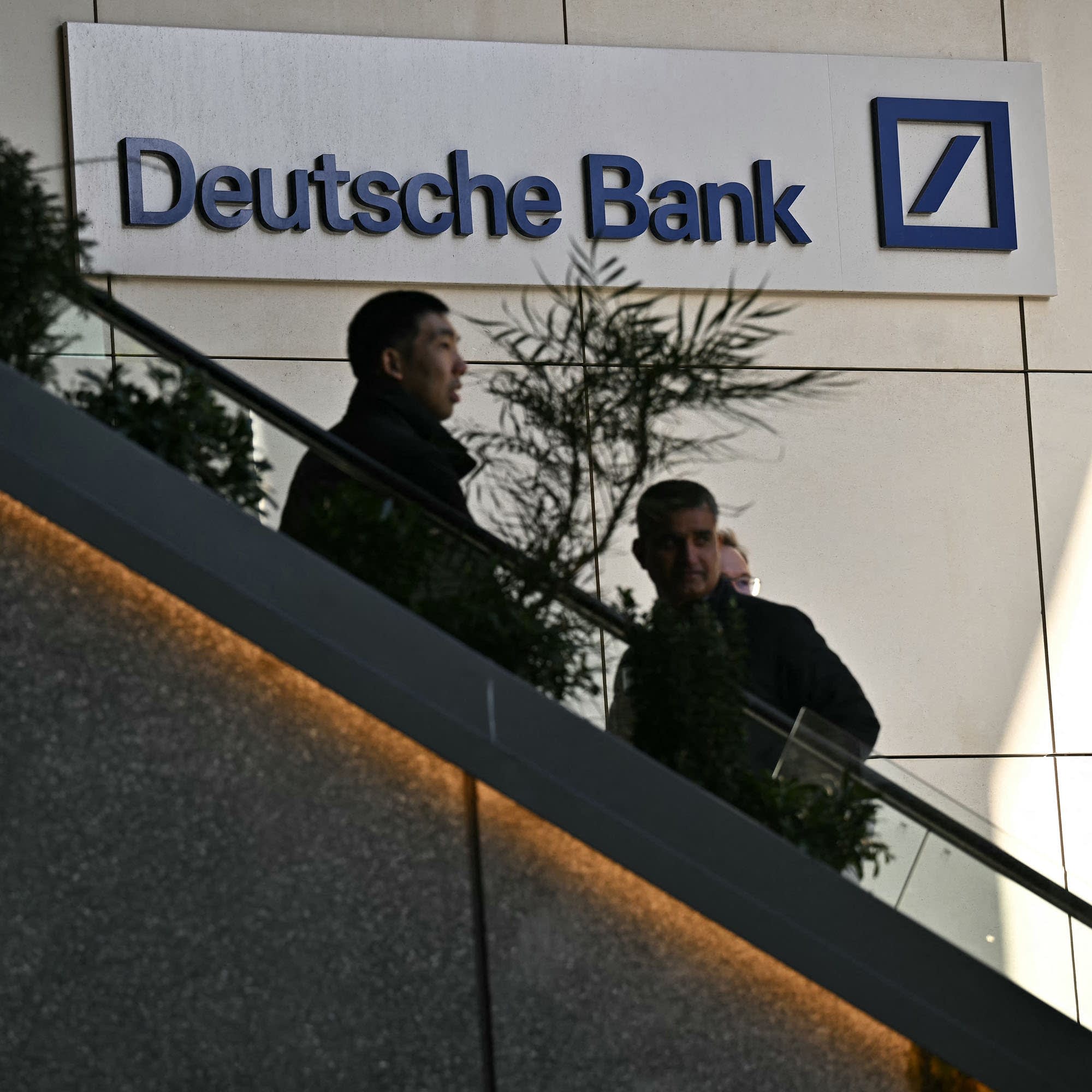
A new flood of leaked documents is putting fresh scrutiny on banking behemoth Deutsche Bank. The documents include more than 15 million internal emails and files, covering the early 2010s through 2021. A group of more than 200 journalists from around the globe has been analyzing the leaked information, revealing questionable practices, deals with Russian oligarchs, and more. Today, we hear from one of those reporters. But first, what did we get out of President Donald Trump's Asia summit? Every story has an economic angle. Want some in your inbox? Marketplace Morning Report is more than a radio show. Stories in this podcast: What you need to know about the Deutsche Bank leak (https://www.marketplace.org/story/2026/11/20/what-you-need-to-know-about-the-deutsche-bank-leak)
Last week’s nationwide FAA ground stoppage hit JetBlue particularly hard. No other airline canceled a higher percentage of its flights than JetBlue, according to The Wall Street Journal. The company was already under pressure from investors worried about its heavy debt load and its struggles to turn a profit. What is the path forward for JetBlue? But first, when it comes to Federal Reserve rate hikes, size really does matter. Every story has an economic angle. Want some in your inbox? Marketplace Morning Report is more than a radio show. Read the stories from this episode: Why would the Fed consider a half-percentage-point hike in December? (https://www.marketplace.org/story/2026/11/20/would-the-fed-consider-a-halfpercentagepoint-hike-in-december) High fuel prices hamper JetBlue's path back to profitability (https://www.marketplace.org/story/2026/11/20/why-jetblue-is-struggling-to-turn-a-profit)
This morning, we're continuing our "Economic Pulse" series (https://www.marketplace.org/economic-pulse-marketplace-morning-report) conversation with Marlon Hyde, a business reporter at WABE in Atlanta. We're digging into the high cost of housing and recent community investments aimed at addressing the barriers to economic mobility. But first, the low-hire, low-fire job market shows no signs of letting up. That, plus concerns of a potential AI bubble, is certainly on the minds of Federal Reserve officials. Every story has an economic angle. Want some in your inbox? Marketplace Morning Report is more than a radio show. Stories in this podcast: The role affordability and data centers played in Georgia's elections (https://www.marketplace.org/story/2026/11/19/how-affordability-data-centers-played-a-role-in-georgias-elections)
Schools should restrict personal phone use during lessons.
Share your view, then see how readers voted. No sign-in required. This poll is shared across stories.
Do you agree or disagree?
Common Quandary
A Common Quandary to discuss
Another conversation to explore, separate from this news story.
Your coworker's religious holiday means you work the unpopular shift again. Is that fair?
A workplace accommodates religious observances by asking other employees to cover unpopular shifts. One coworker objects that nonreligious commitments can be equally meaningful but receive less formal protection.
Does equal respect require treating every kind of commitment identically?