Dane Cook: I Sold Out Madison Square Garden, Then My Own Brother Took Everything
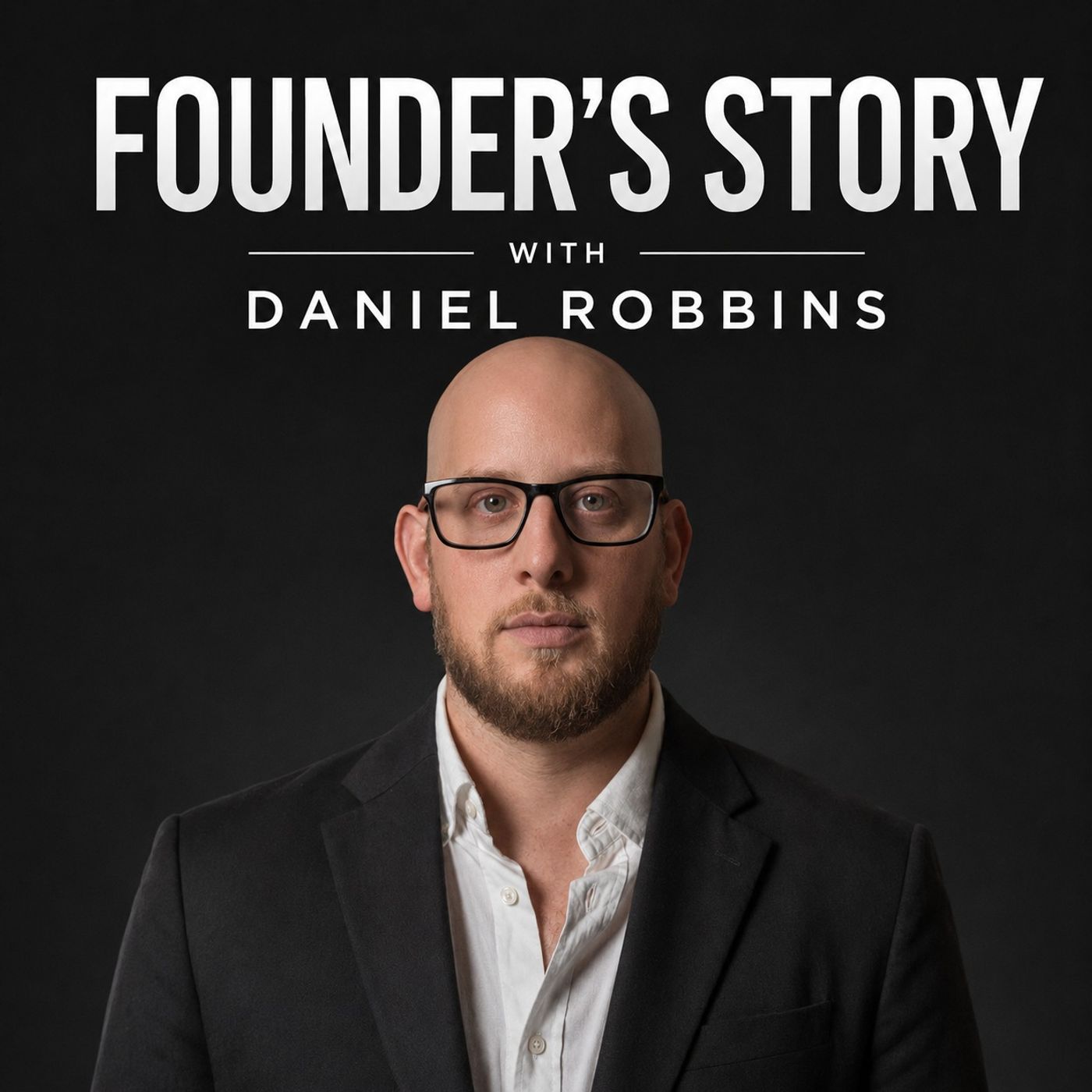
Listen through the publisher, then discuss the episode here or arrange an in-person Roundtable. Your city determines where to meet.
Roundtables are designed for groups of four, with a shared subject and room for everyone to speak. Come for discussion, with no dating expectation.
Daniel sits down with Dane Cook to explore his journey from an anxious, insecure kid in Massachusetts to one of the biggest names in stand-up comedy. Dane reflects on his first time on stage, building a loyal following before social media became mainstream, selling out massive arenas, and the unforgettable moments that defined his career. The conversation takes a deeply personal turn as Dane opens up about discovering that his own brother had betrayed his trust while managing his business. He shares the financial and emotional consequences, the lessons he learned about protecting himself, and why he believes betrayal can become a defining moment rather than the end of your story. Key Discussion Points Overcoming social anxiety to become a stand-up comedian: Dane shares how insecurity and fear nearly prevented him from performing. He recalls his first stand-up appearance in 1990 at Catch a Rising Star in Cambridge, Massachusetts, and why simply stepping on stage remains one of the proudest moments of his life. The rise from selling CDs out of his trunk to sold-out arenas: Dane explains how he created the artwork and packaging for his first comedy album, Harmful If Swallowed, sold copies directly to fans, and eventually landed on the Billboard charts. He also reflects on selling out Madison Square Garden, performing for 20,000 people at Boston Garden, and receiving the call to host Saturday Night Live. The family betrayal behind the fame: Dane discusses his relationship with his older brother, who worked alongside him during the peak of his career. He reveals how discovering financial wrongdoing destroyed his sense of security, forced him to reconsider their relationship, and left him trying to rebuild both his business and personal life. The financial lessons that changed how he operates: Dane admits he once felt intimidated by financial statements, taxes, and the business details behind his career. He explains why entrepreneurs and artists must understand their own finances, ask questions, and recognize when someone they trust is deliberately keeping them uninformed. How Dane Cook became an original social media influencer: Dane reflects on building a massive fan community through MySpace, where he says he had approximately seven million followers. He shares how he used the platform to connect directly with fans, reward their loyalty, and build a community long before today's influencer economy existed. Turning betrayal and pain into purpose: Dane discusses his documentary Funny Money, why he wanted to tell his story through both humor and vulnerability, and how the experience helped him become more compassionate, confident, and intentional about the people he allows into his life. Takeaways The first breakthrough is often overcoming your own fear. Dane considers his first stand-up performance in 1990 one of the greatest achievements of his career. Before the arenas, television appearances, and Hollywood roles, the most important victory was finding the courage to step onto a stage. Building a direct relationship with your audience creates lasting value. Dane recognized the power of online communities before most entertainers. His use of MySpace, direct fan interactions, and grassroots album distribution helped him build an audience that supported his rise to major venues. Never give up complete visibility into your own finances. Dane's experience taught him that trusting someone does not mean surrendering responsibility. Founders, artists, and entrepreneurs need to understand their finances and surround themselves with people who welcome transparency. The people closest to you can sometimes create the greatest business risk. Dane explains how his brother's involvement in his career made the betrayal especially devastating. He believes trustworthy partners should help you understand your business rather than discourage you from asking questions. Pain does not automatically create great art, but overcoming it can. Dane challenges the stereotype that comedians are funny simply because they have suffered. He believes creativity often comes from the desire to move beyond painful experiences and reconnect with happiness, connection, and joy. Your worst experience does not have to define your future. Although the betrayal permanently changed his understanding of trust, Dane believes it also made him more aware, compassionate, and capable of recognizing unhealthy relationships. He now sees that experience as an important chapter in his personal growth. Closing Thoughts Dane Cook's Founder’s Story episode reveals the extraordinary contrast between public success and private struggle. From an insecure young performer to a comedian selling out Madison Square Garden, Dane built his career through creativity, relentless effort, and an unusually close connection with his fans. Yet even at the height of his success, the person he trusted with his business was putting everything he had built at risk. Through his documentary Funny Money, Dane is finally sharing a story that extends far beyond comedy or financial loss. His experience offers an important lesson for founders, entertainers, and anyone building something meaningful: protect what you create, never stop learning the business behind your talent, and remember that betrayal does not have to determine the rest of your life. For Dane, the greatest legacy is not simply making millions of people laugh. It is helping them believe that even after losing something important, they can rebuild, grow, and become something greater. Today's Sponsor: Turn live shopping into a real business with Whatnot, where sellers build relationships, move inventory in real time, and reach buyers across collectibles, electronics, luxury, beauty, and more. Search Whatnot in the App Store and start selling today. Build the real thing with Base44. Built for those who stay in the flow. Learn more at Dell.com/Dell-Pro. Hosted by Simplecast, an AdsWizz company.
Episode information is provided by the publisher. Listening takes place on the publisher’s service.
Listen at the source ↗