Listen through the publisher, then discuss the episode here or arrange an in-person Roundtable. Your city determines where to meet.
Roundtables are designed for groups of four, with a shared subject and room for everyone to speak. Come for discussion, with no dating expectation.
Where should we find consolation? It's essential to remember that our ultimate goal and true source of happiness is God. With this in mind, Fr. Mike emphasizes the need to detach ourselves from worldly possessions and strive to be channels of God's grace. By doing so, when we receive blessings, we can in turn become a blessing to others. Today’s readings are Catechism paragraphs 2544-2557. For the complete reading plan, visit ascensionpress.com/ciy
Episode information is provided by the publisher. Listening takes place on the publisher’s service.
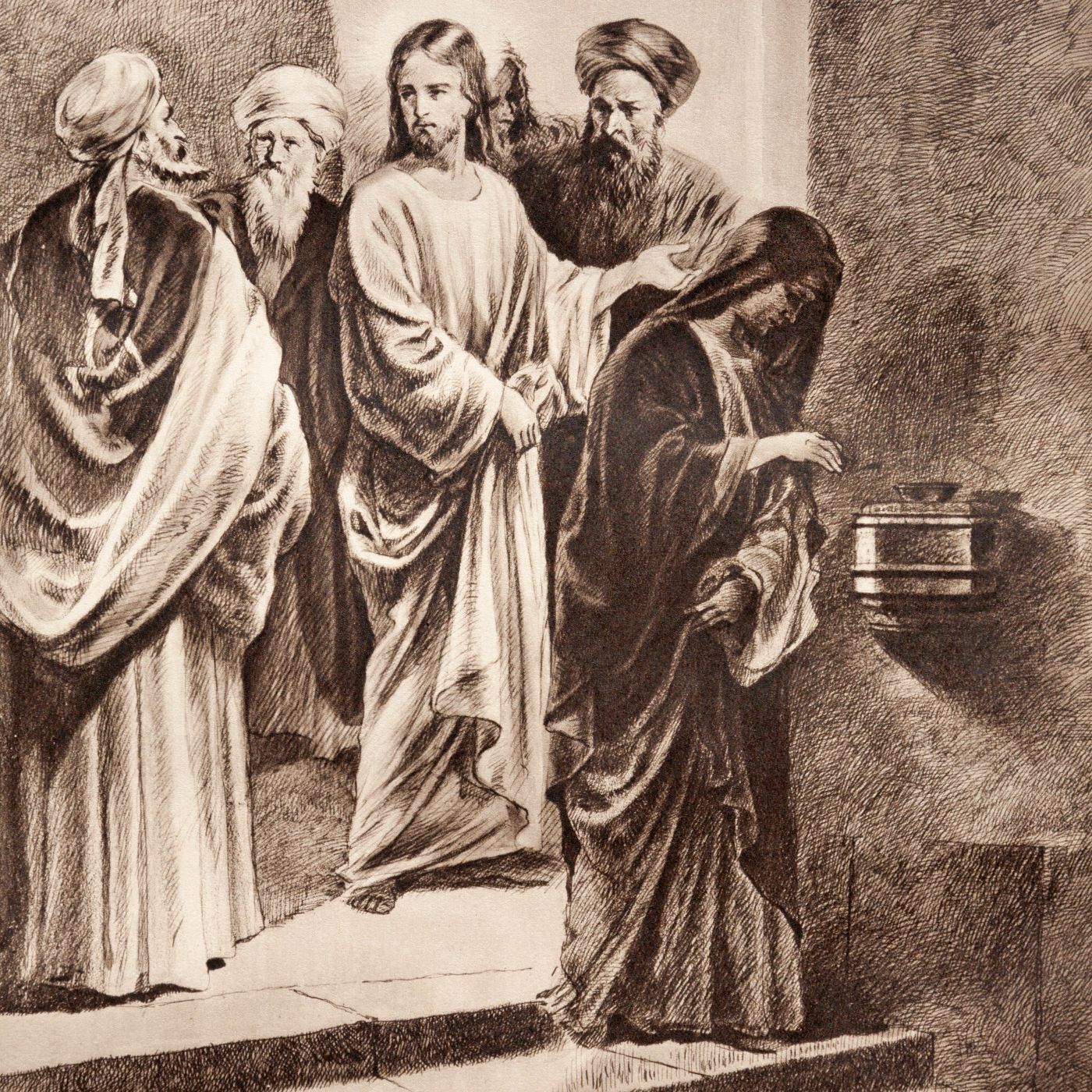
Luke 21: 1-4 - 'The widow's mite.' Catechism of the Catholic Church Paragraphs: - 2544 (In 'Poverty of Heart') - Jesus enjoins his disciples to prefer him to everything and everyone, and bids them “renounce all that [they have]” for his sake and that of the Gospel. Shortly before his passion he gave them the example of the poor widow of Jerusalem who, out of her poverty, gave all that she had to live on. The precept of detachment from riches is obligatory for entrance into the Kingdom of heaven. Got a Bible question?
Read Online (https://catholic-daily-reflections.com/2026/11/22/giving-all-to-the-new-temple/) Giving All to the New Temple When Jesus looked up he saw some wealthy people putting their offerings into the treasury and he noticed a poor widow putting in two small coins. He said, “I tell you truly, this poor widow put in more than all the rest; for those others have all made offerings from their surplus wealth, but she, from her poverty, has offered her whole livelihood.” Luke 21:1–4 During this final week of the Liturgical Year, the Church draws our attention to the final week of Jesus’ earthly ministry. During those sacred days, Jesus spent His nights on the Mount of Olives and His days preaching in the Temple courts. Those listening to Him had no idea of what was to come. But Jesus knew. And so His words and actions during this final week carry particular weight and urgency. In today’s Gospel, Jesus quietly observes people placing their offerings into the Temple treasury. Some wealthy
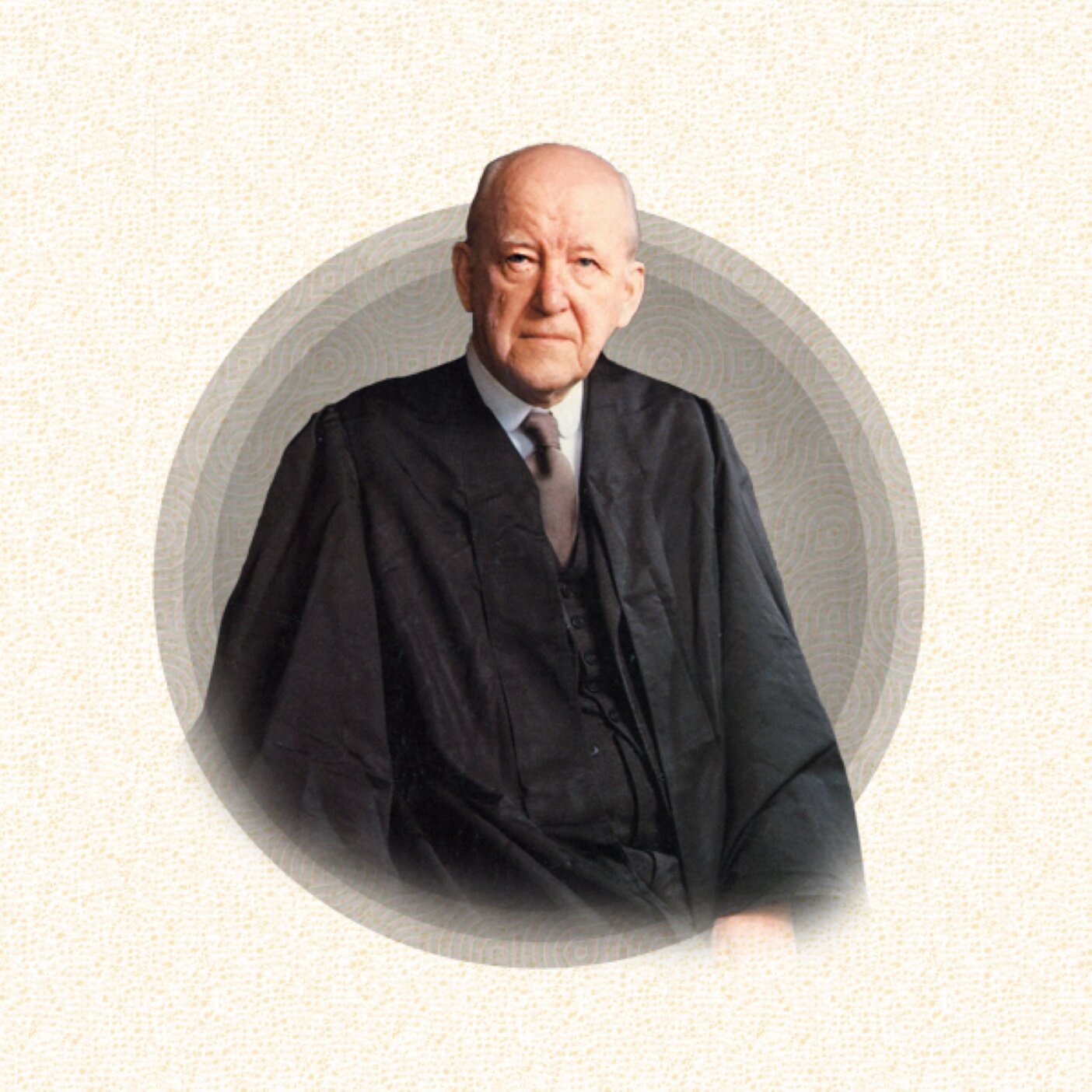
“All believers are called to be saints,” states Dr. Martyn Lloyd-Jones. This principle is well-supported from Scripture, yet there are some who teach that only a select few Christians should be recognized as saints. This is a key point because it recognizes the work of God in the lives of all who believe in Him, not just a select few. In this sermon on Ephesians 5:5 titled “The Kingdom of Christ and God,” Dr. Lloyd-Jones demonstrates that the goal of salvation is to make one holy, not happy. Though happiness is a byproduct, it is not the main goal. This, says Dr. Lloyd-Jones, differentiates Christianity from cults. Many people today profess to be believers but are selling a Christianity that makes people wealthy and happy, the complete opposite of Jesus’s promise that His followers are called to obedience and would sometimes even suffer for His sake. The kingdom of Christ and of God are the same, which means that true believers will follow the commands of Christ. Yet, some take this to
P. S. Band Together - Learn more about discipleship bands here (https://discipleshipbands.com/). Please fill out the Discipleship Bands interest form here (https://seedbed.typeform.com/to/xrac4SAe). - - - - - - - - - - - - - - - - - - - J.D. Walt teaches that by the end of Romans 15, Paul is committed to strengthening the church Jesus is building. Paul worked to mend the net of the church in Rome, which was strained by false teaching, spiritual warfare, poverty, and interpersonal conflict, and he planned to go to Jerusalem with an offering, then visit Rome and use it as a mission base for a trip to Spain. JD says the church rises and falls on the deep bonds among believers, and that relationships are the mission. He recalls a conversation between George Whitefield and John Poole, in which Wesley's practice of joining awakened souls in classes preserved the fruits of his labor while Whitefield's people were a rope of sand, and he urges listeners to join a band or become a rope of sand.
Monday Daily Affirmations: Called by Name and Belonging to God (Isaiah 43:1) Start your Monday with confidence, peace, and purpose. These daily Christian affirmations are a short but powerful way to realign your heart and mind with biblical truth before the week begins. Today's affirmations are all about identity: who God says you are, and what changes when you believe it. Speak life over your day, renew your faith, and step into God's promises with Scripture straight from His Word. I'll read each phrase, you repeat it, and then I'll tell you the Scripture it comes from. Links AD-FREE Daily Affirmations are on my Patreon: Patreon (https://www.patreon.com/c/HearingJesus) Join me on an immersive Bible Study Experience. Learn more at BibleStudyLive.org (https://biblestudylive.org/) Have a question? Before we begin Take a deep breath. This is a new day filled with God's grace and purpose. You are not defined by your past, or your mistakes, or the opinions of others. You are defined by the
What is your "why" for the holidays? Summary Think Big. Plan Simple. Act Now. The holidays are more than a collection of activities, gifts, and obligations. They are an opportunity to strengthen your family culture – to communicate who you are, where your children belong, and what matters most. Start with that bigger vision, make a simple plan together, and then put it into action. In this podcast we break open why exactly holiday traditions are so integral to the culture of a family and what vital conversations need to happen for them to be peaceful and memorable. You will get some questions that you and your spouse need to sit down and talk about ASAP so the next few weeks will build you up, not stress you out. Please consider donating to our end of year campaign! Your support makes the podcast happen and gives us the resources we need to continue to develop courses, books, and videos to support your family. Visit www.messyfamilyproject.org/give (http://www.messyfamilyproject.org/giv
In this fourth and final pillar of the Catechism of the Catholic Church, we learn how to take everything we’ve absorbed this year and apply it to our relationship with God through prayer. Sr. Miriam James Heidland, SOLT joins Fr. Mike Schmitz to talk about how to pray, some common obstacles to prayer, and some of the incredible fruits of prayer that await us if we put the next thirty-seven days of guidance into action. For the complete reading plan, visit ascensionpress.com/ciy
Envy is “the diabolical sin,” says St. Augustine. Christians should better understand this capital sin, its manifestations, and the temptation toward envy of God and neighbor. In this episode, Fr. Mike considers jealousy and envy, noting man's desire to covet and lust. He explains that the tenth commandment develops and completes the ninth. Today’s readings are Catechism paragraphs 2534-2543. For the complete reading plan, visit ascensionpress.com/ciy
As Fr. Mike suggests, the battle for purity is never more difficult than in our own day. With God’s grace, we can prevail and find freedom from our temptations. Fr. Mike explains that we win this battle through chastity, purity of intention, purity of vision, and prayerful reliance on the Lord. He tells us how to pray for a pure gaze that allows us to see our brothers and sisters as God sees them. Today’s readings are Catechism paragraphs 2520-2533. For the complete reading plan, visit ascensionpress.com/ciy
New owners should honor commitments to people who already depend on a business or property.
Share your view, then see how readers voted. No sign-in required. This poll is shared across stories.
Do you agree or disagree?
Common Quandary
A Common Quandary to discuss
Another conversation to explore, separate from this news story.
Your best friend is an AI that profits when you stay lonely. Is the friendship real?
A lonely adult considers an AI companion their closest confidant. The service is always patient and supportive, but the company profits when users spend more time engaged with it.
Does a comforting system have a duty to make itself less necessary?