Disaster Divide: How inequality impedes justice in the response to climate catastrophe
Listen through the publisher, then discuss the episode here or arrange an in-person Roundtable. Your city determines where to meet.
Roundtables are designed for groups of four, with a shared subject and room for everyone to speak. Come for discussion, with no dating expectation.
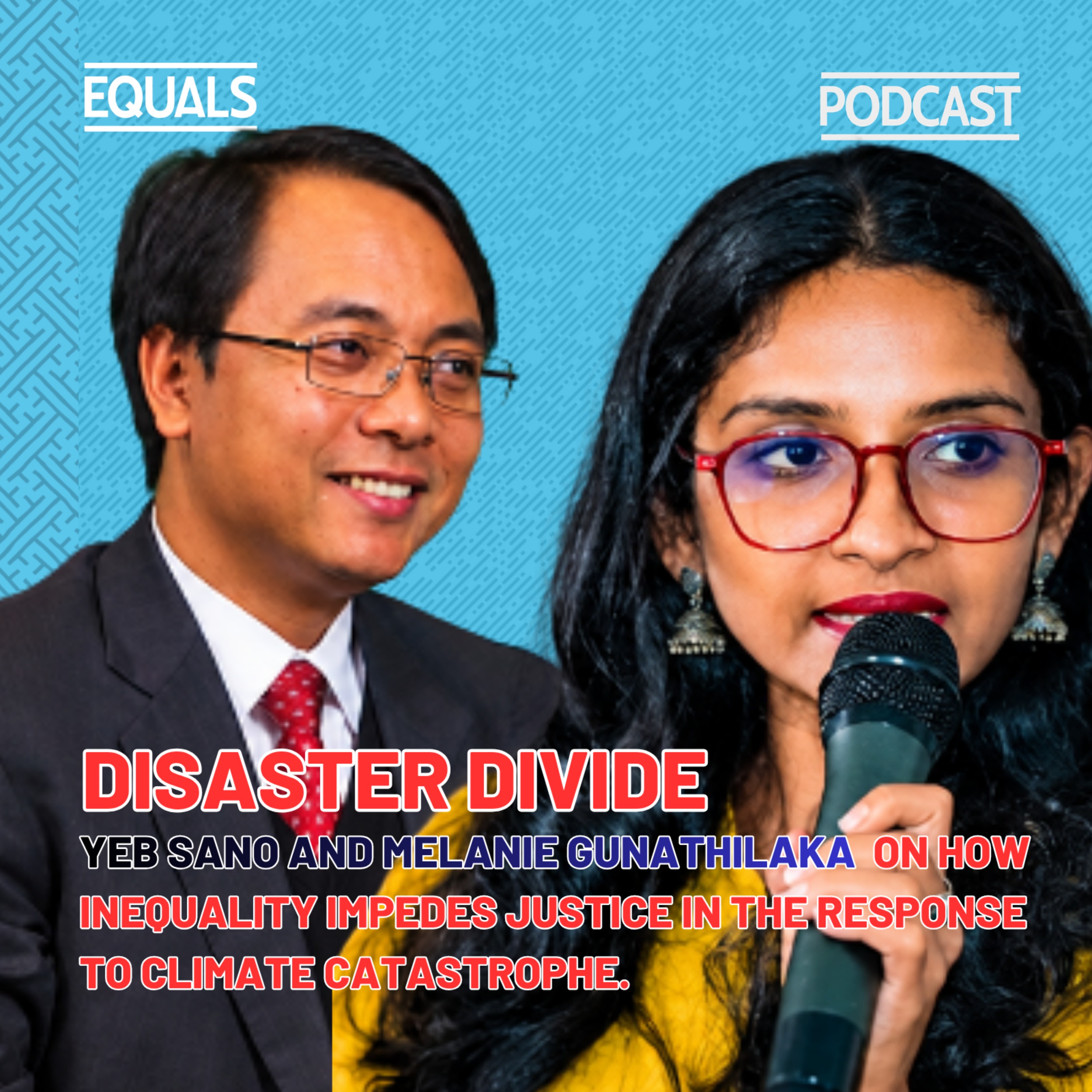
In our last EQUALS episode with Sunil Acharya (https://shows.acast.com/equals/episodes/low-emissions-vs-high-stakes-in-nepal-the-injustice-of-clima), we established that the climate crisis affects different communities across the world differently, with the poorest and most vulnerable in countries like Nepal carrying the heaviest risk and greatest losses after disasters strike. In this episode, we explore the relationship between climate justice and economic inequality with Melani Gunathilaka and Yeb Saño. We explore what happens when the news fades, and communities are left grappling with the aftermath of climate disasters. Drawing from experiences in the Philippines, Yeb highlights how systemic inequality and poverty shape climate vulnerability, pushing low-income earners, small-scale farmers and fisher folk to areas most exposed to climate disasters, while wealthier families live in modern, more secure neighbourhoods and can rely on financial savings, insurance and more resilient infrastructures to protect themselves and to recover. Melani discusses overlooked non-economic losses and damages, including the loss of cultural heritage, community knowledge, and traditional knowledge. She explains how the climate finance system prioritises monetary quantification of losses, leaving many significant community losses out of policy decisions. From climate finance and loss and damage to wealth inequality and the need for a just transition, this conversation explores why tackling the climate crisis demands confronting the existing structural economic and political systems that breed inequality. Don't just listen, join thousands of others reading our weekly digest on inequality. Sign up at https://www.equals.ink/ Hosted on Acast. See acast.com/privacy (https://acast.com/privacy) for more information.
Episode information is provided by the publisher. Listening takes place on the publisher’s service.
Listen at the source ↗