Downstream: Our World Order Is Collapsing in Real Time w/ Owen Jones
69 min
Listen through the publisher, then discuss the episode here or arrange an in-person Roundtable. Your city determines where to meet.
Roundtables are designed for groups of four, with a shared subject and room for everyone to speak. Come for discussion, with no dating expectation.
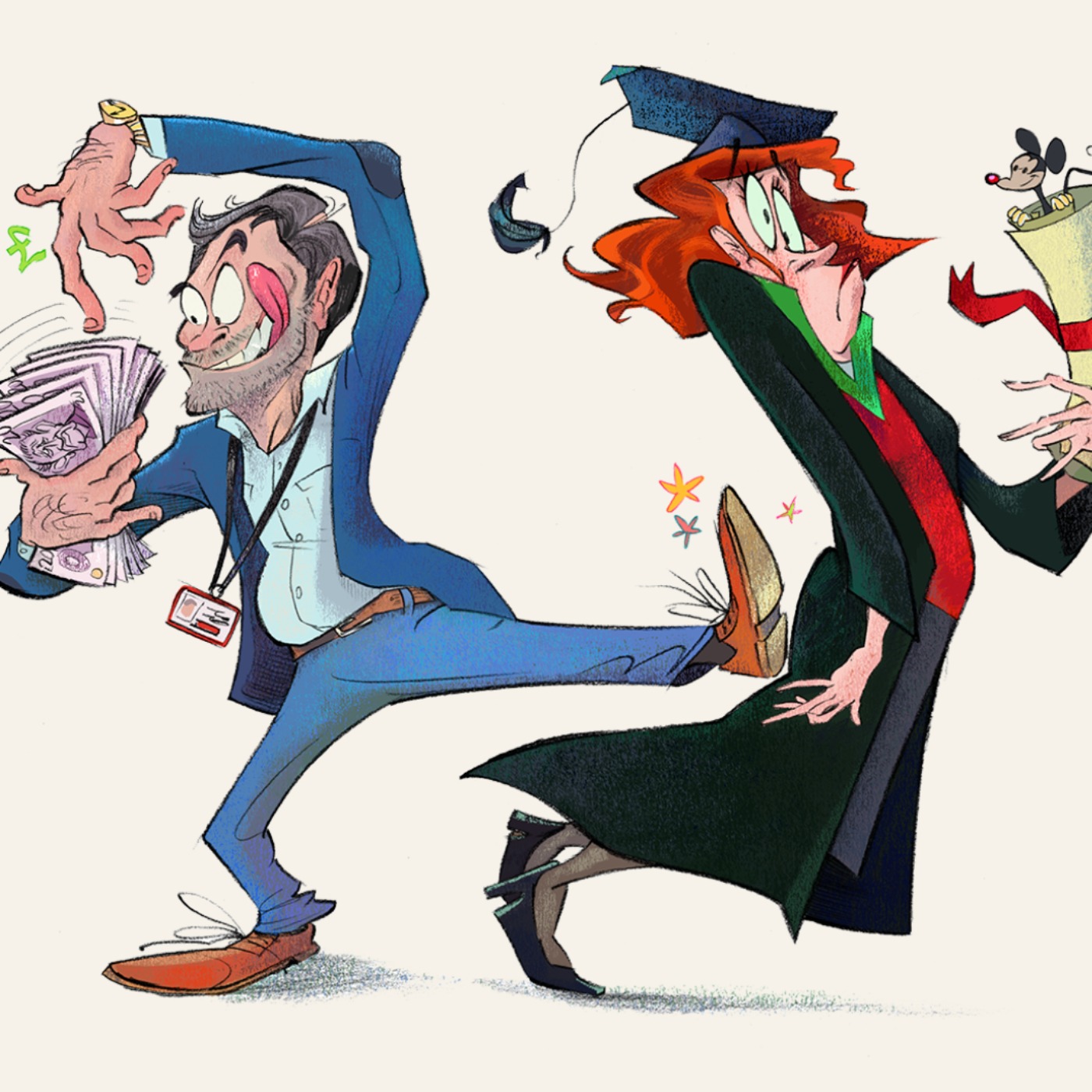
Everyone agrees the West is in decline. But who’s really to blame? Owen Jones has the answers in his new book, The Fall of the West: How They Really Lost It. In conversation with Ash Sarkar, with a live audience at EartH Hackney, Jones traces a line from the collapse of the Soviet Union through to the atrocity of the Israeli genocide of the Palestinians, and Donald Trump’s military defeat by Iran. The idea that the West had reached ‘the end of history’, Jones argues, led to concentrations of power and political complacency which in turn sowed the seeds of inevitable decline. How is Jones measuring collapse, and is it relative to China or absolute? Is the persecution of the pro-Palestine movement really ‘worse than McCarthyism’? And in a week where David Walliams and Russell Brand’s behaviour in the noughties is finally catching up with them, how does Jones reflect on the legacies of Little Britain and his book Chavs, 15 years after it was published?
Episode information is provided by the publisher. Listening takes place on the publisher’s service.
For this week’s Edition, William Moore is joined by the Spectator’s economics editor Michael Simmons, writer-at-large Max Jeffery and the historian Alice Loxton. This week: are Britain’s universities becoming degree factories? William Finlator explains the extraordinary growth of franchised universities – institutions which can make huge profits while offering courses with poor academic outcomes and, in some cases, little of the traditional university experience at all. Michael asks what universities are actually for, while Alice warns that low-quality degrees risk devaluing the reputation of British higher education. Is a bad degree worse than no degree? Also: how did Bangladesh’s violent politics end up on the streets of east London? Max explains how Britain has become a major arena for the country’s political factions, following the fall of Sheikh Hasina, with rival groups clashing on the streets while exiled politicians lobby British MPs. Is Britain equipped to deal with foreign po
For this week’s Edition, William Moore is joined by the Spectator’s economics editor Michael Simmons, writer-at-large Max Jeffery and the historian Alice Loxton. This week: are Britain’s universities becoming degree factories? William Finlator explains the extraordinary growth of franchised universities – institutions which can make huge profits while offering courses with poor academic outcomes and, in some cases, little of the traditional university experience at all. Michael asks what universities are actually for, while Alice warns that low-quality degrees risk devaluing the reputation of British higher education. Is a bad degree worse than no degree? Also: how did Bangladesh’s violent politics end up on the streets of east London? Max explains how Britain has become a major arena for the country’s political factions, following the fall of Sheikh Hasina, with rival groups clashing on the streets while exiled politicians lobby British MPs. Is Britain equipped to deal with foreign po
Actress and comedian Leslie Jones joins Don and Angie Nixon for a hilarious, unfiltered conversation about Donald Trump, racism, Hollywood and the state of America. The SNL legend holds nothing back as she opens up about her experience working with Trump on Saturday Night Live, the racist attacks she faced after Ghostbusters, and why she's never been afraid to speak her mind. And just when you thought things couldn't get any crazier, viral Trump impersonator Joseph Haynes joins the show! His spot-on impression of the president has Don and Angie cracking up as they put "Trump" in the hot seat for a hilarious grilling. With Leslie bringing the laughs, Don asking the tough questions and Angie keeping it real, this is one conversation you don't want to miss! GUESTS: Leslie Jones, Joseph Haynes CO-HOST: Angie Nixon Originally aired November 20, 2026. FIND THE DON LEMON SHOW: Youtube: https://www.youtube.com/@TheDonLemonShow Substack: https://substack.com/@donlemon Facebook: facebook.com/don
David Frost on Andy Burnham’s Brexit betrayal, demographer Paul Morland on the looming crisis of population bust. Plus: Tilak Doshi on the farcical flop of COP31. In Episode 106 of the Sceptic, host Laurie Wastell speaks to former chief Brexit negotiator, crossbench peer and Telegraph columnist David Frost on Andy Burnham’s EU reset deal, how it pointlessly surrenders British sovereignty over food standards and why joining the EU’s ruinous Emissions Trading Scheme will drive up energy bills. Plus: how our naive negotiators were outmanoeuvred over student fees and why Burnham will regret re-opening the Brexit debate. Dr Paul Morland, demographer and author, on his new book Bust: The Economics of Population Decline, warning how an ageing workforce and spiralling government debt threatens living standards and could cause sovereign debt crisis across the developed world, why economists and policymakers shouldn’t ignore demographics, plus why immigration isn’t the solution and white Brits a
James Bond may be getting a new face, but the bigger question is why he still matters. With British actor Robert Pattinson cast as 007, we ask what the world's most famous spy says about Britain in 2026. Is Bond simply a blockbuster franchise, or one of the last surviving symbols of British influence in a world increasingly shaped by China, Russia and the United States? Historian and Bond scholar Jeremy Black joins Geraldine Doogue and Latika Burke to explore the politics behind the tuxedo. From Ian Fleming's original novels to Daniel Craig's darker interpretation, they unpack how Bond has adapted to changing attitudes on masculinity, race, authority and power while holding onto a surprisingly durable moral core. The conversation ranges from Winston Churchill and Queen Elizabeth II to Elon Musk, Vladimir Putin and the future of Western alliances. They debate whether Bond still reflects British values, whether a female Bond is inevitable, and why audiences around the world continue to e
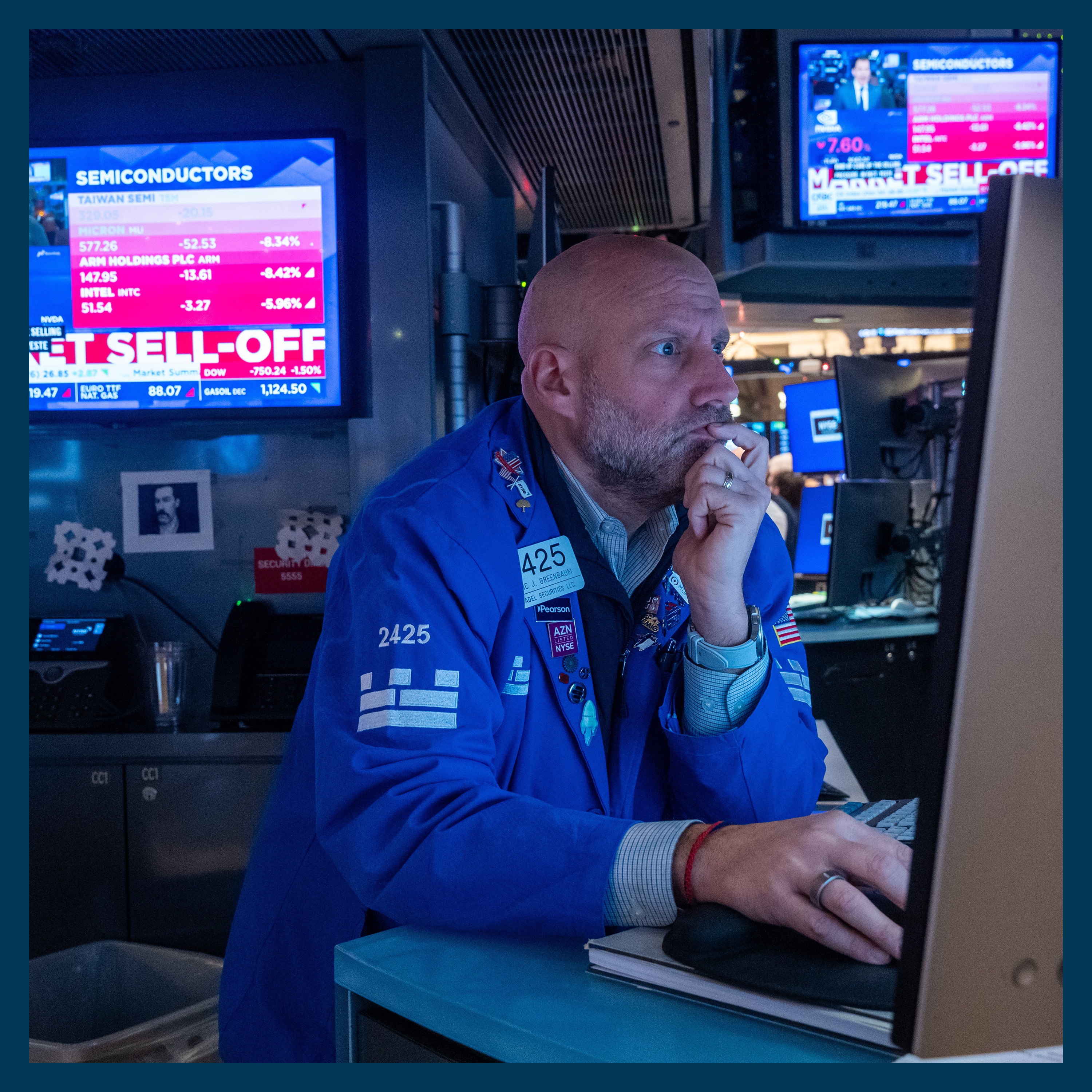
It’s been a volatile period for the world’s stock markets - the fluctuations are linked in part to the resignation and reinstatement of Nvidia’s CEO Jensen Huang, as well as questions about the value of AI companies. So is the bubble finally bursting or is this a minor correction with worse to come? And why do Nvidia’s fortunes have such an effect on global markets? Guest: Rory Cellan-Jones, author and technology correspondent Host: Manveen Rana Producers: Olivia Case and Robyn Simon We want to hear from you - email: [email protected] Read more: Nvidia farce lays bare the fragility of the AI boom (https://www.thetimes.com/us/business-us/article/nvidia-farce-fragility-of-ai-boom-th6j8p3kd) Further listening: The Times Tech podcast (https://podfollow.com/times-tech-podcast) Clips: Bloomberg, CBC, France 24, CBS, Reuters, CNN, MSNBC, Channel 4, Fox News, USA Today. Photo: Getty Images Hosted on Acast.
Xinjiang is one of the most fought-over stories in the world. Beijing says the place’s transformation is a story of modernisation and counter-terrorism. Human Rights Watch, Amnesty and the UN’s human rights office have all describes mass internment and possible crimes against humanity. So what is actually happening there and who can you trust? Darren Byler is a socialist anthropologist who did his fieldwork in Ürümqi, the region’s capital. He talks to Richard Hames about Uyghur life before the crackdown, the surveillance system that spans from tracking software on phones to continuous checkpoints to security service agents living in Uyghurs’ houses. He describes the camps and system of forced labour, and why he calls the whole system “terror capitalism”, a frontier where settler colonialism merges with the tech industry.
Ask anyone in the UK what they think about politics, and they’ll tell you politicians are not to be trusted, and that politics itself is broken. Our institutions, from the Treasury to the House of Lords and the Privy Council, are among the oldest in the world. It is a system better fit for a monarchy, than a modern democracy. Investigative journalist Adam Ramsay has spent the last decade dissecting the apparatus of the British state. The conclusion he has come to in his new book, Abolish Westminster, is that we do just that. On Downstream this week, he tells Aaron Bastani why and how to do so. What exactly are the Privy Council, the House of Lords, the Treasury, and who do they serve? Is it normal that so many members of our political system are on the payroll of foreign interests? How have other countries gone about updating their constitutions? And is ending the union the best way to abolish Westminster?
For decades, the world has run on oil. Then this year, the war on Iran shut the Strait of Hormuz, and a fifth of the world’s oil and gas trade stopped. The result was a scramble to buy solar panels from China. In March alone it shipped 68 gigawatts abroad, nearly three times all the solar Britain has ever installed. Its own firms barely make a profit, and now they’re building factories across the Global South. Is this the end of the oil age, and of the American one? Tim Sahay co-directs the Net Zero Industrial Policy Lab at Johns Hopkins and co-writes The Polycrisis with Kate Mackenzie. He tells Richard Hames how China became the world’s dominant electrostate, why its clean-tech firms are fleeing a price war at home, and what the Belt and Road 2.0 means for the rest of the world. Get the map. (http://novaramedia.com/dyor) Support our work (http://novaramedia.com/support).
New community initiatives should have a realistic long-term support plan before launching.
Share your view, then see how readers voted. No sign-in required. This poll is shared across stories.
Do you agree or disagree?
Common Quandary
A Common Quandary to discuss
Another conversation to explore, separate from this news story.
Your neighbor saves a public parking spot with an orange cone. Do you move it?
Street parking is scarce after a snowstorm. Your neighbor spent an hour digging out the space in front of their home and now guards it with an orange cone, even though curb spaces legally belong to everyone. You arrive tired and the cone is blocking the only open spot.
Can effort create a personal claim to something public?