E92 | The "ADHD is a superpower" rhetoric & Paris Hilton's ADHD summit
43 min
Listen through the publisher, then discuss the episode here or arrange an in-person Roundtable. Your city determines where to meet.
Roundtables are designed for groups of four, with a shared subject and room for everyone to speak. Come for discussion, with no dating expectation.
In this episode, we thought it was a good time to talk about the "ADHD (and autism) are a superpower" narrative, after Paris Hilton recently hosted her UNSTOPPABLE event for neurodivergent creators (https://www.businesswire.com/news/home/20261016756187/en/Paris-Hilton-Unites-200-Neurodivergent-Creators-for-UNSTOPPABLE-a-First-of-Its-Kind-ADHD-Creator-Summit). While we appreciate any awareness and advocacy (especially from people so well known), a lot of the discourse from that event has reignited the rhetoric that our disabilities are superpowers. The sentiment is often well-intentioned, but does calling our disability a superpower actually resonate with everyone? Does it empower us, gloss over the challenges, or maybe do a bit of both? We discuss our thoughts on Paris Hilton's recent advocacy, our own feelings on the "superpower" topic, and reflect on how you - our listeners - feel about it. Join our Reddit to be part of the convo! (https://www.reddit.com/r/WTFisAuDHD/) Plus, we've got a very exciting WTF Journals update: THE STORE IS LIVE AGAIN - limited stock only! wtfjournals.com (https://wtfjournals.com/) Hosted on Acast.
Episode information is provided by the publisher. Listening takes place on the publisher’s service.
Keto Consult #12, This week Jennifer and I talk about my experience at the Metabolic Health Center 2019. I was able to hear some really interesting lectures about Keto for Cancer and Keto for Mental Health. The talk about Keto for Cancer and Keto for Mental Health has come such a long way in the past 2 years and continues to evolve. We also discuss the Effects of Marijuana on the Brain and Hyperbaric Oxygen Chambers and the benefits of Hyperbaric Oxygen Therapy. Finally we get an update from Jennifer and discuss her personal Keto Journey. Thanks for tuning into my channel. To learn more about Keto and Cancer, read my blog here: https://bozmd.com/m-d-anderson-on-the-keto-diet-and-cancer/ BOOK-LINK - ANYWAY YOU CAN. AUDIBLE: https://adbl.co/2SLLfS1 PAPERBACK= (Affilate link) https://amzn.to/2Cq1IVC The two most common questions I get ... 1) "Doc, what BLOOD METER do you recommend?" ANSWER: FORACARE: http://bit.ly/2QKGmKG For years my diabetics told me this system was great. I tried sever
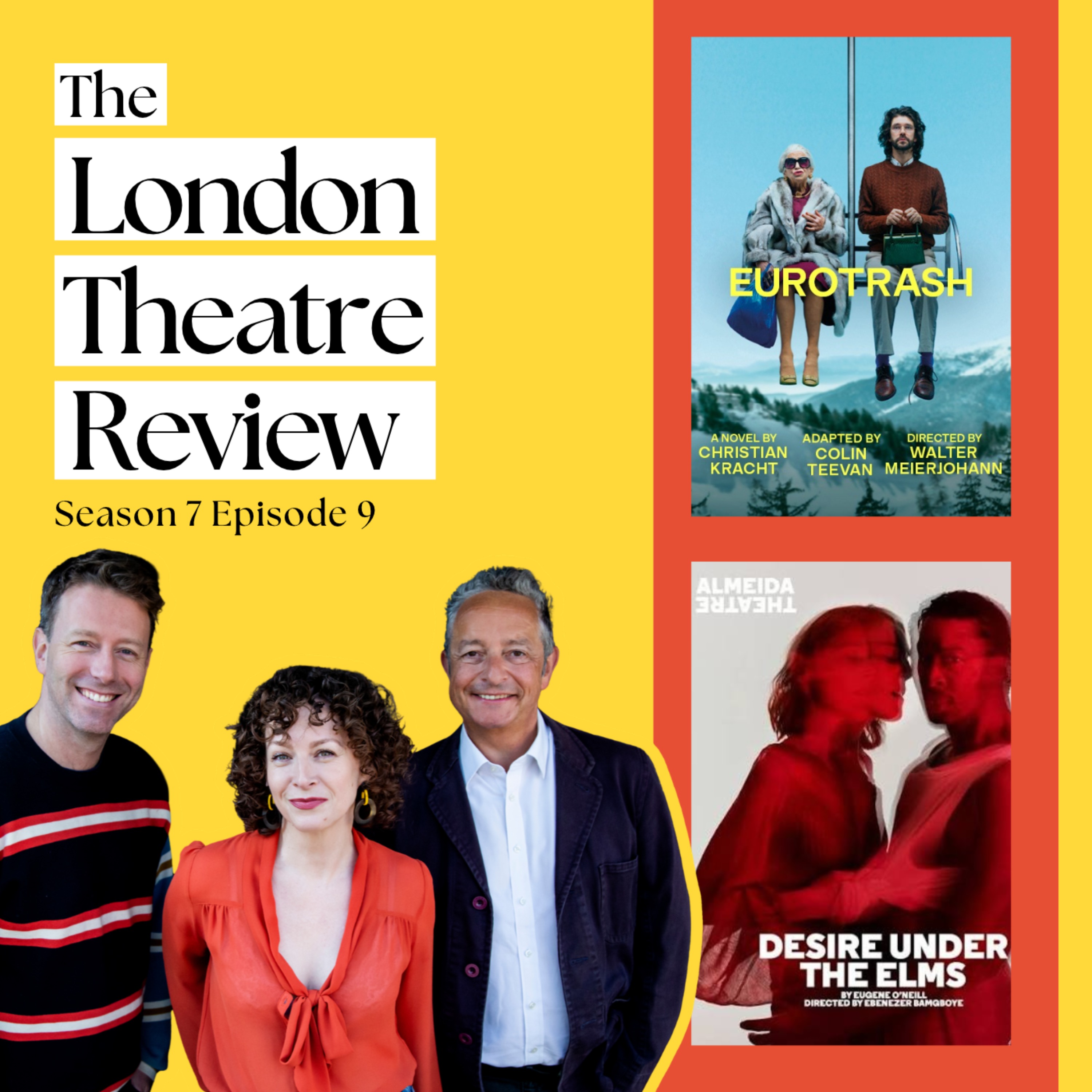
This week, producer Tim joins Nancy and Nick Clark for Eurotrash at the Young Vic, with Ben Whishaw and Kathryn Hunter as a son and mother on a deeply peculiar road trip through Switzerland, essentially two brilliant actors being very weird indeed. Then Nancy holds the fort for Eugene O’Neill’s Desire Under the Elms at the Almeida, after illness, flights and scheduling mishaps keep everyone else away. A farmer brings home a much younger wife, she falls for his son, and things go about as well as you’d expect in an O’Neill play. Plus, Nick Curtis talks to playwright extraordinaire Natasha Gordon as her superb debut play Nine Night returns at the Kiln. They discuss the Jamaican mourning tradition behind its story of family, grief and celebration, and Gordon sets the record straight about being called the first Black woman to have a play in the West End. And the ridiculously delightful Francesca Mills answers our five questions as she stars alongside Jill Halfpenny and Paul Chuckle in The
In this in-depth conversation with Dr. Nic Verhoeven, PhD. creator of Physionic, we explore the controversial world of seed oils and their impact on health. Together, we – “the Nicks” –delves into the science behind seed oils, separating fat from fiction. Importantly, we try to approach this topic with the nuance and humility we both feel is deserves. This isn’t about what we know for certain as much as it is about what the biomedical and scientific community should admit we don’t know but need to study further. Get ready for a thought-provoking discussion on nutrition science, the impact of seed oils on metabolic health, and practical insights to make more informed dietary choices. To Learn More about Seed Oils see my prior video on topic, as well as a recent Newsletter covering a key paper that Nic and I briefly discuss in this interview. Hint: It’s all about “Perspective.” Prior Seed Oil video https://youtu.be/3rwbL5HrRUc Newsletter on Omega-6/3 Ratio and “Perspectives” https://open
Alan Milburn wants to scrap Pip for under-25s and replace the Universal Credit health element with a new youth allowance. He says the plan could get 440,000 young people into work within a decade and eventually save £3.6 billion a year. With 981,000 young people not in education, employment or training, nobody disputes the scale of the problem. They disagree about its cause. Milburn insists this is not a generation lacking resilience. Yet his own report finds that benefit claims have outpaced any rise in ill health, and it warns of overdiagnosis of ADHD and autism. Michael Simmons puts that contradiction to Milburn directly. He also asks whether the National Insurance and minimum wage rises are pricing young people out of the jobs they need most. Can welfare reform get a generation back to work – or is the deeper problem a loss of resilience that no policy can fix? This episode is brought to you by Raymond James. Combining deep insights into who you are with our financial expertise, th
Why is the manosphere so appealing to young men? What does it actually mean to be a good man? To join our journaling club, with 10,600 + others, subscribe to my imperfect email - https://www.theimperfects.com.au/sign-up-to-our-newsletter/ Journalist Marc Fennell joins us in the studio to talk about the manosphere: what is it? what are its consequences? and how can we talk to our kids about it? Marc explores with Hugh, Ryan and Josh why the manosphere is so appealing to young men, especially those who think they have little value to offer, and Josh questions what his reaction would have been, if he had of been exposed to the manosphere at a vulnerable time. We look at ‘toxic masculinity,’ and the impact of being right versus making change, and in a moment of vulnerability, Marc discusses the importance of self reflection of your own behaviour. Chapters: Chapters 00:00:00 – Marc Fennell on the Manosphere [TRAILER] 00:01:01 – Ryan’s doppelganger (and media buff etc) 00:04:24 – The State o
If your partner is withdrawing, getting grumpier, feeling depressed or refusing to talk about what’s really going on, relationship expert Professor Denise Turner is here to help. She explains what’s going on with midlife men right now & how to help without sacrificing your own health and happiness. Denise tells Lorraine & Trish how to talk to a man who won’t - or can’t - express his emotions, the external & social factors that may be contributing to his behaviour & the red flags that indicate it’s time to get professional help. Plus the two questions to ask yourself when working out what to do if you feel your relationship is in trouble. Also in this episode: an update on Margo the elderly podcat & Lorraine discovers why she’s been tripping over so often (& it’s not to do with her big Crocs!) If you or a partner are struggling, please speak to your GP or contact Samaritans on 116 123 (free, 24/7). New episodes of Postcards from Midlife are released weekly. Join our Facebook Group to sh
In this episode, we're chatting about the ongoing conversation around ADHD and autism being "overdiagnosed", and why these seemingly harmless comments can be so damaging to people who have spent their lives feeling different, misunderstood or like something was wrong with them. This came off the back of our listener posting in our Reddit community (https://www.reddit.com/r/WTFisAuDHD/) about the discourse currently happening in the UK, and how it's making them apprehensive to share their diagnosis. We chat about the difference between having a few traits and meeting diagnostic criteria, why we're seeing more people diagnosed (particularly those who have historically been overlooked), and how the narrative around overdiagnosis can reinforce internalised ableism, make unmasking harder and leave people questioning their own lived experiences. Plus, we speak about another post in our Reddit community about ADHD medication, including stimulants vs non-stimulants, finding the right combinati
The term 'accommodations' can sometimes sound like a big, unattainable thing - especially when you're conscious of asking others to help. But this week, we want to chat about how you can learn to make your own life easier, even without a diagnosis. We're talking about accommodations: what they are, why they're not just for people with a formal diagnosis, and how small adjustments to your everyday life can make a big difference. You don't need a diagnosis, permission or a complicated support plan to accommodate yourself. The first step is identifying your needs (arguably the hardest part!). Once you know what you need, sometimes it's as simple as finding a workaround, changing the way you approach a task, or giving yourself permission to do things differently. We asked you, our listeners, to share the accommodations you've made in your own lives, and the responses are full of clever, practical and simple ideas that you might want to steal for yourself! P.S. We end up talking about pleas
Neighboring communities should share responsibility for problems crossing their boundaries.
Share your view, then see how readers voted. No sign-in required. This poll is shared across stories.
Do you agree or disagree?
Common Quandary
A Common Quandary to discuss
Another conversation to explore, separate from this news story.
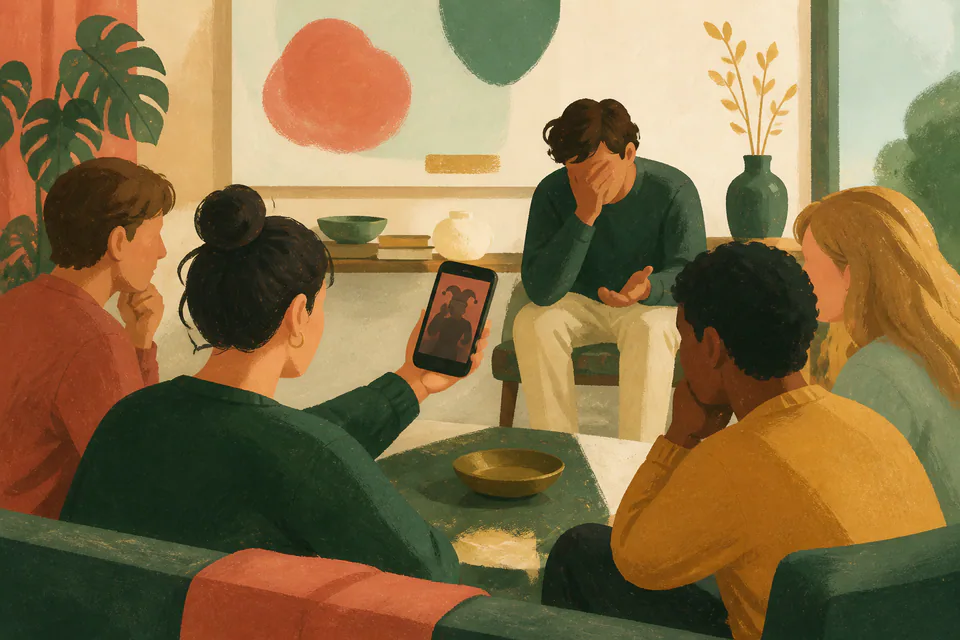
A private joke from years ago goes public. How long should it follow the person who wrote it?
Someone shares a screenshot of a tasteless joke made years ago in a private friends' chat. The person who wrote it says they were performing for a small audience, have changed, and never agreed to have the message made public.
How private should speech remain when it reveals something troubling?