Listen through the publisher, then discuss the episode here or arrange an in-person Roundtable. Your city determines where to meet.
Roundtables are designed for groups of four, with a shared subject and room for everyone to speak. Come for discussion, with no dating expectation.
When shy George Elson is invited to guide an expedition in Labrador, he thinks it’ll be pretty straightforward: hunt, fish, build fires, get paid. But the expedition is doomed from the start, and he’s left with decisions he never wanted to make. Sources include the books Great Heart, by James Davidson and John Rugge; The Woman who Mapped Labrador: The Life and Expedition Diary of Mina Hubbard, by Roberta Buchanan, Anne Hart, Bryan Greene, and Mina Hubbard; and A Woman’s Way Through Unknown Labrador by Mina Hubbard.
Episode information is provided by the publisher. Listening takes place on the publisher’s service.
Why is Lindsay Clancy going back on trial after eleven jurors reportedly sided with her defense? That's where I start with criminal defense attorney Bob Motta. Prosecutors told the court the Lindsay Clancy retrial will require a jury. Under Massachusetts law, the only charge a defendant can't take to a judge alone is first-degree murder, so her attorney, Kevin Reddington, reads that as the state sticking with first-degree. Reddington had wanted the charge lowered to second-degree and a judge deciding the case. Bob explains why a prosecutor might prefer twelve new jurors to one judge, and what keeping a charge that carries life without parole gets the state when Reddington says he'll never agree to prison time. We also get into motive. Plymouth County DA Tim Cruz says this is about justice for three children. Reddington says Cruz wants three murder convictions. And Judge Sullivan, who retires in June, set jury selection for March 29 over prosecutors' push for a later date. Hit play, and
A woman told ITV News that a letter from David Walliams’ lawyers left her shaking. What did that letter demand, and what happens when speaking out brings the threat of legal action? Max Palasi is joined by Melanie Bridgen, Partner and family law solicitor at Nelsons, to examine the reported correspondence, Walliams’ unsuccessful attempt to prevent publication, and the wider pressures facing people making allegations against powerful public figures. We discuss the reported request for a written undertaking within 24 hours, the difference between a solicitor’s demand and a court order, and how confidentiality agreements, legal costs and fear of proceedings can affect someone’s decision to speak. Melanie’s professional experience includes domestic abuse, coercive control and complex family proceedings. She represented former MP Kate Kniveton in proceedings involving abuse findings and their publication, giving her direct experience of the tensions between privacy, public interest and the
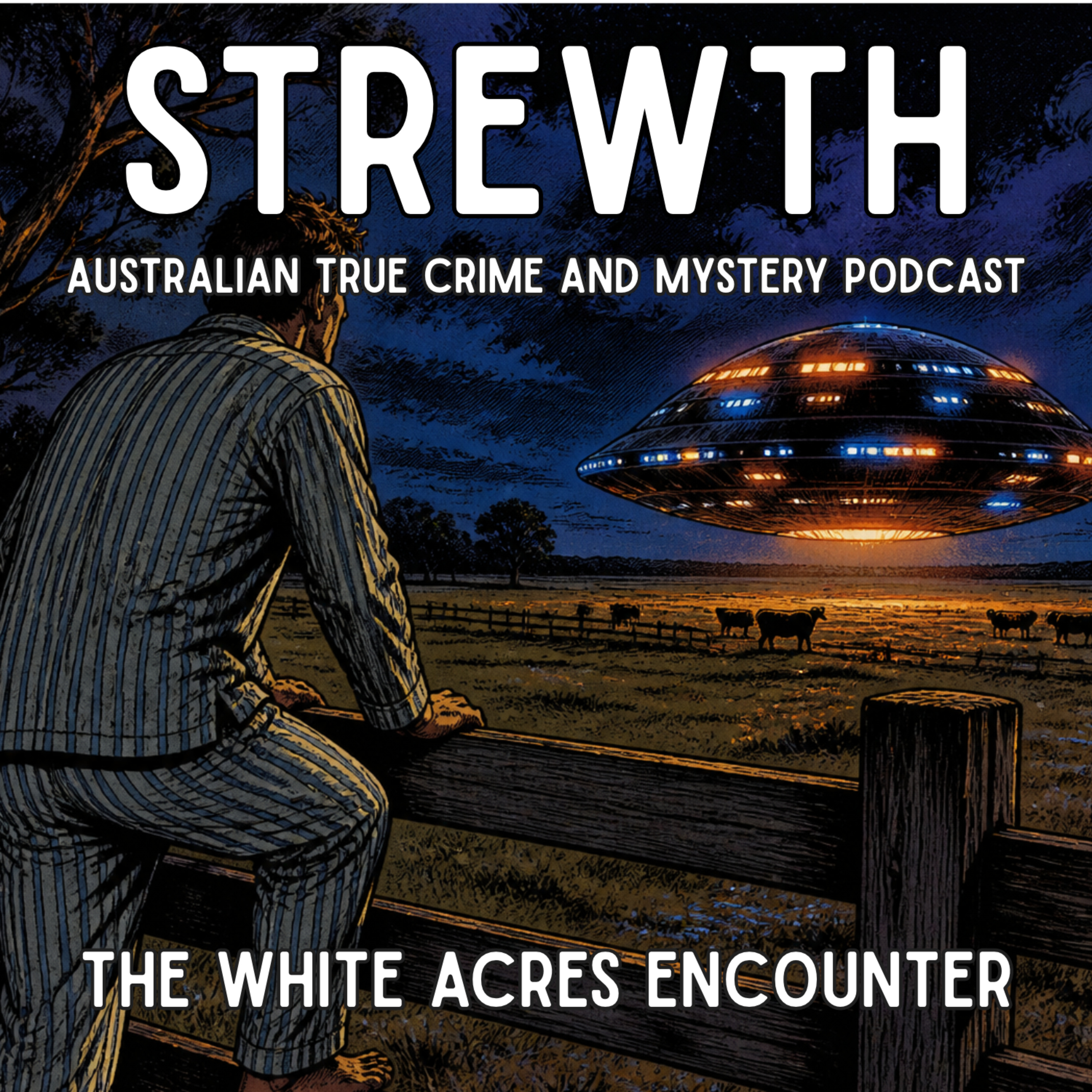
The Rosedale UFO Incident At one o'clock on a spring morning in 1980, on a cattle property outside Rosedale in Gippsland, a farm caretaker named George Blackwell woke to a whistle he couldn't place. The cattle were bellowing, the horse was tearing up and down its fence, and something with lights on it was coming down low over the paddocks. He got on his motorbike and rode out to find it. By sunrise there was a perfect black ring burnt into his paddock, his watch had stopped, and the concrete water tank beside the landing site, full the day before, held nothing but a cone of mud. Ten thousand gallons of water had gone, with not a drop spilled and not a footprint around it. More than forty years later, nobody has been able to explain what happened there, or why, from Canada to Japan to rural Victoria, the strangest visitors keep coming back for water. Strewth social media links - https://linktr.ee/strewthpodcast Contact me - [email protected] Theme Music - Jesse Frank on Pixabay S
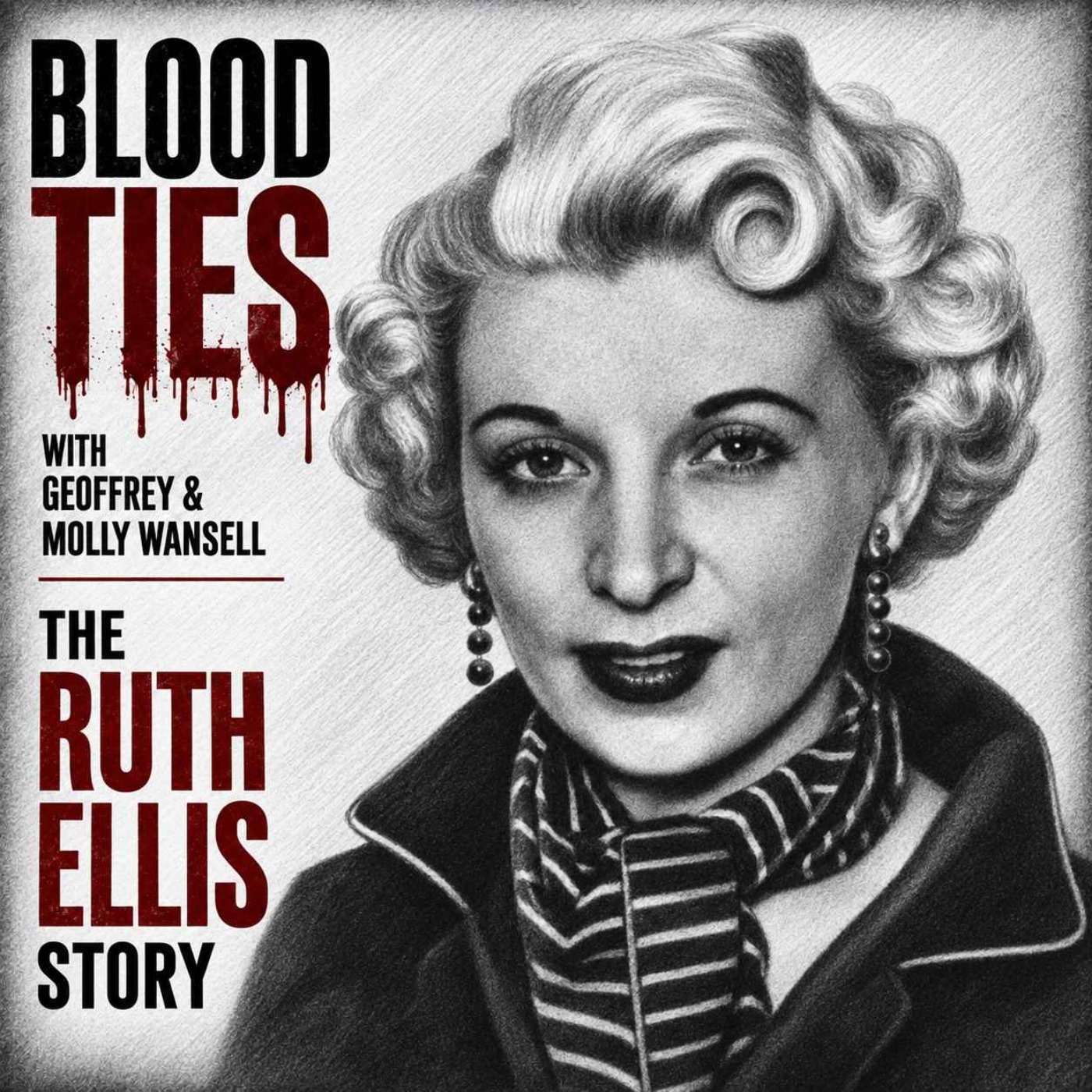
On Easter Sunday 1955, Ruth Ellis shot and killed her lover, racing driver David Blakely, outside the Magdala pub in Hampstead. Three months later, she became the last woman to be hanged in Britain. In this episode of Blood Ties, Geoffrey and Molly Wansell revisit the case of the model and nightclub hostess whose relationship with Blakely ended in murder. At her Old Bailey trial, Ellis admitted she meant to kill Blakely when she fired. Her answer was unequivocal, but the circumstances leading up to the shooting were more complicated. Blakely had been violent towards her, and the case raised questions about how much weight the courts gave to what she had endured. The episode asks how that history should shape our understanding of the killing. Ellis’s execution at Holloway Prison drew protesters and left Britain to reckon with whether justice had been served by sending her to the gallows. Don't forget to support the show by checking out our Patreon! patreon.com/bloodtiespodcast (https://
James Osman opens up about the reality of running a farm in Britain today, from tiny margins and rising costs to a food system he believes is far more fragile than most people realise. A tenant farmer on the Isle of Wight, right next to the Needles, James explains why he left his off-farm job to farm full time and how the business swings between good days and bad ones, with one unexpected bill or one lost animal enough to knock everything back. James breaks down the numbers behind the industry, including why a heifer costs around £2,200, why it can take three years to see a return, and how a cow sold for £2,000 to a supermarket can retail for around £3,000 once butchered. He explains how dairy farmers are paid roughly 38p a litre, about the same as it costs to produce, and how exclusive contracts leave them with a 12 month notice period and no say over price. He also talks about the inheritance tax changes and why he believes they hit the family farm rather than the investors they were
"I can say with 100% confidence I was raped." Those were Jane Doe's words to Cornell University Police. But when the district attorney explained why no criminal charges had been filed, he characterized her signed statement as describing sexual activity that was voluntary, conscious, and consensual. Then a much longer police interview became public. The prosecutor said he'd never seen it. In Part 2, Tyrella and Nikita examine the six-page statement at the center of the controversy, the evidence behind the decision not to prosecute, and why Cornell's own investigation reached very different disciplinary outcomes. What does New York law actually require to establish a sexual offense? How does that differ from a university's consent policy? And what happens when two institutions examine the same night but answer fundamentally different questions? With the case reopened and institutional decisions under renewed scrutiny, the Cornell 7 story raises a question much bigger than one fraternity
Businesses should explain substantial price increases to their customers.
Share your view, then see how readers voted. No sign-in required. This poll is shared across stories.
Do you agree or disagree?
Common Quandary
A Common Quandary to discuss
Another conversation to explore, separate from this news story.
A new email address earns another free month. How many free trials are too many?
A streaming service offers a free month to every new account and makes cancellation deliberately confusing. You discover that slightly different email addresses let you repeat the trial indefinitely without lying about your identity.
Must customers respect the spirit of rules designed to manipulate them?