Listen through the publisher, then discuss the episode here or arrange an in-person Roundtable. Your city determines where to meet.
Roundtables are designed for groups of four, with a shared subject and room for everyone to speak. Come for discussion, with no dating expectation.
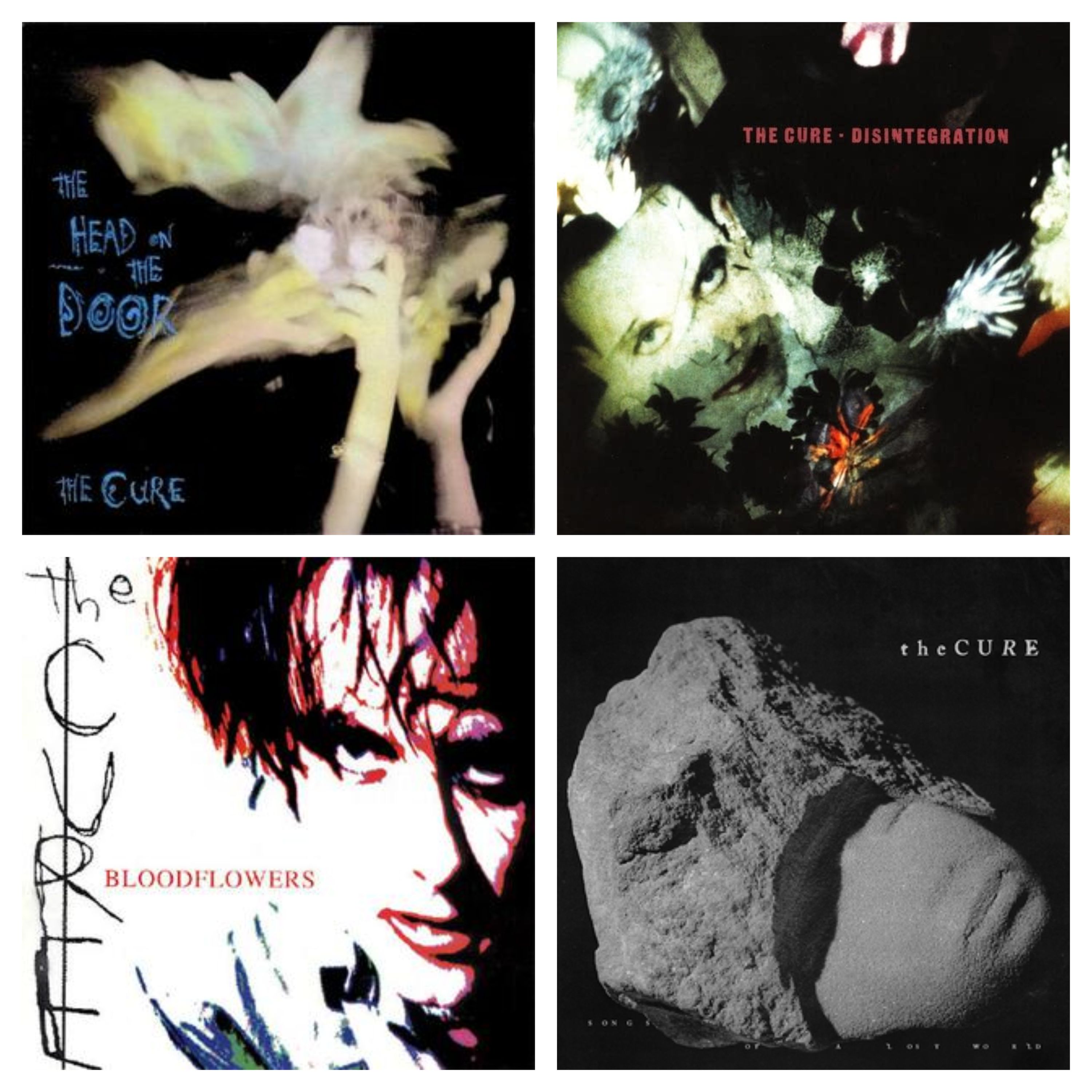
Scot and Jeff discuss the second part of The Cure’s career (1985 to the present) with Derek Wilczynski. Introducing the Band: Your hosts Scot Bertram (@ScotBertram (https://x.com/ScotBertram)) and Jeff Blehar (@EsotericCD (https://x.com/EsotericCD)) are joined by guest Derek Wilczynski (https://x.com/derekwilc). Derek is a Michigan attorney with a trial practice, as well as treasurer for the Macomb County Republican Party. Derek’s Musical Pick: The Cure. What are those unexpected rays of sunshine beaming down through the gray cloud cover? Yes, it’s the second part of The Cure’s career, one which continues onward to the present day! 1985 was a rebirth for The Cure in many ways, with the formation of a stable lineup in both the studio and in concert, and it was heralded by The Head on the Door, the album which first got The Cure radio attention in the United States. 1987’s tangled double album Kiss Me, Kiss Me, Kiss Me maintained Robert Smith’s desire to balance flashy, radio-ready pop hits with funereal dirges, but in many ways, The Cure really only fully came into their own in 1989, with the thickly layered, resplendently pretty sonic gloom of Disintegration. At that point The Cure had made the full journey, from scrappy postpunk minimalism to selling out Wembley Stadium several nights in a row. And while Smith and his gang followed that success up with another record nearly as triumphant (1992’s Wish), he disliked the impersonal nature of playing concerts that large, and suspected the moment would pass. Once it did, Smith proved to age as gracefully as anyone in rock music as a songwriter: Bloodflowers was a minor triumph that set the tone for The Cure’s latter-day albums, which maintain the by-now classic musical density of The Cure’s normal approach while continuing to find new pop hooks. The Cure may be getting up there in years, but there’s still time to catch the fever yet. Hosted by Simplecast, an AdsWizz company. See pcm.adswizz.com (https://pcm.adswizz.com/) for information about our collection and use of personal data for advertising.
Episode information is provided by the publisher. Listening takes place on the publisher’s service.
Pearl Jam bassist and founding member Jeff Ament joins Scott Lipps on Lipps Service for an incredible conversation about the birth of Seattle grunge, the formation of Pearl Jam, and the artists who changed rock music forever. Jeff takes us back to the early Seattle music scene, meeting Stone Gossard, forming Green River and Mother Love Bone, and his friendship with the late Andrew Wood. He reflects on Chris Cornell, Soundgarden, Alice in Chains, Layne Staley, Nirvana and Kurt Cobain, and the extraordinary community of musicians that helped create one of the most influential movements in rock history. Jeff also opens up about the emotional aftermath of losing Andy Wood, the creation of Temple of the Dog, hearing Eddie Vedder for the first time, and how Pearl Jam came together. We get into the massive success of Pearl Jam’s debut album Ten, the story behind “Jeremy,” the band’s changing lineup of drummers, and working with producer Andrew Watt on Dark Matter. Plus, Jeff discusses his pho
WATCH THE FULL VIDEO EPISODE @Patreon.com/tapenotes (https://bit.ly/4eENHp3) John is joined by Jorja Smith and producer P2J to talk about how they wrote, recorded and produced the album ‘What Are the Odds’. A keen musician since childhood, Jorja initially drew attention through YouTube. Her breakout 2016 single ‘Blue Lights’ became a UK R&B classic, while support from Drake helped launch her globally. Her independently released, Mercury nominated debut album ‘Lost & Found’ (2018), was a UK top 5 hit. Jorja’s second album ‘flying or falling’ appeared in 2023, alongside collaborations with Stormzy, J Hus and others. Third album ‘What Are The Odds’ was released in August 2026, working with close collaborator P2J. Sitting down at Metropolis Studios, with mixer/engineer Sam Harper controlling the sessions, Jorja and P2J discuss the excitement of making a more dance-oriented record. They talk about being inspired by retro garage sounds and Jorja delves into recording vocals, including her fa
Can artificial intelligence replace the voices of rock’s greatest singers? And if it can, what happens to the musicians who spent decades developing those unmistakable sounds? On this episode of CHRIS AKIN PRESENTS, Chris welcomes Danny Vaughn of TYKETTO for a revealing conversation about the band’s latest release, CLOSER TO THE SUN, the changing music industry, and the growing influence of AI-generated music. Get Tyketto's CLOSER TO THE SUN on Vinyl while supplies last! https://link.amazon/B0c4HJfbA Danny doesn’t hold back when discussing artificial intelligence. From computer-generated singers that sound eerily similar to established rock vocalists to technology that can imitate an artist’s unique phrasing, he raises serious questions about where creativity ends and exploitation begins. Could AI eventually produce new AC/DC albums without AC/DC? And who should profit when technology recreates a musician’s signature sound? But there’s much more to this interview than AI. Danny takes u
■ PUN He started with an 800-baht microphone in his bedroom — and at the height of it all, he stepped away to become a monk. PUN is a Thai R&B and indie-pop singer-songwriter signed to Universal Music Thailand. He started as a teenager in a school rock band, then recorded songs into an iPad through an 800-baht microphone. As PUNYARB he joined YARBCREW, an underground hip-hop crew, as its youngest member and the one who brought the melodies. He never studied theory; he wrote lyrics "10 times, 100 times, 1,000 times" until he found his voice. His debut single, "Kryptonite," on High Cloud Entertainment, was not hip-hop at all, a deliberate step out of his comfort zone. He moved to Universal Music Thailand in 2023 with "Therapist," then released "GOODBYE," which passed 30 million streams in two months, and "DAY ONE," written in a single day and now past 100 million. His 2024 debut album, "PUN," has passed 600 million streams and won Best New Artist and Best Album in 2025, the year his firs
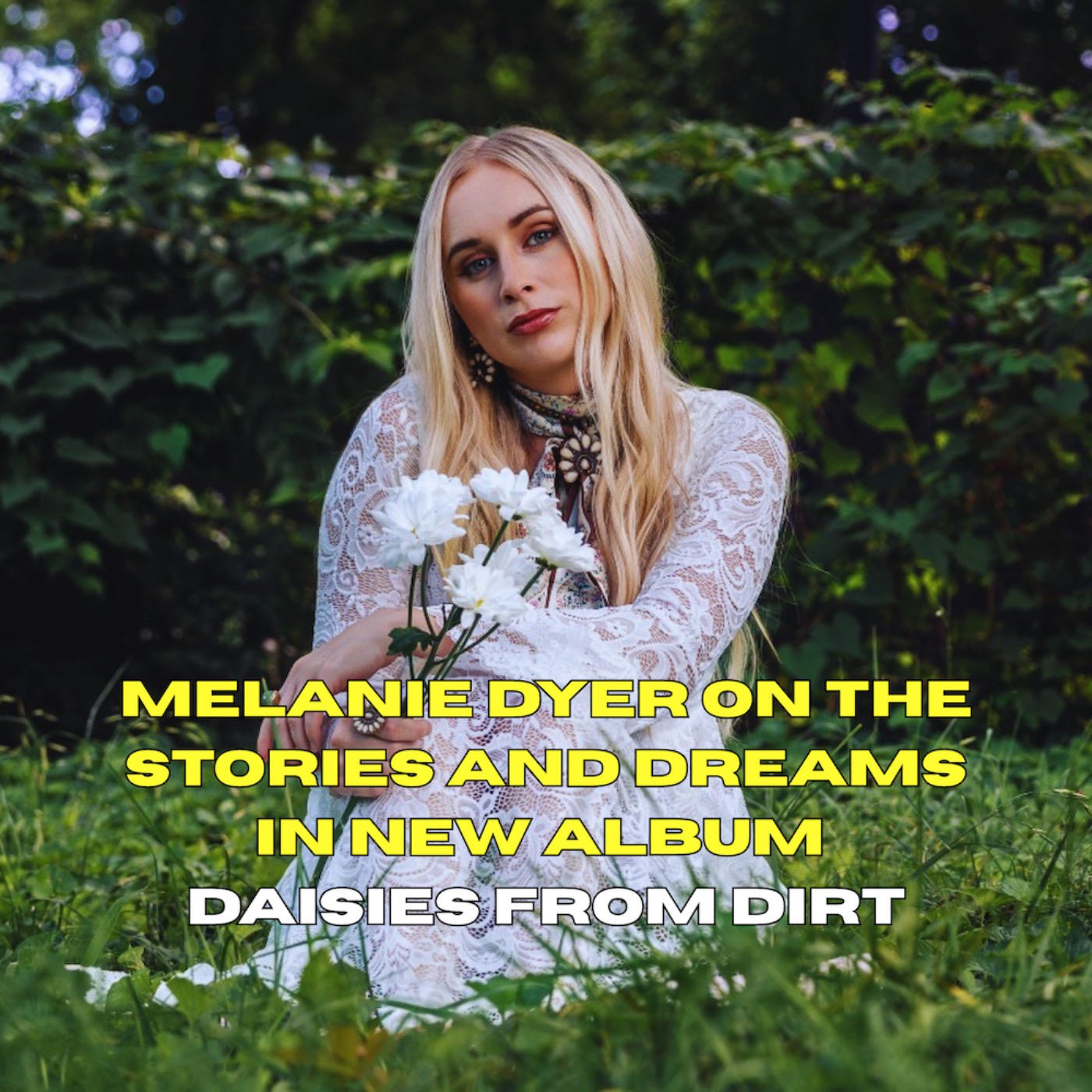
Short version Country-pop artist Melanie Dyer has millions of streams for her always-memorable songs, and in this new interview she talks about her latest album, Daisies from Dirt, and the stories she has drawn from to create it. Long version Melanie Dyer (https://melaniedyer.com.au/) released her first album, Fresh, in 2017 and it was more pop than country. In 2019 her single ‘Memphis T-Shirt’ – currently sitting at over 2 million streams on Spotify alone – brought her a wave of new fans, and I’ve long maintained that her 2021 single ‘Run Out of Road’ was the ultimate pandemic pick-me-up (and should be on every road-trip playlist). In 2022 she released the album Between You & Me, which solidified her reputation as one of Australia’s best country-pop songwriters’ she has also written for and with other artists, for them to record. Dyer’s third album, Daisies from Dirt, is not long out in the world. It is a collection of origin stories, in some ways, and also marks a change in era for t
Stuart and Joe take a look at this week's music biz stories, including... → £8.4bn. That’s how much the UK’s music industry is worth to the national economy, according to a new report from UK Music. → Streaming service Deezer has published its second annual survey of music fans’ views on AI. What did it find this time? → Could Spotify be banned for under-16s in the UK? Probably not, but the idea has been floated in the past week as a possibility (https://musically.com/2026/11/12/uks-social-media-ban-for-under-16s-could-include-music-streaming/)… → Another app that will almost certainly be subject to the ban is TikTok, but this week it was talking about musicians in the UK doing well on its app (https://musically.com/2026/11/13/tiktok-trumpets-livestreaming-success-for-uk-based-musicians/)… → It’s nearly time to wish Tina Turner a happy 87th birthday. Or at least, it would be if she hadn’t passed away in 2023. But the custodians of her estate and music rights are going to get fans to ce
Police should involve affected communities in rebuilding trust after serious failures.
Share your view, then see how readers voted. No sign-in required. This poll is shared across stories.
Do you agree or disagree?
Common Quandary
A Common Quandary to discuss
Another conversation to explore, separate from this news story.
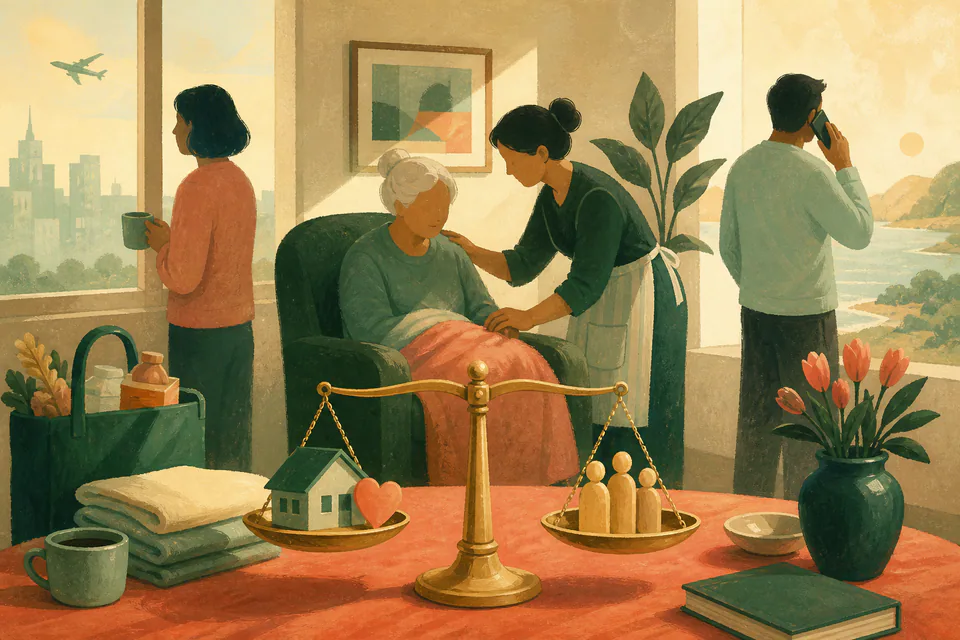
One sibling did years of caregiving. Should they get more of the inheritance?
One sibling lives near an aging parent and handles appointments, errands, and emergencies. The others live far away, call regularly, and assume the nearby sibling will receive the same inheritance despite years of unpaid work.
When does family care become labor that should be repaid?