Listen through the publisher, then discuss the episode here or arrange an in-person Roundtable. Your city determines where to meet.
Roundtables are designed for groups of four, with a shared subject and room for everyone to speak. Come for discussion, with no dating expectation.
Episode Description If you're someone who loves to move, being told to slow down can feel like its own kind of challenge. In this episode of Healthier & Happier with Jess Cording, I'm continuing my mastectomy recovery series and talking about something I've had to learn more than once: rest is not time away from recovery. It is part of recovery. After several surgeries over the past few years, I've had plenty of opportunities to worry about losing strength, fitness, or momentum. But this experience reminded me that healing has its own timeline, and trying to rush the process doesn't necessarily get you back to the things you love any faster. I'm sharing how I approached movement after my preventive double mastectomy, what helped me recognize when I needed to slow down, and why returning to exercise became as much an exercise in patience as anything physical. There's also an emotional side to stepping away from your usual routine, especially if movement is part of how you manage stress or how you see yourself. Recovery gave me a chance to rethink what progress can look like when doing less is actually the productive choice. Key Points Why rest deserves a real place in the recovery process The fear of losing fitness when you have to take time off Returning to movement gradually after surgery Learning to pay attention to fatigue, not just how you feel during exercise Why progress doesn't have to happen all at once The emotional adjustment that can come with stepping away from exercise Finding other ways to care for yourself while your body heals Letting patience become part of the plan If you're recovering from surgery, preparing for one, or simply struggling with the idea of slowing down, I hope this episode offers a little reassurance that rest does not mean you're falling behind. ️ Listen to EPISODE 257: Rest is Part of the Plan on Healthier & Happier with Jess Cording. YouTube link
Episode information is provided by the publisher. Listening takes place on the publisher’s service.
For most of my life, I believed that resting was something you did when you were lazy, getting older, or simply didn't have the drive to keep going. As an athlete and someone who's always pushing to be productive, I thought taking a break meant falling behind. But I've come to realize just how wrong I was. Through my relationship with God and my own experiences with stress, I've started to understand that rest isn't a weakness. It's essential for our physical health, mental clarity, and overall well-being. And I'm not just talking about getting enough sleep or taking a day off from the gym. You can be sitting on your couch doing absolutely nothing and still not be resting. If your mind is constantly occupied with negativity, distractions, and worries, your body never truly gets a chance to recover. In this episode, I want to challenge the way we think about rest, explain why constantly pushing ourselves can do more harm than good, and share what I've learned about slowing down, reconne
Today I'm talking about something that's deeply personal to me and that I know so many women struggle with: the pressure of the motherhood timeline. From worrying about our biological clocks and fertility to stressing over sibling age gaps, postpartum recovery, and when to have another baby, it can feel like we're constantly racing against time. As someone who has struggled with infertility and experienced incredibly difficult pregnancies, I know firsthand how challenging it can be when your family doesn't grow according to the timeline you imagined. I'm sharing my own ongoing struggles with these expectations, the difference between real biological considerations and societal pressures, and how I'm learning to let go of the idea that there's one perfect timeline for motherhood. Listen in to hear me share: The difference between the biological clock and the imaginary timelines we place on ourselves Age-related changes in fertility, egg quality, miscarriage risk, and pregnancy outcomes
BLACK FRIDAY — GOAL BODY COACHING Once a year - final week!! Apply to get the full details. HERE (https://goalbody-coaching.netlify.app/). FREE GIFT: HOT & HEALTHY FOR THE HOLIDAYS SURVIVAL GUIDE You think you're doing everything right. You think these strategies are HELPING you lose weight. They're actually the exact reason the scale isn't moving. Today I'm walking you through the 5 sneaky habits I was stuck in for way too long — the ones that LOOK like smart weight loss moves but are the real reason you're stuck. In This Episode: Why "saving calories for dinner out" is backfiring and costing you progress The bites, licks, and tastes math you've been pretending doesn't count (spoiler: it does) Why your exercise is NOT giving you a pass on the brownies (and why your watch is lying to you) The "I just wanna be chill about weight loss" lie that's keeping you stuck The "I'll start tomorrow" trap (and why future you isn't showing up) How to pick ONE of these and quit it this week Timestamp
Fall asleep surrounded by gentle positive affirmations designed to help you release the day, quiet your thoughts, and welcome a peaceful night's rest. If you've been feeling overwhelmed, doubting yourself, or simply needing a moment of kindness before sleep, this soothing bedtime meditation offers a comforting space to slow down, reconnect with yourself, and practise more supportive thoughts. After a gentle relaxation, you'll be guided through calming first-person affirmations focused on inner peace, self worth, confidence, gratitude, emotional balance, trust, love, and restful sleep. Each affirmation is followed by a quiet pause, giving you time to absorb the words without effort or pressure. As the meditation continues, the voice gradually becomes softer, allowing you to drift naturally into sleep. This peaceful sleep affirmation journey includes: • Gentle relaxation to prepare your mind and body for sleep • Positive affirmations for peace, comfort, and safety • Self love and self wo
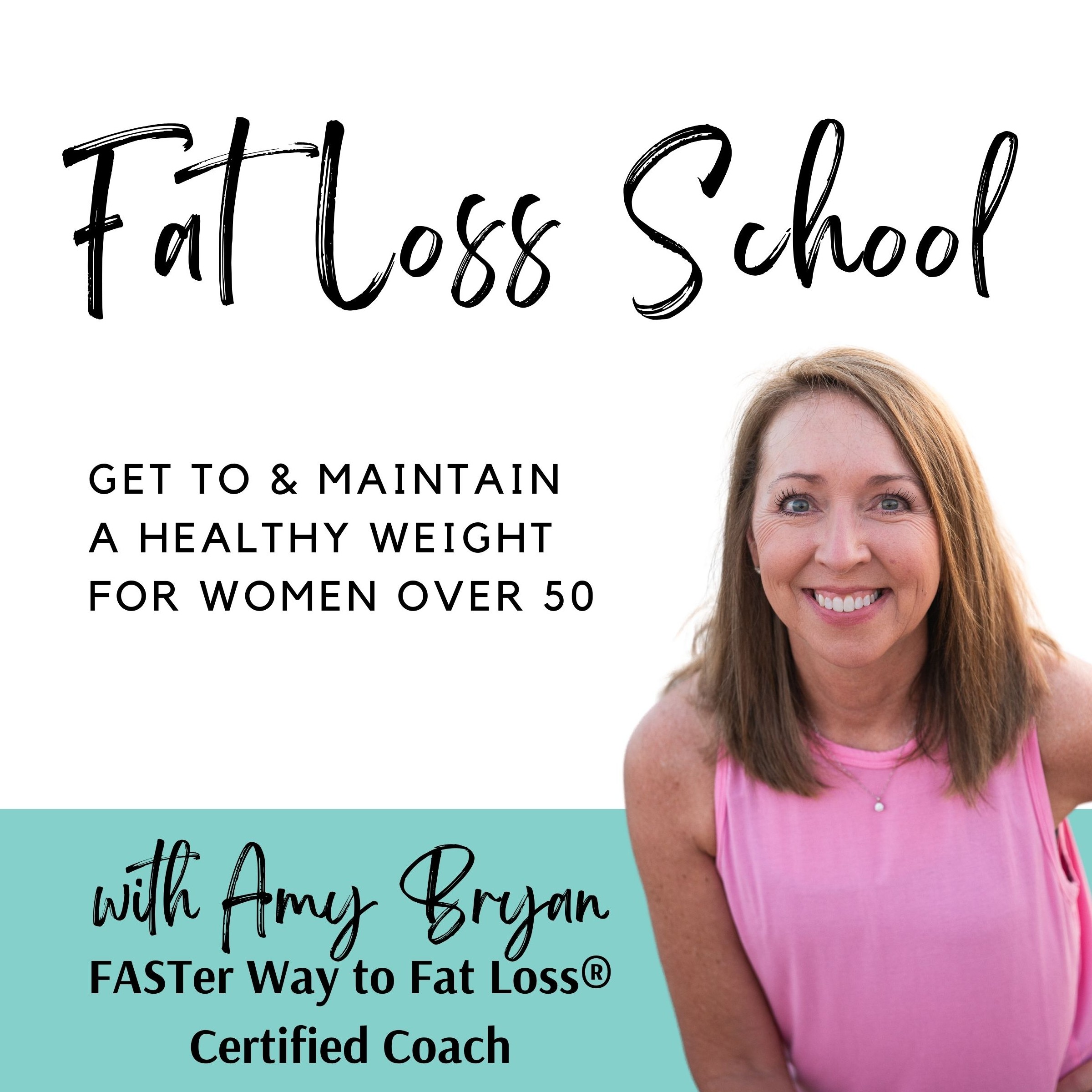
What is it REALLY like to follow the FASTer Way to Fat Loss after 50? Can women in their 50s, 60s, and beyond build muscle, lose body fat, and create healthy habits without restrictive diets or exhausting workouts? This week on FAT LOSS SCHOOL, we're doing something different! We are going behind the scenes of a recent VIP Zoom party, where five fabulous-over-fifty women from across the country share their real-life experiences with nutrition, fitness, motivation, and healthy aging. Different starting points. Different goals. Different lifestyles. But one shared commitment to becoming healthier and stronger after 50! The biggest takeaway? You don't have to be in shape to get started, have everything figured out, or do it perfectly. FASTer Way offers a flexible approach that you can adapt to your own starting point and goals. And you don't have to do it alone! READY TO JOIN OUR FABULOUS-OVER-FIFTY VIP COMMUNITY? Enjoy ongoing FASTer Way workouts, nutrition programming, coaching, account
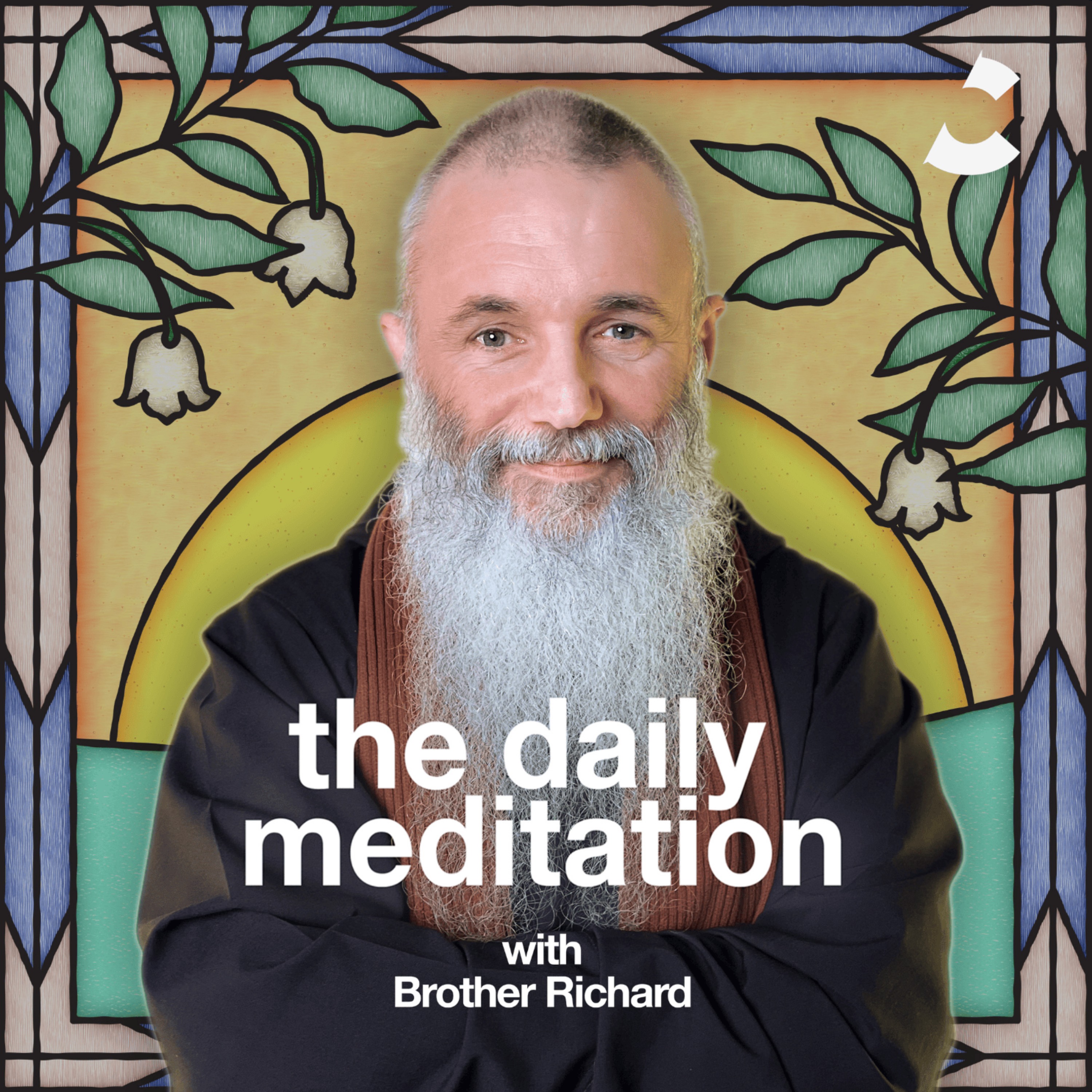
In this meditation, I invite you to return once again to the basic form of relaxation that prepares us for deeper contemplative practice. Whether you are new to meditation or have been practising for many years, returning to these foundations can help us rediscover the stillness that lies beneath the distractions of everyday life. Beginning with a simple ritual gesture, we settle into our posture, release the weight of the body and become aware of the breath. Through gentle visualisation, we imagine breathing out tension and breathing in warm golden light. We then turn our attention towards our thoughts and feelings, recognising that although these are part of our experience, they do not define the fullness of who we are. Resting at the centre of our being, we encounter the stillness of divine love and make the intention to carry that peace into the rest of our day. Chapters: 00:00 – Introduction: Recovering the form 00:40 – Preparing to enter meditation 01:00 – Beginning with a ritual
Episode Description If there was one part of surgery recovery I was probably overprepared for, it was the food. As a dietitian, I had a pretty good idea of what my body would need after surgery. Actually living through recovery, though, reminded me that knowing what to do and having the energy or appetite to do it are two very different things. In this episode of Healthier & Happier with Jess Cording, I'm sharing what eating looked like for me during my mastectomy recovery, how my appetite and routine changed, and what helped make nourishing myself feel more manageable while my body was healing. I also talk about some of the pressure we can put on ourselves to eat "perfectly," especially when we're trying to support our health, and why recovery calls for a much more practical approach. Key Points What eating was actually like during my mastectomy recovery How surgery affected my appetite, energy, and usual routine The nutrition priorities I kept in mind while healing Making food easier
Episode Description Before surgery, one of the questions I kept coming back to was pretty simple: What is that first week actually going to feel like? In this episode of Healthier & Happier with Jess Cording, I'm sharing what my first week looked like after my preventive double mastectomy with reconstruction, including some of the things that surprised me, challenged me, and helped recovery start to feel more manageable. What stood out most was how quickly the unfamiliar started becoming a little less intimidating. Recovery came with discomfort, limitations, and plenty of adjustments, but it also brought small moments that reminded me I was moving forward. It also changed the way I looked at everyday routines and responsibilities, especially when I temporarily couldn't do many of the things I was used to handling on my own. This is simply my experience, not a timeline anyone else needs to follow. Every recovery looks different, and that's okay. Key Points What surprised me most during
Public-health protections can justify some limits on individual choice.
Share your view, then see how readers voted. No sign-in required. This poll is shared across stories.
Do you agree or disagree?
Common Quandary
A Common Quandary to discuss
Another conversation to explore, separate from this news story.
Your neighbor keeps playing music at midnight. How many friendly warnings do they get?
A neighbor regularly plays music late enough to disturb your sleep. Friendly requests help briefly, but a formal complaint could threaten their lease in a building with few affordable options.
How far should empathy extend when someone repeatedly ignores your needs?