Episode 605: Daniel Lubetzky: The Secrets Behind KIND's Billion-Dollar Success and Unconventional Growth Strategy
80 min
Listen through the publisher, then discuss the episode here or arrange an in-person Roundtable. Your city determines where to meet.
Roundtables are designed for groups of four, with a shared subject and room for everyone to speak. Come for discussion, with no dating expectation.
Building a successful business takes more than a great idea. It requires persistence, knowing how to handle rejection, and making difficult decisions along the way. But what does it really take to turn a small business into a billion-dollar brand? We dive into this in Habits & Hustle with Daniel Lubetzky, founder of KIND Snacks and Shark Tank investor. We talk about how a failed $60 million deal ended up working in his favor, how he grew KIND to over a billion dollars in revenue with just $5 million spent on marketing, and why being too nice can actually hurt your career. We also get into the reality of work-life balance, the importance of handling rejection, and what separates good leaders from great ones. Daniel shares the lessons he learned from years of failed ventures, rejection, and building KIND into a multibillion-dollar business. He explains why success can make people complacent, how to create a company culture where people aren't afraid to challenge you, and why staying humble and hungry matters at every stage of success. What's Discussed: (04:22) How many Shark Tank deals actually close after the cameras stop rolling. (07:18) Why Daniel Lubetzky still hands out KIND bars after selling the company. (15:11) How getting rejected by investors helped Daniel keep ownership of KIND. (17:11) How a failed $60 million deal became one of Daniel's biggest blessings. (20:46) Why entrepreneurs should be careful about giving up control of their companies. (28:16) Why it took Daniel years of rejection to get KIND into Starbucks. (40:52) Why becoming successful can actually make you a worse leader. (44:04) Why being too nice can hurt your career and relationships. (56:33) Whether work-life balance is realistic when building a billion-dollar business. (1:19:34) How KIND reached over $1 billion in revenue with just $5 million spent on marketing. Thank You to Our Sponsors! Find more from Jen Cohen: Website: jennifercohen.com (https://jennifercohen.com/) Books: jennifercohen.com/books (https://jennifercohen.com/books) TikTok: @therealjencohen (https://www.tiktok.com/@therealjencohen) Find more from Daniel Lubetzky: Website: daniellubetzky.com (https://www.daniellubetzky.com/) Instagram: @daniellubetzky (https://www.instagram.com/daniellubetzky) X: Daniel Lubetzky (https://x.com/DanielLubetzky) TikTok: @daniellubetzky (https://www.tiktok.com/@daniellubetzky) LinkedIn: Daniel Lubetzky (https://www.linkedin.com/in/daniellubetzky)
Episode information is provided by the publisher. Listening takes place on the publisher’s service.
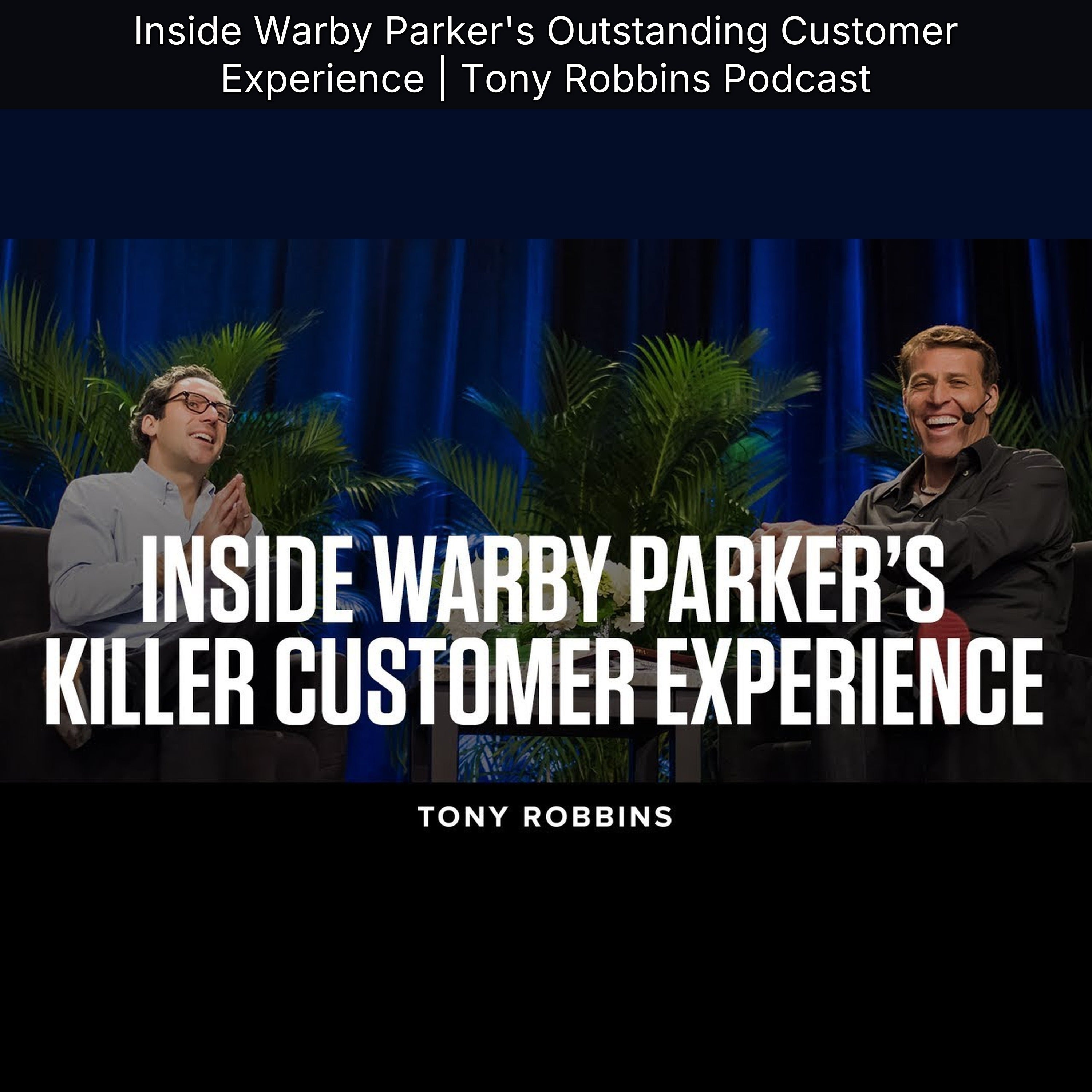
Neil Blumenthal was one of the executives who launched the successful eyewear company, Warby Parker, in 2010. The company has been a massive success, in large part because their business model allows them to offer high quality eyewear at affordable prices. This concept attracted people, and the brand was able to provide something else that would quickly help their brand build an internationally acclaimed reputation — an incredible customer experience. At the core of the Warby Parker success story is the brand’s commitment to creating a masterful customer service experience. In this episode of the Tony Robbins podcast, you’ll hear a detailed account from Neil Blumenthal about the customer-centric strategy and foresight that was critical in establishing Warby Parker as a billion-dollar business. Neil Blumenthal and his cofounders found that glasses were ridiculously overpriced. After a friend mistakenly left a pair of $700 glasses on an airplane, they decided there was a gap in the marke
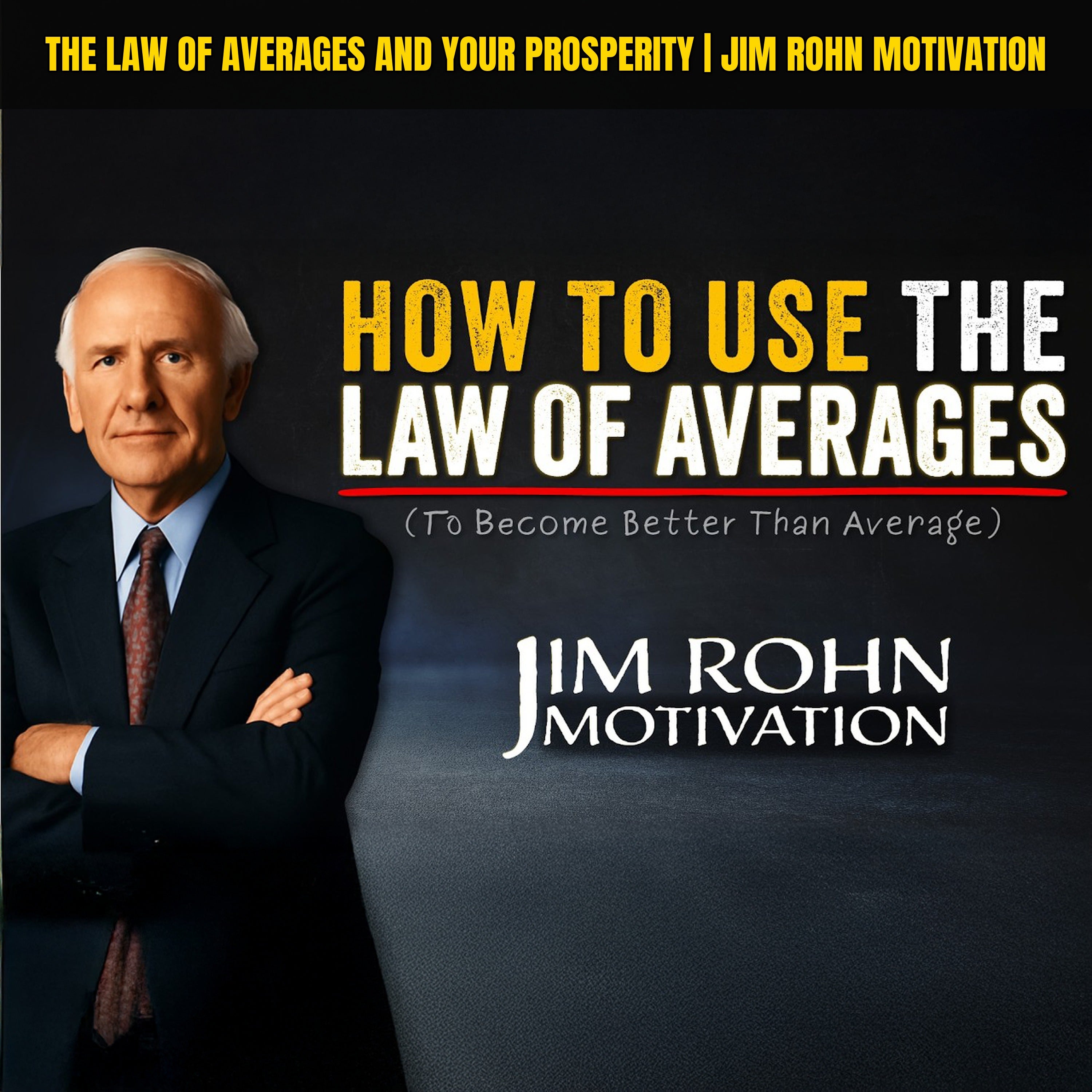
In this Jim Rohn Motivation video, Jim shares one of the most powerful principles for success: the Law of Averages. When applied correctly, this law reveals that results are not random—they are inevitable. If you stay consistent and keep showing up, the numbers will begin to work in your favor. Key Topics From This Motivational Video: Understanding the Law of Averages Why activity is the key to success How persistence unlocks predictable results Turning rejection into progress Applying the Law of Averages in daily life This Jim Rohn motivational video breaks down the idea that success is not based on luck or chance—it's based on consistent effort. Whether in business, personal growth, or relationships, the more you try, the more predictable your success becomes. Jim explains how tracking your activity, staying in motion, and embracing rejection are all part of mastering this principle. This Jim Rohn Motivational Video Is Perfect For: Anyone feeling discouraged by slow progress or rejec
Jess knows that she’s a bit behind when it comes to super. Her current balance is on the small side for her age- and the type of retirement she wants. She knows she needs to do something about it, and has had a handful of conversations about it with experts on the show already. But she was yet to take action. This conversation finally changed that. In this episode, she spoke with Ashton Jones Director of Strategy and Innovation at MLC, who explained how to work out what balance she needs and bridge the gap from where it is now. Jess entered this chat struggling to take action, thinking she needed to add large sums to catch up. But Ashton walked her through simple (and small) actions she can use; including a 1% change that could make up to $200,000 difference to her super by retirement. By the end she finally understood how little it can take to make a huge impact on the life she gets to live in the future- and it can do the same for you. Chapters: 00:00 Why Super Matters 04:49 When to
You say you are afraid the next step will fail. Picture it working for a moment. Are the responsibilities that follow part of what makes you hesitate? In this episode of The Level Up Podcast, Paul Alex breaks down how to identify concerns about success and prepare for the next responsibility without carrying every imagined future demand. An opportunity can bring expectations about delivery, time, and being seen. Naming the specific concern gives you something to prepare for instead of turning hesitation into a judgment about your character. Look at what the actual next step requires. You may be able to define what you can deliver, limit the time it occupies, or learn a missing skill. The first opportunity does not obligate you to accept every opportunity afterward. Responsibility can grow alongside your ability to handle it. In this episode, you’ll learn: • How to notice when a good outcome brings concerns of its own. • Why a specific responsibility is easier to prepare for than a vagu
The Hidden Truth About Kindness can transform your outlook and relationships. In this motivational speech, we explore the often-overlooked power of kindness and how it can create positive ripple effects in your life and the lives of others. From scientific studies to personal stories, you'll discover why kindness isn’t just a virtue but a vital tool for success and happiness. Prepare to shift your perspective and embrace the profound impact of small acts of kindness. Join us on this journey of discovery and inspiration. Listen now and unlock the true potential of kindness in your life! #kindness #motivation #selfimprovement #inspiration #mindset #positivity #growth #compassion #wellbeing #empathy the hidden truth about kindness, motivational speech, kindness, self improvement, inspiration, personal growth, positive mindset, impact of kindness, kindness benefits, motivational talks, empathy, compassion, how to be kind, kindness in the workplace, kindness effects, uplifting messages, kin
The best deal of the holiday season is walking into January with your budget still intact. Joe Saul-Sehy, OG, and Doug kick off Thanksgiving week with returning guest Regina Conway of Slickdeals, who shares what her community of deal hunters votes the best of the best. Then the trio build a holiday budget that leaves room for the fun, and play a round of Deal or No Deal to test whether a sale is saving you money or just giving you permission to spend more. What You'll Walk Away With Why waiting for a better price often backfires, and when it actually pays to hold off How Black Friday, Cyber Monday, and "cyber week" have blurred together, and what that means for your timing Which categories tend to have the strongest deals, from toys and books to tools and everyday essentials Why a holiday gift is often the best way to stock up on things you would buy anyway How to check a too-good-to-be-true TV deal before it ends up on your wall How to start with your total number first, then divide i
Why do some people with less talent, experience, or qualifications keep getting ahead? Success often comes down to something we tend to underestimate: likability. You can be the smartest, most hardworking person in the room, but if people don't enjoy being around you, you could be missing out on opportunities, connections, and career growth. I dive deeper into this in today's episode of Habits & Hustle, to talk about why likability plays such a big role in success, how it builds trust and opens doors, and why being good at what you do isn't always enough to get ahead. I also share five simple ways to become more likable that you can start practicing today to build stronger relationships, make better impressions, and create more opportunities in your personal and professional life. What's Discussed: (00:00) Why people with less talent and experience sometimes get ahead. (01:27) How likability builds trust and creates opportunities. (02:11) How something as simple as smiling can make you
We all want healthier relationships, but sometimes our own habits get in the way. We overthink, hold on to things we can't control, and repeat the same patterns. So how do we break those cycles and build deeper connections? We dive into this in Habits & Hustle with Yung Pueblo. We talk about why the "protect your peace" mentality might be hurting our relationships, how to stop absorbing other people's emotions, and why you don't need to be fully healed before finding love. Yung Pueblo is a #1 New York Times bestselling author and co-founder of Wisdom Ventures, with millions of followers across social media. His latest book is Journey: The Year That Changes Everything. He shares what he learned from 60 days of silent meditation, why self-awareness is essential for healthier relationships, and how to let go of the patterns keeping us stuck. What's Discussed: (06:17) How your ego can get in the way of happiness and meaningful relationships. (11:37) What 60 days of silent meditation can te
Confidence, discipline, and momentum all sound like big goals, but they often come down to something much simpler: whether you actually do what you say you're going to do. Every time you follow through, you build evidence that you can trust yourself. Every time you don't, you chip away at that trust. I dive deeper into this in today's episode of Habits & Hustle, to talk about why follow-through matters so much, how it builds confidence and credibility, and why execution will always matter more than good intentions. I also get into why motivation is unreliable, how discipline is actually built, and why starting with one small promise to yourself can create the momentum you need to follow through on much bigger things. What's Discussed: (00:15) Why keeping promises to yourself builds self-trust. (00:31) Why confidence comes from evidence, not affirmations. (01:07) How follow-through builds credibility with other people. (01:46) Why simply doing what you say can make you stand out profess
Waste-reduction policies should make responsible choices easy for households.
Share your view, then see how readers voted. No sign-in required. This poll is shared across stories.
Do you agree or disagree?
Common Quandary
A Common Quandary to discuss
Another conversation to explore, separate from this news story.
A stranger is behaving horribly in public. Do you record them?
You witness a stranger berating a service worker in public. Recording could create accountability and protect the worker, but posting the video could expose everyone involved to a permanent online audience.
Who gets to decide when public behavior becomes public content?