English-language podcasts

The Music Show

Everything's Fine by Flash Poetry and Missy Higgins
Listen through the publisher, then discuss the episode here or arrange an in-person Roundtable. Your city determines where to meet.

Roundtables are designed for groups of four, with a shared subject and room for everyone to speak. Come for discussion, with no dating expectation.

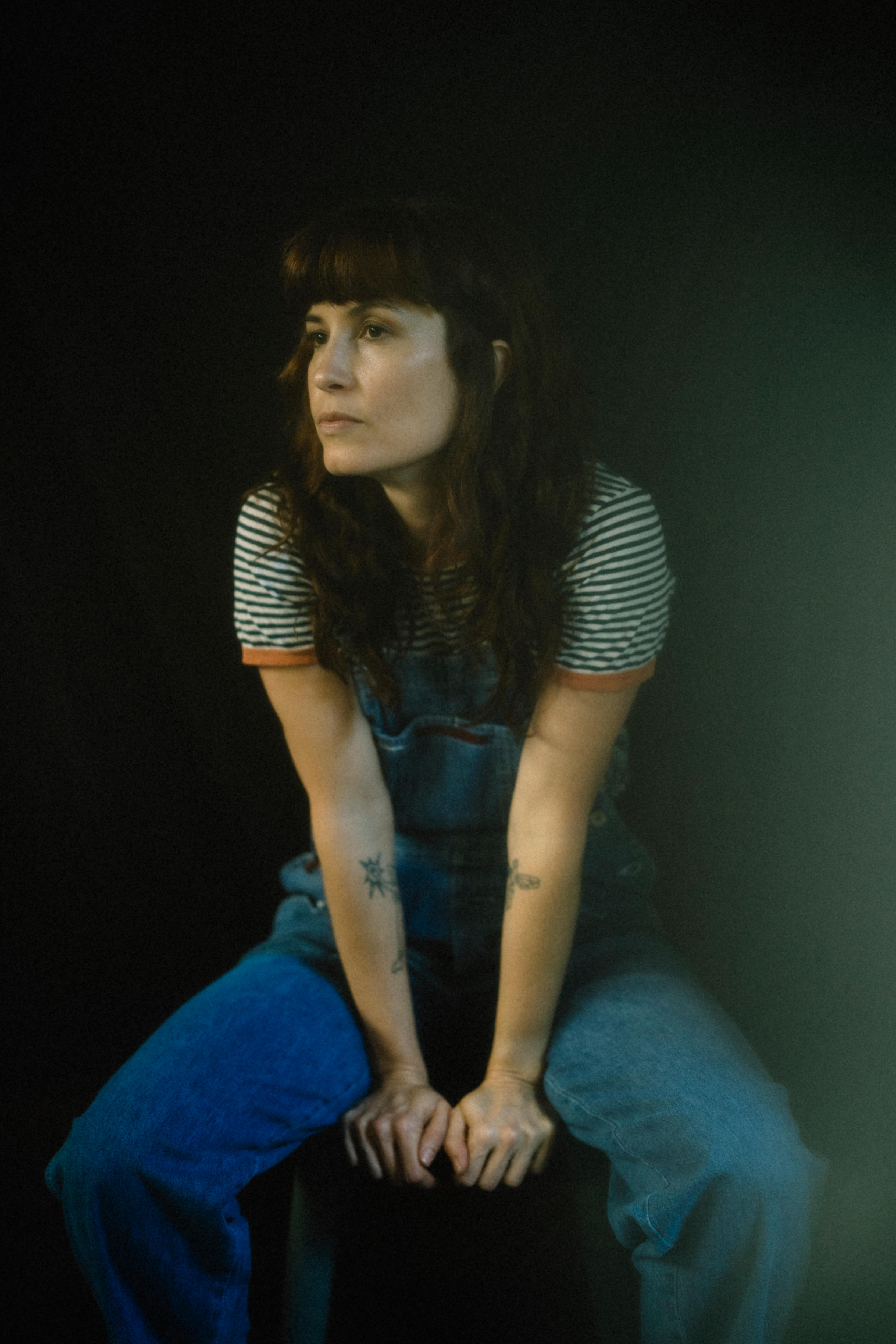
This year, more than a thousand poets sent in their poems, hoping to have their words chosen as the inspiration for songs by Missy Higgins and Ziggy Ramo. And our song writers have done more than simply taking the winning entries and setting them to music. Missy has taken a wryly ironic poem, “Darwinian brains, Kardashian times” by Flash Poetry (aka Nico Lim), and extended it in her song “Everything’s Fine”, introducing a few notes of hope courtesy of a conversation with her daughter. Nico Lim aka Flash Poetry is a poet, freestyle rapper, TEDxMelbourne performer & Naarm-based recording artist. Weaving powerful stories that collide the ancient with the hyper-modern, Flash Poetry uses philosophy, satire & improvisation to take on humanity’s midlife crisis. Exploring our modern myths & middle-class demons, the ‘Philosorapper’, backed by his live band of improv renegades, channels his creative expression into fully-improvised theatre-style shows that combine storytelling, social commentary & rambunctious musical improvisation as an irreverent vehicle for exploring the beauty, chaos & absurdity of our times. Nico says: "The duty of poets & musicians is to protect the soul of the world. Poetry & music have given me a way into the inner-world that modern life so easily neglects. They offer an endlessly entertaining way to affirm my existence, humanity & the world as something miraculous, not to mention the social benefits." Middle of the Air is a collaboration between ABC Radio National and The Poetry Company (https://thepoetryco.org/).

Episode information is provided by the publisher. Listening takes place on the publisher’s service.

Listen at the source ↗

Featured places to meet in Palo Alto, CA

Explore these places and arrange a conversation through ThinkMatch.

City guide for Palo Alto, CA

More from The Music Show

The Music Show

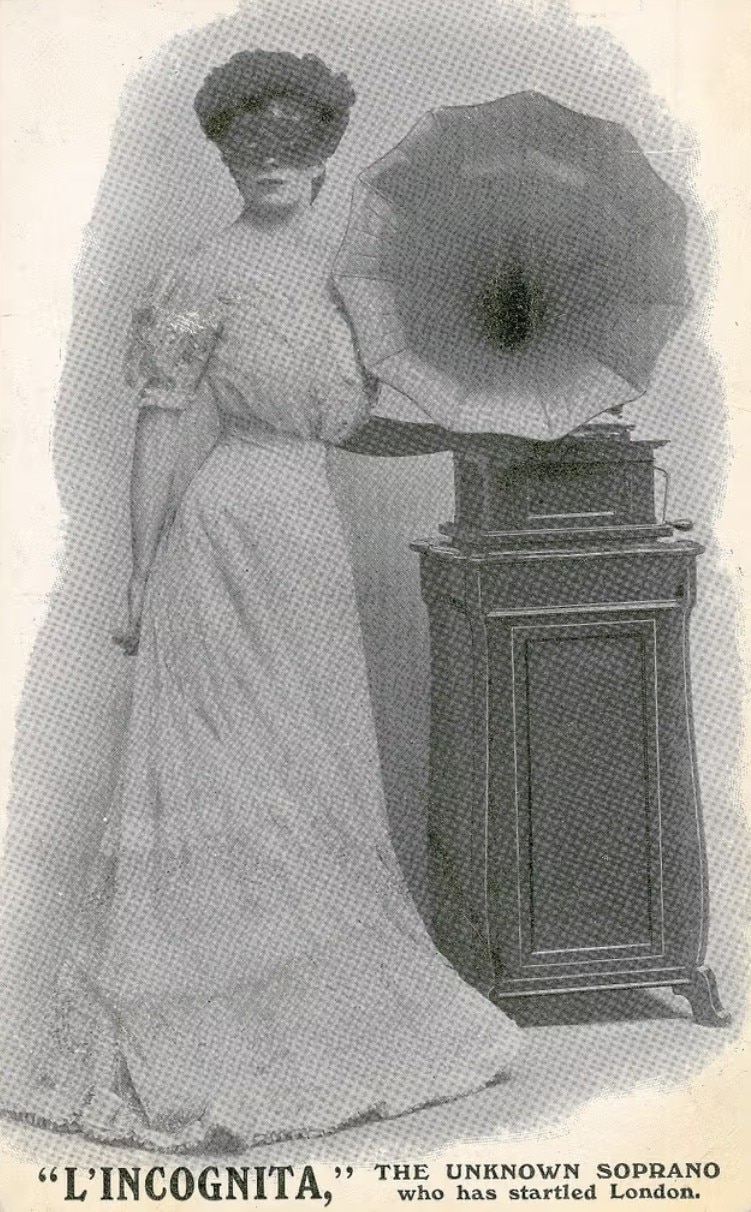
Castrato phantoms and an incognito soprano

54 min

A pledge for this episode of The Music Show: none of the music that you'll hear was recorded within the last hundred years. Alessando Moreschi was a soprano in the Sistine Chapel, and he was the last of his kind. He is the starting point for a fascinating book by Martha Feldman, who reveals the Castrato Phantoms (https://press.princeton.edu/books/hardcover/9781945861130/castrato-phantoms) that continue to haunt Roman life. L’Incognita was a singer with a voice that’s been compared to some of the best sopranos in history, but she had most of her fame in England, where no one knew who she was. Her real name was Violet Mount - an Australian singer who spent her career in music halls, made some remarkable recordings then almost vanished from history. Fortunately for us, Roger Neill was on the case (https://theatreheritage.org.au/on-stage-magazine/profiles/1262-violet-mount-becoming-lincognita). Music heard in the show: Title: Ave MariaArtist: Alessandro MoreschiComposer: Johann Sebastian B

Discuss this episode

The Music Show

Missy Higgins and Ziggy Ramo premiere their tracks for Middle of the Air 2026

54 min

This year, more than a thousand poets sent in their poems, hoping to have their words chosen as the inspiration for songs by Ziggy Ramo and Missy Higgins. And inspiration really was the word. Instead of our song writers simply taking the winning entries and setting them to music, both Ziggy and Missy set their very personal stamps on the lyrics. Ziggy chose Helen Lucas’s “Going to Freedom” about a newly released prisoner wondering how his freedom might look, but he placed the words, his rather hypnotic music and his performance in the context of Indigenous incarceration. Missy took a wryly ironic poem, “Darwinian brains, Kardashian times” by Flash Poetry (aka Nico Lim), and extended it in her song “Everything’s Fine”, introducing a few notes of hope courtesy of a conversation with her daughter. You’ll hear the poets read their poems and the singers sing their songs, as well as these stranger-collaborators in conversation with each other for the first time. Middle of the Air is a collab

Discuss this episode

The Music Show

Going to Freedom by Helen Lucas and Ziggy Ramo

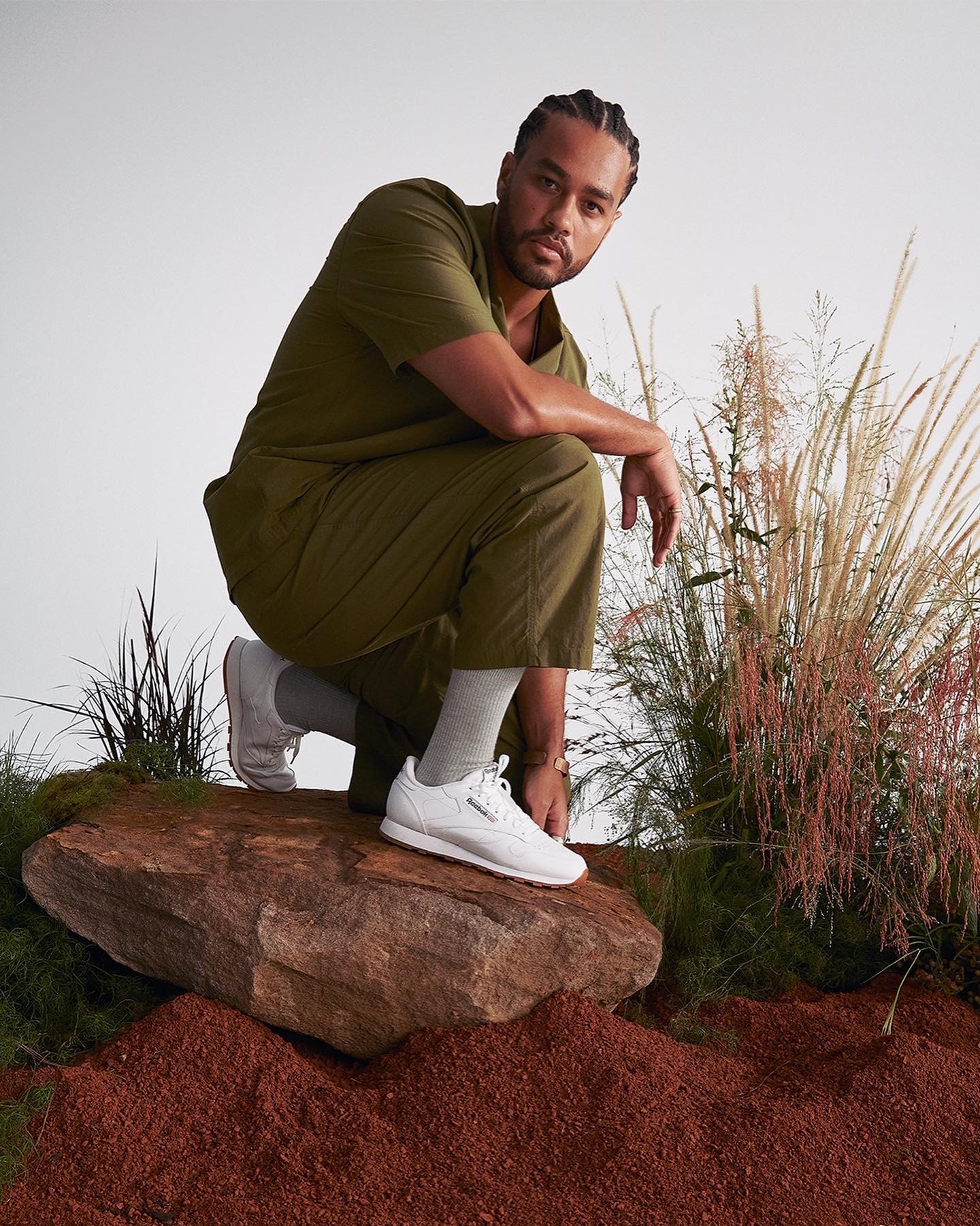
This year, more than a thousand poets sent in their poems, hoping to have their words chosen as the inspiration for songs by Ziggy Ramo and Missy Higgins. And our song writers have done more than simply taking the winning entries and setting them to music. Ziggy chose Helen Lucas’s “Going to Freedom” about a newly released prisoner wondering how his freedom might look, but he has placed the words, his rather hypnotic music, and his performance in the context of Indigenous incarceration. "Poetry and music mean connection for me", says Helen. "It’s a way to express emotions and ideas creatively through words and sound that allow for anything. Both these artistic expressions can hold the power to move people and take them into unexpected places." Helen Lucas is an award-winning writer who explores different ways with words through poetry, plays and short prose. She brings to her writing a passion for (human) nature, language and wordplay. Her poetry performances have led her to collaborat

Discuss this episode

Community Poll

Documentaries should disclose editing choices that substantially affect how events are understood.

Share your view, then see how readers voted. No sign-in required. This poll is shared across stories.

Do you agree or disagree?

Choose one answer

Common Quandary

A Common Quandary to discuss

Another conversation to explore, separate from this news story.

The stadium can ban violent fans by scanning every face at the gate. Would you walk in?

A stadium can use facial recognition to identify people banned for violence and shorten security lines. Every visitor would be scanned, error rates are not zero, and the resulting biometric data could become useful to police or advertisers.

How much privacy may a crowd be asked to trade for collective safety?

Explore this quandary