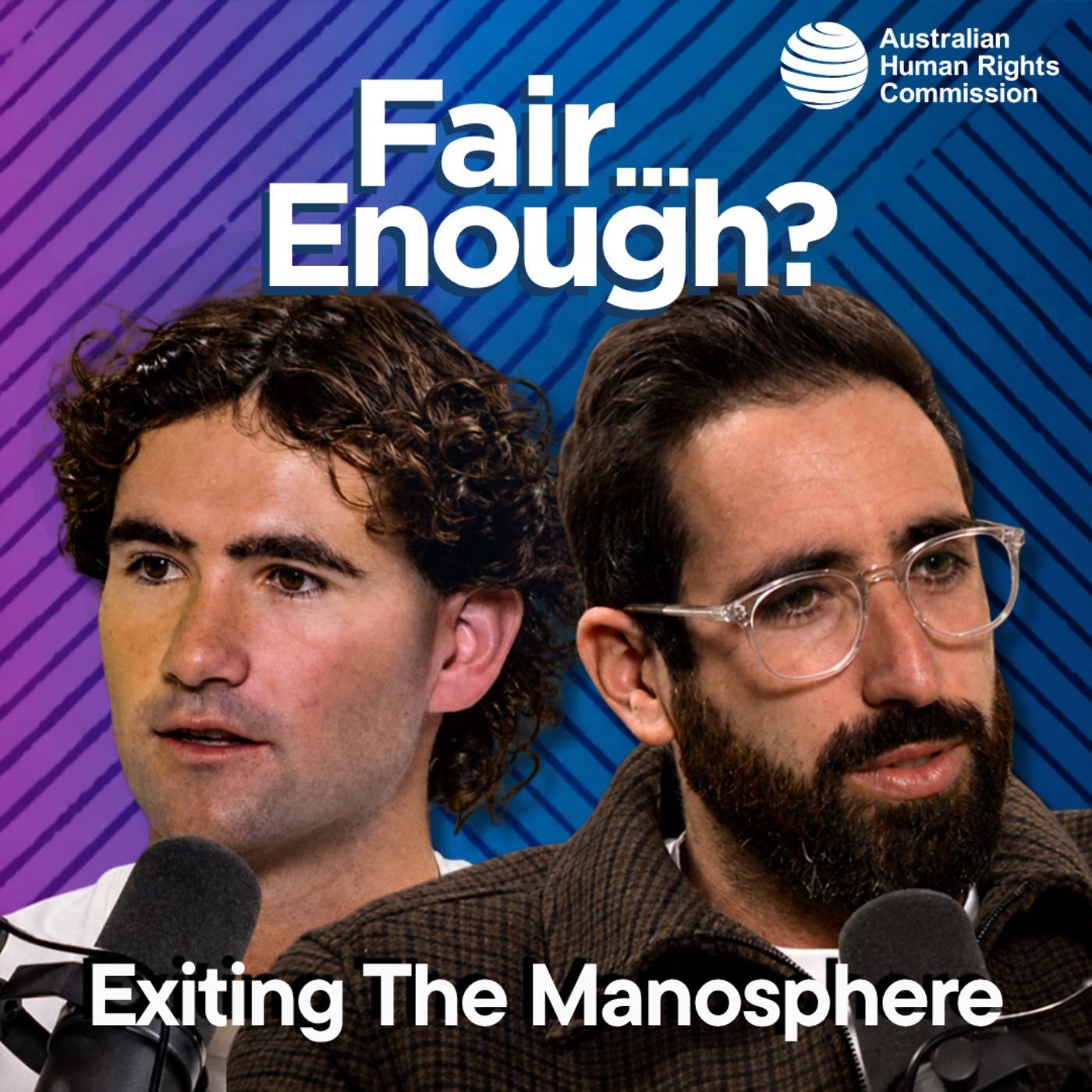
Exiting the Manosphere with Flynn Martin & Dr Zac Seidler
27 min
Listen through the publisher, then discuss the episode here or arrange an in-person Roundtable. Your city determines where to meet.
Roundtables are designed for groups of four, with a shared subject and room for everyone to speak. Come for discussion, with no dating expectation.
A young man searching for confidence, purpose and belonging finds himself pulled into the manosphere. Flynn Martin shares how algorithms and online culture drew him in, and what ultimately led him to breaking away. Hosted by Sex Discrimination Commissioner Dr Anna Cody, the episode also features Dr Zac Seidler, Global Director of Men's Health Research at Movember, who explores why these spaces resonate with so many young men in the first place. Most importantly, they examine what it takes to leave. Because if these spaces are filling a gap, the real question isn't simply why young men are being drawn in. It's what they're looking for in the first place. Guests: Flynn Martin and Dr Zac Seidler from Movember Host: Dr Anna Cody Produced: Jay Gasser & SoSo Media. Hosted on Acast.
Episode information is provided by the publisher. Listening takes place on the publisher’s service.
Imagine if every big change in our lives came with a whole community stepping up beside us… In this episode, I sit down with Dr Arne Rubinstein, former GP and emergency doctor, founder of the Rites of Passage Institute, and a man who's spent more than 30 years walking young people across the threshold into adulthood. Arne's work began around a fire at his very first men's gathering, listening to a hundred men wrestle with the same handful of wounds. Then in the Emergency Dpt, he kept meeting teenagers who'd pushed it one step too far... kids trying to become adults with nobody there to hold them. He came to believe every young person will go through a rite of passage either way. The question is whether we leave them to create their own, or gather around and help. We talk about why our culture is so good at turning away from the big moments - from first periods to menopause to death - and what opens up when we turn towards them. We explore: Separation, transformation and integration, an
In this conversation I’m speaking to Rebecca Olive. Rebecca is a feminist cultural studies researcher whose work explores how everyday sport and leisure are shaped by cultural politics, relationships between humans and non-humans, environmental wellbeing, and social media. My understanding of her research is she looks very closely at why people do things that make up a culture, and the meaning of everyday practices in people’s lives. We chatted about why people are drawn to the ocean in the first place and what keeps us coming back. How swimming and surfing becomes more than recreation, and into an emotional relationship that shapes how we understand risk, shark risk, and our place in it. She also discusses how storytelling, social media and drone footage may influence our perception of danger and coexistence. Apologies, I’m a Bit under the weather in this one and in the opening couple of minutes, probably would have been a good idea to have the microphone turned on. Recorded at 3pm on
Alan Milburn wants to scrap Pip for under-25s and replace the Universal Credit health element with a new youth allowance. He says the plan could get 440,000 young people into work within a decade and eventually save £3.6 billion a year. With 981,000 young people not in education, employment or training, nobody disputes the scale of the problem. They disagree about its cause. Milburn insists this is not a generation lacking resilience. Yet his own report finds that benefit claims have outpaced any rise in ill health, and it warns of overdiagnosis of ADHD and autism. Michael Simmons puts that contradiction to Milburn directly. He also asks whether the National Insurance and minimum wage rises are pricing young people out of the jobs they need most. Can welfare reform get a generation back to work – or is the deeper problem a loss of resilience that no policy can fix? This episode is brought to you by Raymond James. Combining deep insights into who you are with our financial expertise, th
Join NCI University today to master human behavior and influence: Uploaded 20-09-22 CONFIDENCE Confidence is already in you, and this video is about the one final decision that changed my whole life. I want you to get instant results without having to go through 20 years of research and 9 deployments to develop these skills. My mission is to forcefully push the perceived boundaries of what's possible with human behavior and psychology to develop world-class results for people in every aspect of their lives. Confidence, Sales, Influence, Training, Chase Hughes, Limiting Beliefs, Motivation, Chapters: 0:00: Confidence Remastered 0
This week, producer Tim joins Nancy and Nick Clark for Eurotrash at the Young Vic, with Ben Whishaw and Kathryn Hunter as a son and mother on a deeply peculiar road trip through Switzerland, essentially two brilliant actors being very weird indeed. Then Nancy holds the fort for Eugene O’Neill’s Desire Under the Elms at the Almeida, after illness, flights and scheduling mishaps keep everyone else away. A farmer brings home a much younger wife, she falls for his son, and things go about as well as you’d expect in an O’Neill play. Plus, Nick Curtis talks to playwright extraordinaire Natasha Gordon as her superb debut play Nine Night returns at the Kiln. They discuss the Jamaican mourning tradition behind its story of family, grief and celebration, and Gordon sets the record straight about being called the first Black woman to have a play in the West End. And the ridiculously delightful Francesca Mills answers our five questions as she stars alongside Jill Halfpenny and Paul Chuckle in The
"Are You Being Assertive… or Just Pushy?" - Listen to my Morning Monologue: I’m sharing my take on pressing issues, enlightening research on human behavior, answering questions I get by email, and my favorite, most instructive interactions with callers. It’s the free therapy you need! Got a dilemma? Follow on social media: Facebook.com/DrLaura (http://facebook.com/DrLaura) YouTube.com/DrLaura (http://youtube.com/DrLaura) Join the Dr. Laura Family!! >> Receive my weekly newsletter, perks, and more! Sign up now, it's FREE > DrLaura.com (https://www.drlaura.com/) Hosted by Simplecast, an AdsWizz company.
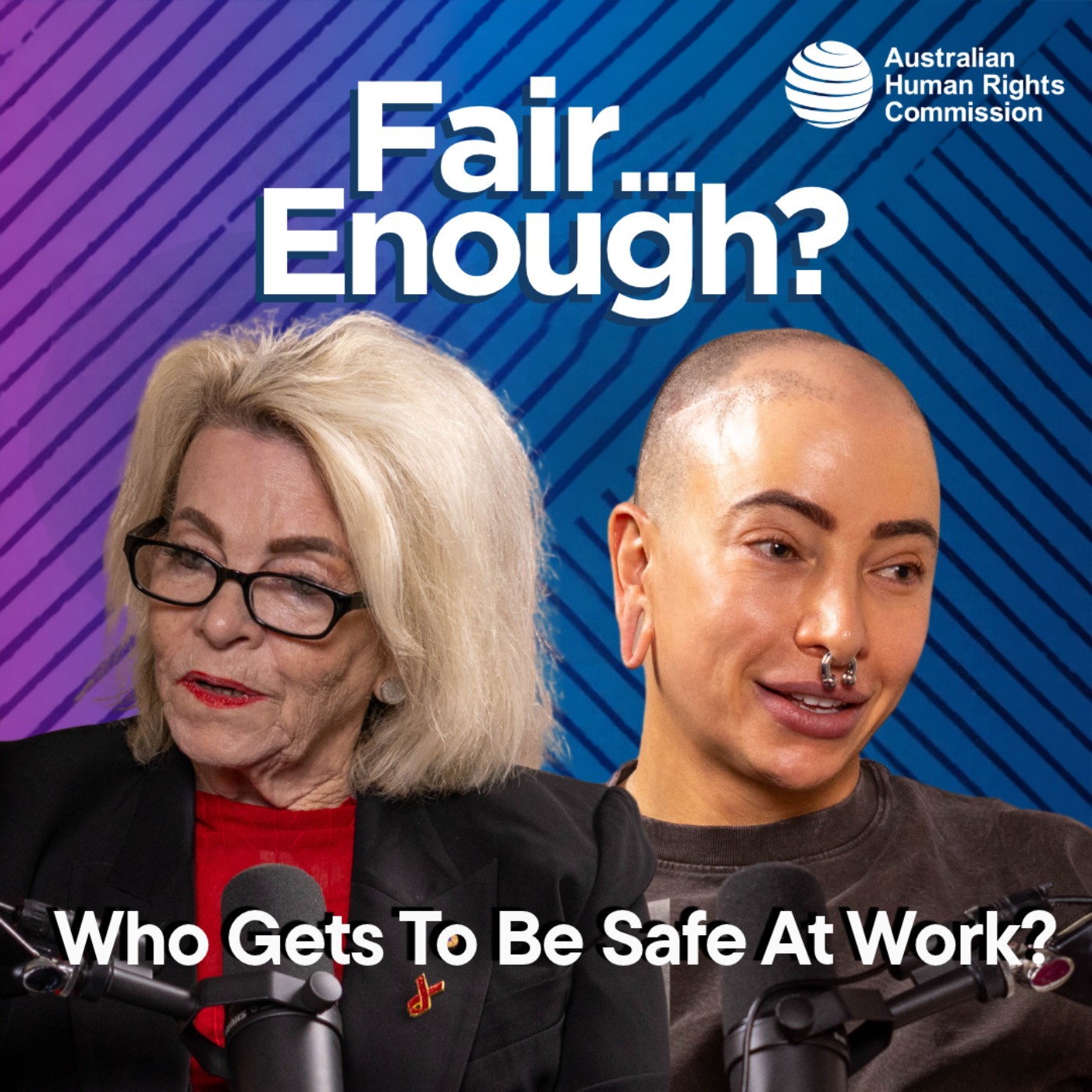
We often talk about workplace safety as a universal right. So why do some workers find it harder than others to access the protections many of us take for granted? In this episode, host Dr Anna Cody explores how recognition, stigma and social attitudes influence who gets protected, who gets heard, and whose safety concerns are taken seriously. Dr Cody speaks to sex worker and rights advocate Julie Bates AO and Mish Pony, former CEO of Scarlet Alliance. The episode asks a simple question: if everyone deserves safety at work, what happens when recognition becomes a condition of protection? Guests: Julie Bates AO and Mish Pony Host: Dr Anna Cody Produced: Jay Gasser & SoSo Media Editors Note: This episode was recorded while Mish Pony was still in the role of Scarlet Alliance CEO. Hosted on Acast.
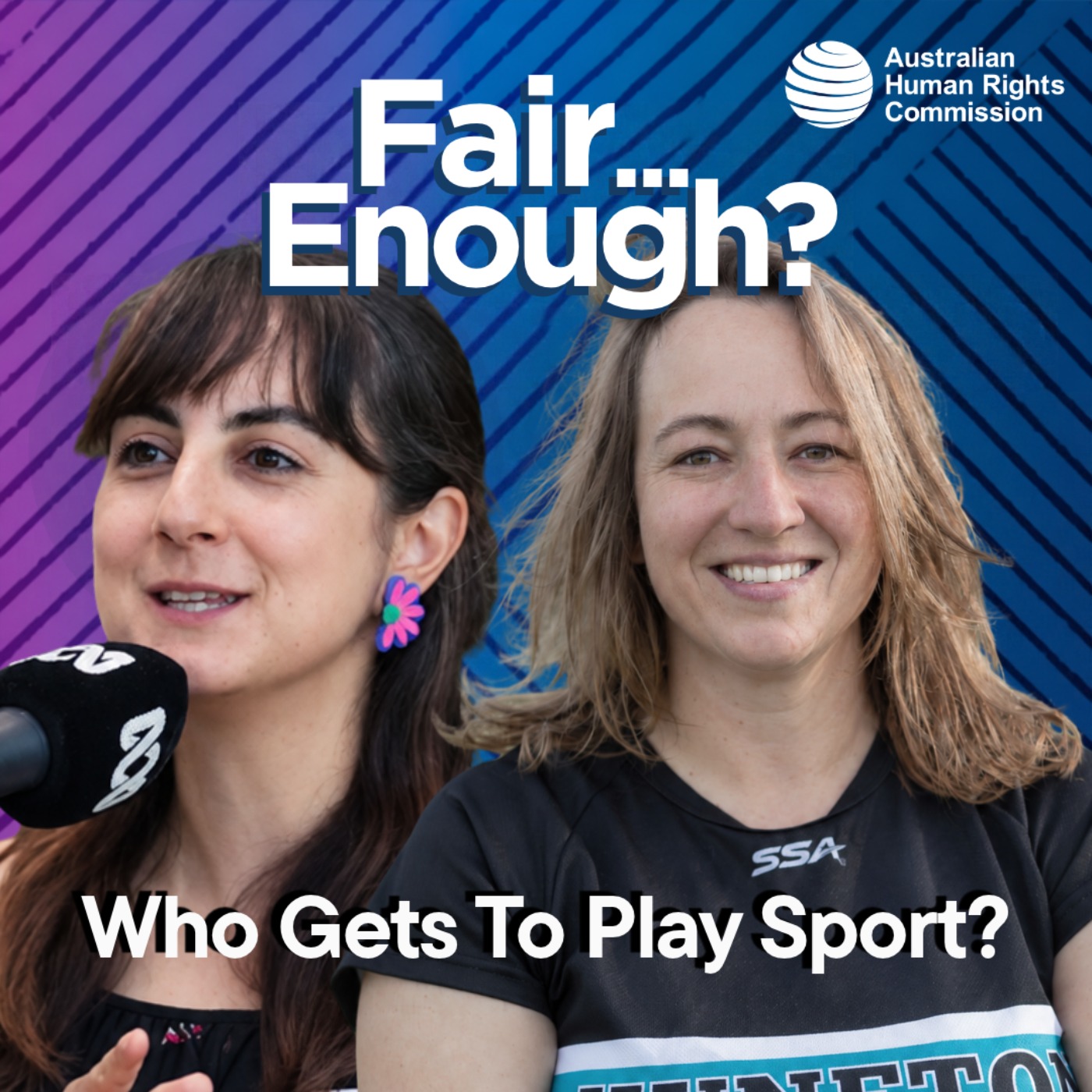
We like to think that sport is one of the fairest parts of society. The fastest runner wins. The best team succeeds. Talent rises to the top. But what if success in sport is shaped long before the game begins? In this episode, Dr Anna Cody speaks with ABC Sport Deputy Editor Amanda Shalala and community sport advocate Natalie Korinfsky about the systems that influence who participates in sport, whose achievements are celebrated and who gets access to opportunities. Together, they explore how media coverage, investment, facilities, leadership and cultural expectations help shape sporting pathways from grassroots participation to elite competition. They also examine why gender inequalities continue to persist, even in environments that pride themselves on being merit-based. This is a conversation about how ideas of fairness are created, and why equal opportunity often begins long before kick-off. Guests: Amanda Shalala and Natalie Korinfsky Host: Dr Anna Cody Produced: Jay Gasser & SoSo
Public sports funding should prioritize everyday participation over elite competition.
Share your view, then see how readers voted. No sign-in required. This poll is shared across stories.
Do you agree or disagree?
Common Quandary
A Common Quandary to discuss
Another conversation to explore, separate from this news story.
A parent clearly built the winning science project. Who should lose the prize?
An elementary student submits an elaborate science project far beyond their apparent ability. The parent proudly describes working together all weekend, and the child clearly learned something, but other students completed simpler projects themselves.
What is a fair response when help improves learning but distorts achievement?