Fanzines Part Two: The Punk Spirit of Football's Alternative Press (with Daniel Gray)
Listen through the publisher, then discuss the episode here or arrange an in-person Roundtable. Your city determines where to meet.
Roundtables are designed for groups of four, with a shared subject and room for everyone to speak. Come for discussion, with no dating expectation.
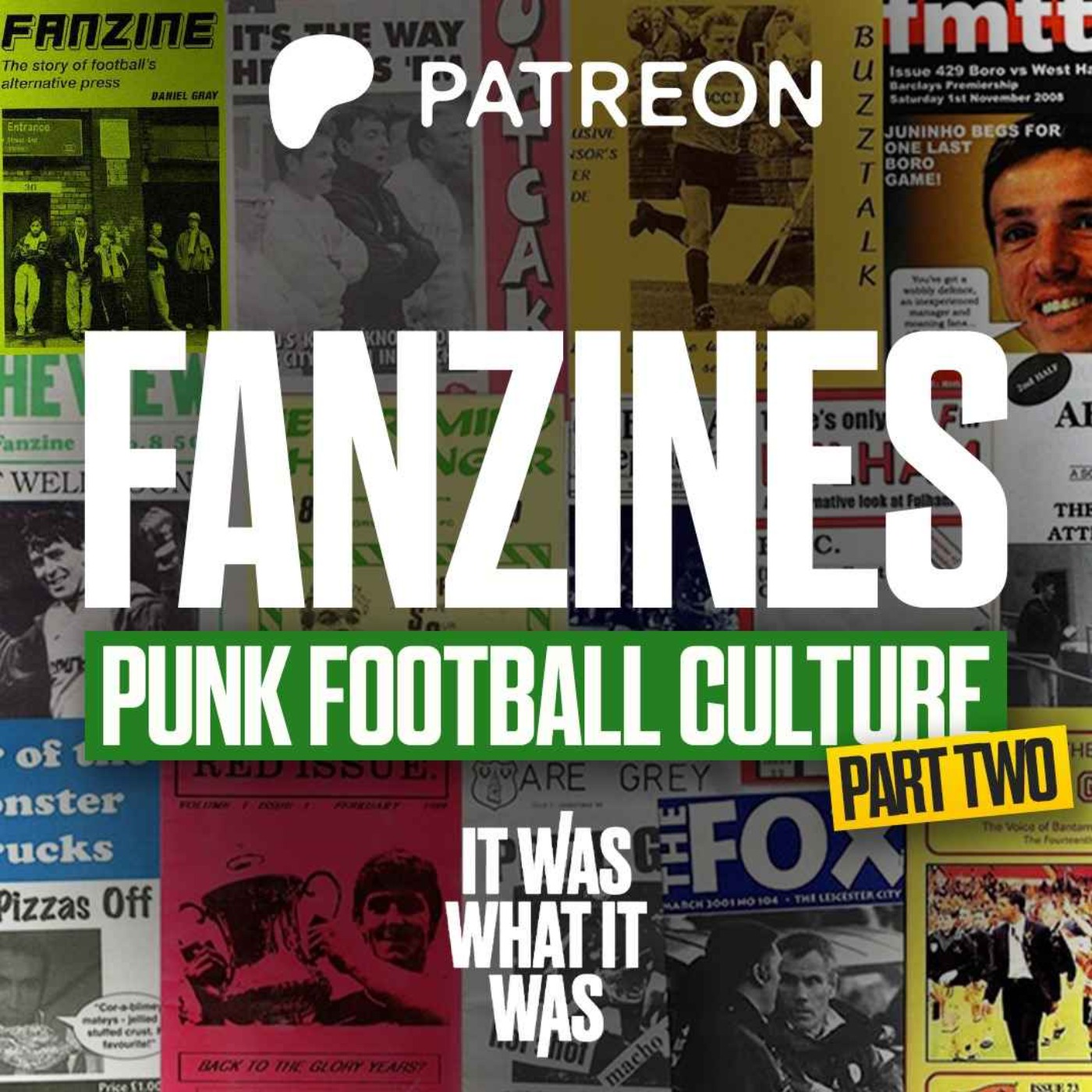
Rob and Jonathan conclude their two-part series on football fanzines with Daniel Gray, editor of Nutmeg, host of the When Saturday Comes podcast and author of Fanzine: The Story of Football's Alternative Press. This time they turn to the serious side of the movement. They look at how fanzines warned for years that a disaster like Hillsborough was coming, and how they fought back against the blame put on supporters, including The Sun's notorious front page. They talk about the campaigns that brought fanzines together: opposing Margaret Thatcher's ID card scheme, resisting all-seater stadiums, taking on the National Front at Leeds and helping Charlton get back to The Valley. They also remember the joys of fanzine culture: guides to away grounds, ideas borrowed from other fanzines, and the expensive Club Call phone lines. Then they ask whether Fever Pitch, Fantasy Football, Standing Room Only and the early days of 606 took the fanzine spirit mainstream, or killed it off? 00:58 Foreshadowing Hillsborough 04:03 "It Must Be Our Fault Again" 04:41 The Fight Against ID Cards 09:34 Taking On The Sun 11:30 Standing vs All-Seater Stadiums 13:59 Fanzines Against Racism 16:38 Back to The Valley 19:32 Did Fanzines Reduce Violence? 21:43 Dissent and Contrarians 22:34 What Fanzines Got Wrong 23:42 Away Guides and Borrowed Ideas 25:42 The Club Call Rip-Off 30:04 Fanzines Go Mainstream 31:36 Standing Room Only and Fantasy Football 33:34 The Premier League and Fever Pitch 37:07 606, Then and Now 43:33 The Return of Inflatable Bananas 45:14 From Fanzines to the Hillsborough Law 46:37 Fanzines Today 49:41 Fans vs the European Super League Hosted on Acast.
Episode information is provided by the publisher. Listening takes place on the publisher’s service.
Listen at the source ↗