Listen through the publisher, then discuss the episode here or arrange an in-person Roundtable. Your city determines where to meet.
Roundtables are designed for groups of four, with a shared subject and room for everyone to speak. Come for discussion, with no dating expectation.
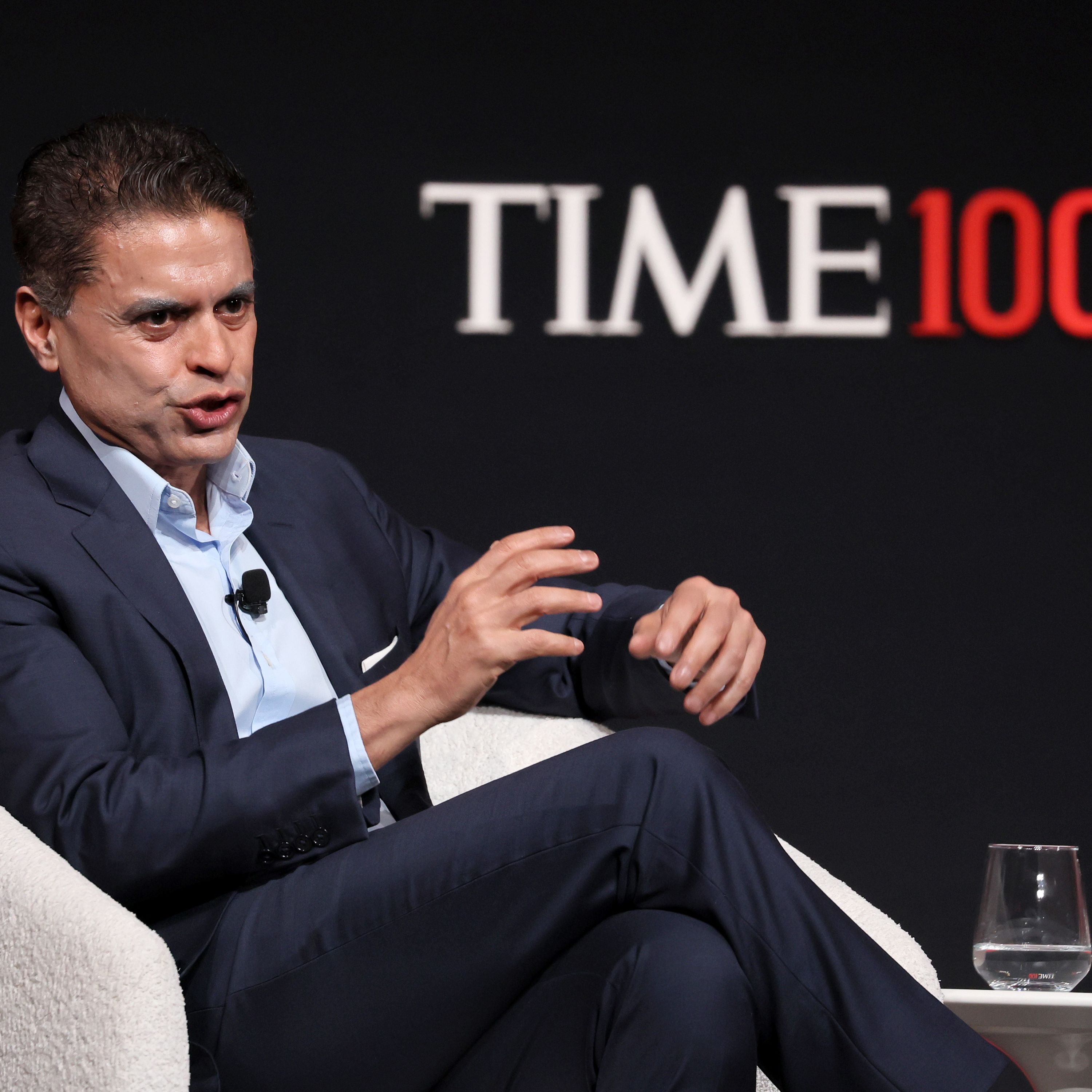
Fareed Zakaria, Washington Post columnist and the author of several books, most recently, Age of Revolutions: Progress and Backlash from 1600 to the Present (https://wwnorton.com/books/9780393239232)(W. W. Norton & Company, 2024), talks about the "blue wave" and what it means for the two parties and democracy and offers a preview of his upcoming debate (https://www.92ny.org/event/america-s-liberal-reckoning) on the topic of whether "liberalism" has failed. => Fareed Zakaria will participate in the New York debut of the Munk Debates (https://url.us.m.mimecastprotect.com/s/smRECzpEWBiPQB2XC4f75t9QAOD?domain=munkdebates.com%2F) at 92NY on Thursday, November 12. Ticket information here: https://www.92ny.org/event/america-s-liberal-reckoning Photo: Fareed Zakaria speaks onstage during the 2025 TIME100 Summit at Jazz at Lincoln Center on April 23, 2025 in New York City. (Jemal Countess/Getty Images for TIME via Getty Images) Hosted by Simplecast, an AdsWizz company.
Episode information is provided by the publisher. Listening takes place on the publisher’s service.
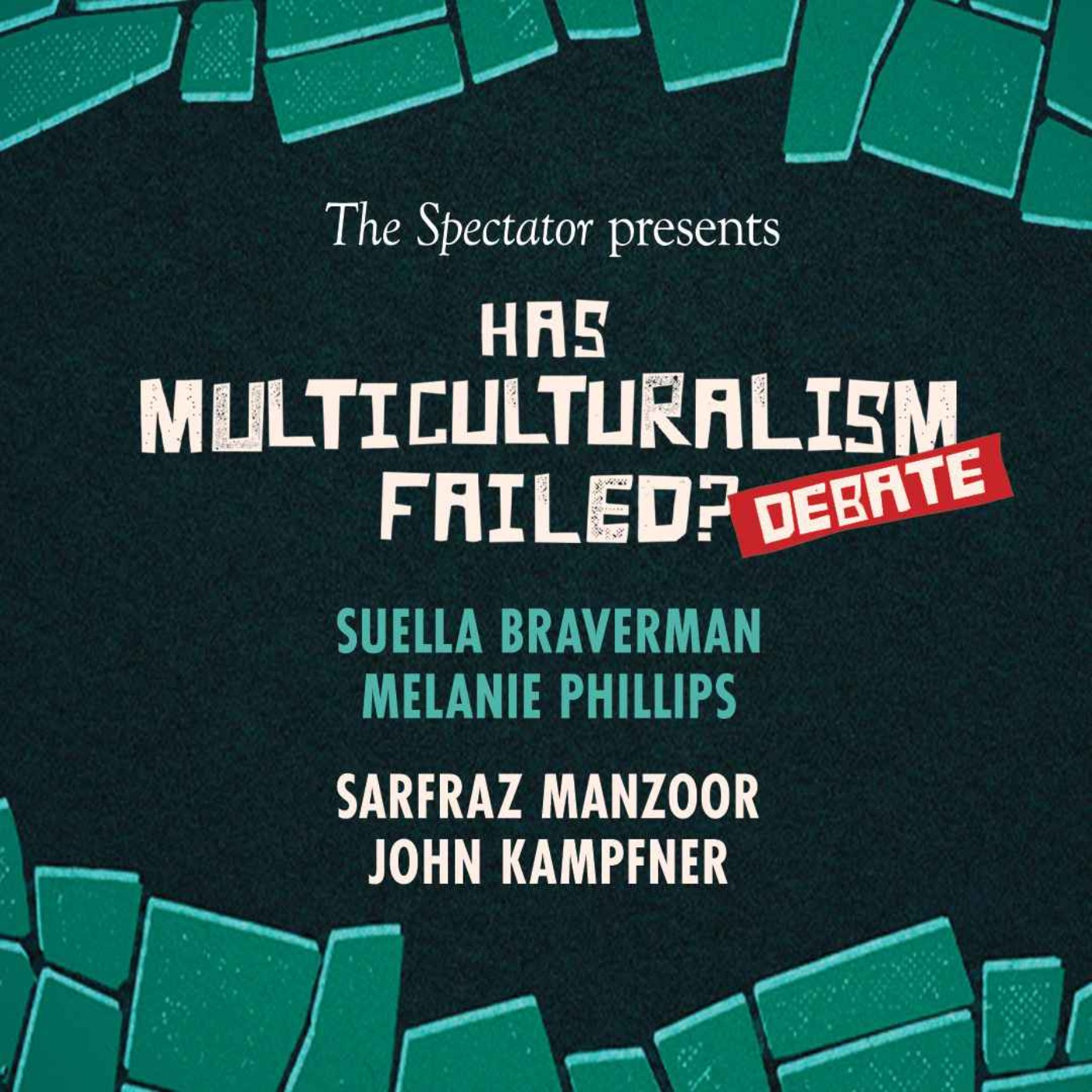
Earlier this week The Spectator’s editor Michael Gove chaired a lively debate on whether multiculturalism has failed. Former home secretary Suella Braverman and columnist Melanie Phillips went head-to-head with journalist and author John Kampfner and broadcaster Sarfraz Manzoor, tackling some of Britain’s most divisive questions. Spectator subscribers can watch the full debate here (https://spectator.com/article/livestream-multiculturalism-debate/). This episode is brought to you by Raymond James. Investment involves risk. raymondjames.uk.com Contact us: [email protected] Hosted on Acast.
After some life updates (which is all the people really want to hear anyway), Jonah Goldberg turns his hand to ruminating on Trump’s villainous stupidity, the trilateral summit with Vladimir Putin and Xi Jinping, nuclear policy, New York City’s supermarkets, socialist contempt for the middle class, GDP, Ro Khanna, the Bulwark squabble, recent tech failures, the National Popular Vote Interstate Compact, and magical thinking about politics. Show Notes: —LFG AO Pod (https://thedispatch.com/podcast/advisoryopinions/should-lame-ducks-hibernate/) —Special Event: Advisory Opinions: Live! (https://www.capcitycomedy.com/shows/393484) —Mamdani on supermarkets (https://x.com/MorePerfectUS/status/2123188786926391338/video/1) —Irving Kristol in The Public Interest: “Rationalism in Economics” (https://www.nationalaffairs.com/public_interest/detail/rationalism-in-economics) —American Compass’ postelection survey (https://americancompass.org/post-midterm-survey/) —Dan Senor Remnant (https://thedispatc
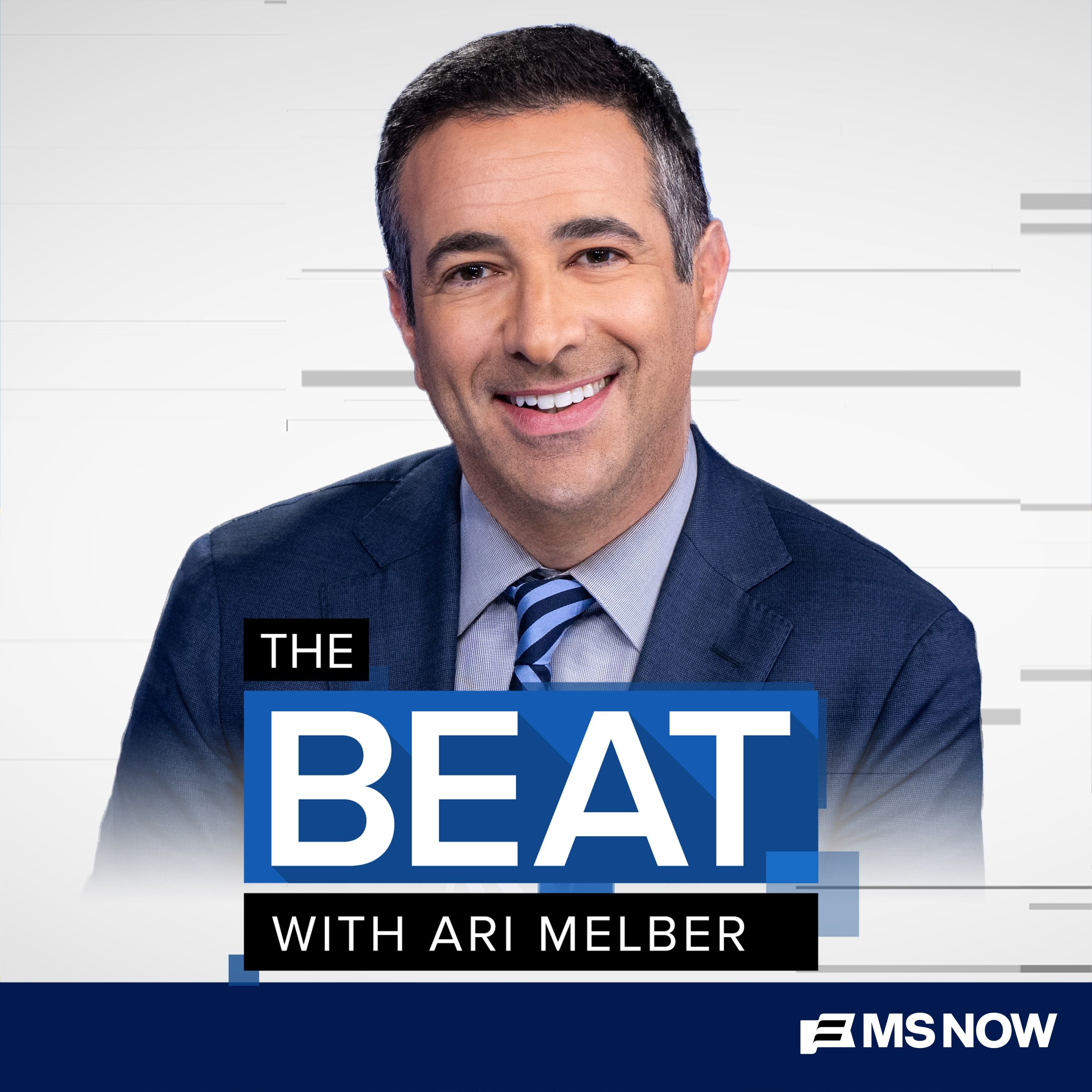
November 20, 2026; MS NOW's Ari Melber breaks down Trump and MAGA allies reacting to a Democratic blue wave, then interviews Mississippi Senator-elect Scott Colom with his twin brother Andrew about their historic campaign. The episode also features Rod Wave on music, emotion, and his new album "Don’t Look Down". Hosted by Simplecast, an AdsWizz company.
Enjoy this special feed drop of our sister show 'In This Economy?!' The U.S. experienced its fair share of technological outages, disruptions and stoppages over the past week or so, starting off with Microsoft 365 going black last Thursday heading into Friday, followed by the FAA ground stoppage across America, and other online systems throughout this week. Host Mike Eppel speaks to Sheldon Jacobson, professor of computer science at the University of Illinois at Urbana-Champaign to discuss whether or not people are justified in their worry-shopping, and how much of a disruption to productivity took place. We love feedback at The Big Story, as well as suggestions for future episodes. You can find us: Through email at [email protected] Or @thebigstory.bsky.social on Bluesky Hosted by Simplecast, an AdsWizz company. See pcm.adswizz.com (https://pcm.adswizz.com/) for information about our collection and use of personal data for advertising.
In a candid conversation, US Sen. Raphael Warnock (D-GA) explains why voters haven’t necessarily fallen in love with the Democratic brand, why the party must center people over politics, and how the path to power runs through the South. This show was edited by Kasia Broussalian, fact checked by Sarah Schweppe, mixed by Shannon Mahoney, video edited by Christopher Snyder, and hosted by Astead Herndon. Photo caption: US Sen. Raphael Warnock (D-GA) reacts while taking the stage to speak during the What's Next summit at Mission Ballroom on November 13, 2026 in Denver, Colorado. Photo by Mark Makela/Getty Images. You can also watch this episode on youtube.com/vox (http://youtube.com/vox). Listen to Today, Explained ad-free by becoming a Vox Member: vox.com/members (http://vox.com/members). New Vox members get $20 off their membership right now.
South Carolina's Supreme Court threw out Alex Murdaugh's murder conviction after finding that clerk Becky Hill put her fingers on the scales of justice. Hill pleaded guilty to other crimes and walked out with probation. The judge who sentenced her said it would have been much harsher if prosecutors had found she tampered with the jury. The special prosecutor said he couldn't prove she did, because the jurors told investigators she did nothing wrong. Eric Faddis, a defense attorney and former prosecutor, explains how the highest court in the state can find she interfered while a prosecutor says he can't prove a crime, and whether she could still be charged. We also get into the lead state investigator, David Owen, whose grand jury testimony about the shotgun shells wasn't true. Prosecutors told the judge it was imprecise but not false. Eric tells me whether anyone can hold prosecutors responsible for defending it. Alex is presumed innocent, and his retrial starts in April. Listen Anywhe
Three of our favorite segments from the week, in case you missed them. Schumer vs. Van Hollen (First) | Wild NYC: Trees (Starts at 45:05) | Are You Polite to AI Bots? (Starts at 59:51) If you don't subscribe to the Brian Lehrer Show on iTunes, you can do that here (https://itunes.apple.com/us/podcast/brian-lehrer-show-from-wnyc/id73331636?mt=2). Hosted by Simplecast, an AdsWizz company.
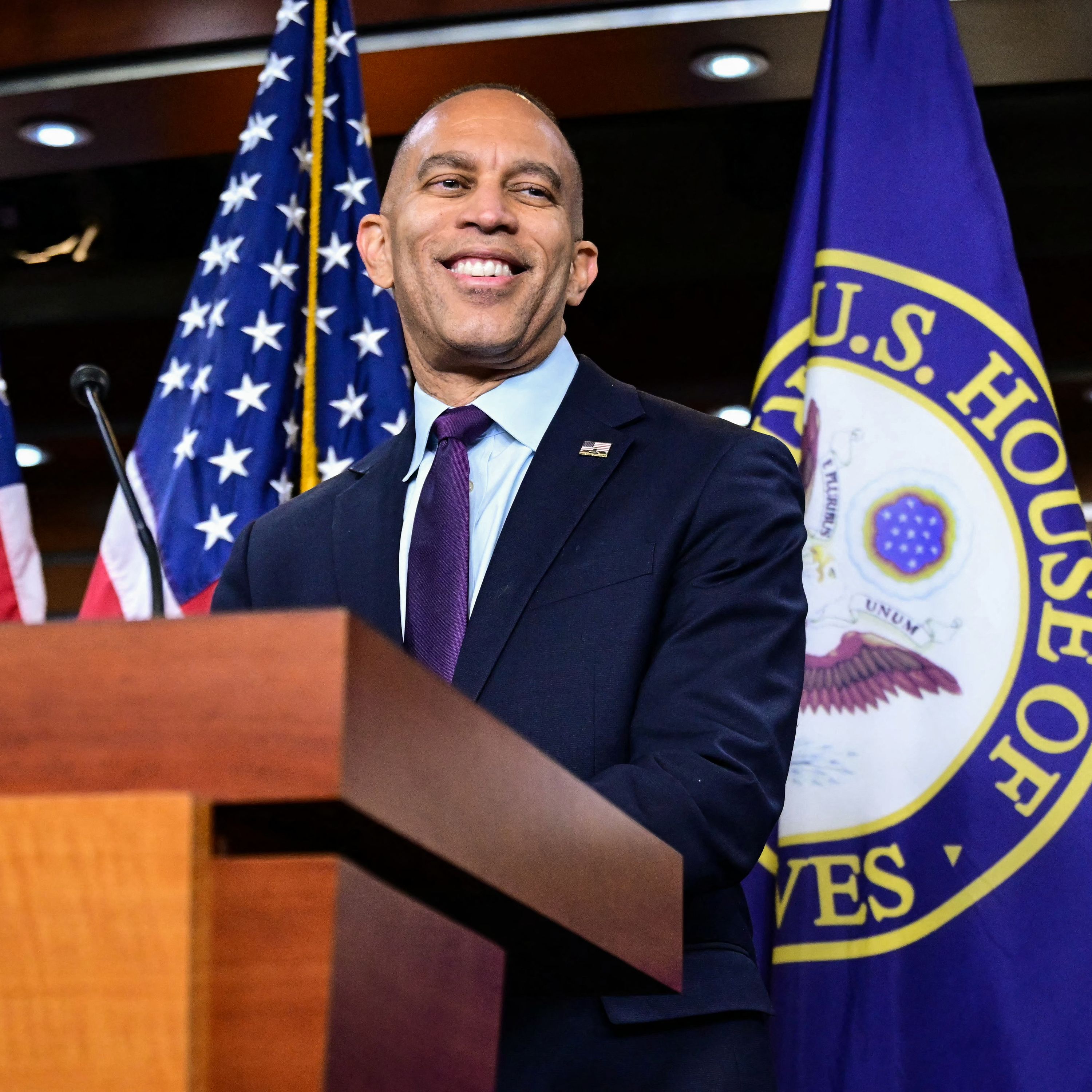
Congressman Hakeem Jeffries is on the edge of becoming the first Black speaker of the House, after a vote this week where Democratic members nominated him for the role. Errol Louis, political anchor of Spectrum New NY1, host of "Inside City Hall (https://ny1.com/nyc/all-boroughs/politics/inside-city-hall)" and "The Big Deal with Errol Louis, (https://spectrumlocalnews.com/section/the-big-deal)" New York Magazine columnist (https://nymag.com/author/errol-louis/) and host of the podcast"You Decide: (https://ny1.com/nyc/all-boroughs/politics/you-decide-with-errol-louis)talks about his Brooklyn roots, and how he might lead the "big tent" Democratic caucus. Photo: US House Minority Leader Hakeem Jeffries, Democrat from New York, speaks during a news conference at the US Capitol in Washington, DC, on November 18, 2026. (SAUL LOEB / AFP via Getty Images) Hosted by Simplecast, an AdsWizz company.
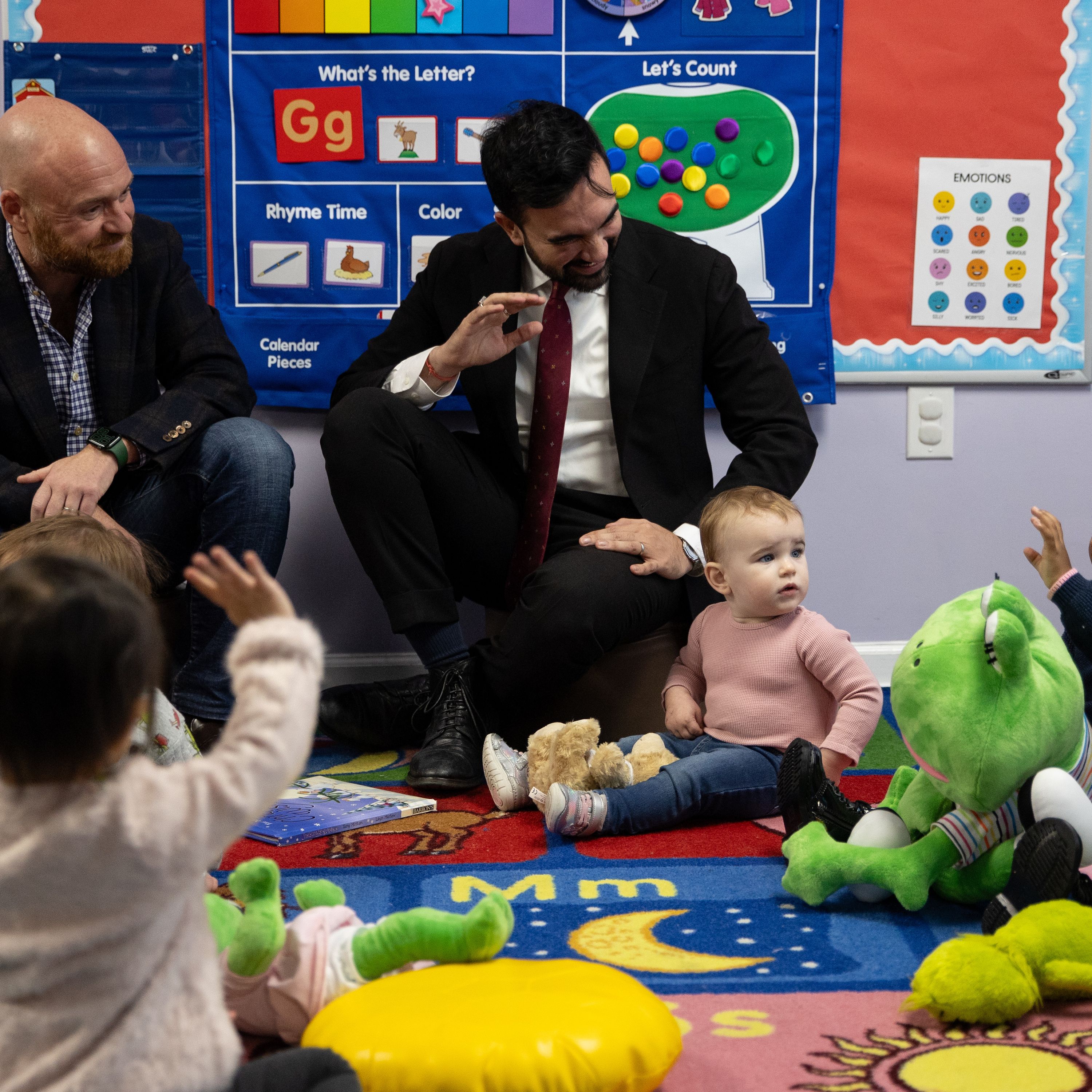
Grace Rauh, executive director of Citizen's Union, talks about their new report (https://citizensunion.org/document/2026-11-17/new-report-free-child-care-in-nyc-could-deliver-a-boost-to-new-yorks-economy/) on the "cost" of childcare to NYC and why making it free would boost the economy. Photo: New York City Mayor-elect Zohran Mamdani interacts with children during his visit to a childcare center in Manhattan, New York, U.S., (Mostafa Bassim/Anadolu via Getty Images) Hosted by Simplecast, an AdsWizz company.
Workers should retain the right to strike even when a dispute inconveniences the public.
Share your view, then see how readers voted. No sign-in required. This poll is shared across stories.
Do you agree or disagree?
Common Quandary
A Common Quandary to discuss
Another conversation to explore, separate from this news story.
Your family connection could get your child into their dream school. Do you use it?
A university argues that considering family ties builds loyalty and encourages donations that fund scholarships. Critics say the preference preserves inherited advantage and takes places from stronger applicants.
Can benefits to the whole institution justify an unequal admissions advantage?