Fighters: The Red Knight Part 1: Cold War Skies – Darwin “Tex” Deagnon
Listen through the publisher, then discuss the episode here or arrange an in-person Roundtable. Your city determines where to meet.
Roundtables are designed for groups of four, with a shared subject and room for everyone to speak. Come for discussion, with no dating expectation.
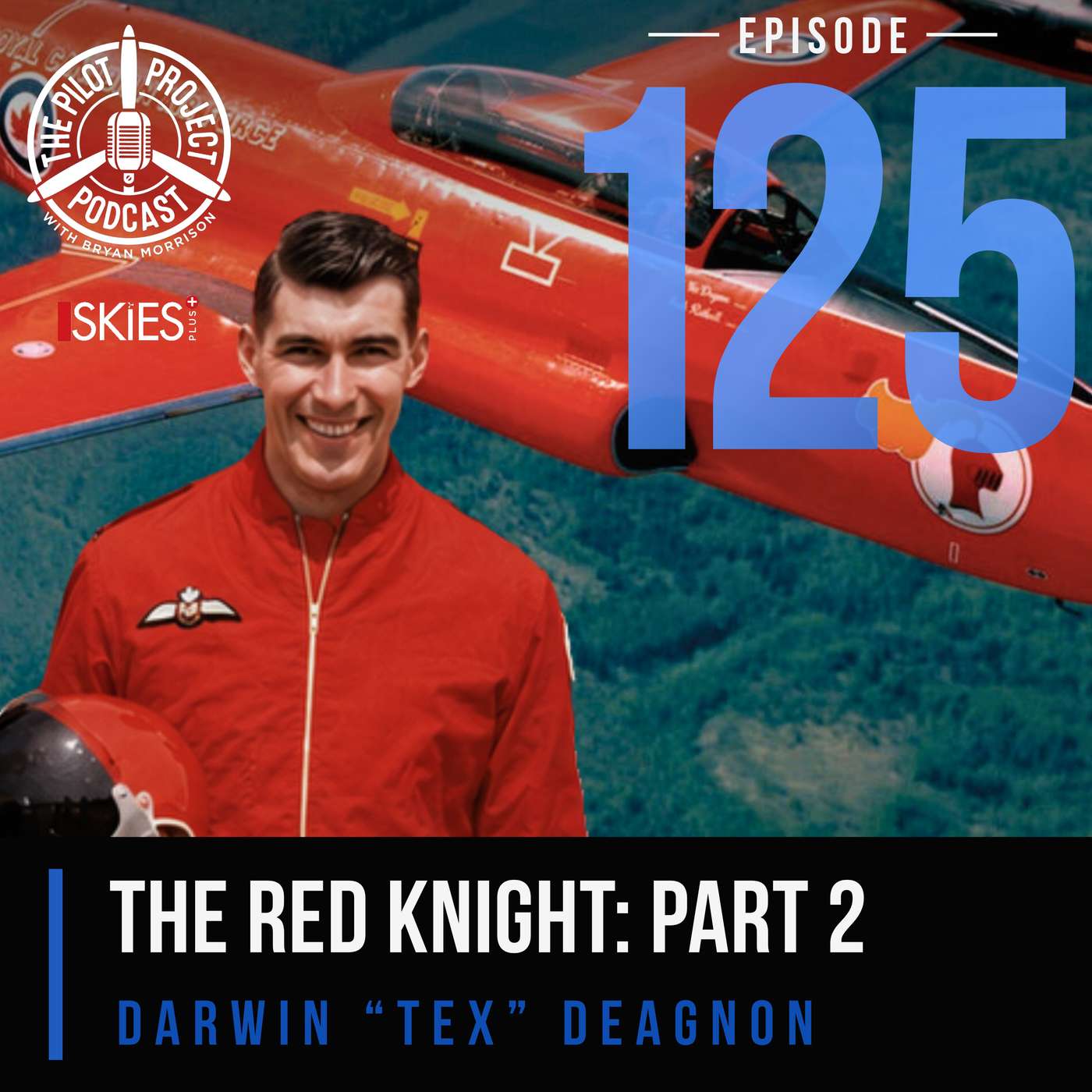
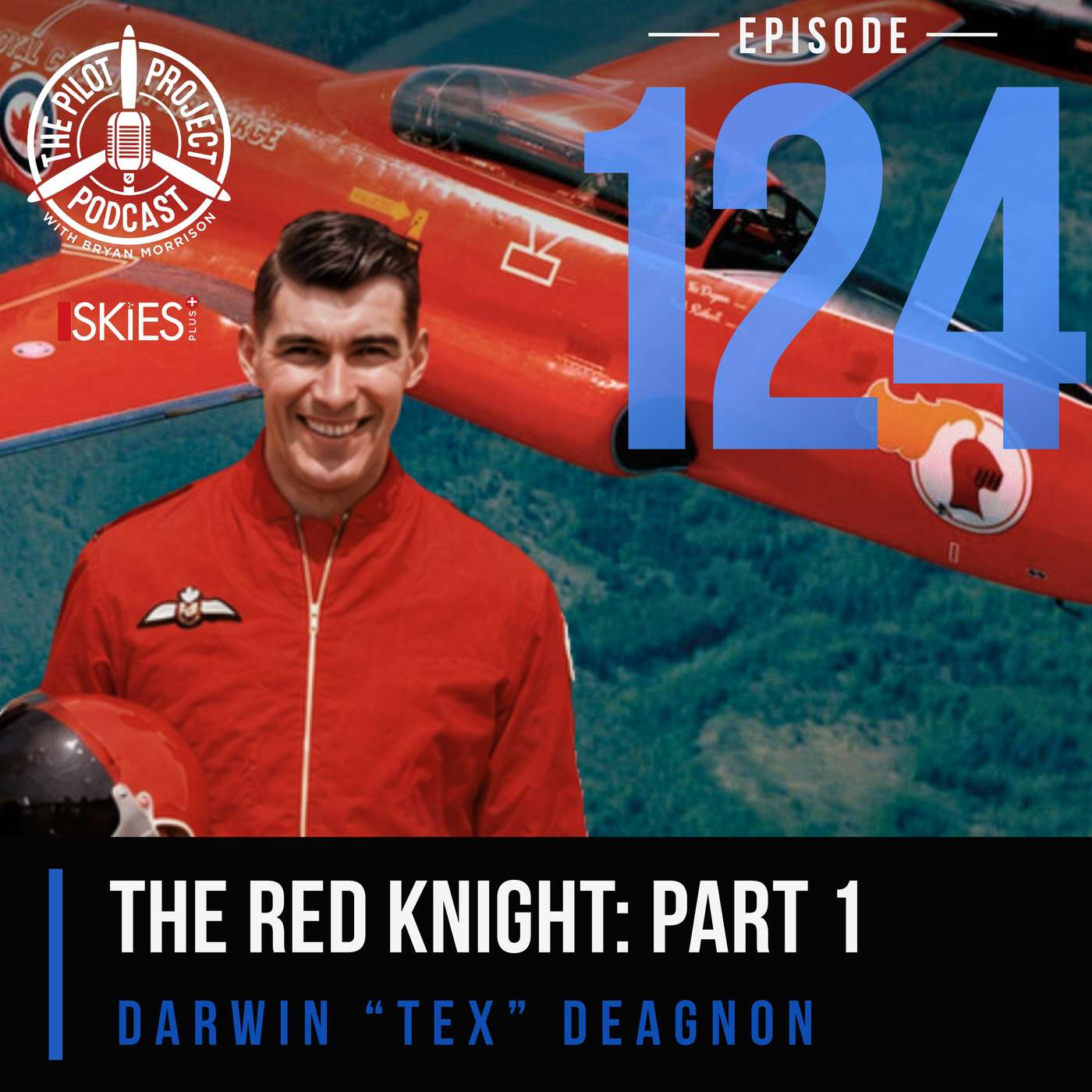
What happens when a Canadian fighter pilot accidentally crosses the Iron Curtain? And what does it take to become one of the RCAF's legendary solo jet demonstration pilots? In Part 1 of our conversation with former Royal Canadian Air Force pilot Darwin “Tex” Deagnon, we travel back to the early days of Canadian jet aviation, from his childhood in rural Saskatchewan to flying the F-86 Sabre on the front lines of the Cold War. Tex shares memories of growing up in a soldiers' settlement community, taking his first flight with his father in a Piper Cub, and earning his wings at just 19. He recalls training alongside instructors with Korean War experience, his first solo flight in the Sabre, and arriving in France to fly with 430 Squadron at RCAF Station Grostenquin. We explore the realities of NATO fighter operations in Cold War Europe, including a frightening encounter that took Tex's formation into East German airspace. He explains the challenges of fighter weapons instruction, the demands of air-to-air gunnery and ground attack, and how quickly lessons from the front lines could become obsolete. Then we turn to one of the defining chapters of his career: becoming Canada's Red Knight in 1965. Tex takes us inside the world of solo jet aerobatics, describing the manoeuvres, altitudes, and concentration required to perform in front of thousands of spectators. He also reflects on the influence of his father, the recognition of the Red Knight program by Canada's Aviation Hall of Fame, and the extraordinary pilots who helped build its legacy. As Remembrance Day approaches, our conversation takes a more reflective turn. Tex remembers the Red Knights who lost their lives, discusses how pilots coped with loss, and shares his thoughts on the sacrifices of Canada's Cold War veterans and the challenges of understanding wartime experiences. In Part 2, we'll follow Tex beyond the Red Knight, exploring his remarkable civilian flying career, adventures in the Canadian Arctic, and a reunion with an aircraft he first flew more than 67 years ago. CHAPTERS (00:00:00) Introduction and Welcome (00:03:38) Growing Up in Zehner, Saskatchewan (00:06:12) Life in a Soldiers' Settlement Area (00:07:10) First Flight with Dad in a Piper Cub (00:08:07) The Story Behind “Tex” (00:08:58) What Drew Tex to the Military? (00:10:59) Memories of Flight Training (00:13:28) The CF-100 Lead Sled (00:14:15) Learning from Korean War Veterans (00:16:02) A Memorable Training Flight (00:16:57) Transitioning to the F-86 Sabre (00:18:15) First Sabre Flight: Flying Solo (00:19:03) First Flight in Cold War Europe (00:21:02) Introducing New Pilots to Cold War Operations (00:21:23) The Mission in Europe (00:21:43) A Typical Day at Grostenquin (00:23:49) Close Calls in Cold War Europe (00:25:52) Becoming a Fighter Weapons Instructor (00:27:40) Air Gunnery and Scoring (00:28:43) From Operations to Instruction (00:30:25) When Frontline Lessons Became Obsolete (00:31:41) Live Weapons Training at Wainwright (00:33:09) Guns, Rockets, and Bombs (00:34:11) Was the Sabre a Good Gunnery Platform? (00:35:08) Becoming the Red Knight (00:38:51) Inside the Red Knight Routine (00:39:41) Manoeuvres and Minimum Altitudes (00:41:40) The Experience of Low-Altitude Aerobatics (00:43:27) His Father's Influence on Flying (00:43:42) Balancing Instruction and the Red Knight (00:45:13) Canada's Aviation Hall of Fame Recognition (00:46:34) Remembering the Fallen Red Knights (00:50:14) How Pilots Coped with Loss (00:51:26) Remembering Canada's Cold War Veterans (00:54:00) Can Civilians Understand Wartime Experiences? (00:57:28) Closing Thoughts and What's Next CONTINUE THE FLIGHT Continue exploring the history of Canadian military aviation and the people who flew some of its most iconic aircraft: • The Jet Jockey Part 1 & Part 2 – Dan McWilliams - https://podpilotproject.transistor.fm/search?query=Jet+Jockey • The Bangseat Part 1 & Part 2 – Rock Veilleux - https://podpilotproject.transistor.fm/search?query=Bangseat EXPLORE THE LOGBOOK Discover more stories, experiences, and advice from RCAF and mission aviation pilots. RSS TAGS Darwin Deagnon, Tex Deagnon, Red Knight, RCAF Red Knight, Royal Canadian Air Force, RCAF, Canadian Military Aviation, Canadian Aviation History, Cold War, Cold War Aviation, Cold War Veterans, Iron Curtain, East Germany, NATO, NATO Air Operations, 430 Squadron, RCAF Station Grostenquin, France, F-86 Sabre, Canadair Sabre, CF-100 Canuck, T-33 Silver Star, Fighter Pilot, Fighter Aviation, Fighter Weapons Instructor, Air Gunnery, Ground Attack, Military Flight Training, Jet Aerobatics, Solo Jet Demonstration, Airshow Pilot, Canadian Aviation Hall of Fame, Remembrance Day, Canadian Veterans, Military Remembrance, Aviation Podcast, The Pilot Project Podcast, Skies Magazine
Episode information is provided by the publisher. Listening takes place on the publisher’s service.
Listen at the source ↗