Finding Connection and Smashing Denial. School of Rock Bottom Thought #54: Oliver Mason

Listen through the publisher, then discuss the episode here or arrange an in-person Roundtable. Your city determines where to meet.
Roundtables are designed for groups of four, with a shared subject and room for everyone to speak. Come for discussion, with no dating expectation.
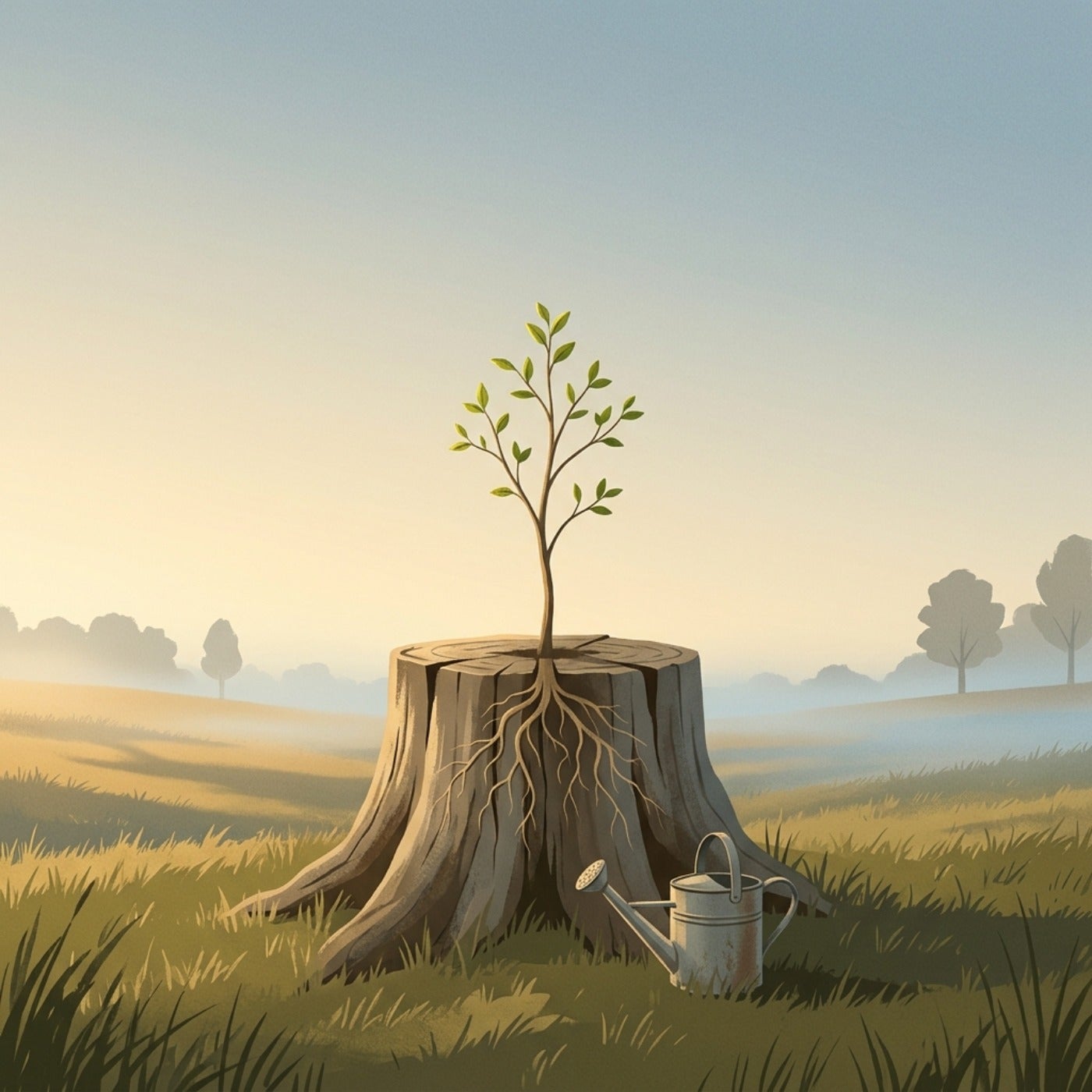
Addiction thrives on isolation and denial. It convinces us that nobody understands what we're going through, that we're somehow different from everyone else, and that we don't really have a problem. But what happens when we stop trying to fight addiction alone and finally admit what's happening? Oliver Mason explores the first two words of Step One: WE ADMITTED. Through his own experiences and reflections, he looks at the importance of connection, the difficulty of recognising addiction and why accepting the truth can be the beginning of a very different life. This isn't a 12-step lecture or an instruction manual on how to recover. It's an opportunity to look at two words that carry enormous meaning to Oliver and explore how they relate to addiction and recovery, whatever pathway you choose. The first word is WE, not I. Addiction can take us from a life surrounded by people, pubs, clubs and social occasions to a place of complete isolation. It feeds the belief that nobody understands, that we're suffering from something uniquely ours and that there's no point reaching out. But recovery challenges that thinking. Suddenly, we discover that millions of people have been through similar experiences and understand exactly what we're going through. Oliver explores the power of connection in recovery and why staying connected to other people can make such a difference. Whether that's through 12-step fellowships, SMART Recovery, therapy, CBT, Dharma Recovery or other recovery communities, there are more ways than ever to find support. You don't have to follow a particular religion, believe in God or subscribe to one approach. The important thing is finding something that keeps you connected to your recovery. The second word is ADMITTED. Because before we can begin to address a problem, we have to recognise that it exists. And with addiction, that can be surprisingly difficult. Denial doesn't always mean refusing to accept something that's obvious to everyone else. Sometimes we genuinely cannot see what's happening. Sometimes we know there's a problem but hope it will disappear. Sometimes we become angry when someone challenges our drinking or drug use. And then there's perhaps one of the most painful places to find yourself: wanting to want to stop, but not actually wanting to stop. Oliver talks about the different ways denial can show up, the excuses we make, repeated attempts to control drinking and the cycle of relapse that can eventually bring us to a point where continuing as we are becomes impossible. Eventually, after years of trying, the choice became painfully clear. Carry on drinking or give sobriety a chance. Even then, there was no guarantee that life would be better. But sometimes recovery begins with being willing to try something different, even when you have no idea what lies ahead. About the “THOUGHT” series - Every other Monday at 5 PM, I’ll bring you a quick ‘thought’—a powerful moment from previous episodes designed to kickstart your week with insight, motivation, and connection. These shorter clips help us stay connected as a community, while every other Tuesday delivers a full, brand-new episode with fresh stories and lessons. Oliver is an ambassador for Alcohol Change UK and you can access support here - https://tinyurl.com/5dt5773e Podcasting is an expensive passion. To help me keep going, I'd really appreciate it if you could buy me a coffee, thank you! Or via PayPal - https://www.paypal.me/olivermason1paypal Follow Oliver Instagram - https://tinyurl.com/2vt29sjv Facebook - https://tinyurl.com/34cwz59r TikTok - https://tinyurl.com/ujw4vxn9 LinkedIn - https://tinyurl.com/yuemhnd7 Threads - https://tinyurl.com/yk7vdeah X - https://tinyurl.com/3u5mnpds #AddictionRecovery #AngerManagement #MentalHealth
Episode information is provided by the publisher. Listening takes place on the publisher’s service.
Listen at the source ↗