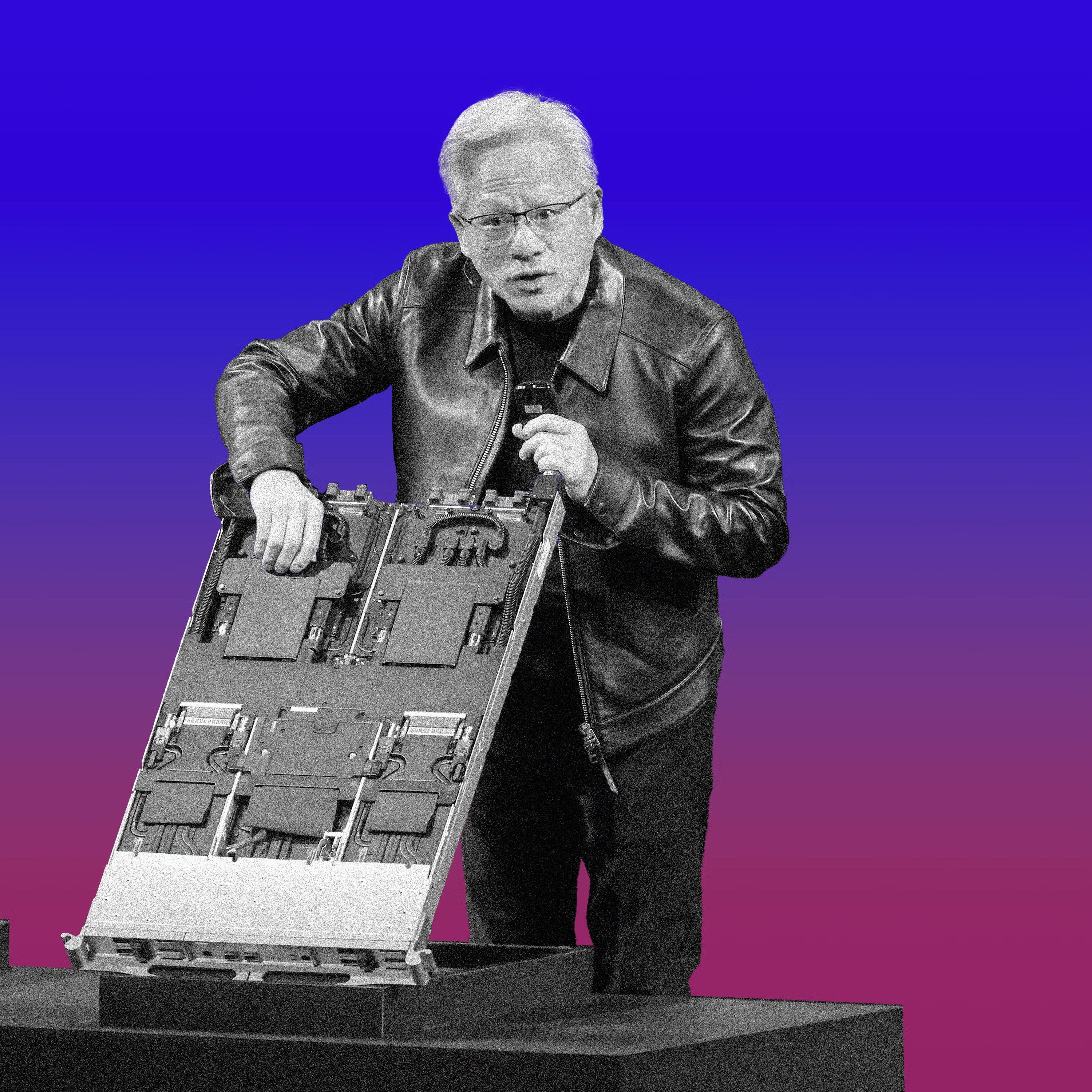
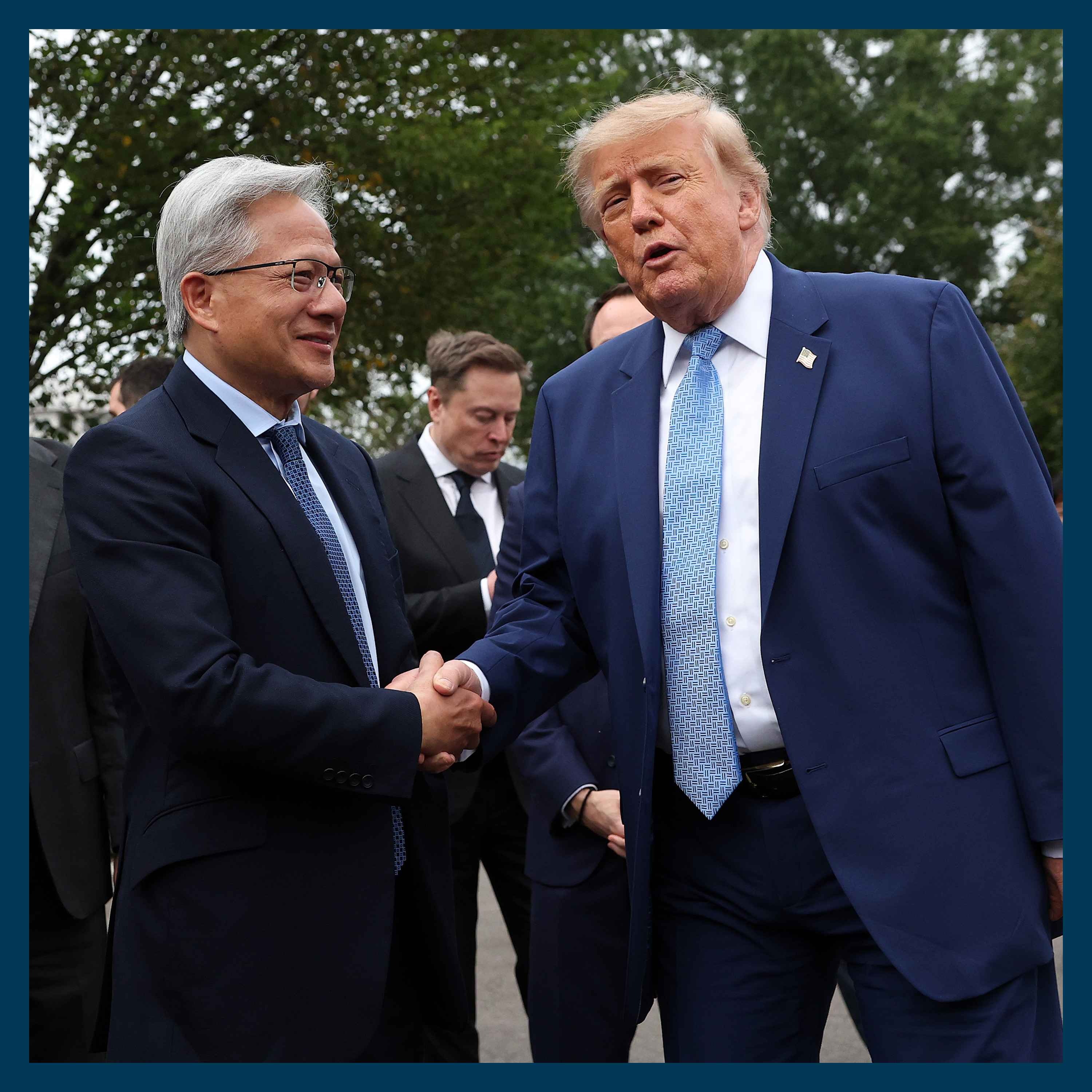
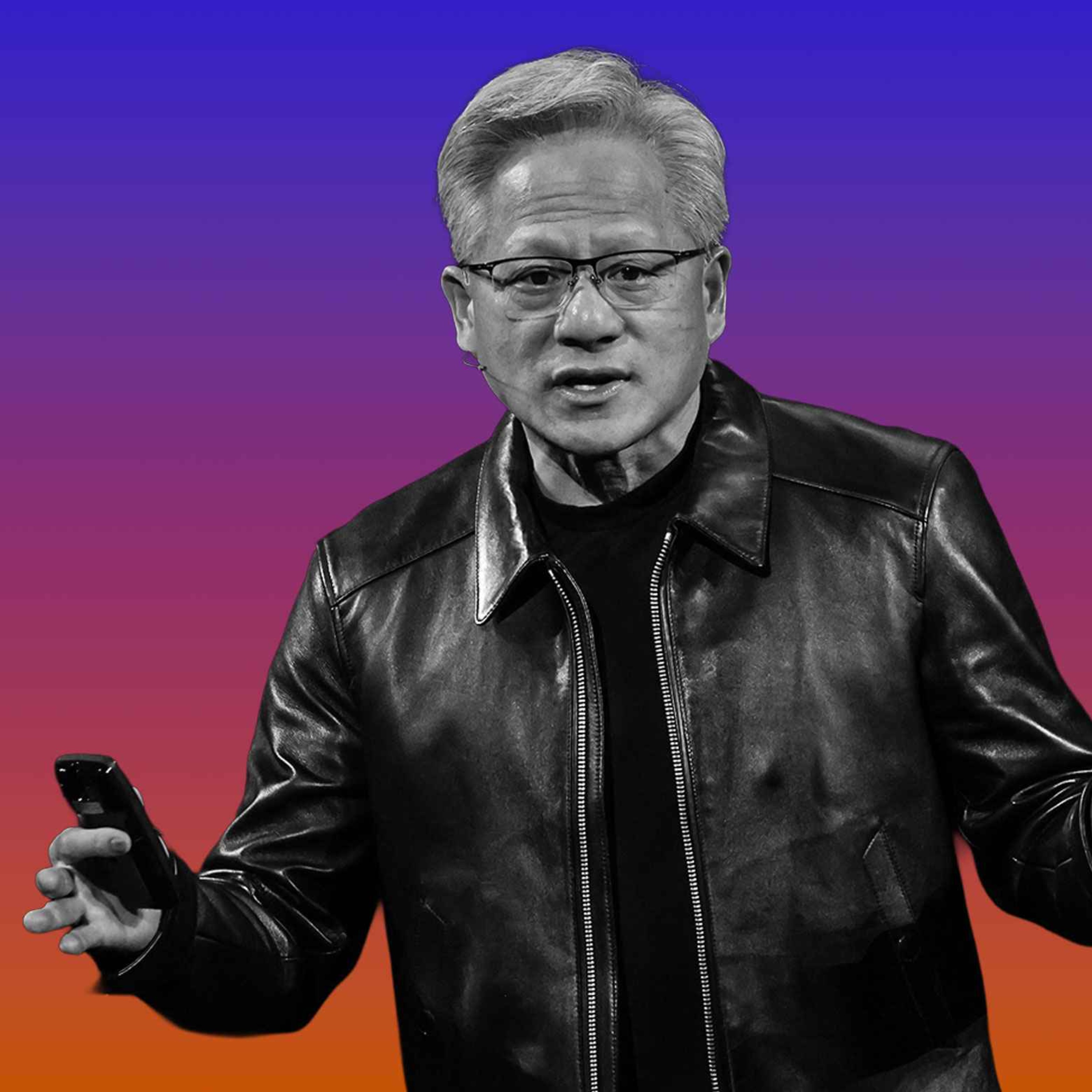
The Jensen Huang Nvidia story is much more serious than a “honeypot” spy story, even if it features one of the world’s richest men. Trump first conferred with Xi and then ordered Nvidia to reinstate its compromised CEO, and profited personally from the resulting stock bounce. The unprecedented intervention raises the question that the President of the United States is acting not in the national interest but for personal gain and to advance his friends. Meanwhile China’s plans to supplant America as the A.I. superpower continue unimpeded. Is the United States still in control of its A.I. technology? Gavin Esler talks to Professor Steve Tsang, director of the SOAS China Institute and co-author of China’s Global Strategy Under Xi Jinping, about this new phase in US-China rivalry. • Buy China’s Global Strategy Under Xi Jinping (https://uk.bookshop.org/a/13277/9780197828816) by Steve Tsang and Olivia Cheung through our affiliate bookshop and you’ll help fund This Is Not A Drill by earning u
The annual Macy's Thanksgiving Day Parade has been postponed due to storm forecasts. The US Army has detonated a cache of explosive material in Iowa, after days of deliberation and public outcry. President Trump proposes new tariffs on major trading partners. Records reveal a money trail (https://www.reuters.com/business/finance/alice-huang-linked-firms-listed-270-million-ai-servers-china-records-show-2026-11-25/) linking firms connected to Alice Huang to AI servers inside China, as Washington debates Beijing's chip access (https://www.reuters.com/legal/government/jensen-huangs-return-nvidia-fuels-washington-fight-over-chinas-chip-access-2026-11-25/) following Jensen Huang's return to Nvidia. And despite rising turkey prices, retailers offer steep Thanksgiving deals (https://www.google.com/search?gs_lcrp=EgZjaHJvbWUyBggAEEUYOTIHCAEQIRiPAjIHCAIQIRiPAtIBBzg0MmowajeoAgiwAgE&ie=UTF-8&oq=US+grocers+serve+up+Thanksgiving+deals+even+as+turkey+prices+climb&q=US+grocers+serve+up+Thanksgiving+de
Donald Trump is facing criticism from Republicans and Democrats after personally intervening to bring Jensen Huang back as Nvidia’s CEO. Why does Trump see Huang as so important to his presidency, and can he survive the political fallout from his own party as well as Democrats? Huang resigned earlier this month after reports of extramarital affairs, including one with a woman US intelligence suspects of spying for China. Trump says he gave Nvidia's board assurances that Huang was not a national security risk. But when asked by the press, Attorney General Todd Blanche would not confirm whether Huang himself had ever been investigated. So what did the administration actually look into, and why did the president get so involved? In this episode, Justin, Sarah and Anthony unpack Trump's role in Huang's return, the questions Democrats and Republicans in Congress want answered before he testifies next week, and the president's own investments in Nvidia. Plus, Trump announces new tariffs on 1
The fallout from the US midterm elections is putting Donald Trump under growing pressure, with corruption and fears over artificial intelligence emerging as major concerns among voters. Now, an extraordinary scandal involving Nvidia CEO Jensen Huang threatens to become a defining crisis for the White House. Allegations that Huang’s relationship with a suspected Chinese spy may have exposed sensitive technology to Beijing have raised serious national security questions. His return to the helm of Nvidia, reportedly following input from senior US government officials, has also prompted accusations of political interference, particularly given Trump's financial interests in the company. Hillary Clinton has described the affair as a ‘national security and corruption scandal’, while Fox News commentators have warned that Democrats could use it as grounds for impeachment. With Nvidia central to America's position in the global AI race, the controversy could have far-reaching consequences for
Could the ongoing Nvidia scandal put Trump in hot water? He’s already a lame duck, so who will be on the presidential ticket for 2028? Will Burnham’s rekindling of the Brexit debate pay off? And as the dust settles on Russell Brand’s trial, what does it say about our justice system? You asked, so we answered, in this edition of our monthly Q&A series: Inside The Story. Guests: David Charter, assistant US editor, The Times Katy Balls, Washington correspondent and columnist, The Times and The Sunday Times Oliver Wright, Policy editor, The Times Host: Manveen Rana, Luke Jones Producer: Paige Reynolds We want to hear from you - email: [email protected] Read more: Trump’s Jensen Huang problem: five unanswered questions (https://www.thetimes.com/us/american-politics/article/trumps-jensen-huang-problem-five-unanswered-questions-grqh39wxh) Further listening: Brand and Walliams - are we finally believing women? (https://pod.fo/e/758087) Photo: Getty Images Hosted on Acast.
President Donald Trump and Vice President JD Vance helped bring Jensen Huang back as CEO of Nvidia, and that move is no facing criticism. That push to get Huang his job back has reportedly put Commerce Secretary Howard Lutnick at odds with Treasury Secretary Scott Bessent over the handling of national-security concerns involving Huang’s relationship with a woman whose alleged ties to Chinese intelligence remain in dispute. It also intensified questions over why advanced U.S. chips are reaching China, Iran or Russia. FOX's Eben Brown speaks with Leah Siskind, FDD’s AI Research Fellow, who says we need to focus on controlling where our chips are sent, and especially not allowing them to be sent to China. Click here to Follow the FOX News Rundown: Evening Edition: https://link.podtrac.com/fnr_podeve
Between the midterm elections and the ouster of Jensen Huang from Nvidia, the future of artificial intelligence—including how it will be regulated and who gets to participate—has been flipped upside down. Guest: Robbie Whelan (https://www.wsj.com/news/author/robbie-whelan), tech reporter for the Wall Street Journal Want more What Next TBD? Podcast production by Evan Campbell, Madeline Thames-Ducharme and Patrick Fort. Need to set up your Slate Plus feed? Hosted on Acast.
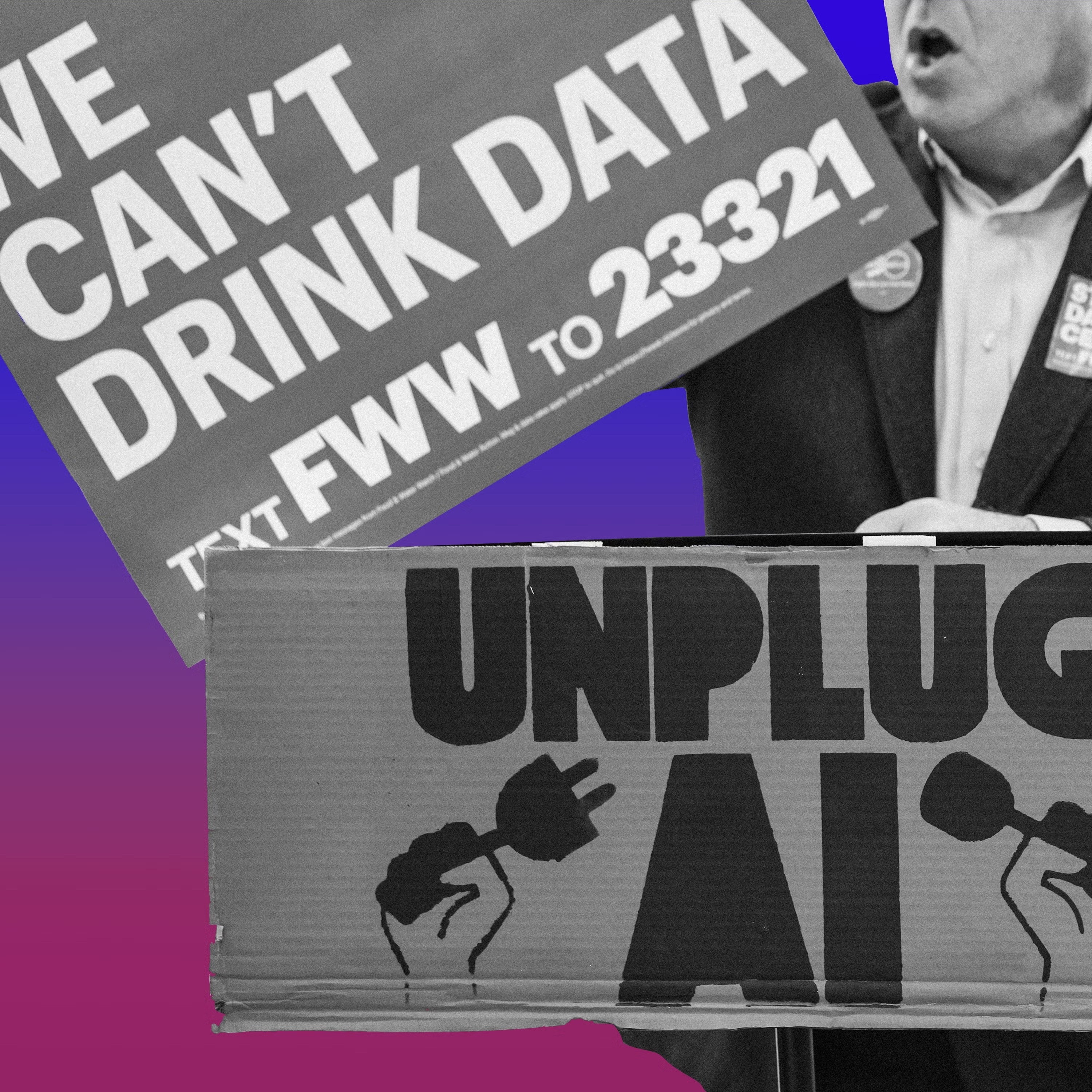
As an electoral issue during the midterms, artificial intelligence was tied up with money in politics, with industry and government in cahoots, and with data centers feeling forced into communities. It was a big winner for Democrats this year, and all of these—plus the implications for employment—are going to be bigger issues in 2028. Guest: Rob Flaherty (https://politics.georgetown.edu/profiles/rob-flaherty/), political strategist and founder of Tomorrow Together (https://tomorrowtogether.ai/), a tech-focused political action committee. Want more What Next TBD? Podcast production by Evan Campbell, Madeline Thames-Ducharme, Patrick Fort and Micah Phillips. Need to set up your Slate Plus feed? Hosted on Acast.
Sports organizations should limit gambling promotion aimed at their supporters.
Share your view, then see how readers voted. No sign-in required. This poll is shared across stories.
Do you agree or disagree?
Common Quandary
A Common Quandary to discuss
Another conversation to explore, separate from this news story.
The prettiest trees on your street are ecological troublemakers. Do they come down?
A row of mature flowering trees defines a neighborhood and provides valuable shade. Ecologists identify them as invasive and recommend replacing them with native saplings that will take decades to grow.
How should visible community value be weighed against gradual ecological harm?