Listen through the publisher, then discuss the episode here or arrange an in-person Roundtable. Your city determines where to meet.
Roundtables are designed for groups of four, with a shared subject and room for everyone to speak. Come for discussion, with no dating expectation.
When 19-year-old aspiring artist Sarah Stern goes missing just weeks before Christmas 2016, investigators initially suspect she may have died by suicide or run away from home. Then, in January 2017, one of Sarah’s former high school classmates comes forward with chilling information that leads to an undercover police sting and the shocking arrests of two very familiar faces. Armed with a bombshell, caught-on-tape confession from one of the suspects and the damning testimony of the other, Monmouth County, New Jersey prosecutors face the uphill task of trying to secure a murder conviction without a body for only the second time in the state’s history. Features interviews include Sarah’s father, detectives and prosecutors, along with complete access to archival materials detailing the search and the undercover sting operation.
Episode information is provided by the publisher. Listening takes place on the publisher’s service.
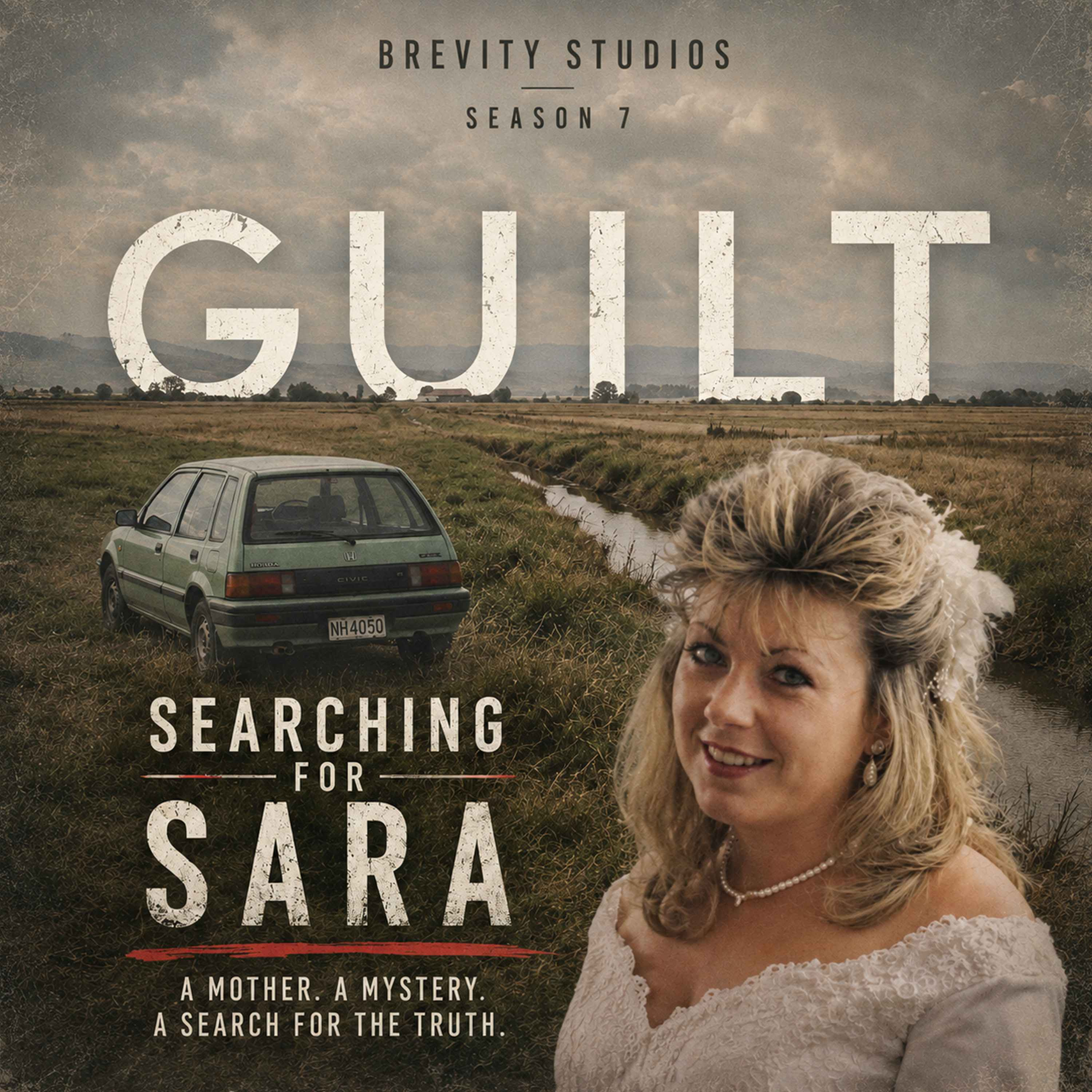
By the winter of 2003 the search for Sara Niethe has ended, and police are still calling it a missing person case. Then, in July, they reveal that two men say they saw a car driven erratically through Ngatea around midnight on the night she was last seen, with its headlights off. Ryan drives the route in the dark, asks retired detective Bruce Currie how a witness like that should be tested, and follows Sara’s family and friends through a reward, a Christmas and a year that ended without answers. CAN YOU HELP? If you were the truck driver who saw a car without lights on State Highway 2 and in Ngatea on the night of Sunday 30 March 2003, or the man filmed at the Shell station on Orchard Road in Ngatea just after midnight that night, Ryan would like to speak to you. The same goes for anyone who rang police about Sara’s car that year, or who was in Ngatea that night. Sara’s car was a light green 1987 Honda Civic hatchback, registration NH4050. You can contact Ryan through theguiltpodcast.c
A reporter who went to Brooke Hanlon's house in Chester, New Jersey, in the weeks after the murder says the lights were on, both cars were in the driveway, nobody was home, and a crib was turned over inside. She assumes police did that while searching. It's one of a long list of strange details in the unsolved Brooke Hanlon case. Brooke was a 35-year-old therapist with a baby girl. Her husband, Conor, called 911 and said he'd just found her. When the medics reached him, he told them, "I found her." The prosecutor's office released that 911 recording and almost nothing else. It held Brooke's name for more than three weeks, and the reporter published it first. She says police had come by the neighbors only once before her visit, then went back to them for two days right after. Months later, investigators returned and carried out items wrapped in brown paper and evidence tape. Conor Hanlon hasn't been charged, and no suspect has been named. A former head of the Morris County Prosecutor's
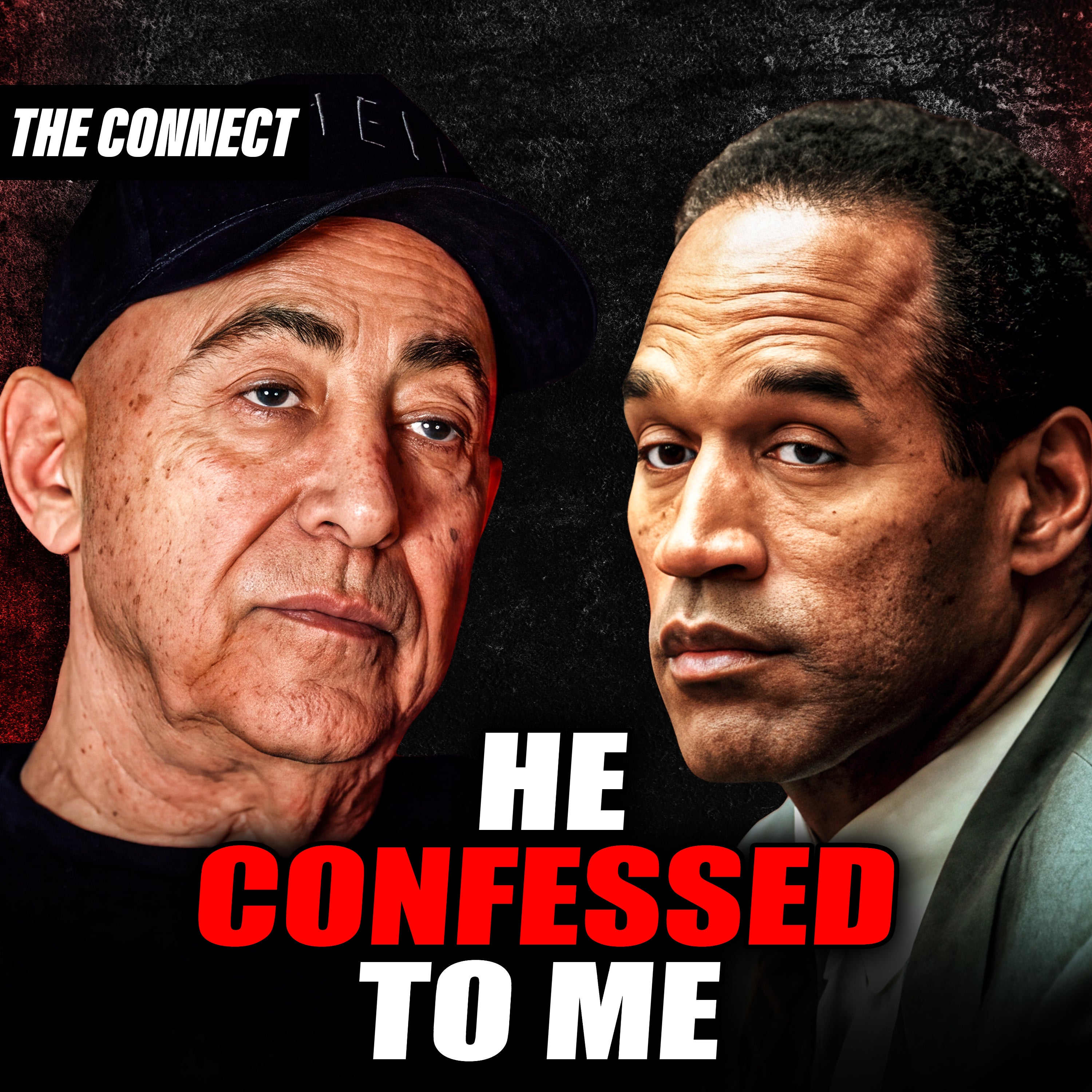
For nearly a decade, Charlie Ehrlich was one of O.J. Simpson's closest friends. They partied together, did business together, and eventually found themselves at the center of the armed robbery that would send O.J. to prison. In this explosive interview, Charlie reveals what he knows about the murders of Nicole Brown Simpson and Ron Goldman, O.J.'s connections to cocaine traffickers, and why he believes O.J. didn't act alone. He shares never-before-heard personal stories about Simpson's violent temper, his obsession with Nicole, and the darker side of one of America's most infamous celebrities. Charlie also addresses the speculation that he was the mysterious accomplice named in O.J.'s controversial book If I Did It, and recounts how a simple favor for his best friend turned into an armed robbery in a Las Vegas hotel room. From drug deals and deathbed confessions to secret recordings, betrayal, and murder, this is a rare look inside the private world of O.J. Simpson from a man who knew
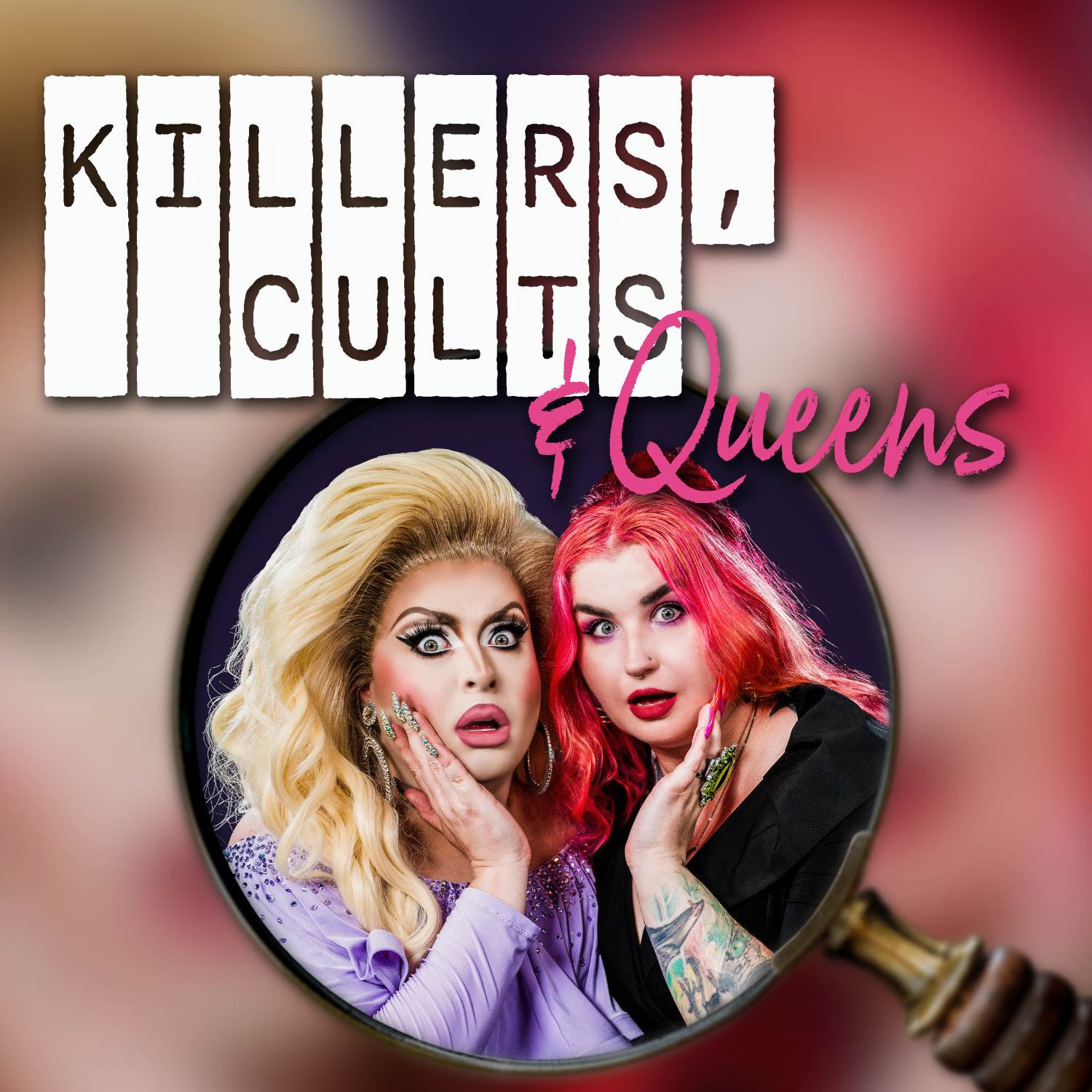
The Bling Ring Part 2: What happens when a group of fame-obsessed teenagers start robbing Hollywood's biggest celebrities? And what happens when their crimes are accidentally caught on camera for a reality TV show? Welcome back to Killers, Cults & Queens! We're heading back to late-2000s Los Angeles to continue our deep dive into the infamous Bling Ring burglaries. After targeting Paris Hilton and Audrina Patridge, Rachel Lee and Nick Prugo are far from finished, and their next victims include Rachel Bilson, Miranda Kerr, Orlando Bloom, Megan Fox and Lindsay Lohan. As their celebrity-inspired crime spree escalates, so does their drug use, and the group becomes increasingly reckless. But with stolen designer handbags, jewellery, watches and even a firearm changing hands, it's only a matter of time before the police catch up with them. Then comes one of the most extraordinary twists in the story: Alexis Neiers and her sisters are filming a brand-new reality TV show when LAPD arrive at th
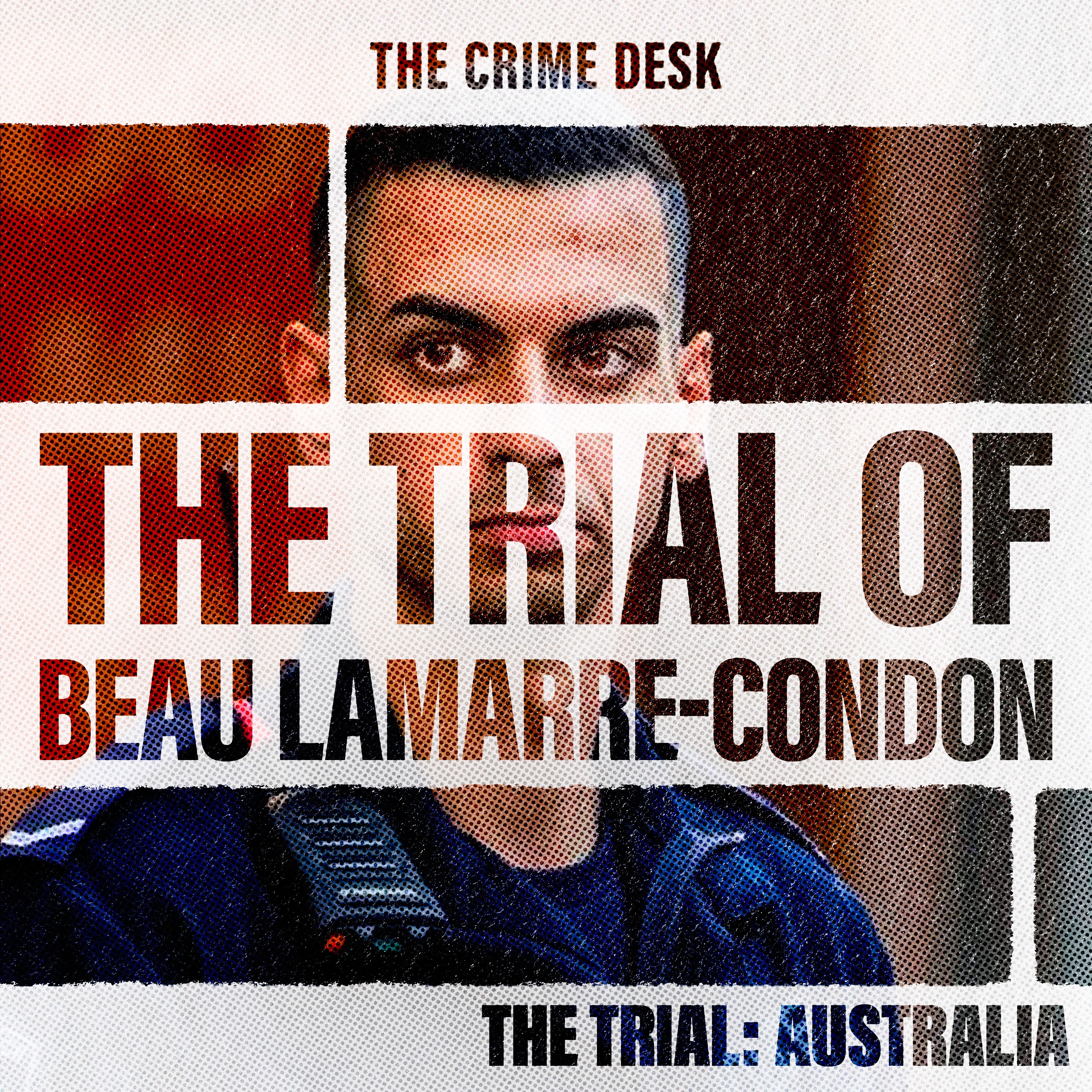
After ten weeks of evidence, a jury took just over two hours to find Beau Lamarre-Condon guilty of murdering Jesse Baird and Luke Davies. The former New South Wales police officer shot the two men with his police-issued pistol at Jesse’s Paddington home on February 19th, 2024. Beau Lamarre-Condon had become obsessed with him after Jesse ended their sexual relationship, which he only ever said was casual; but Beau Lamarre-Condon wanted more. He then murdered Luke Davies, Jesse’s new boyfriend, to eliminate a witness. In this episode, Wayne and Charlotte retrace the events behind the verdict, from the stalking and jealousy described in court to the fatal shootings at Jesse’s Paddington home and the elaborate attempts to conceal what happened afterwards. Revisiting key trial testimony, they unpack the forensic evidence that challenged Beau Lamarre-Condon’s account, the messages sent from Jesse’s phone after his death, and the eight-day search that ended with both men’s bodies being found
On the night of June 15th, 2018, 23-year-old Jermain Charlo, a member of the Confederated Salish and Kootenai Tribes, went out in Missoula, Montana with her ex-boyfriend, the father of her sons. A security camera caught her in the alley behind a downtown bar, relaxed, on her phone. A few minutes after midnight, the two walked toward the dark end of that alley and Jermain was never seen again. Just before 1 a.m., a call to her phone was quietly silenced. By morning, it was pinging a tower miles away, on a forested stretch of the reservation called Evaro Hill. It would take her family days just to get her reported missing, bounced between tribal and city police. And by then, the hours that mattered most were gone. For part 2, follow The Final Hours wherever you listen to podcasts: https://pod.link/1872821250 To hear episodes ad-free, subscribe to Crime House+. Need More to Binge? Follow me on Social Instagram: @Crimehouse (https://www.instagram.com/crimehouse/) TikTok: @Crimehouse (https
On October 20, 2014, white Chicago PD Officer Jason Van Dyke fatally shoots 17-year-old African American Laquan McDonald in an act that he and the Chicago PD called “self-defense.” However, when freelance journalist Jamie Kalven gets word from a source that there is more to the story, his search for the truth uncovers a disturbing cover-up. Through his efforts, as well as the efforts of fellow journalists and activists, officials are finally forced to release the police dash cam footage from that fateful night. Public uproar results in Officer Van Dyke’s arrest on first-degree murder charges, and in the midst of a media circus, the case goes to trial.
Communities losing a major industry deserve transition support before jobs disappear.
Share your view, then see how readers voted. No sign-in required. This poll is shared across stories.
Do you agree or disagree?
Common Quandary
A Common Quandary to discuss
Another conversation to explore, separate from this news story.
A pricey AI tutor can turn B students into A students. Should schools let them use it?
An effective AI tutor adapts to each student and dramatically improves performance, but its subscription is expensive. A public school cannot provide it to everyone and worries that allowing its use will deepen existing inequality.
Should access be limited when a beneficial tool cannot yet be shared fairly?