How will you know when you’ve reached true wealth? Is it when you have your dream home? Once you own an expensive car? Perhaps the signifier is when you’re wealthy enough to have your own private airplane? In Tony’s opinion, these are the wrong things to use when measuring your wealth. Uploaded 12-09-19 The people with mansion-sized homes, with three sports cars sitting in the garage, with a private plane that takes them to and from their vacation home – these people may not necessarily have access to true wealth. None of these are indicators of true wealth; they’re indicators of monetary wealth. True wealth is the ability to live life on your own terms. It’s freedom. Tony explains that money itself isn’t wealth, it’s a vehicle – a tool you can use to achieve financial freedom, to go after the dreams you didn’t think were possible, to design your life in a way that makes you feel alive and fulfilled. While Unshakeable is a financial freedom playbook, the process of becoming unshakeable
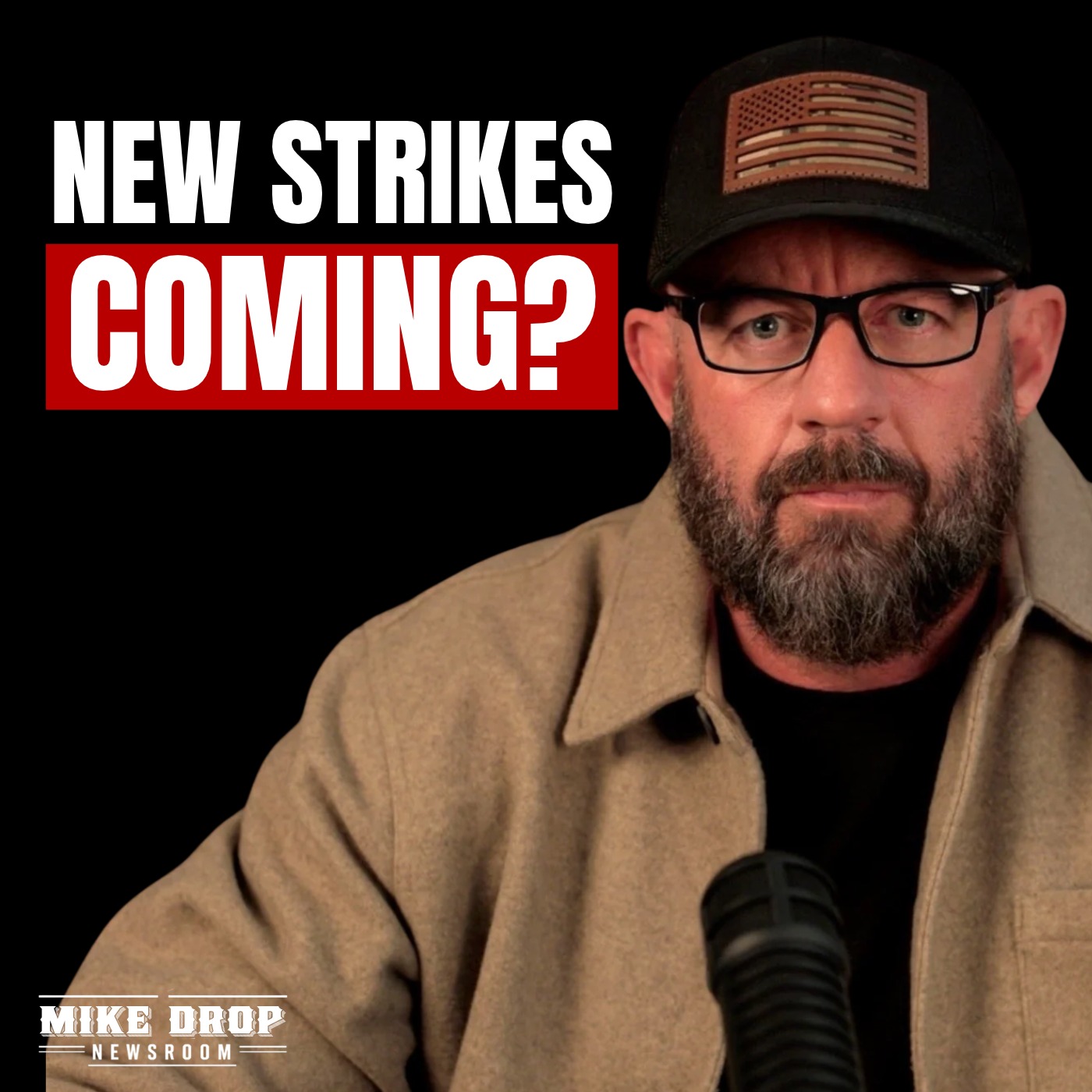
Iran says it shot down a U.S. drone over the Strait of Hormuz as CBS News reports the U.S. and Israel are weighing a new assault on Iran. MIKE DROP NEWSROOM | 21 NOVEMBER 2026 Iranian state TV claimed Saturday that Iran downed a U.S. drone near Qeshm Island; the U.S. has not confirmed it. CBS News reported, citing sources, that the U.S. and Israel are considering a new assault in the short term, driven by Israeli concern over how fast Iran is rebuilding its missile production and moving sites underground. President Trump told Israel's Channel 12 he is not rushing any decision. At the same time, the New York Times reported Israeli warnings that Iran has made progress on chemical and biological weapons and could use them against U.S. officials, though some U.S. officials doubt those warnings. Mike Ritland breaks down why a single intelligence source shouldn't drive a decision this big, how corroboration works when lives are on the line, and what would actually change his mind. Also cover
Kraken (https://kraken.pxf.io/c/6563010/687155/10583) Ledger (https://shop.ledger.com/?r=59fe6e05c254) NordVPN (https://go.nordvpn.net/aff_c?aff_id=143753&offer_id=612&url_id=14830) Spotify (https://open.spotify.com/show/4gu4MrqbGVZeNNNbAuvSmR) Follow Crypto News Today on X: @CryptoNewsHQ (https://x.com/CryptoNewsHQ) Published companion Deep Dive: AI's $81 Billion Explosion — Is Wall Street Abandoning Bitcoin? (https://cryptonewstoday.io/podcast/episodes/cefa139e-23c4-4424-b40a-238636763f2e) November 21, 2026: Bitcoin rebounds from roughly $55,130, briefly reclaims $60,000, then slips below it again. Who will keep buying when forced trades end? Today's Daily Crypto Roundup examines the recovery test, Chainflip's vault drain and service halt, and ZebPay's warning about customer information exposed through MoEngage. Listening guide: Why Bitcoin ETF flows and Bitcoin's price can move differently (https://cryptonewstoday.io/podcast/guides/bitcoin-etf-inflows-and-price). Also covered: Bitde
Effort News founder Brian Chau joins Theo to break down the media and policy campaign behind Nvidia CEO Jensen Huang’s ouster, arguing that export-control hawks fabricated espionage and chip-smuggling allegations after failing to pass legislation in Congress. They also discuss the board’s governance failures, Trump’s economic approach to China, and why Chau opposes banning recursive self-improvement while raising antitrust and data-retention concerns about Anthropic. -- MTS chronicles the singularity, live. Monitoring the situation of tech and AI. Follow MTS: Spotify |https://open.spotify.com/show/4HUNNmV1pjV7CW6Lphm1rM Apple |https://podcasts.apple.com/us/podcast/mts/id1891088763 – Brought to you by: Mongo DB - Anyone can prototype an agent. Lovable - Turn ideas into software people love with Lovable. Start today at https://lovable.dev/ Factory - A 24/7 system turning signals into production software. Visithttps://factory.com/ Neon (by Databricks) - Scale your startup on Neon. The Pos
Project Synapse: Markets in Freefall, Fragile Infrastructure, and AI's Perfect Storm The hosts banter through the show's intro before focusing on a sense that "things are out of control," citing a WallStreetBets suicide-hotline post amid a market crash and discussing cascading system failures involving Microsoft, the FAA, and a reported NSA internal communications outage. They argue politicians and leadership lack technical competence and clear messaging, increasing panic, while emphasizing that many problems stem from aging, underfunded infrastructure and complex, brittle software (PHP, NGINX, Java), not proven AI attacks—more a "perfect storm" of crises. They debate whether AI should help fix complexity, stressing critical thinking, accountability, and using multiple AIs to verify each other. In a lightning round they cover Anthropic's IPO performance, mixed reactions and token limits with ChatGPT 6.2 (favoring "Sol" over "Astra"), Google's cheaper Neon model and confusing UX, Loblaw
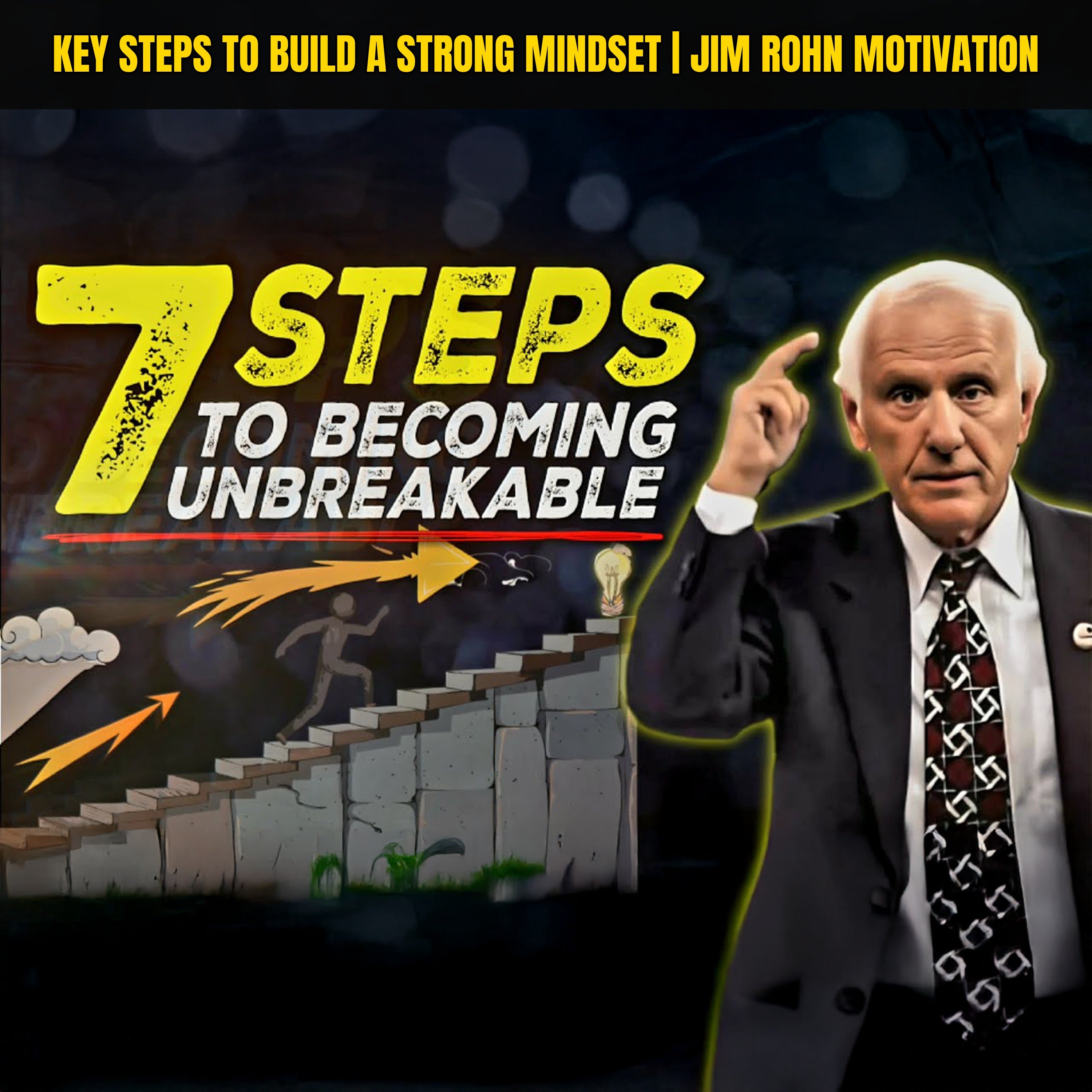
In this Jim Rohn Motivation video, we unpack the real meaning of resilience—not as something you're born with, but something you build. It’s not about pretending life is easy. It’s about developing the mindset, discipline, and strength to keep going when everything in you says stop. Key Topics From This Motivational Video: Resilience as a skill, not a trait Taking full ownership of your life and mindset Reframing adversity into growth opportunities Emotional regulation and grounded self-talk Endurance, grit, and the decision to grow daily This Jim Rohn Motivational video reminds us that resilience doesn’t come from waiting for life to calm down—it comes from training your mind to rise in the middle of the chaos. It’s a mindset built on consistent ownership, reframed challenges, and the ability to lead yourself under pressure. Strength isn’t given. It’s earned—through the unseen decisions you make when no one is watching. This Jim Rohn Motivational Video Is Perfect For: Anyone feeling o
Brandon interviews Adam Jacob, CEO and Co-Founder at Swamp Club, about building “the machine that builds the machine” and why AI should change how software gets made, not just speed up old workflows. Jacob, who created Chef and served as its CTO, revisits his Config Management Camp 2026 talk, AI Is the Future of Software Development. He says it won over a loyal core of fans and drew plenty of skeptics in a room full of operations engineers. He argues that dropping AI into an existing SDLC leaves engineers stuck reviewing a flood of generated code. The real shift, he says, is encoding your point of view, your architecture, and requirements like accessibility and security into adversarial agents and black box tests that run every time. When the output is wrong, he says, the instinct should flip from fixing the code to fixing the machine that produced it. He describes a “trough of awful” between the old way of working and the payoff on the other side, and insists that nobody is actually b
Brian and Brandon discuss the stunning resignation of NVIDIA CEO Jensen Huang, a story big enough to push election results, Anthropic’s IPO news, and a week of earnings off the agenda. They walk through what has been reported so far: relationships, including one with an executive tied to Megaspeed, a Southeast Asian cloud provider alleged to have funneled NVIDIA GPUs into China, and claims that security staff asked someone who photographed Huang to sign an NDA. Brandon cites Georgia coach Kirby Smart’s “dogs don’t beat dogs” to argue that CEOs have to follow their own company’s policies before anything else matters. To succeed interim CEO Colette Kress, Brian floats Tim Cook, Lisa Su, and Andy Jassy, while Brandon adds Lip-Bu Tan and Rene Haas and suggests NVIDIA may need a team of fixers to restructure Huang’s 60 direct reports. They debate whether extreme wealth breaks a leader’s judgment, and why success makes people afraid to call unusual practices strange. Brandon predicts NVIDIA
Brian and Brandon discuss what happens to enterprise AI if the market corrects and the era of "move fast and break things" gives way to hard questions about ROI. Brandon argues the biggest divide is between people who have only used a chatbot and those who have “touched the superpower” by using AI to finish a task that once took too long to attempt, and he says a CFO who only sees the token bills can’t see the value those tokens created. Brian traces enterprise adoption through several phases, from AI policies that mostly meant buying Microsoft Copilot, to employees pushing for Claude Code and Codex, to a token-maxing push with no clear goal. He compares the moment to early cloud, when Adrian Cockcroft’s Netflix talks split the industry into believers and companies that couldn’t imagine getting there, and predicts a bumpy year and a half in which some companies pull back, many search for balance, and a few race ahead. Brandon pushes back on the term vibe coding, arguing that nobody rea
Acting on preliminary research can be justified when the risks of waiting are high.
Share your view, then see how readers voted. No sign-in required. This poll is shared across stories.
Do you agree or disagree?
Common Quandary
A Common Quandary to discuss
Another conversation to explore, separate from this news story.
One coffee, four hours, last table. Can the café ask you to leave?
A neighborhood café has become a popular remote workplace. Some guests buy one drink and occupy tables for hours, while families and friends regularly leave because they cannot sit together.